Blog

Your blog category

The ultimate guide to buying used Chrysler engines for sale
Blog

The ultimate guide to buying used Chrysler engines for sale

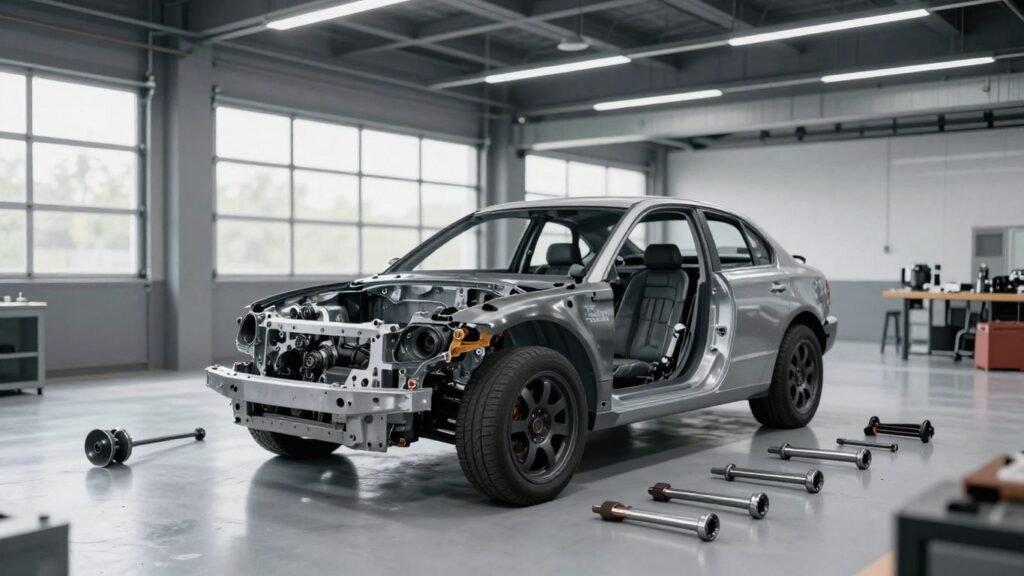
Key Takeaways Finding the right component for your vehicle requires careful research and patience, as the quality of the unit dictates your repair success. Here are the five most essential points for securing a reliable engine: Accurately match your engine code to ensure fitment. Evaluate whether a rebuild or salvage unit fits your budget. Perform a thorough physical inspection for leaks or damage. Prioritize sellers who offer clear, documented warranties. Confirm shipping and professional installation requirements early. Assessing your engine needs When your vehicle experiences terminal engine failure, the process of finding a replacement can feel daunting. Your primary goal is to find a unit that fits seamlessly without requiring costly modifications or custom fabrication. Identifying the correct specifications now prevents significant headaches during the installation phase. Identifying your specific engine code Every vehicle relies on a unique identifier often stamped directly onto the engine block or found on a vehicle certification label. This code provides the exact technical configuration, including displacement and emissions requirements, which is critical when browsing listings for used Chrysler engines for sale. Never attempt to guess based on model year alone, as manufacturers often update internal components mid-cycle. Compatibility with different transmission types Engine blocks are frequently machined differently depending on whether they pair with an automatic or manual transmission. You must verify that the bell housing bolt pattern on the donor unit matches your existing transmission setup perfectly. Discrepancies here usually lead to mounting failures that are difficult to correct once the engine is already inside the engine bay. Comparing rebuilds versus salvage yard finds Choosing between a full rebuild and a salvage yard pull involves balancing your immediate budget against long-term operational expectations. A rebuilt unit often provides a more predictable lifespan, whereas a salvaged pull offers immediate availability at a lower cost. Feature Type Rebuilt Engine Salvage Yard Find Upfront Pricing Higher investment cost Budget-friendly option Expected Lifespan Near-factory performance Variable condition Warranty Period Generally extended coverage Often limited duration Selecting the right path depends entirely on your vehicle’s current value and how long you intend to keep it on the road after the repair is complete. Sourcing high-quality replacement engines Finding a reputable source is just as important as identifying the technical specifications of the replacement engine. You need a seller who understands the mechanical history and provides clear provenance for the parts they offer. Reliable distributors like Powertrain Products maintain specific standards for their units that help buyers avoid the pitfalls of buying a neglected motor. Evaluating local salvage yards and junkyards Local yards offer the advantage of seeing components in person before any money changes hands. You should walk through the lot to observe how the vehicles are stored, as units kept in open air are more susceptible to water intrusion and internal corrosion. If the yard keeps engines under cover or in climate-controlled storage, it is a positive indicator of professional care, highlighting that they value the integrity of their inventory. Benefits of purchasing from specialized engine distributors Specialized companies focus their business model on the acquisition and quality control of automotive powertrains. Entities like Auto Used Engines LLC offer distinct advantages by vetting units for mileage and running condition before selling them. This level of specialization often results in higher quality units and provides a more structured purchasing process compared to generic salvage outlets. Verifying the credibility of online marketplaces Online platforms can connect you with inventory across the country, but they require extra due diligence to ensure you are not dealing with fraudulent listings. Always look for transparent business practices, such as clear images of the actual engine rather than stock photography, and confirm that the seller provides a verifiable way to track shipping. Legitimate sellers will be willing to correspond regarding the specific history of the unit you are interested in acquiring. Conducting a physical inspection before purchase Once you have found a potential candidate, a physical inspection is the final hurdle to ensure the engine is worth your investment. Even if a seller provides a glowing description, getting eyes on the component allows you to spot issues that are not visible in simple photographs. This step is your last chance to identify major defects before the heavy lifting of installation begins. Detecting signs of oil sludge and internal damage Open the oil fill cap and look for thick, caked-on residue on the valve train components, which is a telltale sign of poor maintenance or skipped oil changes. Excess sludge restricts oil flow, leading to premature bearing failure and overheating once the engine is under load. Beyond sludge, listen for any abnormal scraping or grinding sounds if the seller is able to provide a brief cold-start video during the inspection process. Visualizing the internal state through the oil cap serves as a primary diagnostic tool for assessing how well the previous owner maintained the mechanical components over the vehicle’s lifespan. Such basic checks are essential because even if a block looks clean on the outside, inner neglect can render an engine essentially worthless despite the outward appearance. Identifying exterior corrosion and coolant leaks Check the exterior of the engine block for signs of persistent weeping or coolant stains around the water pump and hose connections. Moderate surface rust on non-critical steel brackets is usually acceptable, but deep, flaking corrosion on the head gaskets or primary castings is a significant warning sign. Use a flashlight to peek into deep cavities where fluids might pool, as these areas often hide leaks that sellers might have wiped over to improve the engine’s presentation. Verifying serial numbers against historical vehicle reports Matching the serial number on the block to a historical report via your VIN search ensures the engine was not salvaged from an illegally dismantled or stolen vehicle. This validation step is necessary for title integrity and ensures that the engine specifications align with the paperwork you intend to submit to your local transportation authority. Reliable parts distributors will maintain this documentation as part of their standard

A complete guide to finding specific Chrysler parts by category
Blog

A complete guide to finding specific Chrysler parts by category

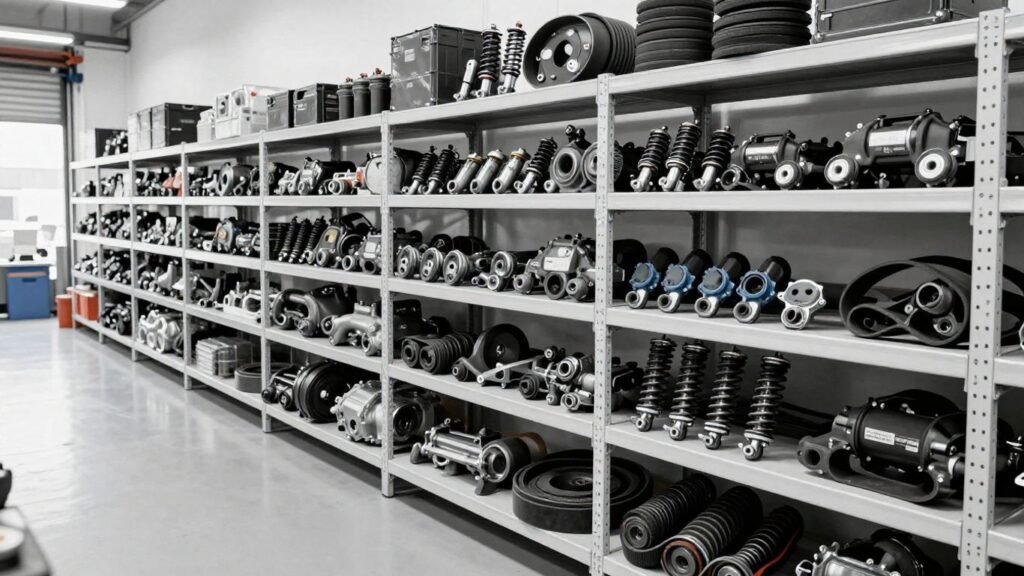
Key Takeaways Identifying the correct components for your Chrysler vehicle requires understanding specific systems and compatibility requirements. Proper maintenance using authentic parts helps ensure long-term reliability and safety. Understanding air intake systems and fuel delivery configurations. Managing cooling system fluids and radiator heat transfer. Selecting correct suspension dampers for vehicle weight. Categorizing brake types by pad material and rotor finish. Organizing electrical distribution using factory-specified management parts. Engine and powertrain components Finding the right components for an engine requires careful analysis of the specific power unit and its accessory configuration. Authentic parts help maintain the original performance profile and guarantee compatibility with factory calibration. Many enthusiasts prioritize high-quality MOPAR engine accessories to ensure that every replacement part meets rigorous performance standards. Identifying air intake and fuel delivery systems Air induction paths must be scrutinized to ensure consistent airflow measurements to the combustion chamber. Fuel delivery hardware, including lines and injectors, should match the flow specifications defined by the manufacturer to prevent lean or rich running conditions that impact fuel economy. Timing belts versus chains and valve train parts Valve train synchronization relies on the precise tensioning and durability of timing components. Whether your specific engine utilizes a chain or belt, ensuring the integrity of these wear items is critical to avoiding catastrophic engine damage during high-load operations. Cooling system components and radiator maintenance Managing heat is vital for longevity, as the cooling loop must circulate fluid efficiently through the radiator and block. Proper selection of replacement thermostats and hoses prevents fluid leaks that can compromise engine operating temperatures. Component Maintenance Interval Replacement Indicator Coolant Fluid 60,000 Miles Darkening color Radiator Hoses 100,000 Miles Surface cracking Water Pump 120,000 Miles Bearing noise Selecting high-grade fluids and hoses maintains the thermal balance needed for peak engine efficiency, ensuring optimal performance in extreme conditions throughout the year. Engine sensors and electronic control modules Sensors provide the data necessary for the computer to adjust timing and fuel delivery on the fly. Replacing faulty sensors with units calibrated to your vehicle’s specific ECU mapping helps preserve smooth driving characteristics and prevents persistent warning lights. Suspension and steering systems Maintaining the connection between the chassis and the road surface involves inspecting several critical hardware nodes. Each component must handle constant stress and vibration while providing the feedback required for precise handling. Using reliable MOPAR damping hardware ensures that your steering geometry remains aligned with the intended design parameters of the vehicle chassis. Shocks, struts, and damping hardware These components dissipate energy from uneven road surfaces, keeping tires in contact with the pavement for predictable grip. Selecting dampers designed for your specific curb weight ensures that the ride remains compliant without sacrificing stability. Damping hardware serves as a critical buffer between road irregularities and the cabin, directly influencing the level of comfort and lateral control experienced by driver and passenger alike. Properly functioning shocks and struts prevent unnecessary wear on related chassis components by minimizing excessive vertical movement during maneuvers. Control arms and ball joint replacements Control arms maintain the orientation of the wheels as they move vertically. When ball joints experience significant play, the resulting geometry shifts can lead to uneven tire wear and erratic handling on uneven roads. Steering rack assemblies and tie rod ends Steering accuracy depends on the lack of play in the link between the rack and the spindles. Replacing worn tie rod ends effectively corrects wandering feedback and resets the center point of the steering rack. Power steering pumps and fluid reservoirs Hydraulic assist requires consistent pressure from the pump to ensure effortless steering maneuvers at low speeds. Checking the reservoir and lines for potential leaks is a standard part of maintaining the overall integrity of the steering circuit. Brake system hardware Selecting the right friction materials depends on how the vehicle is used, whether for stop-and-go commuting or occasional towing. Matching the hardware to your specific driving habits keeps the interface between the pedal and the road predictable and effective. Choosing between ceramic and semi-metallic pads Ceramic pads offer quieter operation and less dust, whereas semi-metallic options generally provide increased stopping power at higher temperatures. Deciding between them involves balancing your need for cleanliness against performance demands. Rotor surface types and heat dissipation Surface finishes determine how quickly heat is shed from the friction area during heavy braking. Solid, vented, and slotted surfaces each handle thermal loads differently, making it important to pick the style that matches your climate and driving frequency. Caliper rebuild kits versus complete replacement Deciding to rebuild a sticky caliper can sometimes save money if the piston bore is still smooth and free of corrosion. If the internal seals or the piston surface are heavily pitted, replacing the hardware entirely is the safer route for ensuring pressure consistency. Master cylinder and ABS control unit integrity These central units regulate fluid pressure to every wheel, ensuring that the wheels do not lock unexpectedly during hard stops. Confirming that the master cylinder is free of internal leaks keeps the brake pedal feel firm and avoids pedal fade. Interior and cabin electronics Cabin electronics control everything from environmental comfort to complex data interfaces. Careful selection of replacement buttons, modules, and drive motors allows you to restore functionality to the driver interface without compromising electrical safety. Most electronics failures in these systems result from minor connection fatigue rather than a complete failure of the internal circuits. Infotainment system hardware and interface modules Connecting the display unit to the vehicle brain requires specific interface modules that communicate via the factory protocol. When swapping these, ensure the unit is compatible with the existing wiring harness to avoid communication errors between the audio system and the diagnostic port. Climate control actuators and blower motors Actuators route air through the proper vents, and their malfunction often leads to stuck temperature settings or air distribution failures. Ensuring the blower motor is rated for the correct voltage prevents the cabin fan from failing during extreme weather shifts. Seat adjustment motors and upholstery clips Comfort is

Buying a second hand Chrysler 300M: a comprehensive buyer's guide
Blog

Buying a second hand Chrysler 300M: a comprehensive buyer’s guide

Key Takeaways Finding a reliable vehicle from the early 2000s requires patience and a clear understanding of specific common failure points. This guide highlights essential checks, from powertrain integrity to interior electrical quirks, to help you make an informed purchase. Research the specific model year changes to identify the best production runs for reliability. inspect the engine and transmission thoroughly, as these form the core of the vehicle’s long-term utility. Rust in the rocker panels is a primary concern, so prioritizing chassis health will save significant bodywork costs later. Ensure complex electronic systems like the climate control and digital displays are fully operational before finalizing any purchase. Leverage active enthusiast communities to source unique parts and find mechanics familiar with the specialized LH platform. Understanding the Chrysler 300M legacy The 300M represents a distinct era in automotive design where aggressive styling met practical, full-size comfort. Its introduction marked a shift toward more evocative exterior shapes, blending luxury expectations with the power of its V6 engine. For anyone considering purchasing a Chrysler 300M second hand, understanding these design roots is key to appreciating what the car offers on the road. Historical significance of the cab-forward design The cab-forward approach pioneered by this platform was intended to maximize interior space while maintaining a sleek, planted visual profile. By pushing the wheels toward the corners of the chassis, designers created a cabin that felt surprisingly cavernous for a four-door sedan. This packaging strategy remains a hallmark of the vehicle, offering a unique driving position that many owners find both responsive and comfortable over long journeys. Identifying major model year changes and updates Production spanned from 1999 to 2004, and minor revisions occurred throughout this cycle to improve build quality. Early models established the initial aesthetic, while later years saw incremental mechanical refinements. Being aware of these yearly tweaks can help you distinguish between production runs, allowing you to focus on finding a car that benefited from the most mature factory settings. Why the 300M remains a modern classic Today, the car stands out for its character and the distinct driving experience it provides compared to more modern, computerized commuters. It possesses a certain distinctive road presence that rarely fades, keeping it relevant for collectors and daily drivers alike. Its balance of power and cruiser sensibilities ensures that it still competes well enough to serve as a reliable, interesting choice for an affordable luxury sedan. Inspecting the engine and drivetrain Under the hood, the 3.5-liter engine is known for delivering decent power, but it needs consistent care to maintain its performance levels. Approaching an inspection requires a methodical look at the cooling system, belts, and the transmission behavior during a test drive. You should prioritize these mechanical assessments above cosmetic factors to ensure the car stays on the road. Checking the 3.5-liter V6 high-output engine This engine provides a smooth surge of power that defines much of the experience, provided the internal components are healthy. You should look for any signs of oil leaks around the valve covers or front cover during your inspection. A well-maintained engine should idle steadily without irregular fluctuations in the exhaust note or vibrations that suggest poor ignition cycles. Detecting common transmission issues in the 42LE The 42LE automatic transmission is a core component, and monitoring its shift quality is the most effective way to gauge its internal health. If you notice delayed engagement or slipping during acceleration, you should proceed with caution regarding the purchase. Issue Type Symptom Description Recommendation Solenoid Pack Failure Rough or harsh shifts Professional diagnostic required Fluid Contamination Dark color or burnt odor Immediate transmission flush Sensor Malfunction Erratic gear hunting Scan for stored fault codes Addressing these shifts early is essential for keeping the transmission in good working order for years. Proper fluid levels and clean, clear oil are the best indicators that the previous owner prioritized long-term drivetrain maintenance. Assessing cooling system health and radiator integrity Engine longevity is dictated largely by how well the cooling system handles heat, as these engines are sensitive to thermal extremes. You should inspect the radiator for signs of weeping coolant, particularly along the side tanks where plastic seals often develop hairline cracks. Ensuring the auxiliary cooling fan engages as the engine warms up is also a simple but necessary test before concluding your inspection. Signs of timing belt maintenance neglect A neglected belt can cause catastrophic internal damage if it snaps while the engine is running at highway speeds. Always ask for service records documenting the last replacement interval for the timing component assembly. If no documentation exists, you should factor the immediate cost of a professional replacement into your overall purchase price to protect the engine. Evaluating body and chassis condition While the drivetrain is crucial, the exterior and structural integrity of the chassis define the vehicle’s longevity in harsher climates. You must inspect the underside and hidden panels carefully to ensure you aren’t inheriting hidden corrosion issues. A solid chassis provides the foundation that allows the suspension to function as designed without unwanted rattles or structural flex. Identifying rust-prone areas on the rocker panels and wheel wells Corrosion often hides in places where debris and moisture become trapped over many years of driving. You should physically crawl under the car to check inside the lip of the wheel wells and along the bottom edges of the rocker panels behind the plastic cladding. Surface-level bubble formation is a clear sign that deeper oxidation may already be compromising the steel beneath the paint. Inspecting suspension components and bushings for wear Driving over uneven pavement will quickly reveal whether the suspension system is tired or still holding its original damping characteristics. Listen for clunks or rhythmic scraping noises that indicate worn-out strut mounts or degraded rubber bushings. Replacing these parts can completely restore the car’s handling, but you should still account for these repairs when negotiating a final price. Testing the factory self-leveling headlamp system The unique headlamp design often features complex internal sensors that

The comprehensive guide to finding reliable 300C Touring parts
Blog

The comprehensive guide to finding reliable 300C Touring parts

Key Takeaways Maintaining the structural and mechanical integrity of your vehicle requires diligent part selection and consistent service routines. This guide helps owners of the station wagon version navigate repairs with confidence. Pinpointing your engine variant is essential for correct parts matching. Distinguishing between factory originals and performance upgrades affects long-term ownership. Specialized body parts require verifyable platform-specific fitment criteria. Sourcing from reputable databases prevents the common issue of mismatched secondary components. Adhering to a strict maintenance schedule preserves both functionality and vehicle value. Understanding parts compatibility for the Chrysler 300C Touring Navigating the distinct requirements of your station wagon starts with understanding its underlying architecture. Because this model shares its chassis with several other vehicles, verifying compatibility before purchasing is fundamental. Careful research into the specific build date and engine type ensures that your chosen components integrate seamlessly and provide the necessary function for your daily drives. Identifying your specific engine variant Your vehicle was manufactured with several distinct engine options ranging from V6 powerplants to high-output HEMI units. Each engine requires specific oil filters, spark plugs, and intake gaskets that are not always interchangeable across the different displacements. You should always cross-reference your engine serial numbers against the manufacturer catalog to avoid ordering components designed for a different powertrain. Differentiating between OEM and aftermarket components Choosing between original equipment parts and aftermarket alternatives involves considering your goals for the vehicle’s longevity. Factory-issued parts are designed to support long-term reliability and performance by matching the exact specifications used during factory assembly. While aftermarket options often provide cost savings or increased performance, they occasionally require custom adjustments or different hardware than the original factory setup. Sourcing parts specific to the station wagon body style While the front-end components often mirror the sedan, the rear sections of the touring model are unique. When searching for bumpers, trunk plastics, or interior cargo area trim, you must filter by the station wagon body code rather than generic model names. Always confirm the specific wheel well and bumper dimensions before placing an order to ensure the parts arrive ready for assembly. Common replacement parts for long-term reliability Keeping such a robust vehicle on the road often implies managing wear-and-tear items that naturally degrade over high mileage. Focusing your efforts on these high-stress zones prevents cascading failures that could impact other systems. Periodic inspections of these areas provide an opportunity to replace tired metal with fresh, durable alternatives. Suspension components and control arms The suspension system carries the weight of the vehicle and manages road inconsistencies that lead to worn rubber bushings and ball joints. Early signs of trouble include clunking sounds during turns or uneven tire tread wear patterns. Replacing control arms as a complete assembly is often more effective than attempting to press out individual bushings, as it addresses all potential points of fatigue simultaneously. Engine cooling system and radiator maintenance Cooling systems operate under extreme pressure and temperature cycles that inevitably fatigue plastic end tanks and rubber hoses over time. Proactive replacement of the thermostat and coolant recovery bottle ensures that the engine stays within its designed temperature window. Using high-quality Mopar coolant is recommended to maintain the chemical balance required for the aluminum components found within these radiators. Braking system upgrades and pad selection Providing enough stopping power requires a balance between pad compound and rotor durability. Owners often look for upgrades to improve pedal feel and reduce brake dust during regular city use. The following table highlights common choices for brake system enhancements that align with daily driving and spirited road use. Brake Modification Primary Benefit Typical Application Ceramic Brake Pads Lower dust production Daily driver usage High-Carbon Rotors Reduced thermal warping Spirited road driving Stainless Steel Lines Firmer pedal feedback Performance street setup Selecting the right combination ensures that your vehicle comes to a stop effectively under varying load conditions. Always pair your new pads with high-quality lubricants on the sliding pins to ensure even retraction. Electrical system sensors and control modules Modern aging vehicles often suffer from failed sensors that cause phantom errors or erratic engine behavior. Critical sensors like oxygen monitors and mass airflow sensors should be replaced if they start providing inconsistent voltage readings. When dealing with complex digital modules, it is often best to keep the system as close to factory standards as possible to ensure full feature integration. Upgrading the exterior and interior aesthetics Visual updates can drastically change how a vehicle feels without requiring extensive structural modification. When selecting cosmetic parts, focus on materials that match the original manufacturing quality to maintain the cohesive look of the cabin and body. These changes provide the most immediate satisfaction for owners looking to refresh their older daily driver. Aesthetic body kits and grille configurations Updated grilles or exterior trim pieces can provide a modern, cleaned-up look to the front fascia of your vehicle. Ensure that any body kit or trim piece you choose is designed specifically to attach to the original mounting points of your bumper. Using parts that allow for plug-and-play installation avoids unnecessary drilling or modifications into the existing frame. Interior trim and upholstery replacement parts Updating the tactile surfaces of the interior, such as steering wheels or gear shift knobs, makes the vehicle feel significantly newer inside. If your upholstery is showing signs of neglect, high-quality replacement headliners or center console covers can transform the atmosphere of the cockpit. Focus on matching the texture and color temperature of the factory trim to ensure the new parts blend perfectly with the older remaining materials. Lighting upgrades and LED conversion kits Changing to LED technology provides higher visibility and a modern aesthetic without requiring significant electrical re-wiring. If you choose to upgrade your lighting, be aware of the need for load resistors to prevent flickering or common warning lamps on the dashboard. Properly aligned lights ensure you see further down the road while being considerate of other drivers. Alloy wheel fitment and tire specifications Selecting wheels involves more than visual preference, as the

A complete guide to sourcing and using neon restoration parts
Blog

A complete guide to sourcing and using neon restoration parts

Key Takeaways Restoring neon signs requires a blend of artisanal skill and careful mechanical planning to preserve original aesthetic character. Here is a summary of the core points covered in this guide: Understanding electrical safety remains the highest priority to prevent injury. Sourcing authentic parts helps maintain the historical integrity of your sign. Ventex neon transformer boxes provide reliable performance for various environmental conditions. Proper tool selection simplifies the process of glass bending and manifold operation. Networking with experienced neon artists reveals the best supply sources. Understanding essential neon sign components Restoration effectively begins with identifying how different parts function within a sign housing. Each element serves a specific purpose, from managing current to maintaining the structural integrity of fragile glass elements. Glass tubing and gas types Neon signs rely on glass tubes filled with inert gases, most commonly neon or argon. The color is defined by the gas mix and the phosphor coating inside the glass, requiring precision when matching replacements for consistent lighting. High-voltage neon transformers Transformers convert domestic power levels into the high voltage necessary for gas ionization. Modern practitioners favor protected units such as Ventex neon transformer boxes, which are engineered for durability across weather conditions. Electrode assemblies and wiring Electrodes reside at either end of the tubing, acting as the interface between electrical current and the internal gas. Using stable leads is essential to prevent arcing and ensure the longevity of the electrical path. Insulators and mounting hardware Secure mounting is vital for preventing vibration stress on glass. Tools like the Diversified Components Quik Support help simplify the attachment of tubes to the frame while keeping them properly isolated. Where to source quality neon restoration parts Finding the right components often requires a mix of searching specialized markets and leveraging existing professional networks. Quality is crucial as subpar materials may fail shortly after installation, necessitating repeat work. Specialized neon supply vendors Many suppliers focus exclusively on the specific hardware needs of neon shops. These vendors typically offer standard items like France Copper Tie Wire, which professionals rely on for reliable tube securing. Salvaging parts from vintage signage Old signs contain rare components that are no longer manufactured. Carefully dismantling dead units often provides a wealth of authentic hardware that fits perfectly with period-correct restorations. Verifying component authenticity and age Distinguishing between aged industrial components and modern replicas helps determine the value of a restoration. Examine physical wear and original metal finishes to confirm that scavenged parts are indeed suitable for your needs. Networking within the neon art community Online forums and local maker groups act as hubs for sourcing hard-to-find items. Connecting with veteran glassblowers can lead to discovering private stashes of legacy components that are unavailable online. Safety protocols when handling neon parts When working on any electrical project, you must adopt strict habits to avoid accidents. Handling high-voltage circuits and volatile glass requires total concentration and the right protective environment. Proper electrical discharge procedures Always verify that transformers are completely disconnected before touching any terminal. Discharging capacitors and verifying a dead circuit should be second nature for anyone working on vintage sign restoration projects. Handling fragile glass components safely Glass tubes are extremely delicate and prone to stress cracks during installation. Use padded work surfaces and ensure that no pressure is placed on the bends during mounting processes. Respiratory safety and gas leakage warnings While neon itself is inert, broken tubes may release harmful dust from phosphor coatings. Work inside well-ventilated spaces and avoid inhaling residues if a tube shatters during the repair process. Personal protective equipment for bench work Safety glasses and sturdy gloves are baseline requirements for the shop. Protecting your skin and eyes ensures that minor mishaps do not turn into serious health concerns during routine maintenance or part fabrication. Common restoration challenges and part compatibility Compatibility issues frequently arise when modern components are retrofitted into historic signage. You must ensure that voltage ratings and mounting specs align with the original configuration to avoid failure. Replacing outdated magnetic transformers Older units often suffer from insulation breakdown, necessitating a switch to modern equivalent electronics. Matching the output voltage is vital to ensure bulbs strike correctly without overheating. Repairing damaged leads and electrode connections Lead wires age and become brittle over decades of heat exposure. Replacing these links requires clean soldering and properly insulated conduit points. Matching tubing dimensions for seamless repairs Tubing sizes vary across global manufacturing standards, making custom bending necessary for complex signs. Professionals use calipers to measure existing diameters to ensure new segments align seamlessly with legacy glass. Troubleshooting flickering or dim sign segments Flickering is often a symptom of underlying electrical issues rather than gas depletion. The following table identifies potential causes and required diagnostic checks for typical sign failures. Observation Likely Component Cause Diagnostic Action Intermittent flickering Loose electrode connection Check solder joints Dim light output Aged phosphor coating Recalibrate voltage Partial tube silence Leak or gas depletion Test for vacuum Identifying these symptoms early allows for targeted repairs that save time compared to full system overhauls. Tools and equipment for neon restoration Restoration requires a specific suite of mechanical and electrical tools. Maintaining a well-organized shop allows for safer and more efficient work on high-value signs. Vacuum manifold systems for gas filling These systems are essential for evacuating air from rebuilt segments before introducing the noble gas mix. Precise suction ensures the purity of the environment prior to sealing. Scientific glassblowing torch setups Glass tools are used to splice new tubing segments or re-shape aging glass. Consistent heat control is the defining factor in achieving smooth, crack-free artisan results. Multimeters for electrical output testing Verifying live currents is necessary to ensure safety and function. A multimeter helps you confirm that your transformer is outputting the correct levels to the electrodes without causing damage. Calibration tools for electronic transformers Even modern gear needs monitoring when integrated into custom configurations. Precise instrument settings prevent the premature failure of hardware components and ensure that sign illumination remains

A guide to sourcing parts from Chrysler 300C wreckers
Blog

A guide to sourcing parts from Chrysler 300C wreckers

Key Takeaways Finding the right used parts for your luxury sedan can significantly lower your maintenance expenses while ensuring you reach the same performance standards as factory-new installs. This guide covers how to identify reliable sources and evaluate the components you find. Leverage wrecking yards to significantly reduce your repair bills. Locate rare components for discontinued model years through professional dismantling services. Prioritize environmental sustainability by extending the lifecycle of high-quality automotive parts. Always conduct a thorough visual and mechanical inspection before finalizing any purchase decision. Understand shipping requirements to prevent damage to heavy assemblies like transmissions or engine blocks. Understanding the value of Chrysler 300C wrecking yards Utilizing local or national wrecking yards allows owners to maintain their vehicles without paying premium prices for original equipment manufacturer parts. These specialized facilities act as a repository for high-quality components pulled from end-of-life vehicles. By choosing these cost-effective and sustainable alternatives, you can keep your vehicle on the road for years to come. Cost savings compared to OEM replacements Opting for salvaged parts typically results in lower out-of-pocket expenses than ordering direct from a dealership. While factory parts carry significant markups, reclaimed components offer identical functionality at a fraction of the cost, making them ideal for budget-conscious repairs. Availability of discontinued or hard-to-find components Even after a manufacturing cycle ends, many specialized parts remain available through inventory held at salvage yards. This access is vital for owners of older luxury models who struggle to find specific trim pieces or unique sensors that are no longer supported by current supply chains. Sustainability benefits of recycling automotive parts Automotive recycling reduces the need for raw material extraction and prevents usable steel, aluminum, and electronics from entering landfills. By sourcing from a yard, you actively support a circular economy within the automotive industry, reducing your carbon footprint while maintaining your vehicle’s mechanical integrity. Identifying high-quality Chrysler 300C wreckers Choosing a reputable supplier is the most critical step in ensuring the parts you receive are functional and safe. Top-tier providers like Auto Plus Wreckers perform systematic disassembly and thorough testing on all incoming stock to verify their condition before they ever reach the sales floor. Evaluating online reputation and customer reviews Transparency builds trust, and the best wrecking yards maintain clear records of their service history and client satisfaction. You should look for consistent positive feedback regarding their communication speed and the accuracy of part descriptions provided to customers. Feature Professional Wrecker Untested Scrapyard Component Testing Complete functional audit Visual only Returns Offered Standardized limited policy As-is sale only History Records Verified mileage logs No data available Selecting a vendor with robust feedback ensures you have an advocate if the part does not arrive in the expected state. Checking for professional dismantling certifications Certification indicates that a facility follows rigorous standards for environmental safety and component handling during the removal process. Professionals treat high-value donor vehicles with care, ensuring that delicate electronics and mechanical systems remain intact throughout the reclamation. A certified dismantling facility provides greater peace of mind because they document their work and adhere to industry protocols for safety and reliability. Working with certified organizations usually guarantees a higher level of pre-purchase support and documentation regarding the origin of your parts. Verifying the range of inventory for specific model years Specialization matters when searching for parts for complex sedans like the 300C. Successful salvage experts, such as J&J Auto Wrecking, maintain well-organized inventories that span various production cycles, making it easier to track down parts that match your specific vehicle build. Essential parts to salvage from Chrysler 300C models Not every part on a vehicle remains in prime condition by the time a donor car reaches a yard, but major assemblies frequently offer excellent value. Focusing on high-demand, mission-critical components is the most efficient way to maximize your investment. Engine and transmission assemblies Engine blocks and transmission units are often tested for compression and shift quality before being listed for sale. Many yards providing services similar to Total Parts Plus ensure these large assemblies are drained, cleaned, and properly stored to preserve internal components. Interior electronics and infotainment systems Modern sedans rely on complex integrated circuits and infotainment units that can be expensive when purchased new. Salvaging these modules from donor vehicles often restores full cabin functionality without the need for high-end electronic diagnostic costs at authorized service centers. Exterior body panels and trim accessories Finding paint-matched body panels or intact exterior trim can drastically simplify cosmetic repairs after minor collisions. When removing these items, professionals ensure that mounting points and clips are handled with care to maintain the factory fitment your vehicle requires. Inspecting used auto parts before purchase Even with reputable suppliers, a final inspection is a necessary step before installing any salvaged component. You must verify that the item’s physical condition and electrical functionality meet your requirements for safe and reliable long-term use. Warning signs of excessive wear or structural damage Look for evidence of heat stress, fluid leaks, or impact damage on the part’s exterior surface. If a component looks like it has been exposed to extreme conditions or shows heavy corrosion, it is best to request another unit from the same inventory. Testing electrical functionality for sensors and modules Modern automotive electronics require precise input to function correctly with your car’s main computer system. Verify the integrity of all wiring harnesses and connectors, ensuring that pins are straight and that the housing is free of moisture or environmental residue. Checking mileage records for mechanical assemblies Knowing the donor vehicle’s history provides critical context for estimating the remaining lifespan of an engine or transmission. Always request documentation or verify the odometer reading of the vehicle the part originated from to make an informed decision on wear and tear. Navigating the buying process and warranties Understanding terms of sale and grading systems prevents surprises when the part finally arrives at your shop. A clear interaction with the sales team, combined with a firm grasp of the warranty details, ensures

A complete guide to sourcing reliable Chrysler Sebring used parts
Blog

A complete guide to sourcing reliable Chrysler Sebring used parts

Key Takeaways Sourcing reliable components for a vehicle repair project requires careful planning and thorough evaluation of both the parts and the suppliers involved. The following points summarize the essential steps for acquiring pre-owned vehicle components effectively. Accurately identify your vehicle’s specific trim level and year before searching for components. Always consult an expert to determine if a chosen part is safe to reuse or if it requires a new OEM replacement. Utilize both local salvage yard resources and online platforms to find the most competitive pricing. Conduct a physical inspection of parts to detect rust, corrosion, or signs of excessive fatigue. Keep detailed records of your purchases and warranties to ensure you have a path for resolution if a part arrives defective. Understanding your Chrysler Sebring parts needs Maintaining a reliable vehicle requires a clear understanding of the specific components needed to restore performance. Before reaching out to collectors or suppliers, verify the exact configuration of your vehicle to avoid costly mistakes. Researching these requirements early in the process ensures that the repair project remains manageable and within your intended budget. Identifying the specific model year and trim Every vehicle series underwent subtle design changes throughout its production lifecycle that influence part compatibility. Reviewing your vehicle’s identification plate helps pinpoint the exact manufacturing window for your specific sedan or convertible. Discrepancies in production months can occasionally lead to minor differences in mounting points or connector types, so verify these details before making any commitments. Determining if the part is safety-critical Certain items related to braking, steering, and structural integrity are best purchased new, while others remain perfect for reuse. A critical review of your repair scope helps you distinguish between items that are safe to source from a recycler and those that require factory-new components for your personal protection. Prioritizing safety during this phase is the most responsible way to handle any automotive project. Researching exact OEM part numbers Cross-referencing your VIN with specific diagrams is the most effective approach to confirm you are sourcing the identical hardware. Using digital catalogs helps eliminate guesswork by confirming that the replacement matches the original dimensions and electronic requirements. Many reputable resources like Jim’s Auto Salvage can often assist in identifying these precise match-ups based on your vehicle history. Assessing professional labor requirements for installation Some engine and body components involve intricate assembly work that may exceed standard DIY capabilities. Before purchasing, verify whether the installation requires specialized diagnostic equipment or heavy-duty lifts to ensure the part is seated correctly. Professional feedback often clarifies if a used part is truly a cost-effective solution compared to a new assembly. Finding a professional who is experienced with this vehicle’s specific layout can save considerable effort during the final installation phase, especially if specialized tools are required for the job. Experienced technicians can often provide guidance on whether a reused component will integrate smoothly with the existing harness or mounting system of your car. Where to find quality Chrysler Sebring used parts Finding the right parts involves exploring a variety of reliable supply chains ranging from local lots to digital marketplaces. Each source provides unique advantages, such as immediate availability or access to a wider inventory of rare parts. Balancing these options allows you to find quality components that fit your repair needs without overextending your resources. Local salvage yards in Sebring, Florida Visiting nearby facilities allows for a direct inspection of inventory and often eliminates the need for expensive shipping on bulky items. These yards are frequently staffed by personnel who can provide context on the history of the donor vehicle. Establishing a relationship with local providers means you have a direct point of contact for questions about part stock and availability. Online automotive recycling databases Digital marketplaces aggregate inventory from hundreds of recycling facilities, giving you access to parts that might not be available in your immediate region. These platforms allow for advanced filtering by model year and specific component type to narrow down your search efficiently. Using these tools, you can compare multiple listings to find the most competitive pricing currently available on the market. Private seller marketplaces and social media forums These platforms can be excellent resources for finding enthusiasts who are liquidating projects or parting out donor cars. While these deals may offer lower costs, they require higher levels of diligence regarding the condition and history of the item being sold. Verifying the reputation of the seller through community feedback is a wise move when dealing with individual contributors. Specialized Chrysler vehicle dismantling services Working with companies that focus exclusively on one manufacturer can provide a higher level of technical support and part accuracy. These specialists maintain deep knowledge of common failure points and have likely inspected the internal condition of their inventory before listing it for sale. Their focused expertise can act as a helpful filter when searching for reliable, pre-tested recycled components. Evaluating the condition of used components Conducting a thorough evaluation of any item before installation is essential to avoiding premature failure or recurring maintenance issues. Assessing a part requires looking beyond the outer aesthetic to determine exactly what kind of stress the internal mechanisms have endured. A logical approach to physical inspection ensures your replacement part will perform reliably for many miles to come. Inspecting for structural rust or chemical corrosion Environmental exposure can compromise the base materials of many vehicle components, particularly those located near the undercarriage. Surface rust is often a cosmetic issue, but deep pitting or structural flaking indicates that the metal has lost its original integrity. Careful scrutiny of every mounting flange and seam helps you identify components that have not been weakened by long-term oxidation. Checking mileage and visible wear indicators Mechanical parts often show predictable signs of age that correlate with the duration of their previous service. You can assess whether a component is nearing the end of its useful life by examining common wear points like rubber seals or contact surfaces for excessive degradation. Component Category Expected Lifespan

The complete guide to sourcing Chrysler 300 SRT8 parts
Blog

The complete guide to sourcing Chrysler 300 SRT8 parts

Key Takeaways This guide outlines the essential steps for maintaining and upgrading your vehicle while ensuring compatibility across the platform. Understanding generational changes is critical for part fitment. Distinguishing between factory and aftermarket components impacts long-term reliability. Sourcing rare powertrain parts requires checking official factory catalogs first. Performance upgrades like cold air intakes provide measurable airflow benefits. Maintaining a specialized braking system involves selecting high-performance replacement hardware. Understanding the Chrysler 300 SRT8 platform Identifying the specific build characteristics of your vehicle ensures that mechanical and aesthetic modifications function as intended. Because this model shares the LX platform with other Chrysler vehicles, many enthusiasts mistake universal parts for model-specific components. Knowing your exact production year helps clarify which hardware will drop in seamlessly versus what requires custom adaptation. Identifying specific model year differences Keeping track of production years is the first step in successful maintenance. Early iterations often feature different structural support points compared to later production runs, which can affect the installation of brace kits or engine bay trim. Researching your VIN in official service manuals allows you to verify build sheets before ordering. Differences between OEM and aftermarket performance parts Choosing between manufacturer-spec components and third-party solutions usually comes down to your primary goal for the vehicle. While Mopar provides parts designed to mirror factory performance specifications precisely, aftermarket manufacturers often seek to exceed those limits by utilizing different materials or designs. Finding the right balance of reliability and performance is easier when you compare product specifications side-by-side. Sourcing strategy for rare 6.4L HEMI components Rare parts for the 6.4L HEMI demand a structured sourcing approach. Rather than relying on generic secondary markets, focus on authenticated vendor lists that specialize in performance internals. When original production runs are exhausted, cross-referencing industry-standard part numbers through Mopar databases is the most reliable way to find verified replacements that match your engine output. Essential engine and performance upgrades Engine modifications allow you to tap into the true potential of the HEMI powertrain by optimizing how air and fuel move through the combustion system. When considering these upgrades, focus on components that offer documented flow improvements rather than those claiming universal compatibility. Systematically upgrading your intake and exhaust hardware yields more consistent power delivery across the entire RPM range. Air intake systems for improved airflow Modern air intake systems are designed to provide a higher volume of oxygen to the intake manifold, directly improving throttle response. Cold air intakes from Mopar Performance are engineered to pull cooler ambient air from outside the engine bay, effectively reducing the heat soak that occurs with restricted factory boxes. This simple hardware change is one of the most effective ways to sharpen engine performance. Exhaust modifications for deeper tone and flow Replacing the factory exhaust with a high-performance system can significantly change the vehicle’s acoustic profile while improving exhaust scavenging. Cat-back systems from reputable brands are designed to reduce backpressure behind the engine, which helps the HEMI breath better during high-load conditions. Choosing the right performance tuner Engine management software provides the necessary adjustments to air-fuel ratios following hardware changes. Using a dedicated performance tuner ensures that your engine computer properly accounts for increased airflow from your intake and exhaust upgrades. Reliable units allow for monitoring real-time data, which is essential for protecting engine health during spirited driving. Braking and suspension system maintenance Maintaining the vehicle’s composure involves consistent oversight of the braking and suspension components that manage its significant mass. Because the SRT8 features a performance-tuned chassis, keeping these systems in peak condition is vital for both track performance and daily drivability. Selecting replacement pads and rotors for Brembo calipers Your braking system requires specific high-friction pads and matched rotors to handle the heat generated during stop-and-go driving. Unlike standard sedan brakes, the Brembo calipers on the SRT8 require specific hardware that maintains proper clearance and bite. Part Type Material Performance Use Performance Pads Ceramic Blend Street and Occasional Track Vented Rotors Cast Iron High Heat Dissipation Caliper Seals Heat-Resistant Rubber Long-term Durability Selecting the right material ensures the braking system remains predictable, as shown in the table above regarding material utility during aggressive driving applications. Using factory-grade hardware protects the longevity of the entire assembly. Upgrading bushings and sway bars for handling Suspension upgrades, specifically stiffer sway bars and polyurethane bushings, help reduce body roll during cornering. These components refine the steering feel, making the front end feel more responsive to driver input. This is a common upgrade for those who want to tighten the handling characteristics of their luxury sedan without sacrificing ride quality. Managing active suspension and shock longevity Active suspension systems rely on sophisticated damping technology to adjust to road conditions in milliseconds, so keeping these shock absorbers in good shape is essential for maintaining the intended ride quality. Proactive inspection of these electronic components prevents premature wear. If you notice a degradation in comfort or increased road vibration, inspecting the wiring and fluid integrity of the active struts is necessary to ensure the computer still controls the damping force correctly. Handling exterior and interior restoration Maintaining the interior and exterior of this vehicle requires sourcing trim and upholstery that aligns with the specific factory aesthetics of the SRT8 badge. Authenticity matters when replacing trim pieces, as the cabin design incorporates specific materials and textures that are difficult to replicate with generic replacements. Focusing on trim-specific components keeps the interior feeling like new while preserving the unique character of the vehicle. Sourcing body kit pieces and trim specific to SRT8 Exterior body panels and ground effects for the SRT8 are unique to the model, meaning generic 300 parts usually do not fit correctly. Searching through official parts warehouses for salvaged trim or new-old-stock items is often safer than buying low-quality aftermarket replicas that may lack proper clip points or fitment accuracy. Where to find interior upholstery and trim kits Restoring the interior involves finding materials that match the original factory color codes and textures. Specialized upholstery suppliers often carry direct-fit seat

A complete guide to sourcing and installing Chrysler Crossfire second hand parts
Blog

A complete guide to sourcing and installing Chrysler Crossfire second hand parts

Key Takeaways Maintaining a rare vehicle requires a strategic approach to component procurement and careful verification of technical specifications. Compatibility with shared platforms is the foundation of effective part sourcing. Online salvage networks and private forums provide the most reliable access to rare inventory. Always verify the structural and electronic health of salvaged components before installation. Avoid common pitfalls by confirming OEM origins and understanding return policies. Consistent documentation adds value and ensures the long-term reliability of your vehicle. Understanding component compatibility Navigating the nuances of vehicle maintenance often requires a deep dive into the engineering history of your chassis. Understanding how your vehicle aligns with its mechanical origins ensures that you select components that fit without requiring significant modifications or custom fabrications. By focusing on cross-platform engineering, repairs can be managed with greater efficiency and precision. Identifying parts shared with Mercedes-Benz The Crossfire was built on a common platform, meaning many of its core mechanical components are shared with various Mercedes-Benz models of the mid-2000s. Recognizing these shared parts allows you to search beyond limited specialty databases when specific items are difficult to track down. Always consult technical manuals to confirm which specific mechanical assemblies, such as suspension components or electronic sensors, maintain cross-compatibility. Matching model years and engine variants Engine variants and production years dictate major differences in sensor calibration and physical dimensions. Even within the same model run, mid-cycle updates can change the mounting points or electrical connectors on essential components. Cross-referencing your VIN ensures the parts you select will integrate seamlessly with your existing powertrain and electrical systems. Decoding part numbers for accurate sourcing OEM part numbers are the most reliable indicator of compatibility when hunting for replacements. Cross-referencing these unique identifiers against manufacturer diagrams prevents the common mistake of ordering similar-looking parts that lack the necessary specifications for your particular vehicle. Always prioritize matching the number printed directly on the failed component over generic descriptions provided by aftermarket catalogs. Top sources for quality second-hand components Finding the right hardware involves casting a wide net across both digital and physical marketplaces to locate well-maintained donor cars. You should aim to source parts from vehicles handled by reputable recyclers who log the history of the donor unit properly. Maintaining this standard ensures the longevity of your repair while keeping a consistent supply chain for future maintenance needs. Browsing specialized online auto salvage auctions Digital salvage auctions offer a massive repository of parts from vehicles that have been retired from the road. These platforms often provide detailed images and history reports, allowing for a more informed purchase than traditional scrap yards. Filters on these sites can help you narrow your search significantly, though verifying the seller’s reputation remains a core step. Utilizing enthusiast forums and private seller networks Dedicated enthusiast communities are often the best place to find well-cared-for parts that have been removed from vehicles by other owners. These private sellers have a vested interest in helping others keep their cars on the road, often providing more transparency regarding the condition and history of the component than an anonymous salvage yard might. Navigating inventory at nationwide automotive recycling yards Large-scale automotive recyclers maintain extensive inventories that can be searched using professional databases to find specific matches. Companies like Benzeen Auto Parts provide a structured way to source quality used OEM parts while often offering warranties that mitigate the risks associated with salvaged hardware. They operate at scale, making them an excellent choice for finding elusive components stored in professional facilities. Assessing the condition of used hardware Conducting a physical evaluation of any used hardware is a mandatory step before committing to an installation. Simply relying on photos or descriptions is rarely enough when dealing with components that have seen years of environmental exposure. A careful eye for detail during the evaluation phase helps prevent the headache of installing faulty hardware into an otherwise perfectly functional system. Evaluating structural integrity of body panels Metal body panels and plastic trim require careful inspection for hidden damage, such as stress fractures or rust starting on the underside. When sourcing these items, ask for macro-level photos that highlight the condition of all mounting tabs, as broken hardware is frequently the primary reason these parts are sold second-hand. Testing electronic modules for intermittent faults Electronic modules are prone to degradation that is not always visible on the surface. When possible, request information on whether the module was tested in a working vehicle environment prior to removal. High-quality recyclers often perform standardized diagnostic checks, which you should confirm before paying for the unit. Inspecting drivetrain components for excessive wear Mechanical parts involving rotating masses, such as driveshafts or transmission assemblies, require a close inspection of seals and gear teeth. Small signs of metal shavings or dried-out rubber seals often indicate that the component will require a full rebuild sooner than expected, which should be baked into your budget. Common pitfalls when purchasing used parts Navigating the second-hand market can be tricky if you do not know how to distinguish between genuine factory parts and lower-quality substitutes. Avoiding these common traps requires a basic understanding of how parts are classified and handled within the industry. Awareness of these issues protects your vehicle from degradation caused by incompatible hardware. Avoiding counterfeit or rebranded aftermarket replacements Many listings on general marketplace websites advertise parts as "fits-all," which often signals an aftermarket imitation rather than a genuine factory component. These alternatives rarely meet the exact material, density, or mechanical tolerances of the original manufacturer. Sticking to OEM parts ensures that your vehicle retains the performance and reliability characteristics it had when it left the factory floor. Protecting against shipping damage on fragile trim items Fragile interior trim pieces, such as plastic console components or decorative panels, are highly susceptible to damage if they are not packaged properly for transport. If a seller is unwilling to provide photos of their packaging process, consider finding a different source who can guarantee the security of the part during shipment.

The complete guide to sourcing and installing PT Cruiser recycled parts
Blog

The complete guide to sourcing and installing PT Cruiser recycled parts

Key Takeaways Finding the right components for a budget-friendly repair project often leads enthusiasts to discover the world of reclaimed automotive hardware. These salvaged items provide a sustainable path toward maintaining classic vehicles. Quality salvaged components keep retro vehicles on the road. Salvage parts offer significant savings compared to new inventory. Proper inspection ensures salvaged components meet safety standards. Compatibility often extends across specific model production years. Professional documentation helps track your long-term repair history. Understanding the benefits of choosing PT Cruiser recycled parts Many owners of these distinctive vehicles find that the secondary market provides a lifeline for keeping their cars functional and original. By choosing high-quality reclaimed components, you support a circular economy while managing the specific needs of an aging platform. Cost-effectiveness compared to new OEM components Choosing recycled hardware allows owners to bypass the premium pricing often attached to discontinued factory inventory. Many components sourced from retired vehicles function just as reliably as new items, providing a fiscally responsible way to address mechanical needs without exhausting your maintenance budget. Environmental impact of choosing salvaged automotive parts By reclaiming materials, you significantly reduce the carbon footprint associated with manufacturing and transporting brand-new automotive hardware. Diverting these functional pieces from the waste stream is a practical exercise in sustainability that benefits your vehicle and the planet simultaneously. Maintaining the nostalgic value of an aging vehicle Keeping your car authentic is a priority for many devoted enthusiasts who value the original manufacturer aesthetic. Salvaged trim and instrumentation ensure the interior remains true to its heritage, preserving the unique character that defines this classic design. Navigating the salvage yard for PT Cruiser components Locating specific items requires careful planning and a bit of patience, especially when dealing with older vehicle architectures. Successful sourcing depends on your ability to verify sources and ensure that the salvaged goods match your specific trim level or engine configuration. Identifying reliable salvage yards and online recyclers Finding a reputable supplier often involves checking reviews or contacting local specialists who focus on specific domestic platforms. A well-vetted recycler ensures that the parts you receive have been properly inventoried, tested, and stored effectively prior to sale. Tips for inspecting mechanical parts before purchase Before finalizing any acquisition, look for signs of excessive wear, corrosion, or damage to critical interfaces. Taking the time to perform a tactile inspection allows you to judge the structural integrity of the metal and the condition of integrated bushings or mounting points. Determining the compatibility of parts across model years Understanding the production timeline is essential for identifying which items match your specific build date. While many elements remain consistent, subtle changes in wiring harnesses or mounting brackets can sometimes vary between production cycles. Essential tools to bring when pulling your own recycled parts Equipping yourself with a standard socket set, breaker bar, and penetrating oil is vital when retrieving items from a scrap vehicle. Carrying these tools enables you to remove stubborn fasteners efficiently while protecting the surrounding components from accidental damage during extraction. Common PT Cruiser systems where recycled parts perform well Certain assemblies lend themselves perfectly to recycling due to their durability and design simplicity. Choosing these specific items can streamline your restoration process while ensuring that the vehicle remains both functional and visually authentic. Interior trim and dashboard instrumentation Retrieving interior panels, consoles, or gauge clusters is a common practice for those looking to refresh a cluttered or worn cabin. These cosmetic pieces often retain their structural integrity long after the mechanical heart of the vehicle has expired. Part Category Condition Checklist Relative Value Dashboard Trim Check for cracking High Center Console Verify hinge function Medium Gauge Cluster Inspect ribbon cables High Carefully evaluating these components ensures that your interior restoration remains durable and aesthetically pleasing for years to come. Body panels, doors, and exterior lighting fixtures Exterior skin components are often recovered from light-impact vehicles, meaning the sheet metal or glass remains pristine. These pieces offer an efficient way to resolve minor body damage without the need for expensive new bodywork or paint matching exercises. Suspension and steering rack assemblies When sourcing suspension components, focus on items that appear free of fluid leaks and heavy rust accumulation. As noted in industry technical bulletins, the Chrysler PT Cruiser benefits from a robust platform design that allows for the safe reuse of steering rack assemblies when they are thoroughly inspected. Electrical modules and window switch controls Electronic modules are often overlooked, yet they can be successfully salvaged to fix non-responsive windows or erratic lighting displays. It is helpful to follow professional guidelines when handling sensitive electronics to avoid static damage during the removal or installation process. Best practices for installing reclaimed automotive parts Integrating used components into your daily driver requires methodical preparation to ensure long-term performance. Proper cleaning and verification steps at this stage can prevent common pitfalls that lead to premature component failure. Cleaning and restoring parts prior to installation Removing accumulated dirt and grime is not just about aesthetics, as clean contact surfaces improve mechanical efficiency and connectivity. Taking a moment to polish electrical pins or deburr mounting holes ensures a secure fit during the final assembly. Safety considerations when handling salvage components Safety protocol dictates that you should always support the vehicle with sturdy jack stands before working beneath it or removing large structural pieces. Protecting Yourself is paramount, so always prioritize the use of eye protection and gloves when handling sharp or degraded material. Testing electronic parts before finalizing repairs Before routing cables or securing trim, perform a bench test on modules to verify that they respond to signals as expected. This proactive approach saves significant time, preventing you from having to disassemble your dashboard a second time due to a faulty unit. When to pair recycled components with new seals or gaskets Reusing old gaskets frequently leads to leaks, especially when dealing with fluid-carrying systems or high-temperature housings. Installing fresh sealing material alongside your recycled main components is an essential habit that protects

Scroll to Top