
Key Takeaways
Finding a reliable vehicle from the early 2000s requires patience and a clear understanding of specific common failure points. This guide highlights essential checks, from powertrain integrity to interior electrical quirks, to help you make an informed purchase.
- Research the specific model year changes to identify the best production runs for reliability.
- inspect the engine and transmission thoroughly, as these form the core of the vehicle’s long-term utility.
- Rust in the rocker panels is a primary concern, so prioritizing chassis health will save significant bodywork costs later.
- Ensure complex electronic systems like the climate control and digital displays are fully operational before finalizing any purchase.
- Leverage active enthusiast communities to source unique parts and find mechanics familiar with the specialized LH platform.
Understanding the Chrysler 300M legacy
The 300M represents a distinct era in automotive design where aggressive styling met practical, full-size comfort. Its introduction marked a shift toward more evocative exterior shapes, blending luxury expectations with the power of its V6 engine. For anyone considering purchasing a Chrysler 300M second hand, understanding these design roots is key to appreciating what the car offers on the road.
Historical significance of the cab-forward design
The cab-forward approach pioneered by this platform was intended to maximize interior space while maintaining a sleek, planted visual profile. By pushing the wheels toward the corners of the chassis, designers created a cabin that felt surprisingly cavernous for a four-door sedan. This packaging strategy remains a hallmark of the vehicle, offering a unique driving position that many owners find both responsive and comfortable over long journeys.
Identifying major model year changes and updates
Production spanned from 1999 to 2004, and minor revisions occurred throughout this cycle to improve build quality. Early models established the initial aesthetic, while later years saw incremental mechanical refinements. Being aware of these yearly tweaks can help you distinguish between production runs, allowing you to focus on finding a car that benefited from the most mature factory settings.
Why the 300M remains a modern classic
Today, the car stands out for its character and the distinct driving experience it provides compared to more modern, computerized commuters. It possesses a certain distinctive road presence that rarely fades, keeping it relevant for collectors and daily drivers alike. Its balance of power and cruiser sensibilities ensures that it still competes well enough to serve as a reliable, interesting choice for an affordable luxury sedan.
Inspecting the engine and drivetrain
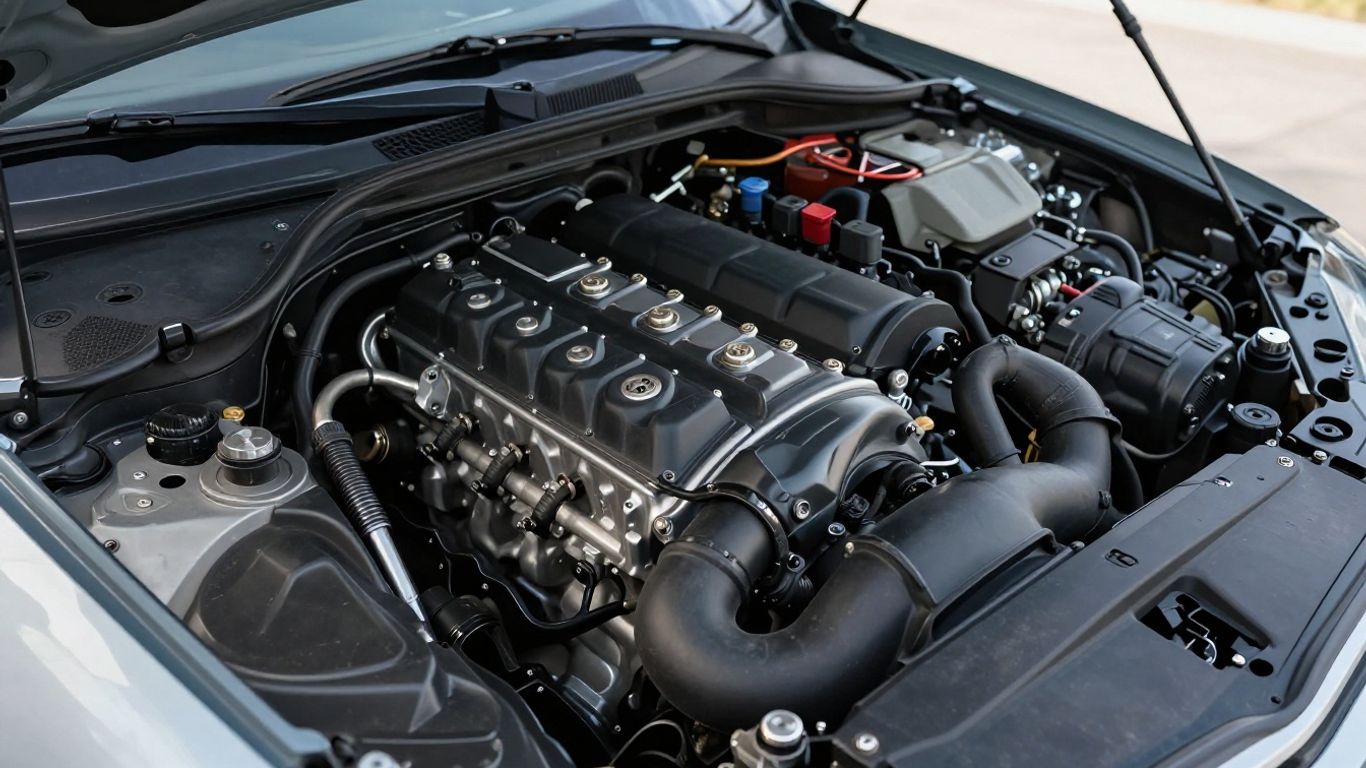
Under the hood, the 3.5-liter engine is known for delivering decent power, but it needs consistent care to maintain its performance levels. Approaching an inspection requires a methodical look at the cooling system, belts, and the transmission behavior during a test drive. You should prioritize these mechanical assessments above cosmetic factors to ensure the car stays on the road.
Checking the 3.5-liter V6 high-output engine
This engine provides a smooth surge of power that defines much of the experience, provided the internal components are healthy. You should look for any signs of oil leaks around the valve covers or front cover during your inspection. A well-maintained engine should idle steadily without irregular fluctuations in the exhaust note or vibrations that suggest poor ignition cycles.
Detecting common transmission issues in the 42LE
The 42LE automatic transmission is a core component, and monitoring its shift quality is the most effective way to gauge its internal health. If you notice delayed engagement or slipping during acceleration, you should proceed with caution regarding the purchase.
| Issue Type | Symptom Description | Recommendation |
|---|---|---|
| Solenoid Pack Failure | Rough or harsh shifts | Professional diagnostic required |
| Fluid Contamination | Dark color or burnt odor | Immediate transmission flush |
| Sensor Malfunction | Erratic gear hunting | Scan for stored fault codes |
Addressing these shifts early is essential for keeping the transmission in good working order for years. Proper fluid levels and clean, clear oil are the best indicators that the previous owner prioritized long-term drivetrain maintenance.
Assessing cooling system health and radiator integrity
Engine longevity is dictated largely by how well the cooling system handles heat, as these engines are sensitive to thermal extremes. You should inspect the radiator for signs of weeping coolant, particularly along the side tanks where plastic seals often develop hairline cracks. Ensuring the auxiliary cooling fan engages as the engine warms up is also a simple but necessary test before concluding your inspection.
Signs of timing belt maintenance neglect
A neglected belt can cause catastrophic internal damage if it snaps while the engine is running at highway speeds. Always ask for service records documenting the last replacement interval for the timing component assembly. If no documentation exists, you should factor the immediate cost of a professional replacement into your overall purchase price to protect the engine.
Evaluating body and chassis condition

While the drivetrain is crucial, the exterior and structural integrity of the chassis define the vehicle’s longevity in harsher climates. You must inspect the underside and hidden panels carefully to ensure you aren’t inheriting hidden corrosion issues. A solid chassis provides the foundation that allows the suspension to function as designed without unwanted rattles or structural flex.
Identifying rust-prone areas on the rocker panels and wheel wells
Corrosion often hides in places where debris and moisture become trapped over many years of driving. You should physically crawl under the car to check inside the lip of the wheel wells and along the bottom edges of the rocker panels behind the plastic cladding. Surface-level bubble formation is a clear sign that deeper oxidation may already be compromising the steel beneath the paint.
Inspecting suspension components and bushings for wear
Driving over uneven pavement will quickly reveal whether the suspension system is tired or still holding its original damping characteristics. Listen for clunks or rhythmic scraping noises that indicate worn-out strut mounts or degraded rubber bushings. Replacing these parts can completely restore the car’s handling, but you should still account for these repairs when negotiating a final price.
Testing the factory self-leveling headlamp system
The unique headlamp design often features complex internal sensors that manage height adjustment based on vehicle attitude. This feature is meant to help maintain visibility without blinding oncoming traffic, but the mechanical parts inside the units can seize up over time.
The self-adjusting mechanism functions by monitoring the position of the chassis relative to the level road surface, ensuring the light projection stays consistent regardless of the vehicle load.
Testing these by loading the trunk with extra weight can reveal if the motors are still responsive. If they fail to compensate for the weight shift, you might be looking at electrical or sensor-level repairs within the housing assembly itself.
Evaluating paint quality and body panel alignment
Look for consistent gaps between the hood, fenders, and doors to determine if the vehicle retains its factory alignment. Mismatched panels or uneven gaps often reflect a history of body repair or minor collisions that were not addressed to official standards. Checking these details helps confirm that the car has been cared for and kept in its intended, original shape.
Interior electronics and comfort features
Inside, the cabin relies on several electronic modules that govern climate, audio, and safety features. You need to test every button and switch, as some proprietary components can be difficult to source as replacements. A clean, functioning interior is often the best indicator of how well the previous owner respected the vehicle throughout its life.
Troubleshooting the automatic climate control unit
The climate control system is complex, utilizing various actuators to direct air to the floor, dash, or defroster vents. You should cycle through every setting during your test drive to ensure the blend door motor operates without clicking or stalling. If the temperature doesn’t change when adjusting the heat dial, it is likely that an internal actuator has failed, which can involve tedious work to replace.
Verifying the functionality of the Infinity audio system
The optional branded audio system usually includes multiple speakers and an amplifier that can experience issues related to wiring or age. Turn the volume to different levels and fade the sound between front and rear channels to hear if any drivers are blown or distorted. Wiring issues near the door hinges are also common, so moving the doors while listening can help determine if there is a loose connection.
Assessing seat motor longevity and heated seat operation
Power seat tracks and heating elements are prone to failure after years of daily use and repeated friction from passengers. Check all directions of the power seat adjustment, including lumbar settings, to confirm every motor is operational. For the heated seats, sit in them long enough to feel the warmth, as elements often burn out or experience localized wire fatigue that breaks the circuit.
Checking the digital trip computer for missing display pixels
The digital overhead console is a classic feature that often succumbs to screen degradation over time. Look closely at the readout for missing lines or segments that make the information unreadable, as this is a common point of aging. While minor, these display issues can be distracting and are often indicative of the general wear state of the vehicle’s electrical connections.
Maintenance and parts availability
Managing an older vehicle requires a balanced approach to repairs, especially when choosing between original factory parts and cheaper aftermarket alternatives. While the platform has a loyal following, keeping it running as a daily driver requires access to reliable parts and knowledgeable assistance. Always weigh the costs of preventive work against the value of the car.
Sourcing OEM versus aftermarket replacement parts
Original parts offer perfect fitment, while some high-quality aftermarket components can offer improved durability for specific high-stress areas. You should compare your options for wear items like brakes, water pumps, and hoses to find a balance that suits your budget. Many parts are shared across the LH platform, which makes finding common maintenance supplies much easier than sourcing rare trim pieces or electronics.
Estimating costs for common preventive maintenance
Planning your budget should include a list of essential fluids and mechanical refresh items that you should address immediately upon acquisition. Investing in a full service, including transmission fluid, coolant, and ignition components, provides a clean slate. Regular oil changes remain the most cost-effective way to preserve the long-term health of the high-output engine.
Finding a specialist mechanic for Chrysler’s LH platform
Not every general garage is familiar with the specific quirks and service procedures required for this generation of sedan. Look for independent shops that have direct experience managing older domestic vehicles or specifically mention the brand’s history. A mechanic who understands the nuances of the electrical bus and transmission controller will save you significant time and repetitive troubleshooting costs.
Utilizing enthusiast forums for diagnostic support and knowledge sharing
Online clubs can be an invaluable resource when you run into obscure issues or need advice on DIY projects. These communities are filled with veteran owners who have already solved most of the problems you might encounter, from common sensor failures to interior trim fixes. Taking the time to search these forums before starting a repair can provide the exact steps needed to handle even complex tasks confidently.
Conclusion
Choosing a Chrysler 300M remains an appealing route for anyone looking to own a car with personality and comfort beyond the average modern sedan. By staying attentive to the engine, transmission, and electrical systems during your search, you can secure a truly capable and enjoyable piece of motoring history. With the right amount of proactive maintenance and support from the enthusiast community, your purchase will surely provide many miles of distinctive driving satisfaction.