Key Takeaways
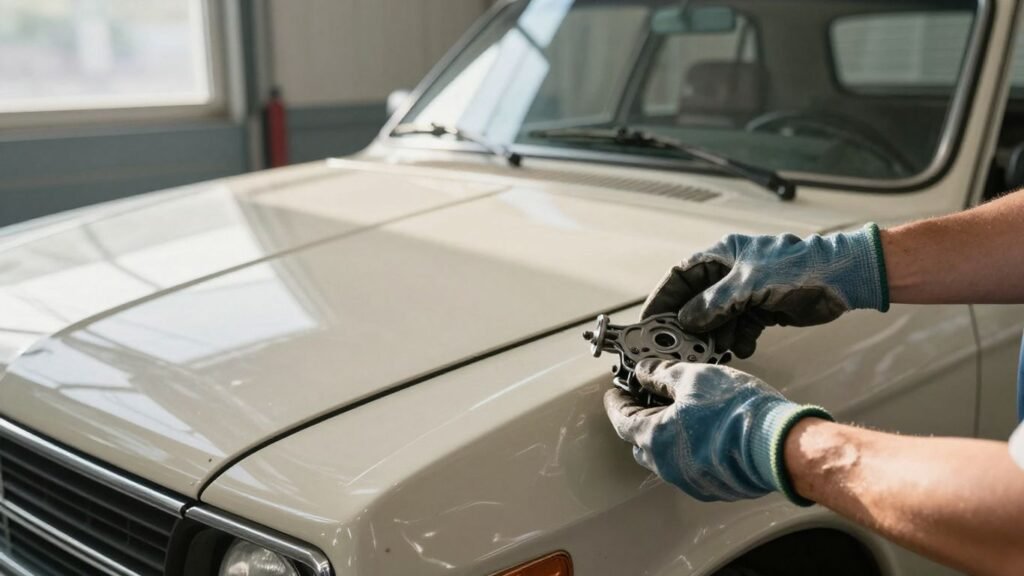
Finding the right components for a budget-friendly repair project often leads enthusiasts to discover the world of reclaimed automotive hardware. These salvaged items provide a sustainable path toward maintaining classic vehicles.
- Quality salvaged components keep retro vehicles on the road.
- Salvage parts offer significant savings compared to new inventory.
- Proper inspection ensures salvaged components meet safety standards.
- Compatibility often extends across specific model production years.
- Professional documentation helps track your long-term repair history.
Understanding the benefits of choosing PT Cruiser recycled parts
Many owners of these distinctive vehicles find that the secondary market provides a lifeline for keeping their cars functional and original. By choosing high-quality reclaimed components, you support a circular economy while managing the specific needs of an aging platform.
Cost-effectiveness compared to new OEM components
Choosing recycled hardware allows owners to bypass the premium pricing often attached to discontinued factory inventory. Many components sourced from retired vehicles function just as reliably as new items, providing a fiscally responsible way to address mechanical needs without exhausting your maintenance budget.
Environmental impact of choosing salvaged automotive parts
By reclaiming materials, you significantly reduce the carbon footprint associated with manufacturing and transporting brand-new automotive hardware. Diverting these functional pieces from the waste stream is a practical exercise in sustainability that benefits your vehicle and the planet simultaneously.
Maintaining the nostalgic value of an aging vehicle
Keeping your car authentic is a priority for many devoted enthusiasts who value the original manufacturer aesthetic. Salvaged trim and instrumentation ensure the interior remains true to its heritage, preserving the unique character that defines this classic design.
Navigating the salvage yard for PT Cruiser components
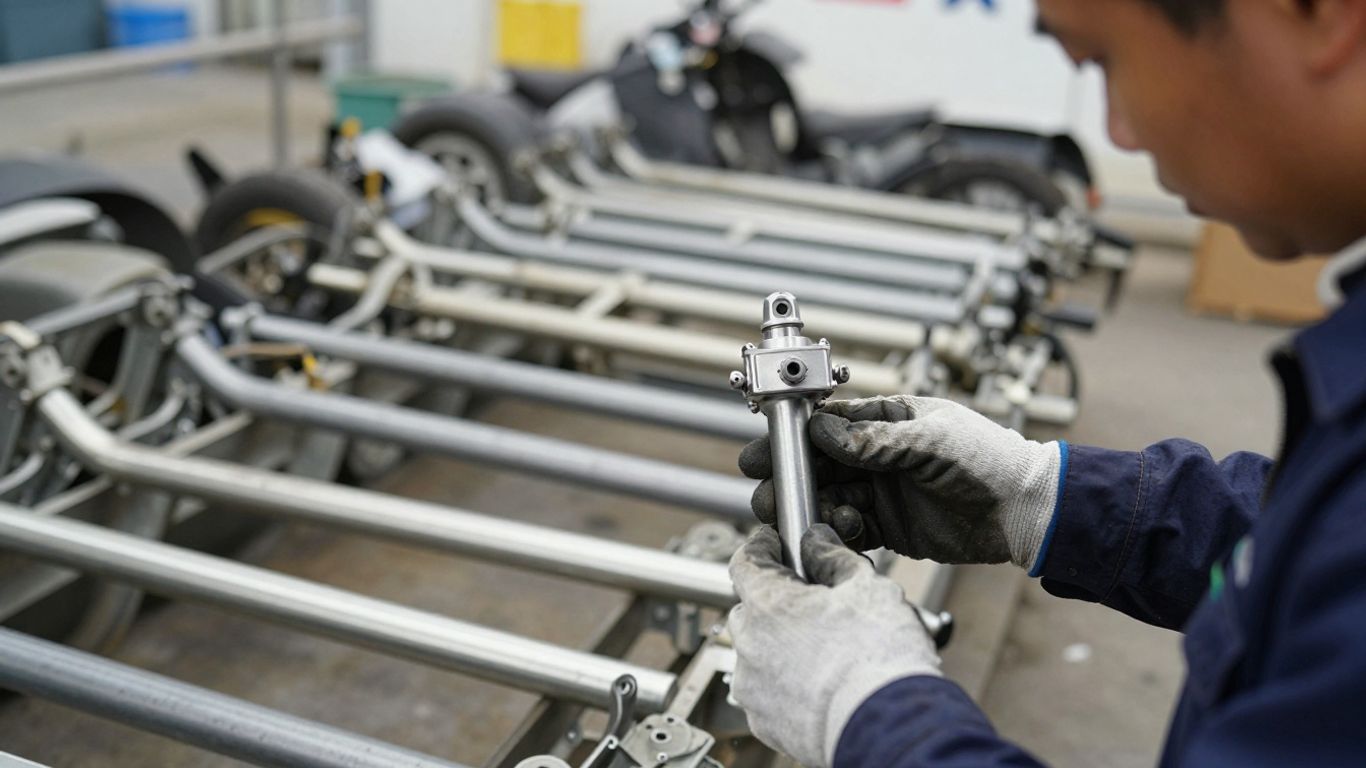
Locating specific items requires careful planning and a bit of patience, especially when dealing with older vehicle architectures. Successful sourcing depends on your ability to verify sources and ensure that the salvaged goods match your specific trim level or engine configuration.
Identifying reliable salvage yards and online recyclers
Finding a reputable supplier often involves checking reviews or contacting local specialists who focus on specific domestic platforms. A well-vetted recycler ensures that the parts you receive have been properly inventoried, tested, and stored effectively prior to sale.
Tips for inspecting mechanical parts before purchase
Before finalizing any acquisition, look for signs of excessive wear, corrosion, or damage to critical interfaces. Taking the time to perform a tactile inspection allows you to judge the structural integrity of the metal and the condition of integrated bushings or mounting points.
Determining the compatibility of parts across model years
Understanding the production timeline is essential for identifying which items match your specific build date. While many elements remain consistent, subtle changes in wiring harnesses or mounting brackets can sometimes vary between production cycles.
Essential tools to bring when pulling your own recycled parts
Equipping yourself with a standard socket set, breaker bar, and penetrating oil is vital when retrieving items from a scrap vehicle. Carrying these tools enables you to remove stubborn fasteners efficiently while protecting the surrounding components from accidental damage during extraction.
Common PT Cruiser systems where recycled parts perform well
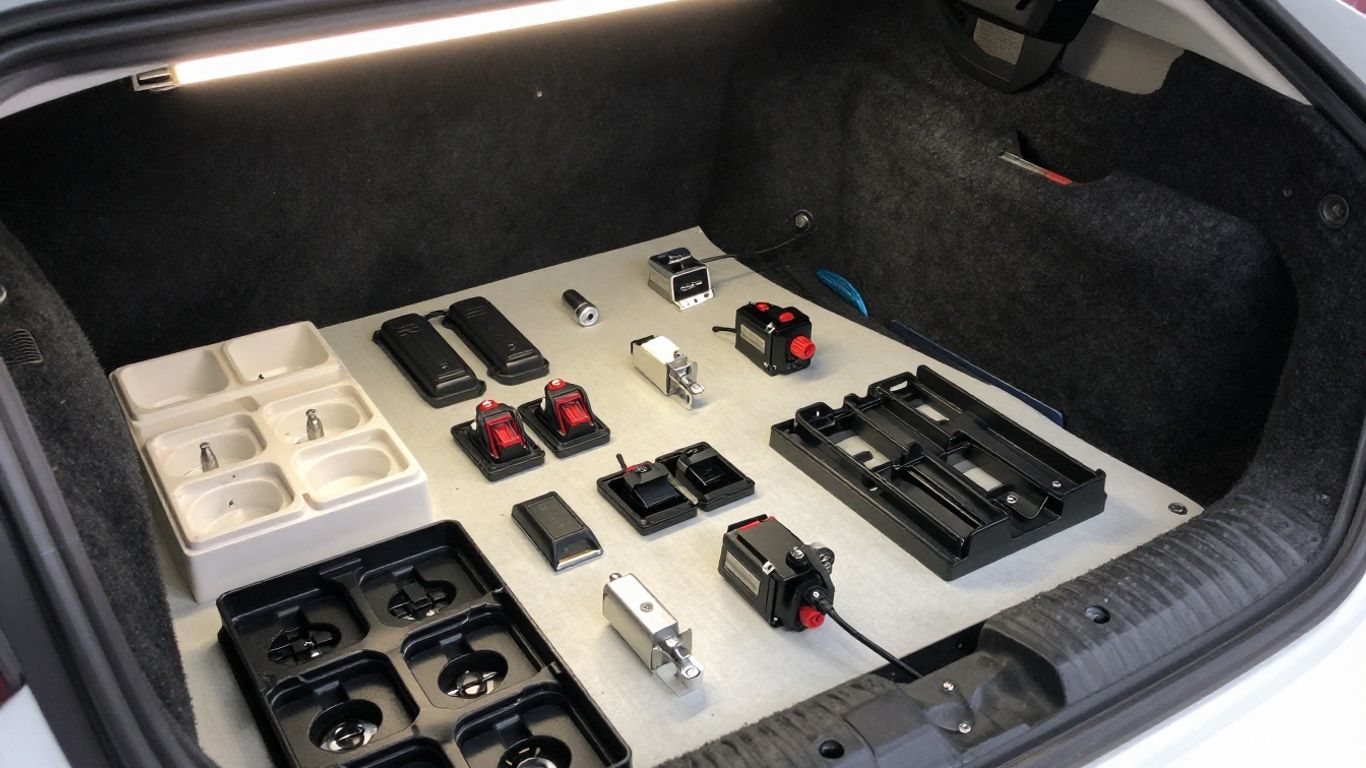
Certain assemblies lend themselves perfectly to recycling due to their durability and design simplicity. Choosing these specific items can streamline your restoration process while ensuring that the vehicle remains both functional and visually authentic.
Interior trim and dashboard instrumentation
Retrieving interior panels, consoles, or gauge clusters is a common practice for those looking to refresh a cluttered or worn cabin. These cosmetic pieces often retain their structural integrity long after the mechanical heart of the vehicle has expired.
| Part Category | Condition Checklist | Relative Value |
|---|---|---|
| Dashboard Trim | Check for cracking | High |
| Center Console | Verify hinge function | Medium |
| Gauge Cluster | Inspect ribbon cables | High |
Carefully evaluating these components ensures that your interior restoration remains durable and aesthetically pleasing for years to come.
Body panels, doors, and exterior lighting fixtures
Exterior skin components are often recovered from light-impact vehicles, meaning the sheet metal or glass remains pristine. These pieces offer an efficient way to resolve minor body damage without the need for expensive new bodywork or paint matching exercises.
Suspension and steering rack assemblies
When sourcing suspension components, focus on items that appear free of fluid leaks and heavy rust accumulation. As noted in industry technical bulletins, the Chrysler PT Cruiser benefits from a robust platform design that allows for the safe reuse of steering rack assemblies when they are thoroughly inspected.
Electrical modules and window switch controls
Electronic modules are often overlooked, yet they can be successfully salvaged to fix non-responsive windows or erratic lighting displays. It is helpful to follow professional guidelines when handling sensitive electronics to avoid static damage during the removal or installation process.
Best practices for installing reclaimed automotive parts
Integrating used components into your daily driver requires methodical preparation to ensure long-term performance. Proper cleaning and verification steps at this stage can prevent common pitfalls that lead to premature component failure.
Cleaning and restoring parts prior to installation
Removing accumulated dirt and grime is not just about aesthetics, as clean contact surfaces improve mechanical efficiency and connectivity. Taking a moment to polish electrical pins or deburr mounting holes ensures a secure fit during the final assembly.
Safety considerations when handling salvage components
Safety protocol dictates that you should always support the vehicle with sturdy jack stands before working beneath it or removing large structural pieces. Protecting Yourself is paramount, so always prioritize the use of eye protection and gloves when handling sharp or degraded material.
Testing electronic parts before finalizing repairs
Before routing cables or securing trim, perform a bench test on modules to verify that they respond to signals as expected. This proactive approach saves significant time, preventing you from having to disassemble your dashboard a second time due to a faulty unit.
When to pair recycled components with new seals or gaskets
Reusing old gaskets frequently leads to leaks, especially when dealing with fluid-carrying systems or high-temperature housings. Installing fresh sealing material alongside your recycled main components is an essential habit that protects your repair investment.
Assessing the longevity and reliability of recycled salvage
Evaluating the lifespan of parts requires looking at the donor vehicle as a historical record of your car’s lineage. Understanding its past performance helps you gauge the remaining utility of the components you intend to install.
Knowing which safety-critical parts should always be bought new
Certain items related to braking, steering linkage, and structural airbags should generally avoid the recycled market to maintain your safety. A reliable rule of thumb is to trust new components where the failure of one small part could jeopardize the entire system.
Interpreting donor vehicle mileage and history
Looking at the odometer of the donor vehicle provides a baseline, though careful observation of its overall condition is equally telling. Some vehicles left in salvage yards due to minor accidents may have had excellent maintenance records, meaning the internal components have plenty of life left.
Warranty options offered by reputable recycled parts dealers
Many established suppliers now provide limited guarantees on mechanical hardware, offering peace of mind that used does not mean unreliable. These warranties typically cover the functional performance of the part for a set duration, which is a great incentive for confidence.
Documenting repairs for future maintenance records
Maintaining a detailed logbook of every component installed helps track the lifecycle of your repair investments. This simple documentation practice proves invaluable whenever you need to revisit a specific module for adjustments or future troubleshooting tasks.
Keeping these records organized ensures that you stay informed about the specific performance history of your vehicle, making every future maintenance interaction smoother and more accurate.
Conclusion
Successfully sourcing and installing PT Cruiser recycled parts allows you to keep your vehicle on the road while respecting your budget and the environment. By carefully inspecting your components, utilizing the right tools, and knowing when to pair used hardware with fresh seals, you can ensure that your car remains a reliable and cherished part of your daily life for many years to come.