
Key Takeaways
Finding the right used parts for your luxury sedan can significantly lower your maintenance expenses while ensuring you reach the same performance standards as factory-new installs. This guide covers how to identify reliable sources and evaluate the components you find.
- Leverage wrecking yards to significantly reduce your repair bills.
- Locate rare components for discontinued model years through professional dismantling services.
- Prioritize environmental sustainability by extending the lifecycle of high-quality automotive parts.
- Always conduct a thorough visual and mechanical inspection before finalizing any purchase decision.
- Understand shipping requirements to prevent damage to heavy assemblies like transmissions or engine blocks.
Understanding the value of Chrysler 300C wrecking yards
Utilizing local or national wrecking yards allows owners to maintain their vehicles without paying premium prices for original equipment manufacturer parts. These specialized facilities act as a repository for high-quality components pulled from end-of-life vehicles. By choosing these cost-effective and sustainable alternatives, you can keep your vehicle on the road for years to come.
Cost savings compared to OEM replacements
Opting for salvaged parts typically results in lower out-of-pocket expenses than ordering direct from a dealership. While factory parts carry significant markups, reclaimed components offer identical functionality at a fraction of the cost, making them ideal for budget-conscious repairs.
Availability of discontinued or hard-to-find components
Even after a manufacturing cycle ends, many specialized parts remain available through inventory held at salvage yards. This access is vital for owners of older luxury models who struggle to find specific trim pieces or unique sensors that are no longer supported by current supply chains.
Sustainability benefits of recycling automotive parts
Automotive recycling reduces the need for raw material extraction and prevents usable steel, aluminum, and electronics from entering landfills. By sourcing from a yard, you actively support a circular economy within the automotive industry, reducing your carbon footprint while maintaining your vehicle’s mechanical integrity.
Identifying high-quality Chrysler 300C wreckers
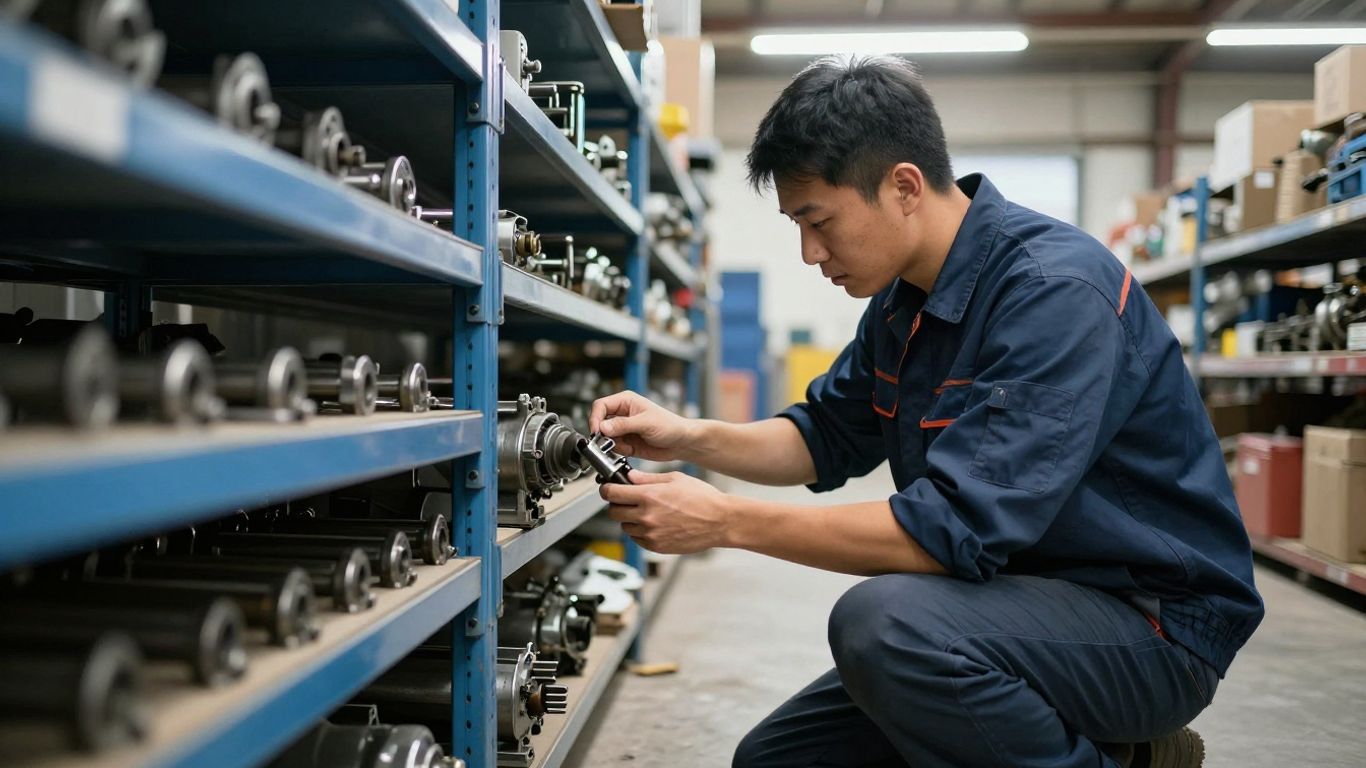
Choosing a reputable supplier is the most critical step in ensuring the parts you receive are functional and safe. Top-tier providers like Auto Plus Wreckers perform systematic disassembly and thorough testing on all incoming stock to verify their condition before they ever reach the sales floor.
Evaluating online reputation and customer reviews
Transparency builds trust, and the best wrecking yards maintain clear records of their service history and client satisfaction. You should look for consistent positive feedback regarding their communication speed and the accuracy of part descriptions provided to customers.
| Feature | Professional Wrecker | Untested Scrapyard |
|---|---|---|
| Component Testing | Complete functional audit | Visual only |
| Returns Offered | Standardized limited policy | As-is sale only |
| History Records | Verified mileage logs | No data available |
Selecting a vendor with robust feedback ensures you have an advocate if the part does not arrive in the expected state.
Checking for professional dismantling certifications
Certification indicates that a facility follows rigorous standards for environmental safety and component handling during the removal process. Professionals treat high-value donor vehicles with care, ensuring that delicate electronics and mechanical systems remain intact throughout the reclamation.
A certified dismantling facility provides greater peace of mind because they document their work and adhere to industry protocols for safety and reliability.
Working with certified organizations usually guarantees a higher level of pre-purchase support and documentation regarding the origin of your parts.
Verifying the range of inventory for specific model years
Specialization matters when searching for parts for complex sedans like the 300C. Successful salvage experts, such as J&J Auto Wrecking, maintain well-organized inventories that span various production cycles, making it easier to track down parts that match your specific vehicle build.
Essential parts to salvage from Chrysler 300C models
Not every part on a vehicle remains in prime condition by the time a donor car reaches a yard, but major assemblies frequently offer excellent value. Focusing on high-demand, mission-critical components is the most efficient way to maximize your investment.
Engine and transmission assemblies
Engine blocks and transmission units are often tested for compression and shift quality before being listed for sale. Many yards providing services similar to Total Parts Plus ensure these large assemblies are drained, cleaned, and properly stored to preserve internal components.
Interior electronics and infotainment systems
Modern sedans rely on complex integrated circuits and infotainment units that can be expensive when purchased new. Salvaging these modules from donor vehicles often restores full cabin functionality without the need for high-end electronic diagnostic costs at authorized service centers.
Exterior body panels and trim accessories
Finding paint-matched body panels or intact exterior trim can drastically simplify cosmetic repairs after minor collisions. When removing these items, professionals ensure that mounting points and clips are handled with care to maintain the factory fitment your vehicle requires.
Inspecting used auto parts before purchase
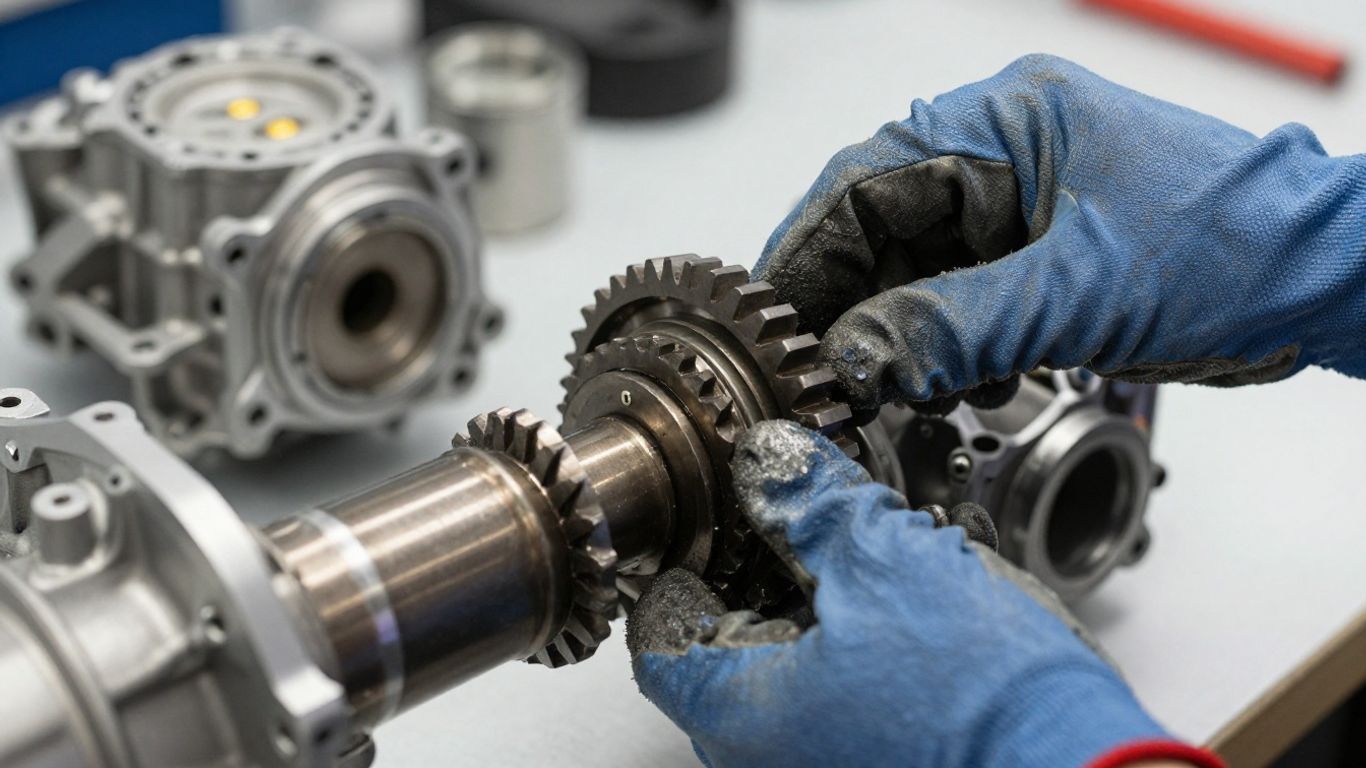
Even with reputable suppliers, a final inspection is a necessary step before installing any salvaged component. You must verify that the item’s physical condition and electrical functionality meet your requirements for safe and reliable long-term use.
Warning signs of excessive wear or structural damage
Look for evidence of heat stress, fluid leaks, or impact damage on the part’s exterior surface. If a component looks like it has been exposed to extreme conditions or shows heavy corrosion, it is best to request another unit from the same inventory.
Testing electrical functionality for sensors and modules
Modern automotive electronics require precise input to function correctly with your car’s main computer system. Verify the integrity of all wiring harnesses and connectors, ensuring that pins are straight and that the housing is free of moisture or environmental residue.
Checking mileage records for mechanical assemblies
Knowing the donor vehicle’s history provides critical context for estimating the remaining lifespan of an engine or transmission. Always request documentation or verify the odometer reading of the vehicle the part originated from to make an informed decision on wear and tear.
Navigating the buying process and warranties
Understanding terms of sale and grading systems prevents surprises when the part finally arrives at your shop. A clear interaction with the sales team, combined with a firm grasp of the warranty details, ensures your project stays on schedule and within your budget.
Understanding standardized parts grading systems
Most reputable yards use a grading scale to classify the life expectancy and condition of their inventory. Familiarity with these industry-standard definitions helps you manage your expectations regarding the visual appearance and mechanical durability of the parts you are acquiring.
Negotiating pricing based on part condition
Be prepared to discuss pricing if the part shows minor non-functional cosmetic blemishes that do not affect its primary operation. Suppliers are often willing to adjust quotes if you are purchasing multiple components or if the item reflects a standard grade that accounts for surface-level imperfections.
Clarifying return policies and limited warranties
Always secure a written summary of the return conditions before finalizing your payment. Even in a salvage environment, quality yards offer limited warranties that protect you if a major component fails shortly after installation or arrives in an unusable state.
Logistics of shipping and transporting heavy salvage
Transporting large items requires coordination between your site, the shipping carrier, and the salvage facility. By planning ahead, you can avoid common issues with freight and ensure that heavy components arrive at your destination safe and ready for installation.
Handling freight requirements for engine blocks
Engine and transmission units require specialized shipping pallets and secure bracing to prevent shifting during transit. Ensure the supplier has the equipment to crate these items securely and that your delivery address can accept commercial freight transport.
Safely packing fragile interior plastic clips and trim
Small, fragile elements need individual wrapping and sturdy boxes to withstand vibrations from road travel. If you are ordering interior panels or trim, communicate with the vendor about using extra padding to protect delicate mounting tabs and surface finishes.
Managing shipping costs for bulk part orders
Consolidating your order into a single shipment frequently results in lower combined delivery fees and simplified tracking. Working with a central supplier allows you to optimize your crate space and significantly reduce your total logistics expenditure compared to ordering items individually.
Conclusion
Successfully sourcing parts from Chrysler 300C wreckers involves balancing your need for performance with the reality of maintaining an older luxury vehicle. By identifying reputable suppliers, carefully inspecting every component, and planning for the logistics of delivery, you can secure quality parts that keep your sedan running smoothly while saving significantly on your total repair costs.