Finding Quality Chrysler Grand Voyager Parts: A Comprehensive Guide
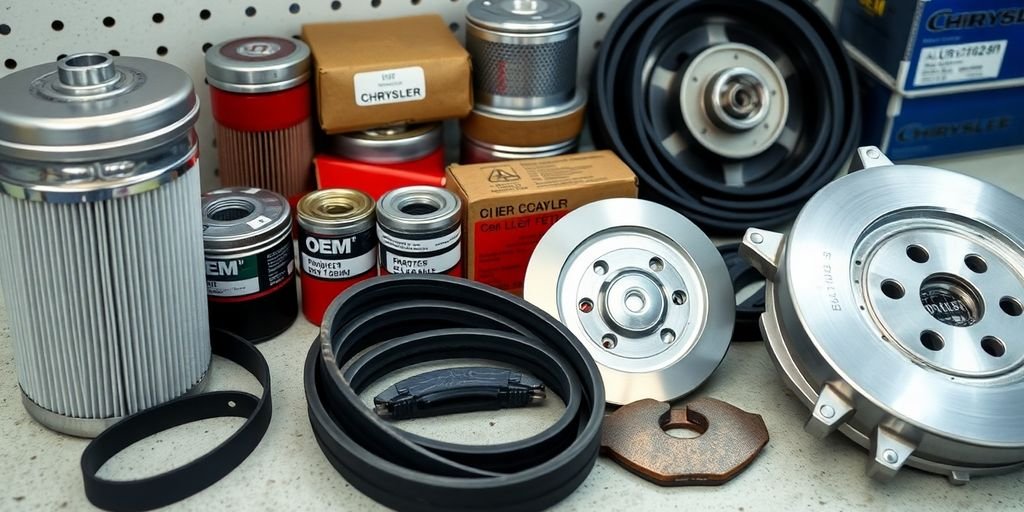
So, you’ve got a Chrysler Grand Voyager, huh? Good choice! These minivans are pretty great for families and getting around. But like any car, they need the right stuff to keep them running well. Finding good Chrysler Grand Voyager parts can feel like a hunt sometimes, but it’s super important for keeping your ride smooth and safe. This guide is all about helping you figure out what parts you need and why using the right ones really matters. Key Takeaways Knowing your Grand Voyager’s usual reliability can help you plan for future maintenance. Using real Chrysler Grand Voyager parts helps your car work like it’s supposed to. A car warranty can save you money on unexpected fixes and give you peace of mind. Regular check-ups with the right parts keep your Grand Voyager in top shape. Always use your car’s VIN or model info to find the exact Chrysler Grand Voyager parts you need. Understanding Chrysler Grand Voyager Reliability Assessing Longevity and Maintenance Needs So, you’re thinking about a Chrysler Grand Voyager, or maybe you already own one. Either way, it’s smart to get a handle on how reliable these vans tend to be. It’s not just about whether it will start every morning, but also about the kinds of repairs you might be looking at down the road. Understanding the typical lifespan and what it takes to keep a Grand Voyager running smoothly is key to avoiding surprises. Interpreting the Reliability Score Reliability scores can be super helpful, but it’s important to know what they actually mean. These scores usually take into account things like how often repairs are needed and how much those repairs cost on average. A higher score generally means fewer problems and lower repair bills. But remember, these scores are just averages. Your experience might be better or worse depending on how well you maintain your van and just plain luck. Informed Decisions for Owners Knowing about the Grand Voyager’s reliability helps you make smart choices. If you’re buying used, you’ll know what to look for during the inspection. If you already own one, you can plan for upcoming maintenance and repairs. Plus, understanding the common issues can help you spot problems early, before they turn into big, expensive headaches. It’s always a good idea to keep up with regular maintenance, no matter how reliable your vehicle is supposed to be. Oil changes, tire rotations, and checking fluids can go a long way in preventing major problems and extending the life of your Grand Voyager. The Importance of Genuine Chrysler Grand Voyager Parts Ensuring Optimal Performance and Reliability Using real Chrysler parts is a big deal if you want your Grand Voyager to run well and last. Aftermarket parts might seem cheaper, but they often don’t measure up in the long run. Genuine parts are made to fit perfectly and work seamlessly with your van’s systems. This means fewer problems down the road and a smoother ride overall. I remember when I tried to save a few bucks on a generic sensor for my old car, and it caused nothing but headaches. Lesson learned – sometimes, it’s worth spending a bit more for the right part. Benefits of Using Original Equipment Parts Original Equipment Manufacturer (OEM) parts come with a bunch of perks. For starters, they’re made to the exact specs of your Grand Voyager. This means they fit right the first time, which can save you time and money on labor. Plus, OEM parts usually come with a warranty, so you’re covered if something goes wrong. Think about it like this: you wouldn’t put just any old battery in your phone, would you? You’d want one that’s designed for it. Same goes for your van. Accessing the Official Chrysler Parts Catalog Finding the right parts doesn’t have to be a pain. Chrysler has an official parts catalog that you can access online or through your local dealer. You can search by your Vehicle Identification Number (VIN) or by the year and model of your Grand Voyager. This helps you make sure you’re getting the exact part you need. I’ve used the online catalog a few times, and it’s pretty straightforward. Just double-check the part number before you order to avoid any mix-ups. Using genuine Chrysler parts isn’t just about keeping your van running; it’s about protecting your investment. These parts are designed to work together, which can help prevent bigger problems down the road. Plus, using OEM parts can help maintain your van’s resale value. Why a Car Warranty Benefits Chrysler Grand Voyager Owners Financial Protection Against Unexpected Repairs Let’s face it, owning a car can be expensive, and the Chrysler Grand Voyager is no exception. Things break, and repairs can really put a dent in your wallet. A car warranty acts like a safety net, shielding you from those unexpected, high-cost repair bills. It’s like having a backup plan for when your Voyager decides to throw you a curveball. Access to Quality Certified Repairs When something goes wrong with your Grand Voyager, you want to make sure it’s fixed right. A good warranty often gives you access to a network of certified repair shops. This means qualified technicians using the right tools and parts will work on your vehicle. You won’t have to worry about some random mechanic messing things up even more. It’s all about getting the job done correctly the first time. Enhancing Resale Value and Peace of Mind Thinking about selling your Grand Voyager down the road? A car warranty can actually make it more attractive to potential buyers. It shows that the vehicle has been taken care of and that they won’t be stuck with a bunch of repair costs right away. Plus, knowing you’re covered for potential issues just gives you peace of mind while you’re driving. No more stressing about every little noise or weird feeling – you’re protected! A car warranty isn’t just about the money; it’s about the security of knowing you’re covered. It’s