Key Takeaways
Sourcing reliable components for a vehicle repair project requires careful planning and thorough evaluation of both the parts and the suppliers involved. The following points summarize the essential steps for acquiring pre-owned vehicle components effectively.
- Accurately identify your vehicle’s specific trim level and year before searching for components.
- Always consult an expert to determine if a chosen part is safe to reuse or if it requires a new OEM replacement.
- Utilize both local salvage yard resources and online platforms to find the most competitive pricing.
- Conduct a physical inspection of parts to detect rust, corrosion, or signs of excessive fatigue.
- Keep detailed records of your purchases and warranties to ensure you have a path for resolution if a part arrives defective.
Understanding your Chrysler Sebring parts needs
Maintaining a reliable vehicle requires a clear understanding of the specific components needed to restore performance. Before reaching out to collectors or suppliers, verify the exact configuration of your vehicle to avoid costly mistakes. Researching these requirements early in the process ensures that the repair project remains manageable and within your intended budget.
Identifying the specific model year and trim
Every vehicle series underwent subtle design changes throughout its production lifecycle that influence part compatibility. Reviewing your vehicle’s identification plate helps pinpoint the exact manufacturing window for your specific sedan or convertible. Discrepancies in production months can occasionally lead to minor differences in mounting points or connector types, so verify these details before making any commitments.
Determining if the part is safety-critical
Certain items related to braking, steering, and structural integrity are best purchased new, while others remain perfect for reuse. A critical review of your repair scope helps you distinguish between items that are safe to source from a recycler and those that require factory-new components for your personal protection. Prioritizing safety during this phase is the most responsible way to handle any automotive project.
Researching exact OEM part numbers
Cross-referencing your VIN with specific diagrams is the most effective approach to confirm you are sourcing the identical hardware. Using digital catalogs helps eliminate guesswork by confirming that the replacement matches the original dimensions and electronic requirements. Many reputable resources like Jim’s Auto Salvage can often assist in identifying these precise match-ups based on your vehicle history.
Assessing professional labor requirements for installation
Some engine and body components involve intricate assembly work that may exceed standard DIY capabilities. Before purchasing, verify whether the installation requires specialized diagnostic equipment or heavy-duty lifts to ensure the part is seated correctly. Professional feedback often clarifies if a used part is truly a cost-effective solution compared to a new assembly.
Finding a professional who is experienced with this vehicle’s specific layout can save considerable effort during the final installation phase, especially if specialized tools are required for the job.
Experienced technicians can often provide guidance on whether a reused component will integrate smoothly with the existing harness or mounting system of your car.
Where to find quality Chrysler Sebring used parts
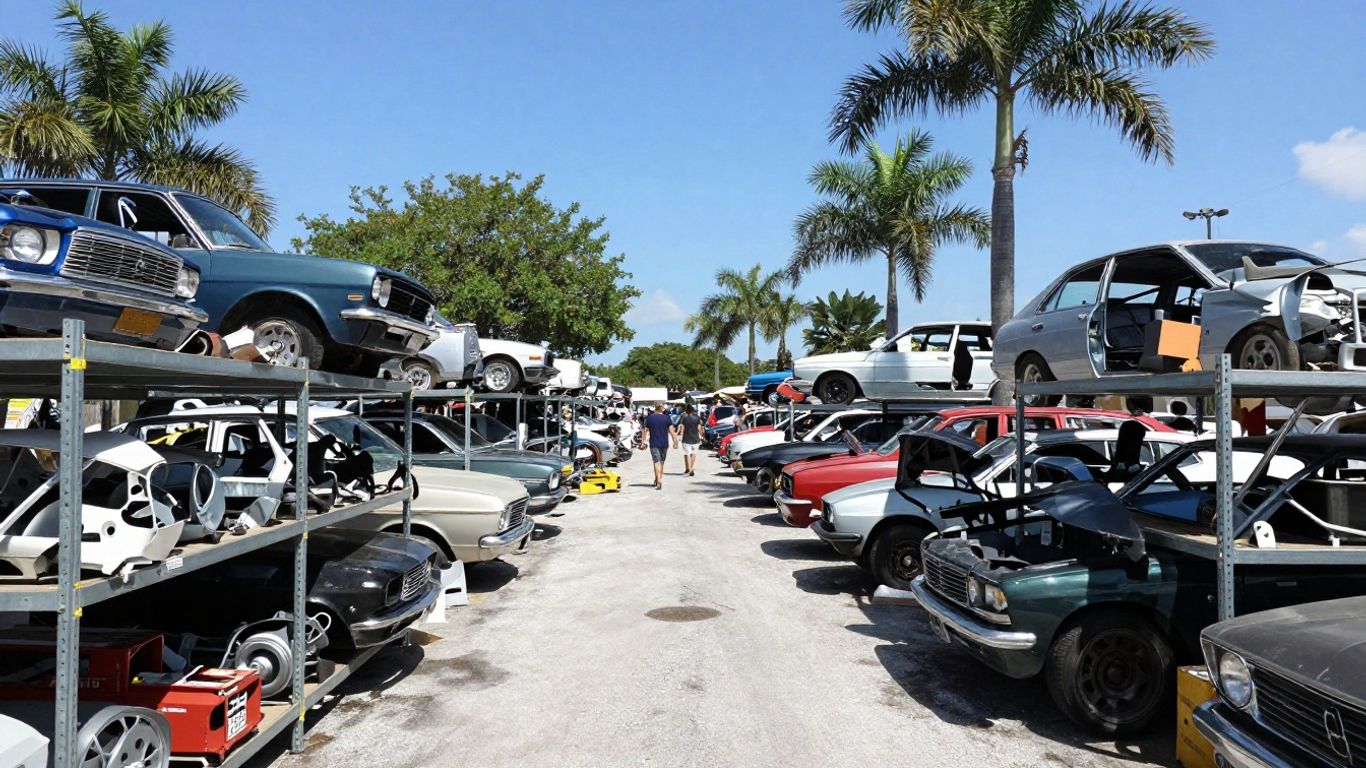
Finding the right parts involves exploring a variety of reliable supply chains ranging from local lots to digital marketplaces. Each source provides unique advantages, such as immediate availability or access to a wider inventory of rare parts. Balancing these options allows you to find quality components that fit your repair needs without overextending your resources.
Local salvage yards in Sebring, Florida
Visiting nearby facilities allows for a direct inspection of inventory and often eliminates the need for expensive shipping on bulky items. These yards are frequently staffed by personnel who can provide context on the history of the donor vehicle. Establishing a relationship with local providers means you have a direct point of contact for questions about part stock and availability.
Online automotive recycling databases
Digital marketplaces aggregate inventory from hundreds of recycling facilities, giving you access to parts that might not be available in your immediate region. These platforms allow for advanced filtering by model year and specific component type to narrow down your search efficiently. Using these tools, you can compare multiple listings to find the most competitive pricing currently available on the market.
Private seller marketplaces and social media forums
These platforms can be excellent resources for finding enthusiasts who are liquidating projects or parting out donor cars. While these deals may offer lower costs, they require higher levels of diligence regarding the condition and history of the item being sold. Verifying the reputation of the seller through community feedback is a wise move when dealing with individual contributors.
Specialized Chrysler vehicle dismantling services
Working with companies that focus exclusively on one manufacturer can provide a higher level of technical support and part accuracy. These specialists maintain deep knowledge of common failure points and have likely inspected the internal condition of their inventory before listing it for sale. Their focused expertise can act as a helpful filter when searching for reliable, pre-tested recycled components.
Evaluating the condition of used components
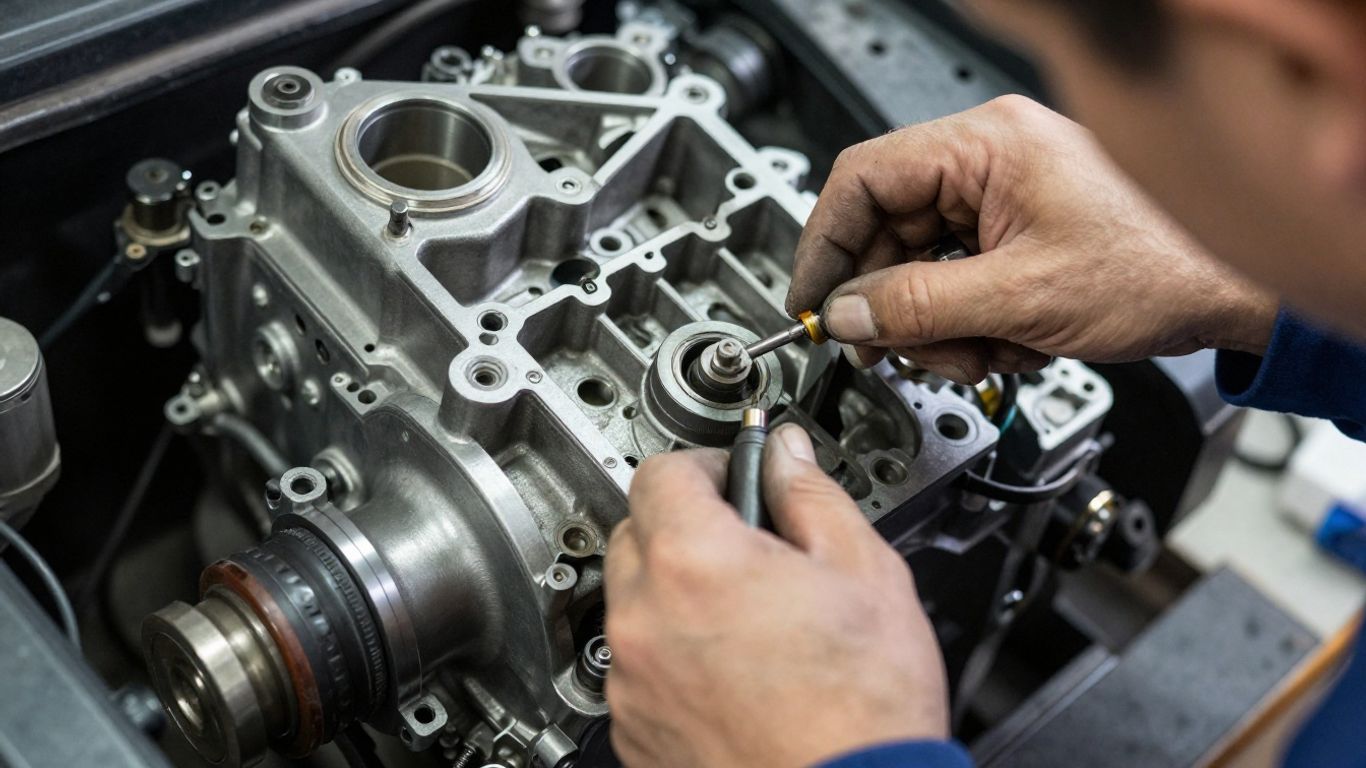
Conducting a thorough evaluation of any item before installation is essential to avoiding premature failure or recurring maintenance issues. Assessing a part requires looking beyond the outer aesthetic to determine exactly what kind of stress the internal mechanisms have endured. A logical approach to physical inspection ensures your replacement part will perform reliably for many miles to come.
Inspecting for structural rust or chemical corrosion
Environmental exposure can compromise the base materials of many vehicle components, particularly those located near the undercarriage. Surface rust is often a cosmetic issue, but deep pitting or structural flaking indicates that the metal has lost its original integrity. Careful scrutiny of every mounting flange and seam helps you identify components that have not been weakened by long-term oxidation.
Checking mileage and visible wear indicators
Mechanical parts often show predictable signs of age that correlate with the duration of their previous service. You can assess whether a component is nearing the end of its useful life by examining common wear points like rubber seals or contact surfaces for excessive degradation.
| Component Category | Expected Lifespan | Wear Inspection Tip |
|---|---|---|
| Suspension | 80k-100k miles | Check for torn rubber |
| Alternator | 100k-150k miles | Spin bearing for noise |
| Plastic Trims | Lifetime | Inspect surface fading |
Comparing these indicators to your current component needs provides a helpful baseline for your purchasing decision.
Verifying functionality before completing the transaction
When buying parts that involve electrical or moving systems, observing the item in a bench test or reviewing a video of the part operating can provide peace of mind. Some retailers, such as Advance Auto Parts, may offer assistance with basic diagnostic scanning, which can help confirm that a sensor or control module is outputting the correct signals before you finalize a purchase.
Requesting high-resolution photos of the specific part
Never rely on generic stock images, as they do not reflect the actual condition of the specific piece you will receive. Requesting multiple clear angles, including close-ups of delicate pins or wear surfaces, allows you to conduct a virtual inspection from your home. This level of transparency protects you from surprises and confirms the part is consistent with the seller’s description.
Managing shipping or local pickup logistics
Transporting used parts requires careful preparation to ensure they arrive in the same condition as when they were purchased. Whether you are shipping an engine block or picking up body panels, the logistics of movement dictate the success of the delivery. Proper planning prevents the inevitable stress of damaged components or stalled schedules.
Assessing weight and oversized item shipping surcharges
Large metal assemblies and heavy exterior panels often incur higher costs due to their bulk and handling requirements. It is important to calculate the total cost including freight early, as high shipping fees can sometimes negate the savings found on the part itself. Some sellers offer professional crating services that, while an added expense, provide the security needed for delicate or heavy freight items.
Preparing transport tools for local part removal
If you are traveling to a salvage site, bring the appropriate loading gear to ensure you can maneuver the item safely into your vehicle. Basics like moving blankets, strong straps, and a basic tool kit allow you to secure items effectively during the trip back home. Planning this in advance prevents the risk of the part shifting and damaging your vehicle’s interior or the component itself.
Packaging requirements for fragile or electronic components
Electronic modules and delicate housings require extra care to prevent physical or static damage during transit. Using ample bubble wrap, conductive-safe materials, and double-walled boxes is highly recommended if you are opting for standard carrier shipping. Protecting the item from vibration is the primary goal to ensure the internal circuitry remains untouched by the journey.
Coordinating pickup times with salvage yard staff
Salvage yards are often busy environments with moving machinery, so scheduling your arrival avoids unnecessary waits. Calling ahead allows the team to have the part ready on a staging area, ensuring you aren’t waiting on personnel to finish other duties while you try to navigate your day. Clear communication about your arrival time makes the entire process faster and safer for everyone involved.
Understanding warranties and return policies
Before finalizing the exchange of funds, confirm exactly what coverage is provided if the part happens to fail upon installation. Understanding the difference between a dealer-guaranteed item and a private sale is vital for managing your expectations effectively. Clarity in these documents ensures that you aren’t left with an unusable part if complications arise.
Asking for a standard performance guarantee
Reputable sellers typically outline a specific window for returns or replacements if an item does not meet basic performance standards. Always confirm that this guarantee is provided in writing on the receipt, as verbal promises are often difficult to enforce later. A clear policy serves as a safety net for your investment, providing the confidence that you are not solely responsible for a hidden mechanical defect.
Navigating common non-refundable policies for electrical units
Many suppliers maintain strict rules regarding sensors or electronic modules due to the risk of damage during improper installation. Because these units can be sensitive to voltage fluctuations, sellers often require verification that your vehicle’s charging system is healthy before they will accept a return. Recognizing these constraints early prevents frustration if you decide to replace a module that ultimately turns out to be functional.
Maintaining documentation for potential part exchanges
Keep your receipts, warranty slips, and digital photos of the part organized as soon as the transaction is complete. These documents are the primary evidence required by any recycling center to process a return or an exchange request. Maintaining this folder ensures that even if you have a discrepancy, you have a straightforward process to find a resolution without unnecessary delays.
Recognizing the difference between ‘as-is’ and ‘tested’ items
Labels describing an item’s condition carry significant implications for your rights as a buyer after the sale. An "as-is" item represents a standard transaction where you accept the risks of the part’s state, whereas a "tested" part typically includes a limited guarantee of core functionality. Knowing which category your part falls into allows you to adjust your risk management and inspection efforts appropriately.
Conclusion
Successfully sourcing parts for a vehicle requires balancing careful research with effective logistics and clear expectations. By prioritizing quality, verifying conditions thoroughly, and maintaining good records, you transform the process of finding used components into a manageable and rewarding endeavor. Applying these disciplined habits will keep your vehicle performing reliably while preserving your long-term investment in your transportation.