
Key Takeaways
Maintaining the structural and mechanical integrity of your vehicle requires diligent part selection and consistent service routines. This guide helps owners of the station wagon version navigate repairs with confidence.
- Pinpointing your engine variant is essential for correct parts matching.
- Distinguishing between factory originals and performance upgrades affects long-term ownership.
- Specialized body parts require verifyable platform-specific fitment criteria.
- Sourcing from reputable databases prevents the common issue of mismatched secondary components.
- Adhering to a strict maintenance schedule preserves both functionality and vehicle value.
Understanding parts compatibility for the Chrysler 300C Touring
Navigating the distinct requirements of your station wagon starts with understanding its underlying architecture. Because this model shares its chassis with several other vehicles, verifying compatibility before purchasing is fundamental. Careful research into the specific build date and engine type ensures that your chosen components integrate seamlessly and provide the necessary function for your daily drives.
Identifying your specific engine variant
Your vehicle was manufactured with several distinct engine options ranging from V6 powerplants to high-output HEMI units. Each engine requires specific oil filters, spark plugs, and intake gaskets that are not always interchangeable across the different displacements. You should always cross-reference your engine serial numbers against the manufacturer catalog to avoid ordering components designed for a different powertrain.
Differentiating between OEM and aftermarket components
Choosing between original equipment parts and aftermarket alternatives involves considering your goals for the vehicle’s longevity. Factory-issued parts are designed to support long-term reliability and performance by matching the exact specifications used during factory assembly. While aftermarket options often provide cost savings or increased performance, they occasionally require custom adjustments or different hardware than the original factory setup.
Sourcing parts specific to the station wagon body style
While the front-end components often mirror the sedan, the rear sections of the touring model are unique. When searching for bumpers, trunk plastics, or interior cargo area trim, you must filter by the station wagon body code rather than generic model names. Always confirm the specific wheel well and bumper dimensions before placing an order to ensure the parts arrive ready for assembly.
Common replacement parts for long-term reliability
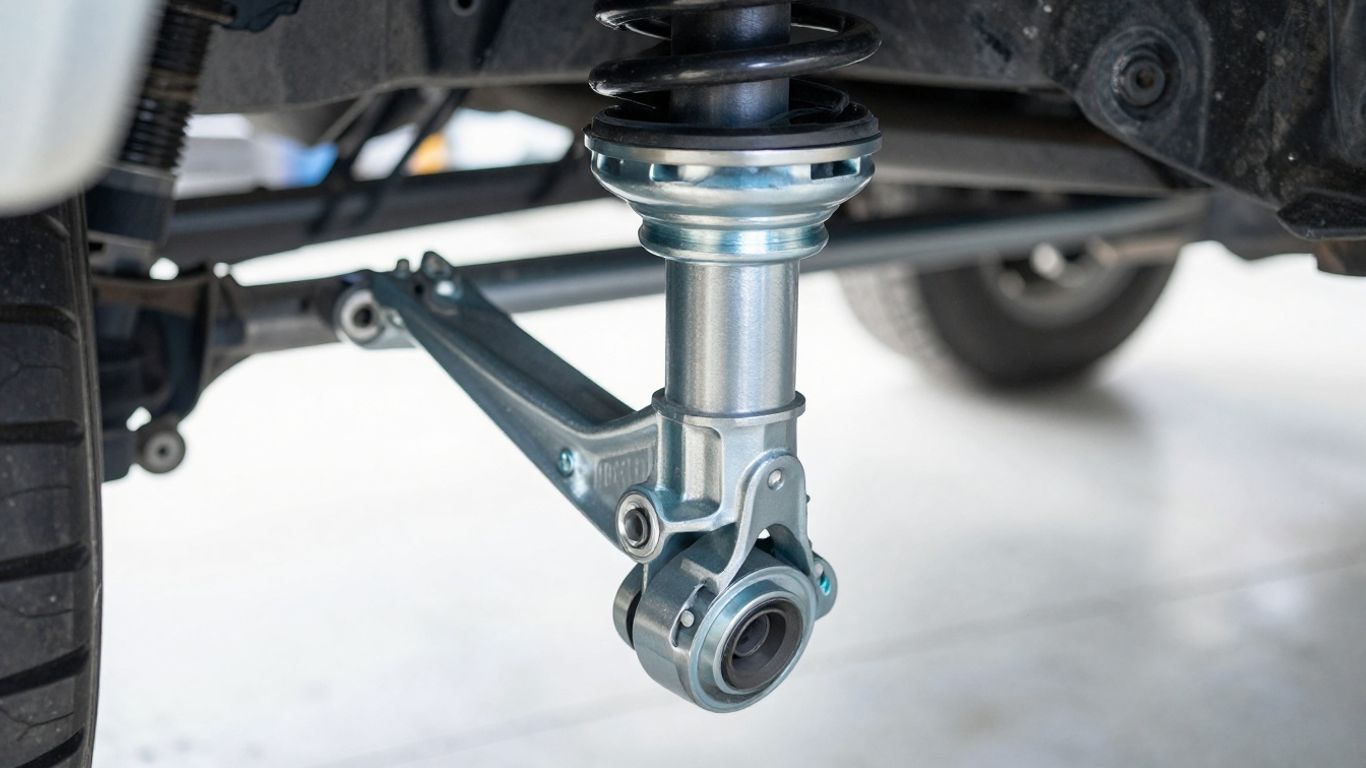
Keeping such a robust vehicle on the road often implies managing wear-and-tear items that naturally degrade over high mileage. Focusing your efforts on these high-stress zones prevents cascading failures that could impact other systems. Periodic inspections of these areas provide an opportunity to replace tired metal with fresh, durable alternatives.
Suspension components and control arms
The suspension system carries the weight of the vehicle and manages road inconsistencies that lead to worn rubber bushings and ball joints. Early signs of trouble include clunking sounds during turns or uneven tire tread wear patterns. Replacing control arms as a complete assembly is often more effective than attempting to press out individual bushings, as it addresses all potential points of fatigue simultaneously.
Engine cooling system and radiator maintenance
Cooling systems operate under extreme pressure and temperature cycles that inevitably fatigue plastic end tanks and rubber hoses over time. Proactive replacement of the thermostat and coolant recovery bottle ensures that the engine stays within its designed temperature window. Using high-quality Mopar coolant is recommended to maintain the chemical balance required for the aluminum components found within these radiators.
Braking system upgrades and pad selection
Providing enough stopping power requires a balance between pad compound and rotor durability. Owners often look for upgrades to improve pedal feel and reduce brake dust during regular city use. The following table highlights common choices for brake system enhancements that align with daily driving and spirited road use.
| Brake Modification | Primary Benefit | Typical Application |
|---|---|---|
| Ceramic Brake Pads | Lower dust production | Daily driver usage |
| High-Carbon Rotors | Reduced thermal warping | Spirited road driving |
| Stainless Steel Lines | Firmer pedal feedback | Performance street setup |
Selecting the right combination ensures that your vehicle comes to a stop effectively under varying load conditions. Always pair your new pads with high-quality lubricants on the sliding pins to ensure even retraction.
Electrical system sensors and control modules
Modern aging vehicles often suffer from failed sensors that cause phantom errors or erratic engine behavior. Critical sensors like oxygen monitors and mass airflow sensors should be replaced if they start providing inconsistent voltage readings. When dealing with complex digital modules, it is often best to keep the system as close to factory standards as possible to ensure full feature integration.
Upgrading the exterior and interior aesthetics

Visual updates can drastically change how a vehicle feels without requiring extensive structural modification. When selecting cosmetic parts, focus on materials that match the original manufacturing quality to maintain the cohesive look of the cabin and body. These changes provide the most immediate satisfaction for owners looking to refresh their older daily driver.
Aesthetic body kits and grille configurations
Updated grilles or exterior trim pieces can provide a modern, cleaned-up look to the front fascia of your vehicle. Ensure that any body kit or trim piece you choose is designed specifically to attach to the original mounting points of your bumper. Using parts that allow for plug-and-play installation avoids unnecessary drilling or modifications into the existing frame.
Interior trim and upholstery replacement parts
Updating the tactile surfaces of the interior, such as steering wheels or gear shift knobs, makes the vehicle feel significantly newer inside. If your upholstery is showing signs of neglect, high-quality replacement headliners or center console covers can transform the atmosphere of the cockpit. Focus on matching the texture and color temperature of the factory trim to ensure the new parts blend perfectly with the older remaining materials.
Lighting upgrades and LED conversion kits
Changing to LED technology provides higher visibility and a modern aesthetic without requiring significant electrical re-wiring. If you choose to upgrade your lighting, be aware of the need for load resistors to prevent flickering or common warning lamps on the dashboard. Properly aligned lights ensure you see further down the road while being considerate of other drivers.
Alloy wheel fitment and tire specifications
Selecting wheels involves more than visual preference, as the offset and width must conform to your vehicle’s fender clearance. Matching your tires to the specific speed and weight rating of the wagon is crucial for safe handling and braking. Always check the load index and speed rating of any new tires to ensure they meet or exceed the original requirements set by the manufacturer.
Where and how to source high-quality components
Finding the right parts requires accessing reliable databases rather than browsing generic inventory listings. When a vehicle requires specific technical parts, the accuracy of the catalog is just as important as the piece itself. Dedicated resources provide the confidence you need when ordering complex mechanical or electrical assemblies online.
Benefits of purchasing genuine Mopar parts
Genuine Mopar components are manufactured to the strict engineering standards established for your vehicle’s factory assembly. Using these parts guarantees that all tolerances and material specifications are met perfectly without the guesswork involved in trial-and-error installations. This consistency is the foundation for a vehicle that remains reliable over many years and thousands of miles of operation.
Navigating aftermarket forums and specialized retailers
Specialized retailers often stock hard-to-find components that have been discontinued by the main manufacturer. Becoming a regular reader on automotive fan forums allows you to see which suppliers are favored by the community for their build quality and fast shipping. These community members often share specific success stories regarding the parts they have installed on their own vehicles.
Checking part numbers and using VIN-specific cataloging
Whenever possible, use your vehicle’s unique VIN when searching for parts in a digital catalog. This is the only way to guarantee that you have identified the exact sub-variant required for your specific production month. If a part number is available from your service manual, use that as your primary search filter rather than just category descriptions.
Evaluating seller ratings and warranty coverage
Before ordering, examine the return policy and warranty support offered by the individual seller. Established retailers that specialize in automotive repair parts usually provide clearer product descriptions and better support if a part is damaged during transit. Ensure that the business provides a clear warranty commitment, which offers peace of mind whenever you make a significant purchase.
Installation and maintenance best practices
A methodical approach to every repair minimizes the risk of mistakes and ensures that each bolt is tightened to the correct specification for safe operation on the road.
Properly managing your repairs involves knowing the limitations of a standard garage environment. Taking the time to prep your workspace and organize your tools makes the overall task significantly more enjoyable. Following established procedures transforms a complex repair into a sequence of small, manageable steps that you can complete at your own pace.
Evaluating the difficulty level of common DIY repairs
Before attempting any work, assess whether the job requires specialized tools like high-torque impact guns or chassis alignment equipment. Simple tasks such as sensor swaps or cabin filter replacements are perfect for beginner mechanics, while suspension rebuilds require a much higher degree of technical knowledge. Always review a repair guide or video before lifting your vehicle to ensure you have the necessary supplies at hand.
Recognizing when to seek professional workshop assistance
Some repairs involve systems that act as critical safety components, such as power steering racks or intricate anti-lock braking sensors. If a task involves complex computer coding for a new control module, seeking a professional with access to factory-grade diagnostic software is the safest path. A certified repair shop can perform these tasks quickly and provide a warranty on their labor.
Creating a maintenance schedule for aging vehicles
Regular care is the best way to prevent unexpected breakdowns on the highway. Developing a routine timeline for fluid changes, tire rotations, and battery inspections keeps every system operating efficiently year after year. Keeping a written history of all repairs performed helps you keep track of when components were replaced and when the next check is due.
Storing and preserving spare parts for future use
If you find a good deal on rare components, store them in a climate-controlled, dry environment away from direct sunlight. Protecting sensitive parts from corrosion is key to ensuring they are still in good condition when the time comes to finally install them. Labeling these items with the date of purchase and the specific vehicle model helps you stay organized within your home storage area.
Conclusion
With careful planning and a disciplined approach to sourcing, keeping your station wagon in top shape is a very achievable goal. By relying on confirmed part numbers and high-quality replacements, you ensure that your vehicle remains as dependable as it was when it first left the assembly line.