cw-check-https://test.com/
cw-check https://test.com

Your blog category

Key Takeaways Transitioning to a new steering wheel can significantly refresh your vehicle’s interior feel and functionality. Understanding the nuances of procurement and assembly is critical for a safe, successful project. Evaluate used steering wheel leather and switch integrity before committing to a purchase. Leverage salvage yards and specialized Mopar dismantlers for the best inventory variety. Verify part number compatibility to ensure your new wheel matches your vehicle’s trim level. Always disconnect the negative battery cable to prevent accidental airbag deployment during removal. Use a calibrated torque wrench to ensure every fastener meets manufacturer specifications for safety. Evaluating the condition of used Chrysler steering wheels Assessing the state of a pre-owned steering wheel prevents the frustration of installing a component that lacks aesthetic charm or electrical reliability. Taking a careful look at the hardware provides a clear picture of its remaining service life, ensuring you avoid components that have been subjected to excessive environmental degradation or poor handling. By following a rigorous inspection methodology, you ensure the condition of the steering components matches your quality standards. Inspecting leather wear and stitching integrity Examine the leather surfaces for signs of cracking, peeling, or heavy discoloration caused by long-term sun exposure. Feel the seams to ensure the stitching remains intact and has not frayed, as loose threads can indicate previous attempts at repair or heavy usage that compromises the structural aesthetic. Checking for structural damage on the metal frame Look behind the wheel to identify any bends or deep gouges in the metal armature, especially near mounting points. A warped core may cause vibration or misalignment, potentially leading to premature wear on internal steering column bearings. Verifying switch functionality and wiring harness condition Inspect the back of the switch modules to ensure the plastic housings reside firmly in place without cracks. Check the connector pins for signs of corrosion or melting, as these pathways carry critical signals for audio and cruise control systems consistently. Testing the clock spring alignment and internal mechanism Ensure that the central clock spring carrier does not rotate freely without resistance, which often signals an internal break or damaged tensioner. Smooth, consistent movement is a primary indicator that the internal rotary sensor will function correctly upon final assembly. Where to source authentic Chrysler steering components Finding high-quality steering wheels requires exploring diverse inventory channels to match your specific interior configuration. Whether you are seeking a rare trim option or a standard replacement, balancing cost and part condition is vital. Reliable sourcing reduces the risk of receiving damaged components that are unfit for service. Scouring local auto salvage yards for pull-off parts Visiting nearby reclamation centers offers the advantage of immediate inspection, allowing you to touch the materials before purchase. These facilities often provide a budget-friendly way to secure factory components that have been recently harvested from donor vehicles. Utilizing online automotive marketplaces and auction sites Digital platforms provide a wider geographic reach, which is particularly helpful if your local search yields limited results. Carefully review high-resolution images and listing descriptions to identify potential flaws that might not be obvious to the casual observer. Identifying reputable Mopar parts dismantlers Dedicated specialists usually maintain a cleaner, more organized inventory than general salvage operations. These vendors often perform a basic verification of functionality before listing the items, which provides a layer of security when sourcing complex electrical components. Confirming OEM part numbers before finalizing a purchase Cross-referencing the engraved part number on your existing wheel with the donor assembly is the most effective way to guarantee a match. Even visual similarities can mask significant differences in pinout configurations or airbag mounting brackets that prevent a successful installation. Compatibility and interchangeability across Chrysler models Interchangeability is rarely universal, even among vehicles sharing the same brand badge, due to iterative engineering updates during production cycles. Understanding these technical variations helps prevent the purchase of non-compatible hardware. Careful documentation of your vehicle’s specific production requirements is the best path to success. Cross-referencing production year ranges and trim levels Electrical architecture often shifts during model year refreshes, which can render wheels from seemingly identical vehicles incompatible. Verify if the donor vehicle belongs to the same generation and feature iteration as your own to avoid connectivity issues. Understanding differences in integrated steering wheel controls Not all steering-mounted button clusters share the same data protocols or physical wiring configurations. Ensure the control buttons on the donor wheel match your current setup to maintain full functionality of your radio and vehicle information menus. Managing heated steering wheel connectivity requirements Adding heating functionality requires specific wiring looms within the steering column that standard models might lack. If your vehicle did not come equipped with an electronically warmed wheel, you may need a specialized harness to bridge the gap. Distinguishing between base and premium interior options Premium packages may include unique stitching colors or materials like Alcantara that are not present in standard trims. Be sure to match these specific interior aesthetics to ensure the new wheel complements the existing cabin environment seamlessy. Essential tools for a steering wheel swap Equipping yourself with the correct tools transforms what could be a difficult task into a methodical sequence of operations. Having everything organized beforehand prevents mid-process delays and helps maintain focus during sensitive tasks. Using proper instruments also protects the surrounding trim from superficial damage. Selecting the correct steering wheel puller for Chrysler columns Using a specialized hub puller is essential for releasing the wheel from the splined column shaft without applying uneven pressure. When choosing your tool, ensure it is robust enough to handle the specific mounting bolt patterns found on these steering columns. Tool Item Primary Purpose Steering Wheel Puller Safely extracting the hub center Torx Bit Set Removing column trim fasteners Calibrated Torque Wrench Ensuring accurate hardware securing These specific tools ensure that the transition remains controlled and that all structural connections remain sound during the process. Having the right device for each phase of the disassembly and reassembly work is paramount. Managing Torx and hex bit
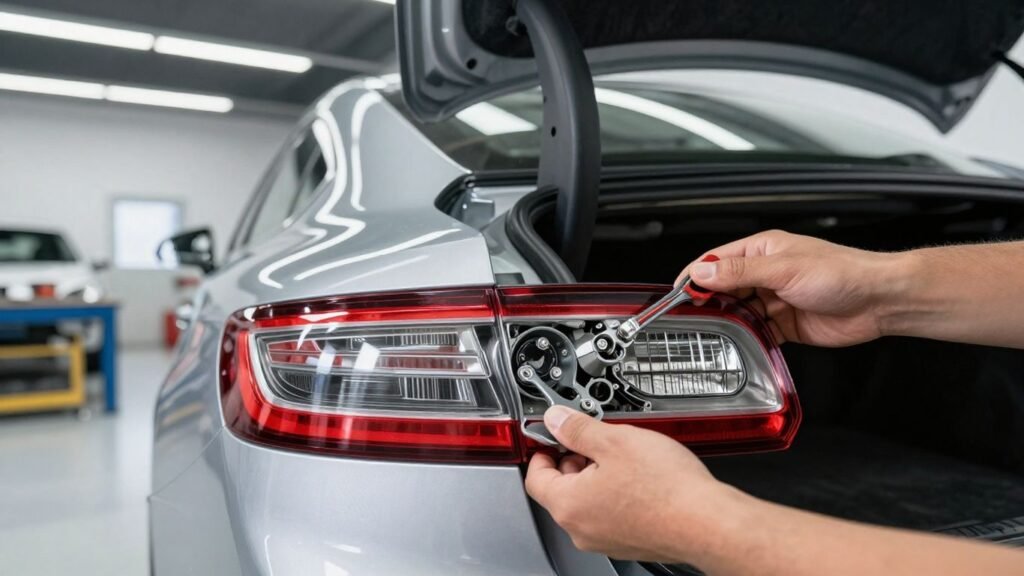
Key Takeaways Choosing components from salvaged vehicles offers significant benefits for car owners looking for affordable and eco-friendly repair solutions. Understanding what to look for ensures you receive reliable performance and a perfect fit for your specific vehicle. Sourcing reclaimed parts dramatically reduces manufacturing energy demand. Using pre-owned components provides substantial savings versus factory-new pricing. Cross-referencing part numbers is essential for ensuring vehicle compatibility. Physical inspection upon arrival helps detect any hidden structural damage. Proper installation techniques preserve the longevity of your electrical connections. Understanding the value of recycled Chrysler tail lights Opting for salvaged automotive lighting balances practical finances with a commitment to sustainable reuse. When you choose to purchase recycled Chrysler tail lights, you are extending the operational lifespan of existing manufacturing output rather than commissioning new production cycles. This approach benefits both the local environment and your long-term maintenance strategy. Environmental impact of choosing used auto parts Reducing demand for newly manufactured plastic and glass housings keeps materials out of landfills while lowering the industrial carbon footprint. By reusing parts that are already in circulation, you minimize the raw resource consumption required to create original equipment from scratch. This quiet act of conservation supports a more sustainable lifecycle for every Chrysler Grand Voyager on the road. Cost-effectiveness compared to dealership prices Navigating repair costs often becomes the primary concern for vehicle owners faced with a broken lens or failing electronics. Used parts typically cost a fraction of what a dealership charges for brand-new inventory, allowing you to allocate your budget more effectively. This price gap makes it possible to maintain your vehicle to a high standard without overextending your financial resources. Compatibility with various Chrysler models Many components within the brand’s design library are standardized across specific generations to improve manufacturing efficiency. Whether you drive a classic Chrysler 300C or a more modern family hauler, understanding the specific assembly requirements for your model year ensures that your swap goes smoothly. Always verify the cross-compatibility of parts before committing to a purchase to avoid installation frustrations. Identifying quality criteria for used tail lights Finding reliable components requires a discerning eye, especially when shopping online or through secondary market channels. You need to verify the structural integrity of every unit before you consider bringing it home. Assessing the visual condition, mounting hardware, and matching specifications will help you avoid the common pitfalls associated with substandard parts. Checking for lens cracks and moisture damage Inspect the exterior lens for any hairline fractures or signs of internal condensation that could indicate a failed seal. Water ingress leads to corrosion of the internal bulb sockets, which may render the entire assembly unusable shortly after installation. Look for clear, vibrant lenses that retain their factory finish without yellowing or deep gouges. Verifying mounting tab integrity Many recycled housings face damage during the removal process from the primary donor vehicle, particularly near the fastening points. Carefully inspect every mounting tab to ensure it remains flush and uncracked, as these tabs hold the lamp securely against the body sheet metal. Relying on damaged tabs usually results in rattling lamps or poor alignment that lets moisture seep inside. Matching specific part numbers to your VIN Even within the same production year, slight variations in trim levels can affect electrical connector types or internal housings. Using your VIN ensures you receive the exact configuration required for your specific build. This is the most effective step to guarantee that your replacement fits seamlessly without additional wiring modifications or clearance adjustments. Top sources for finding high-quality recycled parts Locating premium parts depends on your ability to connect with vendors who track their inventory with care. Successful sourcing often involves digital databases or established salvage networks that demand accountability from their participants. High-quality parts often come from facilities that prioritize professional cataloging and protection from the elements. Reputable online auto salvage networks Digital marketplaces connect you with thousands of salvage yards across the country, expanding your search radius significantly. These platforms allow you to filter results by condition, mileage of the donor vehicle, and proximity to your location. Utilizing a national search often uncovers rare components that might be unavailable in your immediate area for a Chrysler Crossfire project. Local junkyard inventory management systems Visiting a local facility allows you to inspect the parts firsthand before paying, which is an ideal scenario for most DIY enthusiasts. Many modern salvage yards now maintain digital inventory lists that you can query over the phone to save yourself an unproductive trip. Engaging with staff in person can sometimes reveal fresh arrivals that haven’t been processed into the online system yet. Certified automotive recycler programs Certified programs set rigorous standards for how vehicles are dismantled, tested, and stored. When you buy from a certified recycler, you have a baseline expectation of quality control that may include a basic guarantee or a return policy. These professionals invest in equipment to ensure that the parts sold remain safe and fully functional for the end user. Inspecting your purchase upon delivery Once your part arrives, immediate verification is essential before you begin the process of removal and reassembly. Taking the time to perform a thorough check protects your investment and ensures your repair will be successful. Start by comparing the received item against your original removed lamp to confirm the electrical layout matches perfectly. Testing the electrical connections before mounting Before you commit to bolting the lamp in, hook up the wiring harness temporarily to confirm each bulb illuminates as expected. Check for signals, brake lights, and illumination to see if the internal circuit board is healthy and free of shorts. A quick bench test ensures that you aren’t doing the work of installing a unit that possesses hidden electrical gremlins. Evaluating the condition of the gasket seal A proper seal prevents moisture from entering the housing and ruining your new light assembly. Review the following attributes to confirm your gasket is ready for installation: Attribute Expected State Requirement Compression Bouncy and uniform No permanent deformation

Key Takeaways Finding the right lighting components requires patience and careful verification of your vehicle specs to ensure a perfect fit. This guide outlines the essential steps for sourcing and installing reliable parts for your car. Verify your specific part number using your vehicle identification number. Understand the technology difference between halogen, LED, and HID units. Research seller history before committing to any online purchase. Inspect housing and lens condition for signs of long-term wear. Follow official installation procedures to maintain proper beam alignment. Understanding your specific Chrysler headlight needs Every vehicle model has nuanced electrical and physical requirements that dictate which lamp assemblies will actually work. Choosing the wrong unit can lead to connectivity issues or failure to mount properly to the frame, wasting both your time and your budget. By focusing on your unique vehicle specifications, you ensure that the replacement performs exactly like the original. Identifying the exact part number Most modern vehicles require a specific part number associated with either the manufacturing date or the trim level. Simply choosing a model name is often insufficient, as internal wiring harnesses frequently change during the production cycle. Always use your seventeen-digit vehicle identification number to cross-reference the exact part catalog for your specific Chrysler unit. Distinguishing between halogen, LED, and HID systems Technological differences between lighting types go beyond simple appearance and affect the internal wiring of your car. While halogen lights remain common, HID and LED systems require distinct ballasts or drivers to function correctly. Ensure your replacement matches the system currently installed to avoid complex electrical modifications or system error codes. Checking compatibility across model years Even if two cars share the same model name, their front-end architecture might have evolved, making parts non-interchangeable. Checking compatibility logs or contacting a parts specialist ensures that the second hand Chrysler headlights you purchase align with your vehicle’s specific design. Researching these details early saves you from the frustration of discovering that a mounting point is misaligned during the final assembly. Where to source high-quality second hand Chrysler headlights Finding reliable components often involves looking beyond standard retail channels and tapping into professional salvage networks. These suppliers often provide parts that have been thoroughly tested for operational integrity and clear lens aesthetics. Choosing the right source helps you balance the cost savings of used parts with the confidence that comes from a reputable seller. Navigating online auto salvage marketplaces Digital marketplaces allow you to browse inventory from hundreds of suppliers simultaneously, offering a vastly wider selection than a local search. These platforms usually categorize parts by condition, age, and mileage to help you determine value. Filtering search results by these criteria allows you to isolate high-quality inventory quickly. Benefits of local junkyards versus digital search Visiting a local scrapyard allows you to inspect the item visually before handing over any payment. You might see the condition of the donor vehicle, which provides context for how the part was handled. However, digital searches offer convenience and often include buyer protections that local salvage lots might not provide. Inspecting seller reputation and buyer protection policies Before finalizing any transaction, read through the reviews provided by previous customers to gauge the seller’s transparency regarding part condition. Look for clear policies that cover shipping damage or functional defects upon arrival. Solid return policies act as a safety net when dealing with sensitive and potentially fragile automotive components. Evaluating the condition of used headlights Assessing a pre-owned light assembly requires a sharp eye, as small defects can turn into major failures shortly after installation. It is better to reject a part during your initial review than to face the labor-intensive process of replacing it again later. Focusing on the durability of the housing and the clarity of the lens will help you verify the long-term value of your purchase. Spotting signs of UV damage and oxidation Yellowing or cloudiness on the surface indicates that the protective factory coating has deteriorated over years of exposure. Minor oxidation is often superficial and can be treated, but deep damage suggests that the lens material has become brittle. We categorize the typical defects encountered during an inspection in the table below. Defect Type Severity Potential Outcome Surface Haze Low Removable via sanding Deep Cracking High Moisture ingress likely Broken Tabs Medium Unstable fitment risk Carefully assessing these markers ensures you understand exactly how much work a restoration might require. Investing in a unit with structural integrity is more important than achieving a perfectly clear finish on day one. Checking for plastic housing cracks and broken assembly tabs Plastic housings are susceptible to stress fractures, especially after minor collisions or years of thermal cycling. Pay close attention to the mounting tabs, as any hairline fractures here will lead to vibrations or loose fitment once installed on your vehicle shell. Even a small crack in the housing base can ruin the seal, allowing moisture and debris to enter the electronic chamber. Confirming that internal electronics and seals remain intact A headlight assembly is a sealed environment designed to protect sensitive components from the elements. Look closely at the gasket interfaces for dry rot or gaps that would allow water to pool inside the lamp. If the rubber seals look compressed or cracked, the unit will likely fog up internally as soon as the weather turns cold or rainy. Logistics for buying auto parts online Shipping automotive components requires careful planning to ensure the parts arrive in the same condition they were in when they left the warehouse. Fragile plastics and complex wiring harnesses are susceptible to transit damage if the item is not stabilized properly. Investing time in evaluating the seller’s logistical standards is just as important as evaluating the hardware itself. Calculating shipping costs for fragile components Shipping fees for large and delicate items like these often reflect the overhead of specialized packing materials. Because these units are irregularly shaped, carriers may charge based on dimensional weight rather than actual mass. Always confirm these costs upfront to avoid
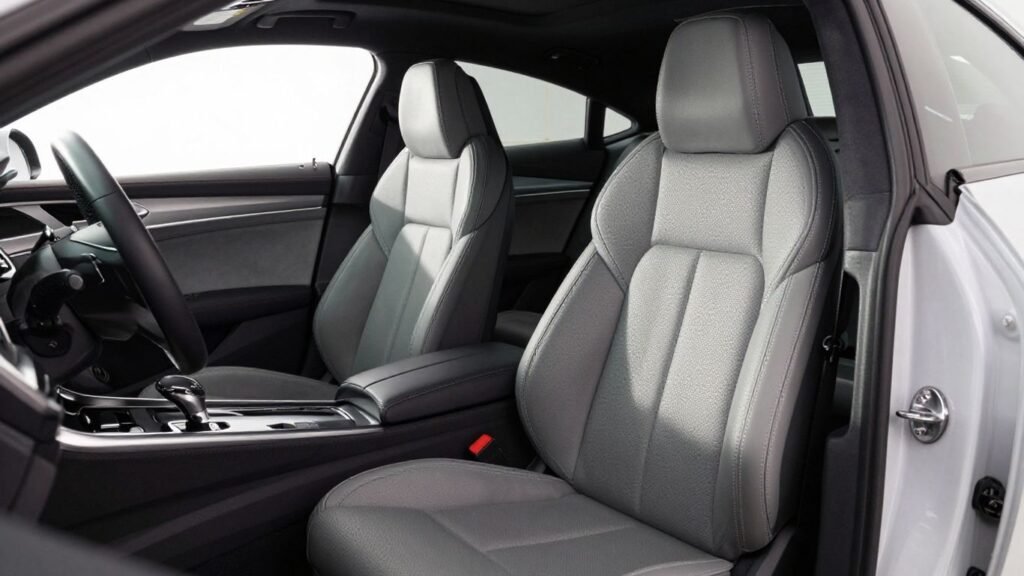
Key Takeaways Finding the right seats ensures comfort and safety for your vehicle interior restoration or repair. This guide covers technical compatibility, inspection methods, and safe installation practices for various components. Compatibility depends heavily on model year and specific trim levels. Always inspect internal foam and frame integrity before purchasing. Electrical components require careful handling to preserve safety features. Sourcing from legitimate dismantlers provides better quality assurance. Professional installation is recommended for complex sensor calibrations. Determining compatibility for your Chrysler model Identifying the correct seat match for your vehicle starts with understanding the chassis architecture. Chrysler models often share platforms, but variations in floor pan design and mounting points can complicate simple swaps even within the same generation. Taking the time to cross-reference dimensions and connector styles will save hours of labor and prevent irreversible mounting errors later in the project. Checking interchangeability by year and trim Manufacturers frequently update interior hardware mid-cycle, meaning even seats from the same model group may not be direct bolt-ins. Focus on the specific manufacture date rather than just the model year to avoid subtle discrepancies in the seat track design. Matching seat configurations to your interior layout Chrysler offers versatile solutions like the Chrysler Stow ‘n Go seating system, which involves unique structural differences compared to standard arrangements. You must confirm that the replacement seat matches the intended stowage or fold-flat mechanism of your current floor setup. Verifying OEM part numbers for exact fitment Locating the manufacturer sticker on your current seat base is the most reliable way to ensure you acquire the correct replacement. Matching these alpha-numeric sequences guarantees the electrical harness configuration and bolt patterns align perfectly with your existing cabin architecture. Inspecting the condition of used upholstery When purchasing used Chrysler seats, the visual appearance of the fabric or leather provides the first clue regarding the item’s history. Surfaces that appear overly shiny or cracked suggest significant sun exposure or heavy use, making it harder to restore them to an original finish. Deep cleaning and professional conditioning can rejuvenate tired surfaces, provided the materials have not reached a state of advanced degradation. Identifying common wear patterns in leather and fabric Leather surfaces often exhibit deep-set wrinkles and color fading at the bolsters, which is where passengers typically enter and exit. Inspect fabric options for thinning fibers or permanent stains, as these are harder to treat than surface blemishes on leather. Evaluating internal foam support and frame integrity Structural support depends entirely on the condition of the high-density foam cushions and the underlying metal frame. Use the following table to assess the viability of a used seat based on its support characteristics. Feature Excellent Condition Moderate Wear Replace Immediately Bolster Support Firm, springs back Slight depression Collapsed, flat Cushion Density Uniform feel Mild sagging Bottoming out frame Track Operation Smooth movement Minor resistance Seized, bent metal After checking these markers, pressing firmly on the center cushion should reveal if the foundation provides adequate daily support. If the frame feels loose or exhibits rattling noises when shaken, the integrity of the seat has likely been compromised by long-term structural stress. Assessing the aesthetic value and restoration potential Evaluate whether the seats can be salvaged with simple professional detailing or if they require a complete recover. Factor in the cost of high-quality upholstery materials versus the price of finding a pristine, pre-owned replacement that matches your interior color palette. Understanding the electrical and safety components Modern seating goes beyond simple foam and leather, integrating critical safety and comfort electronics that must be fully functional. You have to ensure that all harness connectors match your vehicle’s existing primary wiring loom entirely. Connecting mismatched pins can lead to blown fuses, faulty operation, or even unexpected issues with the vehicle’s primary electrical bus systems. Testing seat motors and power adjustments Verify that every motorized function operates smoothly in both directions without audible straining or hesitation. If a motor sounds sluggish, it could indicate internal gears are beginning to fail or that the unit has been exposed to moisture in the past. Handling SRS airbag sensors and occupant classification systems Seats equipped with side-impact airbags or occupant classification systems include proprietary modules that require specialized handling to prevent accidental deployment. Ensure the wiring is intact and free of any crimps or exposed copper that could interfere with the precision of the integrated Chrysler SafetyTec sensing systems. Managing heated, ventilated, and memory seat wiring Advanced comfort features rely on precise data signals transmitted through the seat modules to maintain temperature or return the occupant to their preferred posture automatically. Wiring for these features is often bundled within a complex harness that dictates how the vehicle manages comfort settings. Precise maintenance of these electrical paths is required to keep complex comfort features functioning, as improper splices often lead to total loss of power for the entire unit. If you find evidence of modified wiring or aftermarket repairs, be cautious, as these alterations often bypass key safety safeguards built into the factory control groups. Sourcing high-quality Chrysler seats Finding the right replacements involves evaluating various sellers to determine where you can secure the best value. Whether you choose a local yard or a specialized retailer, always prioritize transparency about the history and mileage of the donor vehicle. This diligence helps you avoid acquiring items that may have experienced trauma, chemical exposure, or significant climate degradation. Pros and cons of local auto salvage yards Local yards allow you to see the product personally, which is a significant advantage when judging condition. However, you are limited by whatever inventory happens to be on the lot at the time of your visit, and most parts are sold as-is without any return policy. Buying from dedicated online auto parts marketplaces Online platforms provide access to a massive national inventory, making it much easier to match specific colors and trim requirements. Look for sellers who provide high-resolution images of the seats from different angles to ensure you are comfortable with the purchase before finalizing
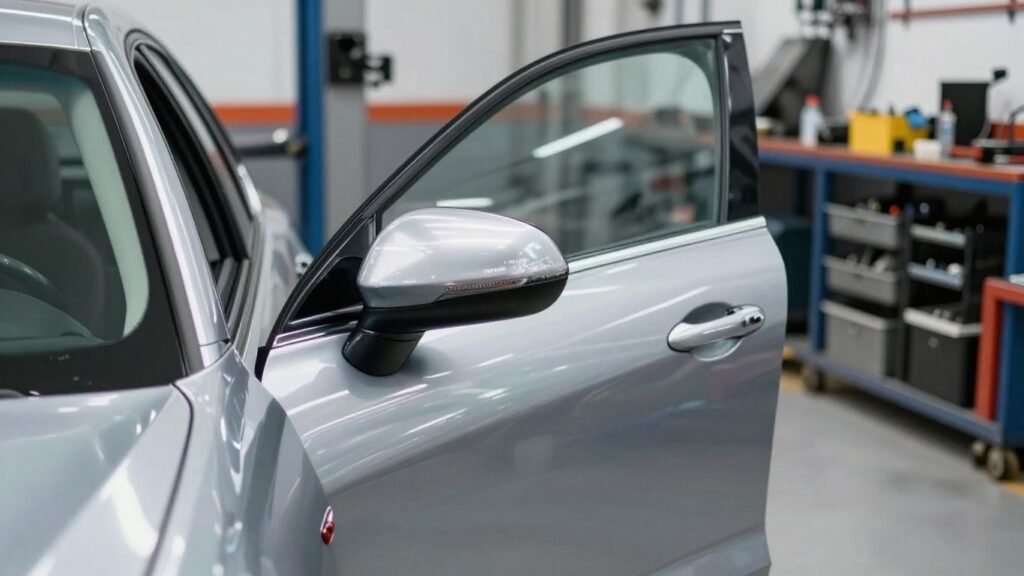
Key Takeaways Finding the right body components requires careful planning and model-specific verification to ensure a proper fit. Use these five points to guide your search for quality parts: Identify the exact Chrysler model year and series before searching. Distinguish between complete door shells and assemblies with hardware. Prioritize sellers offering detailed photos and transparent history reports. Inspect structural components closely for hidden signs of past rust. Verify compatibility for electronic window motors and paint color codes. Determining your exact Chrysler door needs Identifying the correct body panel starts with your vehicle’s unique build specifications. Chrysler vehicles often utilize specific engineering variations that can make cross-year compatibility difficult if you are not careful. Thoroughly researching your specific trim level prevents the mistake of purchasing an incompatible component that fails to latch properly. Identifying the specific model year and series Researching your specific production timeframe is the first step in successful procurement. By checking the VIN in a parts catalog, you can narrow down the window of production that identifies which Chrysler door panels will align perfectly with your chassis architecture. Distinguishing between front, rear, and shell components It is common to confuse a bare metal shell with a complete door assembly containing glass and regulators. When evaluating your needs, consider whether you need internal components like the window motor and side-impact beams or if you simply require the outer metal skin for a replacement project. Verifying necessary trim pieces and integrated hardware Replacing a door often involves more than just the metal, especially when factory-matched handles, lock cylinders, and interior door panels are involved. You should confirm if the replacement unit comes with pre-installed weather seals, as sourcing these separately can add significant time to your repair timeline. Where to find reliable Chrysler doors for sale Navigating the market for secondary automotive parts requires identifying reputable sources that prioritize high-quality salvage. Whether you choose a local facility or a global digital marketplace, the key lies in verifying the provenance of the part before completing the purchase. A well-vetted door assembly ensures that your vehicle retains its original safety standards and aesthetic appeal. Benefits of sourcing from local auto salvage yards Visiting a local facility allows you to physically inspect the metal before money changes hands. This hands-on approach removes the uncertainty of online descriptions and helps you confirm that the door matches your specific paint code and panel condition. Advantages and risks of online vehicle part marketplaces Digital storefronts provide access to a nationwide inventory of parts, which is helpful if your model is becoming scarce. However, you must carefully review the seller’s return policy, as shipping heavy body panels involves complications if they arrive damaged or do not meet expectations. Working with certified and specialized used part dealers Professional recyclers often certify their inventory for structural integrity and provide warranties that private salvage yards cannot match. Working with a dedicated expert minimizes the guesswork, ensuring the door you receive meets modern functional standards. Evaluating the condition of used Chrysler doors Inspecting a used panel requires a sharp eye for damage that might have been hidden by previous owners. Rust, minor creases, and past collision repairs are not always immediately obvious, but they can compromise the structural integrity of your vehicle over time. Taking extra time to review the door’s history helps you avoid future maintenance headaches. Detecting hidden rust or structural corrosion Surface rust is manageable, but deep corrosion around internal weather stripping can indicate long-term exposure to moisture. Inspect the internal base of the door where water often collects, as this is the most common site for significant structural degradation. Checking for signs of previous collision repair Signs of non-factory repairs often manifest as inconsistent panel gaps or orange-peel textures in the clear coat. Experienced technicians look for subtle indicators such as oversized body filler application or mismatched hardware hardware that suggests the door was removed or replaced previously during an unreported accident. Many body shops maintain high standards for inspecting door frames for structural straightness rather than just surface-level appearance to ensure that hinges align with the master chassis geometry. This level of scrutiny verifies that the door was not stretched or twisted during an impact that could cause the window tracks to bind unexpectedly. Assessing the integrity of hinges and latch mechanisms Ensure that the hinges pivot smoothly without sagging when the door is held in an open position. If the internal latch mechanism feels gritty or fails to engage the striker plate securely, it may require a costly internal overhaul beyond the initial purchase price. Understanding compatibility and trim levels Mapping out compatibility is a complex process due to the myriad of options offered across the production life of a vehicle. A Chrysler 300 might have different wiring harnesses depending on the available luxury features or the date of assembly during that model year. Before committing to a purchase, confirm all electrical interfaces match your existing setup. Verifying interior material and color codes Interior door cards often include specific leather, fabric, or trim inserts that are linked to the dashboard’s design scheme. Check your build plate to ensure the interior color codes align exactly, preventing a mismatch between your new door and the existing cabin trim. Matching exterior factory paint codes Exterior paint can fade due to sun exposure, making a perfect match difficult even if you use the factory color code. If you cannot find a panel in your specific shade, inquire about the panel’s history to see if it was color-matched or modified in any way. Ensuring electronic harness and window motor compatibility Electrical requirements change based on features like power-folding mirrors, heated glass, or proximity sensors. Consult the build sheet below to understand common variations in wiring layouts found across different series of Chrysler doors. Feature Type Connector Pins Harness Version Basic Power 8-Pin Standard A Premium Audio/Heated 16-Pin Extended B Advanced Sensor Suite 24-Pin Luxury Series Using this table helps you avoid purchasing a door with a complex harness that
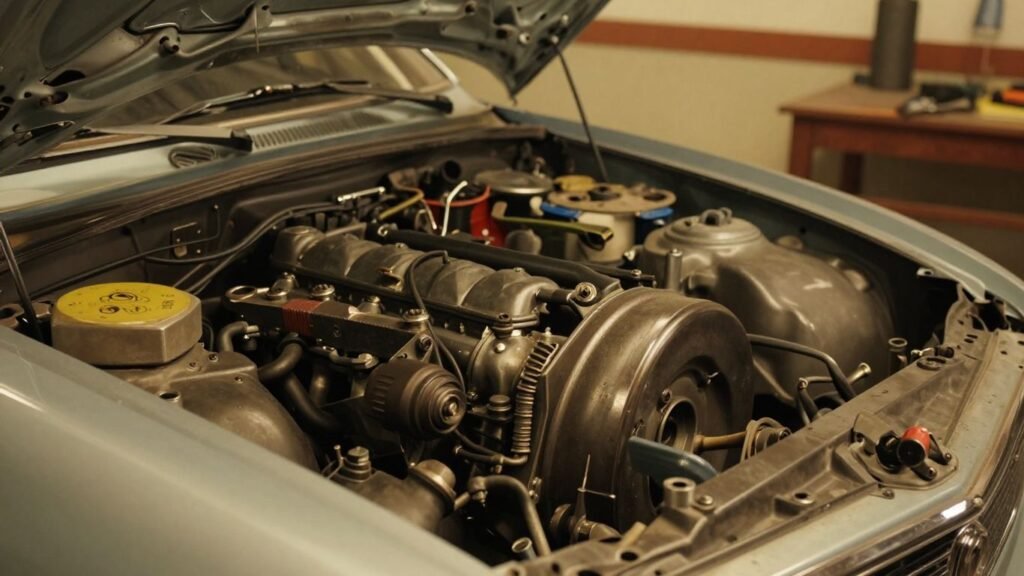
Key Takeaways Maintaining older vehicles often requires sourcing quality components, which this guide helps you navigate effectively. Following these steps ensures a successful repair experience for your vehicle. Compatibility depends heavily on exact OEM part numbers. Local dismantlers provide excellent hands-on inspection opportunities. Always test solenoid function before finalizing any purchase. Proper tool selection prevents damage to mounting hardware. Clean grounding points are crucial for consistent performance. Understanding second hand Chrysler starter compatibility Selecting the right component is the most critical step in rejuvenating your vehicle’s starting system. Chrysler produces robust engines that depend on precise ignition components to function correctly, meaning mismatched parts can cause permanent damage to your flywheel or wiring harness. Taking the time to research your specific requirements prevents unnecessary headaches during the installation process. Identifying correct part numbers You must verify the specific manufacturer part number stamped on your original unit. Comparing this number to any potential replacement is the only way to guarantee a direct fit, as cosmetic similarities often hide internal differences in gear pitch or rotation tooth counts. Matching specific engine models Engine displacement and fuel type dictate the power requirements of the starter motor needed. The Chrysler Grand Voyager requires specific electrical specs for its starting system to kick over the motor efficiently, so ensure you source a high-torque unit rated for your engine size. Distinguishing between vintage and modern Chrysler systems Older units often feature different solenoid wiring and mounting patterns compared to newer replacements. Older Chrysler ignition systems relied on external relays, while modern electronics are integrated directly into the starter housing itself, making visual identification paramount. Where to source quality used Chrysler starters Finding a reliable component relies on knowing where to look and what questions to ask. Dealers often charge premium prices for new stock, but independent suppliers frequently hold hidden gems for those willing to do a little legwork. Owners of the Chrysler 300C often find compatible parts through verified dismantling networks. Evaluating local auto dismantlers Visiting a yard in person allows you to see the donor vehicle and evaluate the environment where the part was stored. You can quickly assess the quality of the findings by checking the donor vehicle’s general condition, as it often correlates with the care given to electrical parts. Part Source Type Benefit Reliability Rating Local Dismantler Hands-on inspection High Online Marketplace Wide inventory range Medium Private Seller Negotiable pricing Low Comparing these sources allows you to balance the need for immediate availability against the desire for a verified, working product. Benefits of online parts marketplaces Online platforms centralize inventory from thousands of sellers, providing a convenient way to filter by your exact search parameters. These sites often include digital photos and shipping logistics, allowing you to access a much larger inventory than you would find in your immediate geographic area. Tips for safe transactions on private sales When buying from individuals, prioritize listings that include clear videos of the component being tested or a clear history of its service. Always communicate through secure platform channels and request detailed photos of the terminal and pinion gear condition before agreeing to any travel or payment. How to inspect used starters before buying Once you have a potential part in hand, you must verify that the internal mechanisms are healthy before you commit to the installation. Simple physical checks can tell you more about the longevity of the unit than any reassurance from a seller could possibly provide. Testing pinion gear movement Manually slide the pinion gear along the shaft to ensure it moves freely without sticking or binding against the housing. A smooth, spring-loaded return indicates that the internal drive mechanism is in good working order and ready to interface with your engine’s ring gear. Checking for solenoid function Applying a short burst of 12-volt power to the solenoid terminal can confirm that the engagement mechanism is firing as intended. While this does not test the motor under load, a firm, audible click confirms that the internal electromagnetic switch is operating. Inspecting housing for corrosion or physical damage Check the mounting flanges for cracks and ensure the electrical terminals are free of excessive oxidation or stripped threads. A unit with a compromised housing is prone to misalignment, which can lead to rapid failure of both the starter and the flywheel gear. Essential tools for starter replacement Having the right set of tools makes the difference between an hour of productive work and a full day of frustration. Before sliding beneath your vehicle, organize your workspace to ensure all required equipment is reachable and in good condition. Handling electrical safety protocols Working with high-amperage components mandates disconnecting the power supply entirely to avoid dangerous shorts. Keeping a clean workspace ensures that you do not accidentally bridge a hot terminal with a metal tool, preventing potential arc damage to the vehicle’s electrical system. Choosing the right socket sets for Chrysler mounts Chrysler platforms frequently utilize varying bolt sizes, so keep deep-well sockets and extenders handy. Using the wrong size can deform the bolt heads, and since these mounts carry high stress, using a high-quality six-point socket helps prevent rounding the edges off during removal. Managing heavy lifting with transmission jacks Lifting a starter motor into place requires careful alignment while working in cramped quarters. Supporting the starter with a stable lift or a strap allows you to guide the unit into the mounting hole without damaging the delicate engagement gear. This small bit of support simplifies the task considerably. Installation procedures for Chrysler starters Following a structured sequence for installation ensures that every connection is secure and aligned correctly. You should confirm the alignment of the mounting bolts before tightening anything down completely to prevent binding or gear wear. Disconnecting the battery safely Always remove the negative battery cable first, as this disables the entire starting circuit and prevents accidental current flow. Verify that the cable is tucked far away from the battery post during the entire, labor-intensive installation process. Accessing the restricted
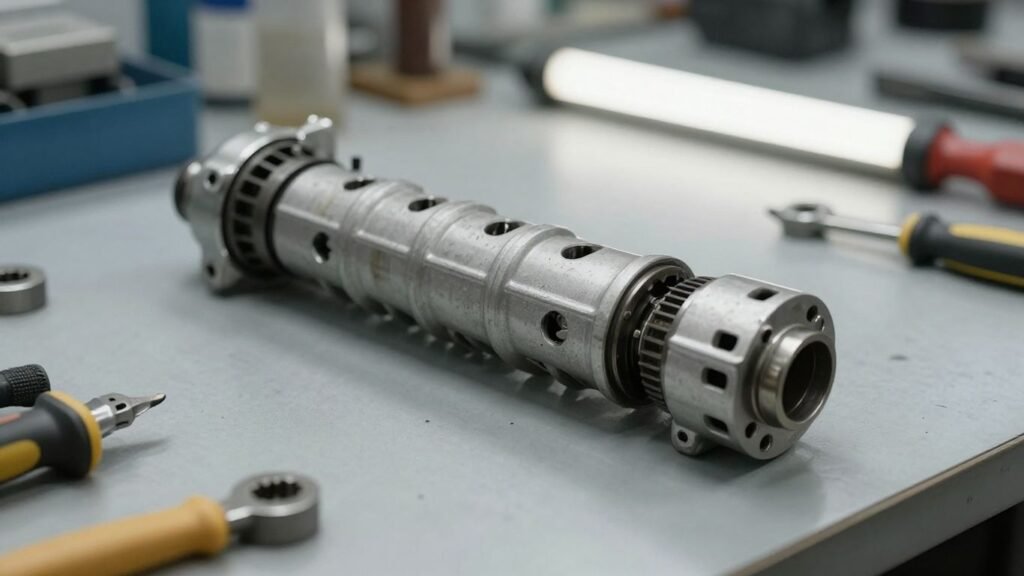
Key Takeaways Navigating the process of purchasing and installing pre-owned charging components requires careful preparation and attention to detail. This guide highlights the essential steps to ensure you acquire a functional part that integrates safely with your vehicle. Identify the specific amperage and part number requirements for your vehicle model. Inspect the physical condition of the alternator for signs of thermal or structural damage. Utilize multimeter testing to confirm the electrical output of a sourced component. Always disconnect the battery leads before starting any mechanical installation work. Verify that all mounting bracket hardware is intact and provides a secure fit. Understanding your Chrysler charging system Modern vehicle electrical systems rely on a consistent flow of power to keep various subsystems operational during transit. The charging loop depends entirely on the alternator to convert mechanical rotational energy into the electrical current required by the battery and electronic control modules. Anatomy of a typical Chrysler alternator The internal architecture of these components includes a rotor, a stator, and a set of silicon diode rectifiers that manage the conversion process. These parts work in tandem to regulate the flow of electricity, ensuring that the battery remains charged without overloading sensitive digital sensors found in later car models. Signs of a failing alternator versus a bad battery Distinguishing between a dying battery and a faulty alternator is a primary concern for any owner facing electrical issues. A frequent symptom of charging failure involves the headlights dimming suddenly when the engine speed drops, which often points away from the battery itself. Importance of matching part numbers for your Chrysler model Engineering specifications can change significantly giữa production years, making direct part swaps problematic if the numbers do not line up. Finding the correct unit for your specific trim level is a critical step in vehicle maintenance to avoid erratic electronic behavior or premature system failure. Assessing the quality of a used alternator Visual and tactile inspections provide the first indicators of whether a unit is worth your investment. Before committing to a purchase, you should thoroughly examine the exterior and moving parts to ensure no internal damage exists that would hinder long-term performance. Evaluating pulley condition and spinning resistance The pulley is the primary interface between the engine and the charging system, and it should rotate smoothly without grinding noises. If you feel hesitation or hear crunching sounds during rotation, the internal bearings are likely compromised. Detecting smells of burnt electrical components Olfactory checks often reveal issues that are not immediately visible to the naked eye. An acrid, ozone-like scent emanating from the casing is a definitive sign of insulation degradation or scorched windings, which suggests the unit has been pushed past its safe operational thermal limits. Checking the casing for cracks or thermal damage The housing serves to protect the sensitive internal wiring from the harsh environment of the engine bay, so any visible stress cracks are cause for concern. To help clarify which areas of the housing are most susceptible to long-term wear, consider the following structural points. Observation Point Potential Issue Warning Level Mounting Lugs Stress fractures High Cooling Fins Clogged debris Moderate Terminal Posts Corrosion buildup Low Checking these specific areas allows you to determine if the part was salvaged from a vehicle that suffered severe vibration or heat exposure. If you notice structural irregularities, it is best to inspect an alternative unit instead of attempting a repair. Sourcing reliable used Chrysler alternators Acquiring parts from respected suppliers reduces the risk of installing a unit that fails shortly after the project is complete. Prioritize sources that provide clear history or thorough bench testing results for every item in their inventory. Checking specialized auto salvage yards Local yards often hold a wealth of genuine components and allow for direct physical inspection before any money changes hands. This method is highly effective for identifying units with minimal mileage or clean casing conditions. Evaluating the reputation of online parts retailers Internet marketplaces can be vast, but they require a critical eye regarding seller feedback and return policies. Seek out vendors who clearly outline the testing process performed on their stock to verify the legitimacy of the electrical output claims. Benefits of buying from a professional mechanic supply Professional shops frequently transition used but tested components into their inventory after replacing them with new stock for preventative maintenance. These sources often represent the safest route, as they have qualified technicians verifying the functionality of every part. Testing the part before installation Confirmation of electrical performance is mandatory before bolt-in procedures take place. Attempting to test a part while it is mounted can be difficult, which is why external verification provides the most accurate data. Bench testing at local auto parts stores Many retail stores possess specialized test benches that spin the alternator and measure its ability to maintain voltage under a load. This process mirrors the conditions the part will face inside your engine bay during normal operation. Using a multimeter to verify output voltage If you have a digital multimeter, you can check the diodes and stator health by measuring the voltage across the output posts. In some cases, a shop may provide a range of acceptable output values for these specific components. Accurate voltage readings indicate the internal electronics remain stable and capable of sustaining the required current flow for your vehicle subsystems. Consistent voltage measurement ensures that the unit satisfies the power demands of your particular trim. Any significant deviation from these readings serves as a warning that the device may be reaching the end of its useful lifespan. Checking for noisy bearings under load Even if a unit produces the correct amount of current, a loud or oscillating sound suggests imminent failure. Ensure the rotation remains quiet and consistent so you do not have to perform the removal process again in the near future. Installation tips for your replacement alternator Mechanical installation involves precision to ensure the serpentine belt maintains the correct path and tension. Follow the factory service procedures
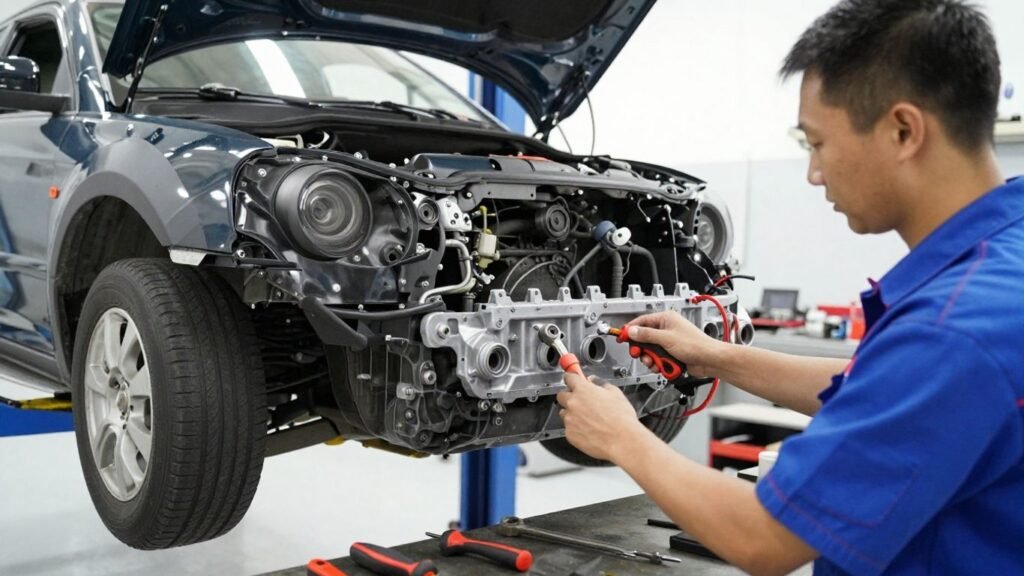
Key Takeaways Choosing recycled components offers a sustainable and budget-friendly path to maintaining your vehicle’s drivetrain performance, provided you follow rigorous verification procedures. Quality recycled parts are often sourced from reliable donor vehicles with traceable history. Inspecting internal gears and housing integrity is essential for long-term reliability. Professional cleaning and lubrication ensure a smooth transition during installation. Compatibility remains the most critical factor when selecting your replacement differential unit. Proper troubleshooting helps identify and resolve minor post-installation anomalies quickly. Understanding the anatomy of a Chrysler differential Chrysler vehicles utilize various differential configurations designed to manage torque distribution to the rear wheels effectively. Each assembly typically consists of a housing, a ring and pinion gear set, carrier assembly, and axle shafts, all working in harmony to allow variance in wheel speed during turns. Mastering these components is the first step in successful maintenance and repairs for your vehicle. Identifying common Chrysler axle models Chrysler has engineered several iconic axle families over the decades, each serving specific weight classes and performance demands. Recognizing these identifiers is vital, as internal parts often do not interchange between different model lines. Checking casting numbers located on the housing is the most reliable way to confirm you have the correct unit for your specific generation. Gear ratios and their impact on vehicle performance The relationship between the ring and pinion teeth determines the final drive ratio, which directly influences your vehicle’s acceleration and top-end speed. A lower gear ratio, often referred to as a shorter gear, provides better off-the-line torque, while higher ratios improve highway fuel economy and reduce engine RPMs at cruising speeds. Understanding your driving goals helps in determining which ratio will best match your operational needs. Distinguishing between open and limited-slip differentials Open differentials allow wheels to spin at different speeds, which is perfect for daily commuting but can lose traction on loose surfaces. Limited-slip units incorporate clutch packs or mechanical locking mechanisms that transfer power to the wheel with the most grip, improving stability under load. Identifying the specific type installed in your vehicle ensures you maintain or upgrade your traction capabilities correctly. Benefits of choosing recycled over new parts Selecting pre-owned components allows restoration enthusiasts and daily drivers alike to obtain original-specification parts that might otherwise be unavailable. These units often provide a perfect fit since they were designed for the same platform, reducing the need for custom fabrication or forced modifications. Investing in these parts keeps older vehicles on the road efficiently. Cost-effectiveness for restoration and project vehicles Restoring a classic vehicle or maintaining a high-mileage daily driver can become prohibitively expensive if you rely solely on brand-new OEM components. Recycled differentials allow owners to manage project budgets more effectively without compromising on the structural integrity of the powertrain. This approach provides a practical alternative to the high costs associated with factory-fresh assemblies or aftermarket customizations. Environmental impact and the benefits of automotive recycling Automotive recycling plays a massive role in reducing the demand for raw materials and energy-intensive manufacturing processes. By reusing existing, functional differential housings and components, we significantly decrease the carbon footprint associated with producing new metal parts. Choosing to recycle supports a circular economy that prioritizes resource conservation and waste reduction. Compatibility advantages for vintage Chrysler builds Genuine vintage components often suffer from scarcity, making direct replacement parts hard to track down from modern retail channels. Recycled parts ensure that your vintage Chrysler project retains its historical accuracy and functional compatibility. The use of original equipment components ensures that the geometry and mounting points remain consistent with the vehicle’s original assembly. How to inspect recycled Chrysler differentials for quality Evaluating the housing for structural damage and cracks The exterior housing protects everything inside, so any compromise here can lead to lubricant loss or catastrophic failure under stress. Before installation, clean the exterior thoroughly to inspect for hairline cracks, impact damage, or previous weld repairs. A compromised housing will never provide the stability required for long-term safe operation. Assessing gear teeth for excessive wear or pitting Gear teeth must show an even wear pattern to guarantee a long service life and quiet operation. Pitting or chipped teeth suggest that the unit has been pushed beyond its limits or suffered from significant lubricant degradation over time. You should carefully rotate the input shaft while observing the contact pattern to ensure every tooth is in acceptable condition. Inspection Point Healthy Condition Red Flag Indicator Gear Tooth Surface Smooth and lustrous Pitted or metallic flakes Housing Exterior Dry and intact Wet with oil or cracks Bearing Movement Firm and smooth Grinding noise or play Regular observation of these key areas allows you to make informed decisions before you commit to the labor of a full differential swap. Checking axle seals and internal bearing conditions Even if the gears look perfect, worn-out bearings will cause persistent noise and eventually lead to gear failure. Inspect the axle seals for signs of dry rot or cracking, as these points are common culprits for fluid leaks. Ensure that all bearings rotate without audible or tactile resistance to confirm the unit is ready for your project. Sourcing reliable recycled parts Finding the right source for your parts requires a bit of research, but local salvage yards and online platforms often have large inventories. By focusing on reputable suppliers who test their units, you can significantly reduce the risk of receiving an unusable part. Always verify the source’s return policy and history of the donor vehicle to avoid disappointment. Navigating salvage yards and specialized online auctions Local salvage yards provide the best opportunity to inspect parts firsthand before purchase. For those who prefer convenience, specialized online marketplaces often aggregate inventory from across the country, expanding your search range significantly. Whether searching in person or online, comparing several sources will help you find the best value for your requirements. Understanding industry grading standards for automotive parts Professional recyclers utilize standardized grading systems that communicate the condition of the part based on mileage and testing results. These
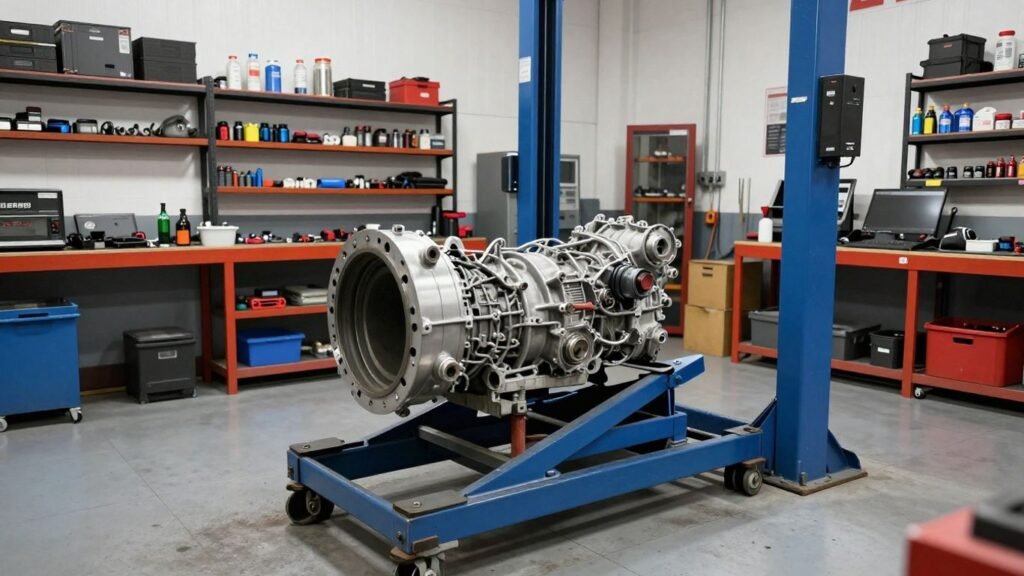
Key Takeaways Acquiring a replacement transmission is a major decision for any vehicle owner. These five points highlight the critical components of the process: Choosing used parts significantly lowers repair expenses compared to buying brand-new units. Verifying the specific transmission code via VIN matching prevents costly installation errors. Fluid cleanliness and housing integrity are primary indicators of a transmission’s internal health. Understanding the mechanical differences between used, rebuilt, and remanufactured units guides your choice. Reputable sellers should provide clear warranty terms and documentation regarding the unit’s history. Understanding the benefits of choosing second hand Chrysler transmissions Transitioning to a pre-owned component represents a practical approach for aging vehicles that still have plenty of life left on the road. Many owners find that the financial barriers of dealership pricing for new gearboxes are unnecessary when a functional alternative exists. By carefully selecting high-quality used parts, you can restore your vehicle to its former operational state. Cost-effectiveness compared to new units Repairing a vehicle should not cost more than its market value. Second hand Chrysler transmissions offer a significant reduction in overall expenditure, often costing a fraction of what a dealership charges for a factory-new replacement. This choice allows budget-conscious drivers to keep their vehicles running without incurring excessive debt or relying on inferior aftermarket solutions. OEM quality and compatibility Original Equipment Manufacturer parts maintain the factory specifications your vehicle was designed to meet. Providers like BluePrism Automotive emphasize the importance of using actual OEM units rather than generic equivalents that may lack the precise calibration needed for Chrysler gear shifting profiles. When you source an authentic part, you ensure that the internal gear ratios and hydraulic settings align perfectly with your engine. Environmental impact of recycling auto parts Selecting a reclaimed transmission serves as an important act of resource conservation. Rather than melting down metal and manufacturing new castings from raw ore, you are extending the operational lifespan of existing components. This circular approach reduces the energy demand associated with industrial production and limits the volume of automotive waste diverted to landfills. Identifying the correct transmission model for your Chrysler Finding the perfect match for your vehicle requires careful attention to the manufacturing specifications inherent to your specific platform. Chrysler has produced a wide variety of gearboxes over the decades, making it essential to identify the exact unit that matches your drivetrain configuration. Before you commit to a purchase, verify that the unit is compatible with your specific year, model, and engine. Using reliable sources like BluePrism Automotive can help you cross-reference available units against your vehicle’s unique technical requirements. Locating the transmission serial number Every transmission features a stamp or tag that holds the key to its identity. You will typically find this on the bell housing or near the pan rail, often containing a series of alphanumeric characters that define the specific model and production run. Failing to verify this manually can lead to purchasing a unit that physically fits but communicates poorly with your engine control module. Matching specific engine and drivetrain configurations Automotive engineering relies on precise hardware interplay between the engine’s power output and the transmission’s torque capacity. A rear-wheel-drive unit will not function in a front-wheel-drive chassis, even if the brand marks appear identical. You must confirm that the unit is built for your engine’s displacement and that the tail-shaft length corresponds to your vehicle’s driveshaft assembly. Using VIN decoders for precision Modern tools allow you to bypass guesswork by utilizing your Vehicle Identification Number as a master key. A VIN decoder pulls the original build sheet from the manufacturer database, revealing exactly which transmission came installed from the plant. This data is the most accurate way to ensure you are buying a compatible unit for your vehicle before the shipping process begins. Inspecting a second hand transmission before purchase Visual and mechanical clues often reveal the story of how an assembly was treated during its time on the donor vehicle. By performing a thorough examination before installation, you can avoid common pitfalls and ensure the unit is ready for daily use. While you may not be able to dismantle the internal components, exterior and fluid-based evidence provides significant insight into longevity. Checking fluid condition and color Transmission fluid acts as the lifeblood of your vehicle’s shifting system. Dark, burnt-smelling fluid is a warning sign that the unit has experienced excessive internal heat or clutch wear. Professionals typically perform a sniff test and check for metallic particles in the fluid sample, as this indicates internal mechanical distress that could lead to premature failure. Evaluating the physical condition of the housing Examine the exterior casing for any signs of cracks, deep welds, or impact damage that could compromise the structure. Since you are moving a major mechanical assembly, ensure all mounting brackets are intact and the bolt holes are free from stripped threads. A clean and dry housing is a positive indicator that the seals have been performing consistently without significant leaks. Reviewing odometer readings and service history While high-mileage units can still function well, knowing the history of the donor vehicle adds a layer of predictability. Providers like BluePrism Automotive typically track the mileage of their inventory, helping you choose a unit that aligns with your vehicle’s expected remaining lifespan. Reviewing any available maintenance logs allows you to determine if the fluid was changed at regular intervals, suggesting proactive care was prioritized by the previous owner. Differences between used, rebuilt, and remanufactured units Choosing the right path depends on your budget and how much time you intend to spend on the road with the vehicle. Buying a unit as-is carries different expectations than selecting one that has been refurbished according to strict performance benchmarks. Understanding these distinctions helps manage your expectations for the future performance of the gearbox. Internal parts replacement scope When purchasing a unit, the depth of refurbishment varies by the category of the component. Used units are salvaged and sold based on their functional state at the time of pull, while