Key Takeaways
Finding the right body components requires careful planning and model-specific verification to ensure a proper fit. Use these five points to guide your search for quality parts:
- Identify the exact Chrysler model year and series before searching.
- Distinguish between complete door shells and assemblies with hardware.
- Prioritize sellers offering detailed photos and transparent history reports.
- Inspect structural components closely for hidden signs of past rust.
- Verify compatibility for electronic window motors and paint color codes.
Determining your exact Chrysler door needs
Identifying the correct body panel starts with your vehicle’s unique build specifications. Chrysler vehicles often utilize specific engineering variations that can make cross-year compatibility difficult if you are not careful. Thoroughly researching your specific trim level prevents the mistake of purchasing an incompatible component that fails to latch properly.
Identifying the specific model year and series
Researching your specific production timeframe is the first step in successful procurement. By checking the VIN in a parts catalog, you can narrow down the window of production that identifies which Chrysler door panels will align perfectly with your chassis architecture.
Distinguishing between front, rear, and shell components
It is common to confuse a bare metal shell with a complete door assembly containing glass and regulators. When evaluating your needs, consider whether you need internal components like the window motor and side-impact beams or if you simply require the outer metal skin for a replacement project.
Verifying necessary trim pieces and integrated hardware
Replacing a door often involves more than just the metal, especially when factory-matched handles, lock cylinders, and interior door panels are involved. You should confirm if the replacement unit comes with pre-installed weather seals, as sourcing these separately can add significant time to your repair timeline.
Where to find reliable Chrysler doors for sale

Navigating the market for secondary automotive parts requires identifying reputable sources that prioritize high-quality salvage. Whether you choose a local facility or a global digital marketplace, the key lies in verifying the provenance of the part before completing the purchase. A well-vetted door assembly ensures that your vehicle retains its original safety standards and aesthetic appeal.
Benefits of sourcing from local auto salvage yards
Visiting a local facility allows you to physically inspect the metal before money changes hands. This hands-on approach removes the uncertainty of online descriptions and helps you confirm that the door matches your specific paint code and panel condition.
Advantages and risks of online vehicle part marketplaces
Digital storefronts provide access to a nationwide inventory of parts, which is helpful if your model is becoming scarce. However, you must carefully review the seller’s return policy, as shipping heavy body panels involves complications if they arrive damaged or do not meet expectations.
Working with certified and specialized used part dealers
Professional recyclers often certify their inventory for structural integrity and provide warranties that private salvage yards cannot match. Working with a dedicated expert minimizes the guesswork, ensuring the door you receive meets modern functional standards.
Evaluating the condition of used Chrysler doors
Inspecting a used panel requires a sharp eye for damage that might have been hidden by previous owners. Rust, minor creases, and past collision repairs are not always immediately obvious, but they can compromise the structural integrity of your vehicle over time. Taking extra time to review the door’s history helps you avoid future maintenance headaches.
Detecting hidden rust or structural corrosion
Surface rust is manageable, but deep corrosion around internal weather stripping can indicate long-term exposure to moisture. Inspect the internal base of the door where water often collects, as this is the most common site for significant structural degradation.
Checking for signs of previous collision repair
Signs of non-factory repairs often manifest as inconsistent panel gaps or orange-peel textures in the clear coat. Experienced technicians look for subtle indicators such as oversized body filler application or mismatched hardware hardware that suggests the door was removed or replaced previously during an unreported accident.
Many body shops maintain high standards for inspecting door frames for structural straightness rather than just surface-level appearance to ensure that hinges align with the master chassis geometry.
This level of scrutiny verifies that the door was not stretched or twisted during an impact that could cause the window tracks to bind unexpectedly.
Assessing the integrity of hinges and latch mechanisms
Ensure that the hinges pivot smoothly without sagging when the door is held in an open position. If the internal latch mechanism feels gritty or fails to engage the striker plate securely, it may require a costly internal overhaul beyond the initial purchase price.
Understanding compatibility and trim levels
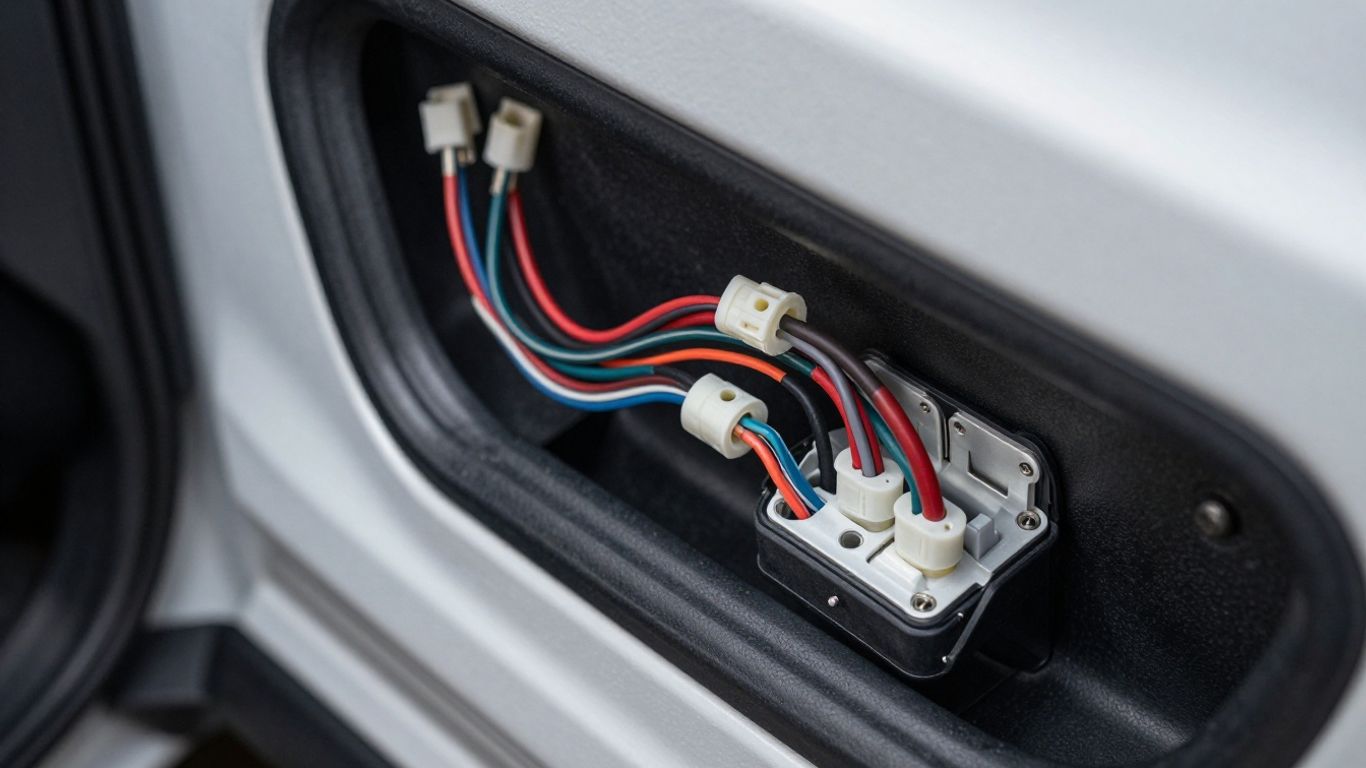
Mapping out compatibility is a complex process due to the myriad of options offered across the production life of a vehicle. A Chrysler 300 might have different wiring harnesses depending on the available luxury features or the date of assembly during that model year. Before committing to a purchase, confirm all electrical interfaces match your existing setup.
Verifying interior material and color codes
Interior door cards often include specific leather, fabric, or trim inserts that are linked to the dashboard’s design scheme. Check your build plate to ensure the interior color codes align exactly, preventing a mismatch between your new door and the existing cabin trim.
Matching exterior factory paint codes
Exterior paint can fade due to sun exposure, making a perfect match difficult even if you use the factory color code. If you cannot find a panel in your specific shade, inquire about the panel’s history to see if it was color-matched or modified in any way.
Ensuring electronic harness and window motor compatibility
Electrical requirements change based on features like power-folding mirrors, heated glass, or proximity sensors. Consult the build sheet below to understand common variations in wiring layouts found across different series of Chrysler doors.
| Feature Type | Connector Pins | Harness Version |
|---|---|---|
| Basic Power | 8-Pin | Standard A |
| Premium Audio/Heated | 16-Pin | Extended B |
| Advanced Sensor Suite | 24-Pin | Luxury Series |
Using this table helps you avoid purchasing a door with a complex harness that your specific wiring harness may not support at the master plug base.
Logistics of shipping and transporting body panels
Moving large doors requires specialized logistics because metal panels are easily dented by improper handling or inadequate packaging. If you are picking up the item yourself, ensure your vehicle has enough clearance to hold the panel upright to prevent pressure damage to the fragile mounting points. Shipping large panels often requires crate-based freight to maintain the structural alignment of the frame.
Protecting large metal panels during transit
Wrapping a door in heavy-duty padding or securing it within a custom wooden crate is standard procedure to protect the outer skin. Even a slight jolt can cause small dings that require expensive bodywork to correct once the part reaches your location.
Cost analysis of freight services versus local pickup
Freight often adds a premium to the total price, but it eliminates the risk and stress of manual transport. For most buyers, the cost of a long-distance drive versus the safety of professional crate shipping makes freight a safer long-term investment.
Inspecting for shipping damage upon arrival
Always unpack the door immediately in the presence of the courier to verify that all seams and mounting tabs remain intact. Documenting any issues with clear photos immediately provides the necessary leverage if a claim needs to be filed against the carrier.
Cost considerations and budget planning
Balancing the price of a replacement door against the remaining value of your vehicle is a logical step before buying. High-quality parts might carry a higher upfront cost, but they save money by reducing the hours your local body shop needs to prep, align, and finish the panel. Strategic planning helps you find a balance between thrift and long-term durability.
Comparing prices of OEM versus aftermarket doors
Original equipment manufacturers offer structural precision that ensures ease of installation, whereas aftermarket options vary significantly in manufacturing tolerance. Evaluate whether your project requires the exacting standards of OEM components or if a budget-friendly aftermarket solution fits your repair needs.
Factoring in body shop paint and labor costs
Labor often consumes the largest slice of an repair budget, particularly when a technician must transition a stripped door into a fully functional one. Always include the estimated painting and blending time when calculating the total cost of ownership for your replacement door.
Evaluating the value of complete assemblies versus stripped shells
Stripped shells are cheaper upfront but require you to transfer your existing glass, motors, and interior cards, which is time-consuming. Buying a complete assembly often saves you hours of labor and ensures that the internal components are already calibrated for your vehicle’s specific requirements.
Conclusion
Navigating the process of securing the right replacement part requires balancing technical compatibility with a careful inspection of the physical condition. By verifying your trim levels, sourcing from reputable dealers, and budgeting for professional paint and installation, you ensure that your Chrysler returns to its original, factory-ready state without unexpected delays or expenses.