Key Takeaways
Acquiring a replacement transmission is a major decision for any vehicle owner. These five points highlight the critical components of the process:
- Choosing used parts significantly lowers repair expenses compared to buying brand-new units.
- Verifying the specific transmission code via VIN matching prevents costly installation errors.
- Fluid cleanliness and housing integrity are primary indicators of a transmission’s internal health.
- Understanding the mechanical differences between used, rebuilt, and remanufactured units guides your choice.
- Reputable sellers should provide clear warranty terms and documentation regarding the unit’s history.
Understanding the benefits of choosing second hand Chrysler transmissions
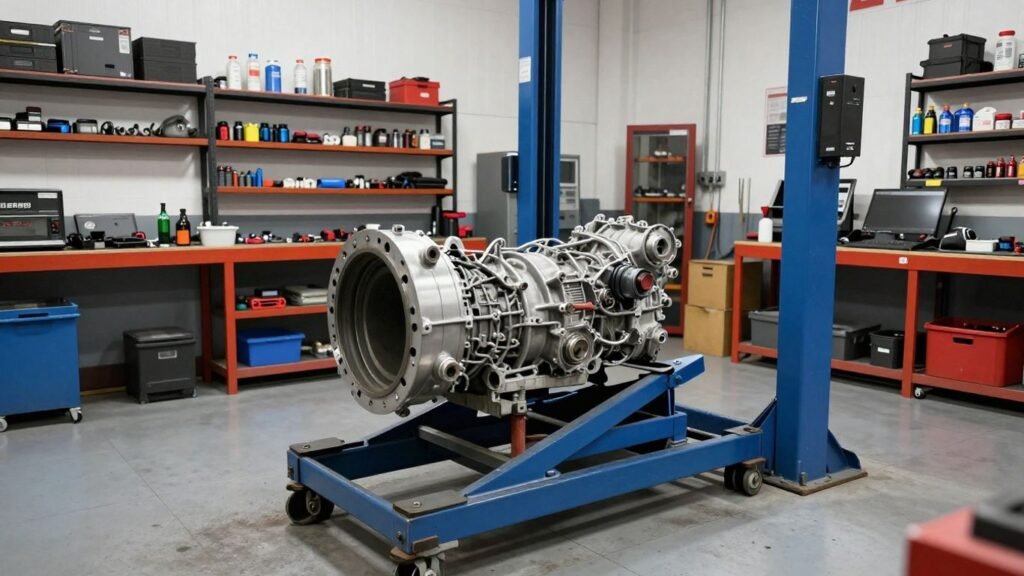
Transitioning to a pre-owned component represents a practical approach for aging vehicles that still have plenty of life left on the road. Many owners find that the financial barriers of dealership pricing for new gearboxes are unnecessary when a functional alternative exists. By carefully selecting high-quality used parts, you can restore your vehicle to its former operational state.
Cost-effectiveness compared to new units
Repairing a vehicle should not cost more than its market value. Second hand Chrysler transmissions offer a significant reduction in overall expenditure, often costing a fraction of what a dealership charges for a factory-new replacement. This choice allows budget-conscious drivers to keep their vehicles running without incurring excessive debt or relying on inferior aftermarket solutions.
OEM quality and compatibility
Original Equipment Manufacturer parts maintain the factory specifications your vehicle was designed to meet. Providers like BluePrism Automotive emphasize the importance of using actual OEM units rather than generic equivalents that may lack the precise calibration needed for Chrysler gear shifting profiles. When you source an authentic part, you ensure that the internal gear ratios and hydraulic settings align perfectly with your engine.
Environmental impact of recycling auto parts
Selecting a reclaimed transmission serves as an important act of resource conservation. Rather than melting down metal and manufacturing new castings from raw ore, you are extending the operational lifespan of existing components. This circular approach reduces the energy demand associated with industrial production and limits the volume of automotive waste diverted to landfills.
Identifying the correct transmission model for your Chrysler
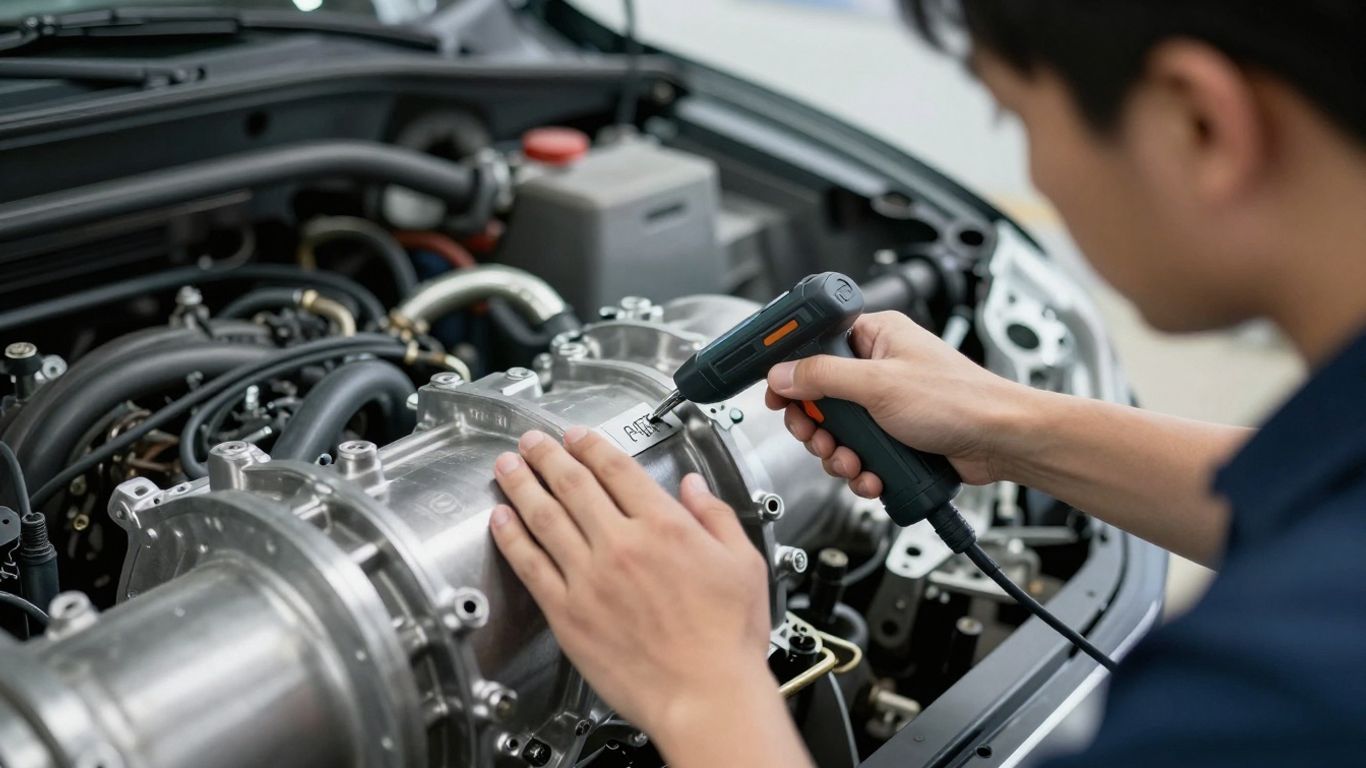
Finding the perfect match for your vehicle requires careful attention to the manufacturing specifications inherent to your specific platform. Chrysler has produced a wide variety of gearboxes over the decades, making it essential to identify the exact unit that matches your drivetrain configuration. Before you commit to a purchase, verify that the unit is compatible with your specific year, model, and engine. Using reliable sources like BluePrism Automotive can help you cross-reference available units against your vehicle’s unique technical requirements.
Locating the transmission serial number
Every transmission features a stamp or tag that holds the key to its identity. You will typically find this on the bell housing or near the pan rail, often containing a series of alphanumeric characters that define the specific model and production run. Failing to verify this manually can lead to purchasing a unit that physically fits but communicates poorly with your engine control module.
Matching specific engine and drivetrain configurations
Automotive engineering relies on precise hardware interplay between the engine’s power output and the transmission’s torque capacity. A rear-wheel-drive unit will not function in a front-wheel-drive chassis, even if the brand marks appear identical. You must confirm that the unit is built for your engine’s displacement and that the tail-shaft length corresponds to your vehicle’s driveshaft assembly.
Using VIN decoders for precision
Modern tools allow you to bypass guesswork by utilizing your Vehicle Identification Number as a master key. A VIN decoder pulls the original build sheet from the manufacturer database, revealing exactly which transmission came installed from the plant. This data is the most accurate way to ensure you are buying a compatible unit for your vehicle before the shipping process begins.
Inspecting a second hand transmission before purchase
Visual and mechanical clues often reveal the story of how an assembly was treated during its time on the donor vehicle. By performing a thorough examination before installation, you can avoid common pitfalls and ensure the unit is ready for daily use. While you may not be able to dismantle the internal components, exterior and fluid-based evidence provides significant insight into longevity.
Checking fluid condition and color
Transmission fluid acts as the lifeblood of your vehicle’s shifting system. Dark, burnt-smelling fluid is a warning sign that the unit has experienced excessive internal heat or clutch wear. Professionals typically perform a sniff test and check for metallic particles in the fluid sample, as this indicates internal mechanical distress that could lead to premature failure.
Evaluating the physical condition of the housing
Examine the exterior casing for any signs of cracks, deep welds, or impact damage that could compromise the structure. Since you are moving a major mechanical assembly, ensure all mounting brackets are intact and the bolt holes are free from stripped threads. A clean and dry housing is a positive indicator that the seals have been performing consistently without significant leaks.
Reviewing odometer readings and service history
While high-mileage units can still function well, knowing the history of the donor vehicle adds a layer of predictability. Providers like BluePrism Automotive typically track the mileage of their inventory, helping you choose a unit that aligns with your vehicle’s expected remaining lifespan. Reviewing any available maintenance logs allows you to determine if the fluid was changed at regular intervals, suggesting proactive care was prioritized by the previous owner.
Differences between used, rebuilt, and remanufactured units
Choosing the right path depends on your budget and how much time you intend to spend on the road with the vehicle. Buying a unit as-is carries different expectations than selecting one that has been refurbished according to strict performance benchmarks. Understanding these distinctions helps manage your expectations for the future performance of the gearbox.
Internal parts replacement scope
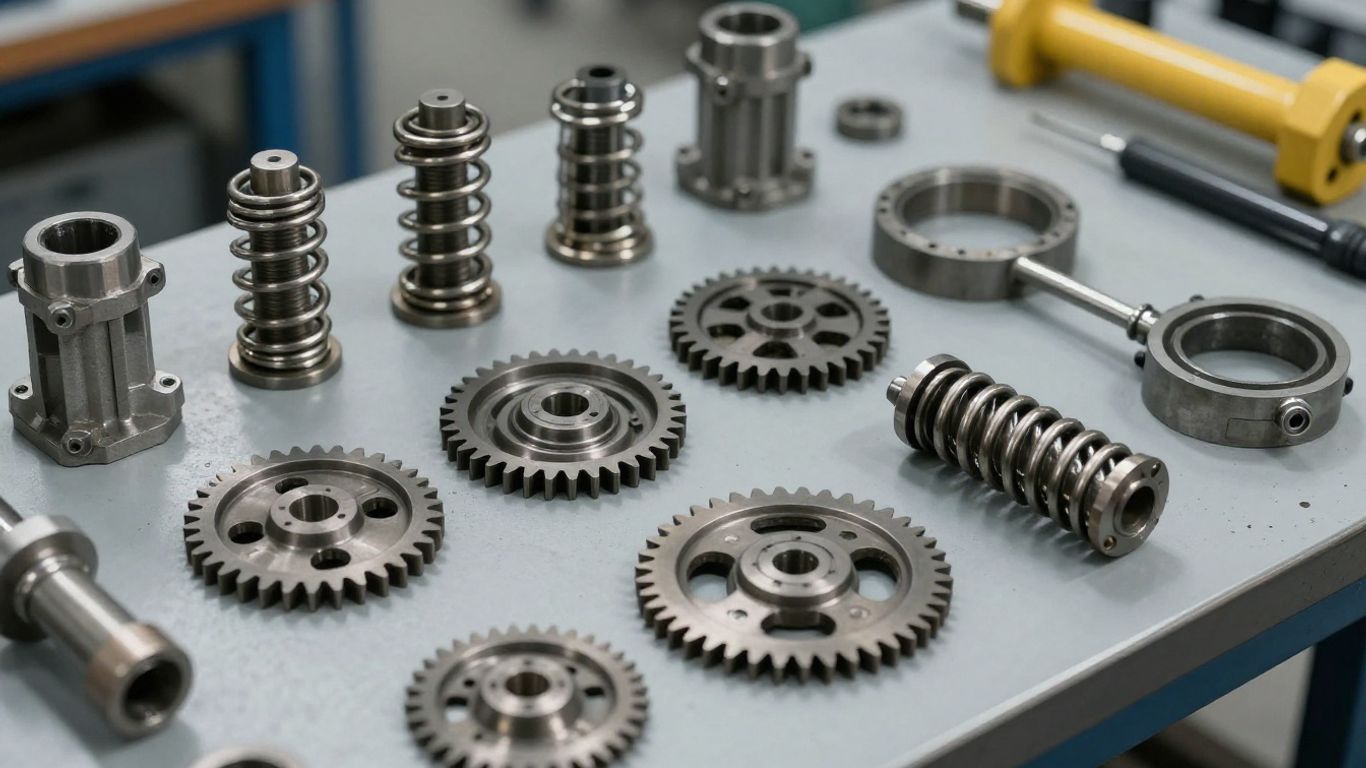
When purchasing a unit, the depth of refurbishment varies by the category of the component. Used units are salvaged and sold based on their functional state at the time of pull, while rebuilt and remanufactured units undergo significant internal modifications to restore their efficiency.
| Unit Type | Part Replacement Depth | Performance Restoration |
|---|---|---|
| Used | Minimal (Fluid/Filter) | OEM Baseline |
| Rebuilt | Worn components replaced | Adjusted for performance |
| Remanufactured | All wear points restored | Factory specification |
These categories allow you to weigh the direct cost against the expected level of restoration provided within each specific build.
Testing protocols for various unit types
Testing methods ensure that the unit functions as expected once installed in your vehicle environment. Remanufactured units often undergo rigorous dyno testing to verify gear shifting and pressure holding before they are cleared for shipping. Conversely, reputable sellers conduct static bench tests on used units to ensure hydraulic integrity.
Expected performance lifespans
Predicting the remaining utility of a transmission involves looking at both age and usage patterns. An assembly that has been fully rebuilt often features new seals and friction plates, which contributes to a longer anticipated service life compared to a high-mileage salvaged unit. Balancing the initial cost against the duration of ownership should dictate which route you decide to take.
Tips for evaluating seller reliability and warranty terms
Working with a trusted partner is just as important as the quality of the transmission itself. The relationship between the buyer and the seller revolves around transparency and clear expectations regarding post-purchase issues. Evaluating a vendor requires moving past the price tag to analyze their commitment to their customers.
Identifying reputable salvage yards vs. online marketplaces
Marketplaces can be filled with anonymous sellers, whereas established salvage businesses often have a physical footprint and years of operational history. Look for providers that focus on maintaining records for their inventory and show a willingness to answer technical questions about the donor’s condition. A business with a history of positive interactions in the automotive community is usually a safer bet.
Clarifying the coverage of parts and labor warranties
Understanding the specifics of a warranty prevents future conflicts when unexpected mechanical issues arise. It is important to know exactly what is protected and what the claim process looks like if a problem occurs shortly after installation.
The terms of any warranty should include clear details about how claims are processed should a failure occur soon after installation. Review the documentation carefully to ensure you understand both the duration of coverage and the requirements for proper installation to maintain that validity.
Having these details in writing before you complete the financial transaction provides peace of mind throughout the period of your coverage.
Understanding return policies and freight damage protection
Transit of heavy components like transmissions occasionally results in handling damage. A reliable seller ensures their shipping methods protect your investment against accidents. Always confirm their policy on returns and whether they provide coverage if the item arrives with structural damage that occurred during transit.
Installation and post-purchase maintenance
Properly installing your new acquisition is the final step in getting your Chrysler back on the road. The longevity of your purchase relies heavily on how well the surrounding systems are integrated with the replacement unit. By addressing the peripheral components during the installation process, you avoid common issues that could prematurely damage your new transmission.
Ensuring proper flushing of the cooling system
Transmission fluid is cooled by cycling through a radiator line, which can often accumulate debris. Before starting the new assembly, you must flush the cooling lines to ensure no contaminants from the old, failing unit enter your fresh transmission. Failing to perform this step can lead to immediate valve body clogging and erratic shifts.
Programming the transmission control module
Modern transmissions rely on software to regulate shift points and torque converter lockup. Once the hardware is physically secured, you may need to interface with the vehicle’s computer to relearn shift patterns. This electronic handshake ensures that the transmission’s solenoids and the engine control module are communicating in complete alignment.
Establishing a new service schedule
Consistency maintains mechanical health over the long term. Once your transmission is installed and verified, mark your calendar for a service interval that includes a filter change and a fluid check. Regularly monitoring the condition of the fluid and the performance of the shifting will provide early warning signs if anything begins to stray from factory standards.
Conclusion
Investing in second hand Chrysler transmissions is a logical way to extend the lifespan of your vehicle without overspending. By focusing on accurate model identification, verifying the condition of the unit, and ensuring a correct installation, you secure reliable transportation for years to come. With careful planning and attention to service, your chosen component will perform effectively, keeping your Chrysler operating exactly as it was intended to on the road.