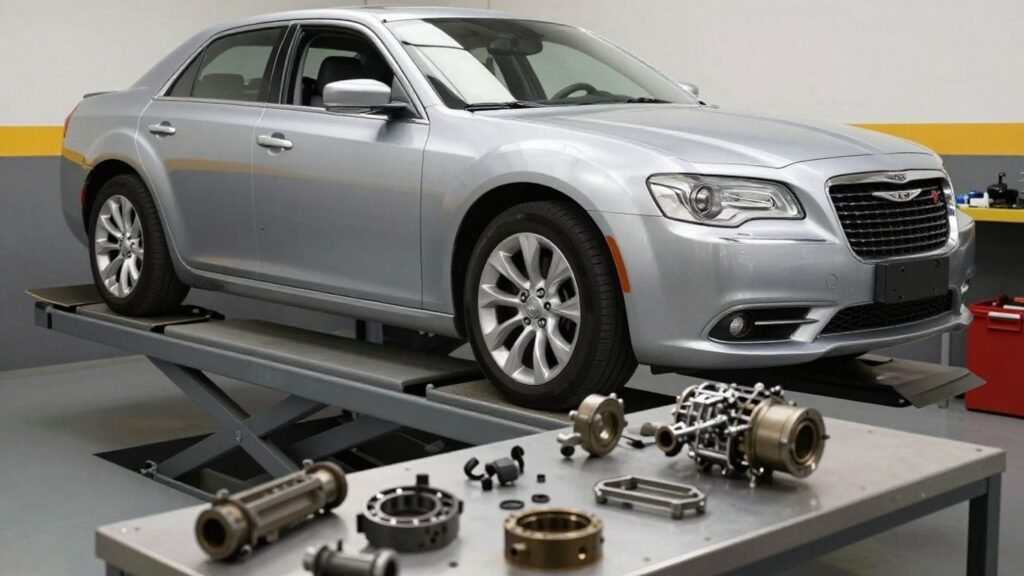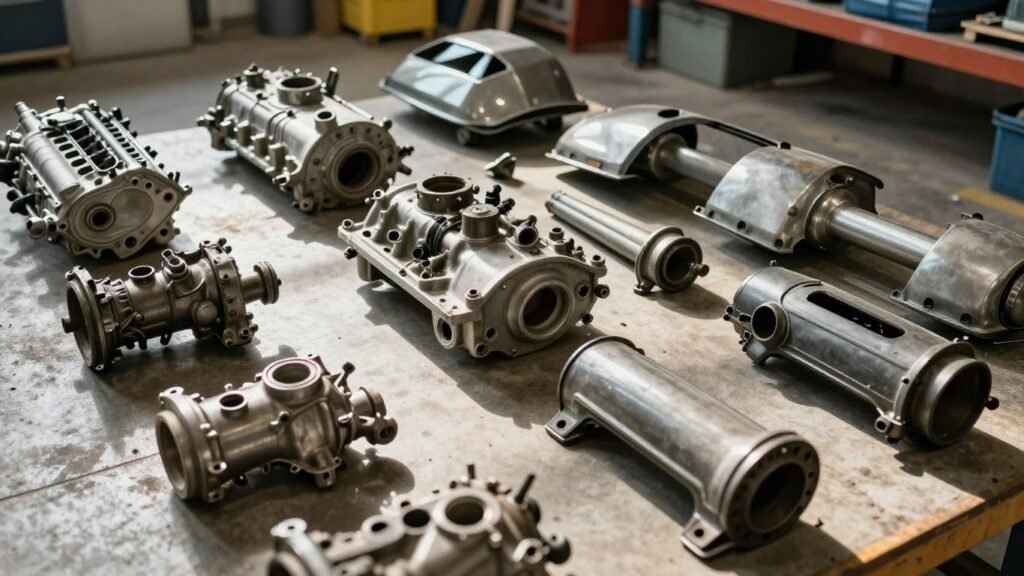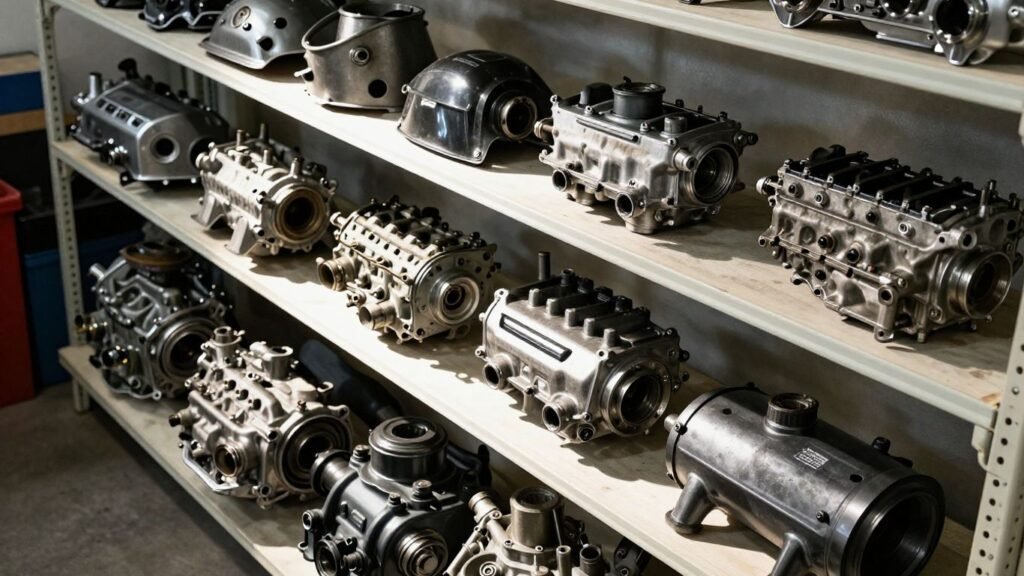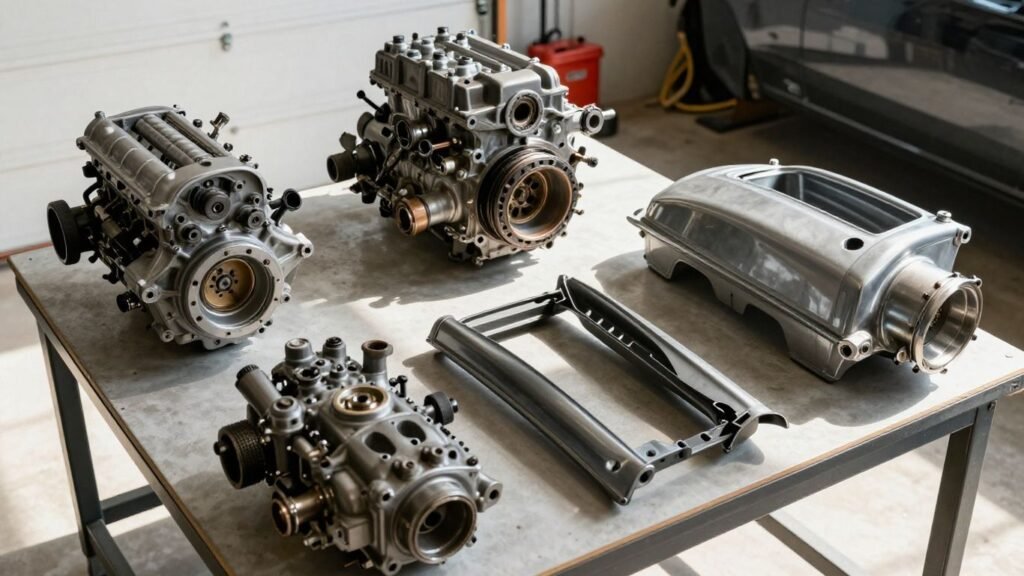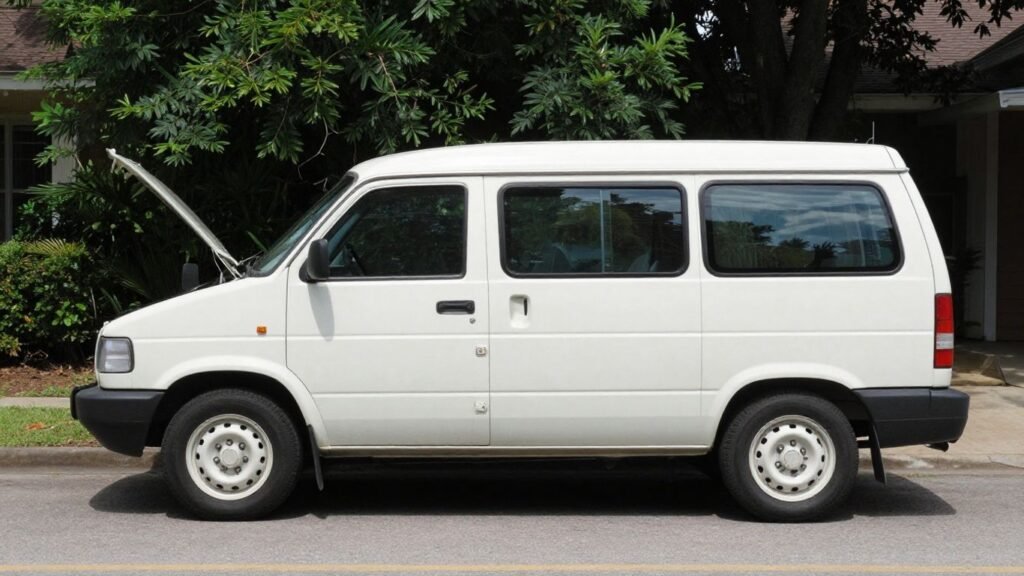
How to find reliable Grand Voyager used parts
Key Takeaways Finding the right components for your minivan shouldn’t be a gamble. This guide helps you navigate the secondary market to keep your vehicle running smoothly for years to come. Quality assessment is the most critical step before making any purchase. Always verify the compatibility of parts using your unique vehicle identification number. Buying used components supports a sustainable circular economy for automotive repairs. Reputable sellers provide clear history reports and transparent testing protocols. Protect your bank account by prioritizing parts that carry a functional warranty. Understanding the benefits of buying Grand Voyager used parts Maintaining a family vehicle often involves balancing quality with budget constraints, especially as vehicles age. Sourcing components from the secondary market provides a practical alternative to dealership prices while keeping older road-tested models active. It requires patience and diligence, but the long-term payoff makes it a smart strategy for many owners. Cost-effectiveness compared to original equipment manufacturer new components Opting for pre-owned parts can yield significant savings when compared to ordering brand-new items directly from a dealer. You are essentially paying for residual life rather than the markup inherent in retail distribution channels. This approach allows car owners to prioritize high-quality replacement parts without depleting their emergency savings, ensuring the family budget stays intact while the vehicle receives the maintenance it needs to remain functional. Environmental impact of circular economy and automotive part recycling When we choose to reuse, we actively participate in a circular economy that reduces the demand for raw materials and energy-intensive manufacturing processes. Recycling automotive components prevents perfectly functional steel, aluminum, and plastic assemblies from filling landfills prematurely. By extending the lifecycle of a component, we contribute to a reduction in the overall carbon footprint associated with vehicle upkeep, turning what might be waste into a valuable resource. Availability of discontinued or hard-to-find components for aging models As models age, manufacturers inevitably cycle through production runs, making specific parts elusive in the new-parts market. Used part networks serve as an essential lifeline for these classic or overlooked vehicle years. If you own an older Chrysler, you often find that the only way to restore specific trim or interior components involves digging through inventory that has been salvaged, which serves as a necessary bridge for long-term preservation. Identifying the right sources for used components Navigating the massive landscape of automotive salvage requires a discerning eye to separate professional entities from casual sellers. You should seek out suppliers who catalog their inventory systematically, whether they operate physical yards or digital platforms. Identifying a supplier that understands the specific nuances of a Grand Voyager will save you significant time and potential frustration during the procurement process. Evaluating local salvage yards versus national inventory networks Local yards offer the immediate benefit of a visual inspection and zero shipping costs, which can be ideal for heavy metal assemblies like suspension arms or doors. Conversely, national inventory networks provide a much broader reach when you are hunting for specific mechanical parts that aren’t available locally. Most professional operations now utilize sophisticated digital tracking, making it easier than ever to ping a warehouse across the state to request a specific component. Verifying the reputation of online auto-part marketplaces Online platforms act as a middleman between dismantlers and the public, providing a layer of security through user feedback and transaction protection. Before clicking buy, investigate the seller’s history and pay attention to how they handle disputes or shipping damage claims. Reputable marketplaces often badge their top-tier sellers, giving you a baseline of confidence that the person on the other end is experienced in shipping fragile automotive hardware. Recognizing key indicators of trustworthy professional dismantlers Trustworthy operations are defined by their organization and honesty about part quality. A professional dismantler will provide detailed photos of the exact part, not a stock image, and will openly discuss the known history of the donor vehicle. When a seller demonstrates transparency regarding the origin of the item, they are much more likely to be a partner in your restoration rather than just a faceless vendor. Assessing the condition of Grand Voyager parts before purchase Evaluating the state of a used part requires moving beyond surface-level aesthetics to judge structural and operational integrity. You should look for details that indicate how the donor vehicle was treated during its time on the road. Taking a methodical approach to this assessment will minimize the risk of installing a faulty component that requires another pull and replacement later. Interpreting mileage and donor vehicle history reports Mileage is just one indicator of a part’s remaining life, but it should be weighed against the maintenance history of the donor. A vehicle with higher mileage that was regularly serviced might yield a cleaner part than a low-mileage vehicle left to rot in a field. Always check the primary record for collision notes, as these can impact the integrity of the chassis parts. Assessment Factor Preferred Condition Risk Indicator Odometer reading Low to moderate Excessive wear Previous maintenance Detailed records No history available Collision history Clean title Frame damage noted Using this table helps you categorize the risk level associated with specific donors, ensuring you don’t commit to a part that has hidden structural compromises. Inspecting for physical signs of wear and corrosion on metal assemblies Metal components, such as control arms or engine mounts, should be scrutinized for uneven oxidation or signs of metal fatigue. While light surface rust is often cosmetic and easily removable, deep pitting or flaking indicates the structural metal has been compromised by environment or age. If a part shows signs of deformation or cracking, pass on it immediately, as these components are critical for safe vehicle operation. Evaluating the testing protocols used by sellers for electrical components Electrical parts are notoriously difficult to inspect visually, so you must rely on the seller’s bench-testing results. Ask specifically if the unit was tested while powered on or if it was only inspected for visual continuity. When dealing with complex systems from Stellantis, knowing that a