
Key Takeaways
- Chrysler models emphasize versatile interior configurations and family-friendly storage systems.
- Modern engine designs balance power output with fuel efficiency across the lineup.
- Advanced safety and driver-assist features are integrated into current vehicle architectures.
- Custom driving modes allow users to modify performance profiles for various road conditions.
- Consistent maintenance of transmission and braking systems ensures long-term vehicle reliability.
Overview of modern Chrysler vehicle engineering
Modern automotive engineering requires a delicate balance of complex power systems and refined passenger safety. Engineers focus on delivering a driving environment that remains both responsive and comfortable during extended trips. These efforts toward Chrysler Models Specific stability ensure that every vehicle operates under a cohesive design strategy. The resulting mechanical harmony defines the current manufacturing standard.
Evolution of the Chrysler engine lineup
The development of powerplants within this manufacturer centers on refining the combustion process. Recent V6 engines prioritize a smooth power delivery that minimizes noise while maximizing torque. By carefully managing thermal efficiency, the design team creates engines that maintain consistent performance in diverse climates. These engineering choices provide drivers with the necessary acceleration for highway merging without sacrificing the quiet cabin experience.
Safety integration in contemporary designs
Safety is woven into the chassis architecture through the use of reinforced steel components and strategic impact zones. Modern designs incorporate a network of sensors that monitor surroundings to prevent potential collisions before they occur. This technical framework functions silently in the background, providing peace of mind during everyday commuting or longer family excursions. By prioritizing occupant protection, the brand maintains a high standard for family-oriented vehicles.
Ergonomics and interior design philosophy
Interior spaces are crafted to facilitate ease of use for drivers and passengers alike. The layout prioritizes touchpoints that are intuitive, ensuring that controls remain reachable and straightforward to operate during transit. A focus on material quality creates a cabin atmosphere that feels both professional and durable for high-frequency use. Ergonomic studies guide the placement of every dial and display to minimize distraction while maximizing functionality.
Chrysler Pacifica: feature highlights and capabilities
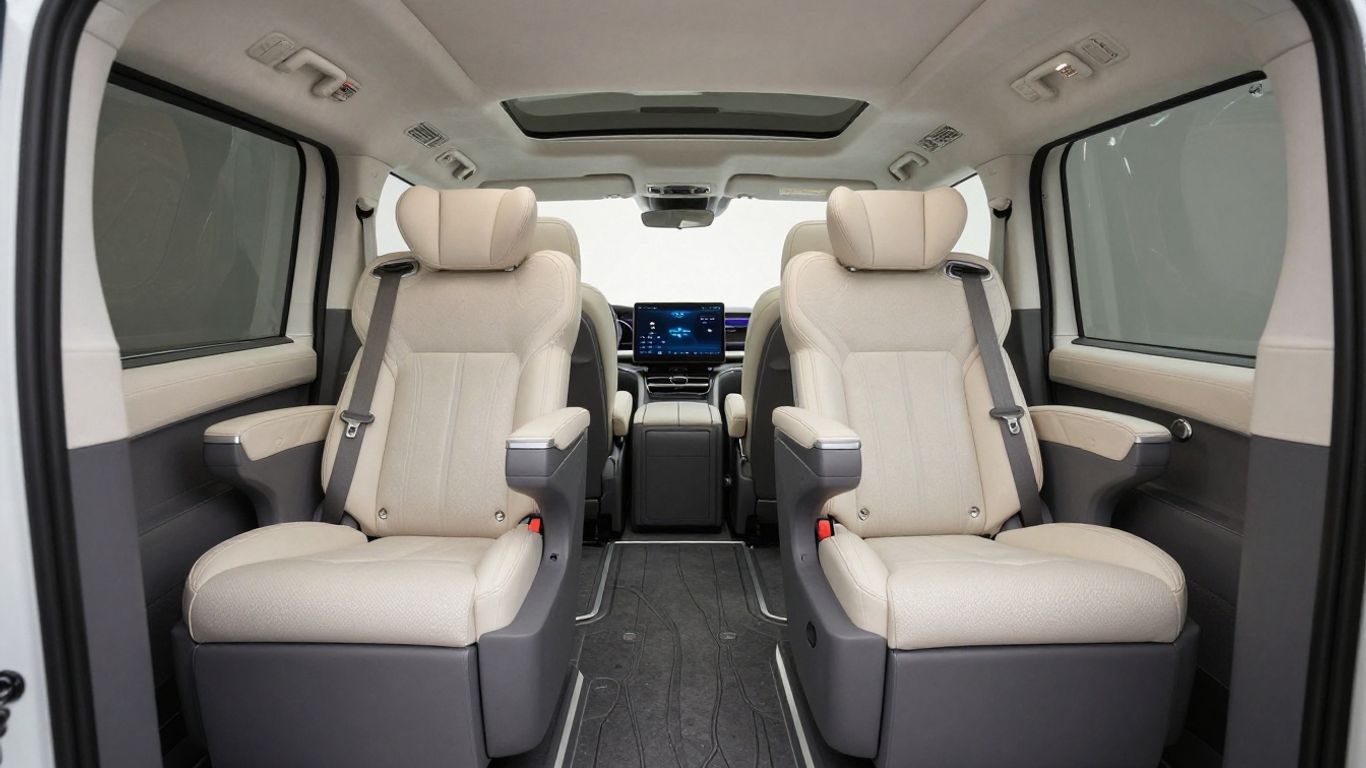
The Chrysler Pacifica serves as a primary example of how high-capacity design can meet modern convenience requirements. This vehicle integrates advanced seating solutions with a refined infotainment interface to deliver a comprehensive family transport experience. By focusing on modularity and connectivity, the platform provides a flexible interior that adapts to shifting needs. Whether hauling gear or passengers, the configuration remains efficient and highly capable.
Stow ‘n Go seating system mechanics
This proprietary seating architecture allows for rapid transformation of the cabin floor into a flat cargo-hauling surface. Designers engineered the mechanism to operate without removing seats, keeping the components onboard for instant switching. This approach eliminates the physical burden of lifting heavy benches while maintaining maximum capacity for diverse load requirements. Secure locking latches ensure that the seats remain stable during regular use or when folded away completely.
Infotainment and digital connectivity options
Digital suites provide occupants with constant access to navigation, entertainment, and communication tools. The interface utilizes high-resolution screens that support seamless integration with mobile software environments. Reliability in these connections remains a central priority, allowing the cabin occupants to remain linked to their digital lives throughout the journey. Standard updates contribute to a system that evolves rather than becoming obsolete.
Handling and suspension configurations
The suspension tuning on this platform provides a ride quality that minimizes road irregularities while maintaining sharp control. By optimizing shock absorption and spring rates, the chassis remains level during tight turns or uneven road surfaces. This balance provides a stable experience for all passengers, reducing fatigue on long trips. Such attention to mechanical geometry ensures the vehicle feels composed in busy traffic or high-speed transit.
Assessing fuel efficiency and hybrid variants
Engineering efforts target improved energy management through efficient transmission gearing and hybrid powertrain strategies. These configurations allow the vehicle to balance substantial towing or passenger capacity with improved fuel economy figures. Drivers can monitor their efficiency through the instrument panel, which provides real-time data on power usage. This information enables better decision-making regarding throttle control and sustainable driving patterns during daily commutes.
Understanding the Chrysler Voyager functionality
Functionality serves as the cornerstone for the Chrysler Voyager, a model designed to satisfy high-capacity requirements while maintaining a focus on core utility. The layout simplifies the ownership experience by providing essential features that prioritize reliable, daily transportation. Through a straightforward design approach, the vehicle remains accessible for families who require significant passenger space and adaptable cargo environments. Success here relies on the ability to combine durability with a functional interior architecture.
Balancing value with passenger capacity
Maximizing space efficiency allows for comfortable seating across several rows without creating an overly cumbersome exterior profile. Engineers focused on smart storage niches that utilize every cubic inch of the interior volume. This strategy creates a cabin that accommodates seven occupants comfortably while still providing ample room for their belongings. The focus on utility keeps the vehicle focused on its primary mission of efficient, mass-occupant transit.
Standard technology suite for base models
Base technology packages include essential tools for safety and connectivity, ensuring that every user benefits from modern capabilities. The software interfaces prioritize quick response times for critical vehicle operations, such as climate control and audio management. By streamlining these systems, the design ensures minimal learning curves for new owners. These components are selected for their longevity and reliability in varied environmental conditions.
Interior layout and cargo storage solutions
Storage solutions are built into the doors, floor, and seat backs to provide versatility during travel. Thoughtful placement of these items allows families to keep essential supplies accessible at all times. The interior materials are selected for their resilience against the rigors of heavy use, ensuring that the cabin maintains its appearance over years of service. Cargo areas are configured to provide low lift-over heights for easier loading of heavy equipment.
Performance and driving modes across Chrysler models

Performance profiles across the brand allow users to adapt their vehicle behavior to match changing environmental demands or personal preferences. By altering electronic parameters, the system delivers a tailored ride that ranges from comfort-focused to road-ready grip. These settings work in tandem with the powertrain to provide a custom driving experience. Advanced algorithms ensure these transitions occur smoothly when the driver shifts modes while the vehicle is in motion.
Customizing throttle and shift points
Engineers map the powertrain to provide specific response curves that dictate how quickly the transmission downshifts and how aggressively the engine builds revs. Customization allows for a more relaxed power delivery, which helps in saving fuel during steady-state cruising. Conversely, drivers can request more immediate power availability, leading to a sharper experience that prioritizes responsiveness. This fine-tuned control ensures the car reflects the driver’s intent in real-time.
Differences between Eco and Sport modes
Eco mode is designed to optimize the vehicle for maximum fuel economy, while Sport mode focuses on immediate performance and handling feedback. Eco mode softens throttle inputs and encourages the transmission to upshift early, keeping engine speeds low. Sport mode, found in the Chrysler 300, keeps the transmission in lower gears for longer periods and stiffens the steering feel for dynamic output. Each mode provides a distinct mechanical personality suited to different driving scenarios.
Performance modes allow for real-time adjustment of vehicle dynamics to ensure driving behavior remains consistent with the surrounding traffic conditions and road topography.
Traction control for adverse road conditions
Advanced traction control systems monitor wheel speed to detect slippage on slick surfaces. These sensors instantly reduce engine output or apply targeted braking to regain mechanical grip before the driver notices a loss of stable footing. This active safety feature is crucial for maintaining control during rain, snow, or loose gravel. Reliable operation of these systems is a hallmark of the brand’s approach to all-weather engineering.
Maintenance requirements for specific Chrysler systems
Maintenance involves consistent tracking of fluid health and electronic health to ensure total vehicle readiness. By following a structured inspection schedule, owners protect the longevity of vital internal components. Specialized service requirements, such as checking filter cleanliness and component software versions, play an important role in avoiding unexpected downtime. These inspections are a vital part of the ownership experience for high-usage models.
Transmission fluid and filter intervals
The transmission remains one of the most mechanically complex systems, requiring clean fluid to operate optimally. Routine changes extend the life of clutch packs and gear sets, ensuring smooth shifting across the life of the vehicle. Following the recommended service intervals for these fluids is essential for preventing premature wear. Professionals often inspect the magnet for debris during these services to gauge the internal health of the unit.
Managing electronic component updates
Electronic components rely on high-fidelity sensors that require periodic calibration or software patches. These updates ensure that the vehicle monitoring systems communicate correctly with the main control module. Ignoring these updates can lead to reduced performance or misinterpreted data from exterior sensors. By maintaining the latest software version, owners ensure that their electronic systems continue to function as intended by the manufacturer.
Braking system inspections for heavier models
Heavier vehicles, such as minivans, place significant demand on the braking components during daily operation. Regular evaluation of pad thickness and rotor surface integrity is required for consistent stopping performance in emergency scenarios. Because these models support significant passenger capacity, the braking systems are sized to handle higher thermal loads. Professional inspections verify that all calipers and hydraulic lines are free of fluid leaks or air trapped in the lines.
Technological advancements in recent Chrysler iterations
Technology is now a fundamental component of the vehicle, acting as a secondary nervous system that connects the driver to the machine. The integration of software suites into the cabin has revolutionized how owners interact with their vehicles. These advancements improve convenience while strengthening the overall safety framework of the automobile. Every new iteration builds upon previous capabilities to create an increasingly interconnected experience.
Driver-assist systems and sensors
Modern sensors such as ultrasonic distance monitors and cameras inform the driver about potential obstacles in their path. These systems form a defensive perimeter, warning occupants whenever spatial clearance falls below safety thresholds. Through constant data collection, these sensors enable features like parking assistance and collision mitigation. This reliable sensor suite acts as an essential guardian during city driving and highway maneuvers.
Remote vehicle monitoring features
Remote connectivity allows owners to check the operational status of their vehicle from mobile devices. Users can monitor fuel levels, location, or pending maintenance alerts without having to be physically present at the vehicle. This level of transparency makes ownership simpler and more predictable. It removes the guesswork from vehicle readiness, ensuring the owner is informed well in advance of needed attention.
OTA software updates for cabin electronics
Over-the-air updates permit the manufacturer to send functional improvements directly to the vehicle’s onboard computers. Updating cabin electronics remotely prevents unnecessary service visits for minor software enhancements. These patches can improve media connectivity, expand menu options, or refine existing climate logic. This process keeps the internal technology current, allowing the vehicle to benefit from ongoing research and development.
Conclusion
Defining the performance and utility of these vehicles requires a focus on the engineering decisions that make a platform reliable and adaptable. By understanding the mechanical and digital systems that govern these models, owners can better utilize the features designed to improve their daily experience. Reliability, safety, and performance remain the guiding principles for the brand’s engineering roadmap.