Key Takeaways
Maintaining a reliable vehicle requires a clear understanding of the various component options available for your car. This guide helps you navigate the complexities of sourcing parts effectively.
- Select OEM components for critical mechanical systems to ensure longevity.
- Utilize verified salvage facilities to achieve significant project cost savings.
- Always confirm VIN compatibility before finalizing any online order.
- Prioritize cooling and suspension maintenance to mitigate common failure risks.
- Account for specialized freight requirements when handling heavy structural parts.
Types of 300C parts and their uses
Choosing the right components defines whether your project succeeds or faces recurring maintenance hurdles. Whether you are addressing a mechanical failure or performing long-term upkeep, knowing the nuances of parts selection preserves the integrity of your Chrysler 300.
OEM versus aftermarket performance parts
Original Equipment Manufacturer components are engineered to fit your specific build without modifications. Companies like Redline360 provide diverse options for enthusiasts looking to explore aftermarket performance levels for daily driving and track applications.
Identifying mechanical versus cosmetic components
Mechanical systems such as the powertrain and suspension rely on strict manufacturing tolerances to function. Cosmetic trim pieces, conversely, primarily serve aesthetic purposes and may offer more flexibility regarding the use of reproduction elements.
Importance of compatibility by model year
Vehicle engineering changed throughout production runs, meaning parts often have specific compatibility windows. Cross-referencing your build date remains the most effective way to prevent installation issues with critical engine or chassis components.
Sourcing legacy parts for older 300C trims
Finding rare trim pieces for older models can feel like a scavenger hunt. Collectors often rely on specialized networks or vintage inventory databases that retain stock from previous production cycles.
Where to buy 300C parts online
Navigating the digital landscape for components can be overwhelming due to the sheer volume of retailers. Focusing on platforms that guarantee compatibility or offer transparent condition reports simplifies your search significantly.
Authorized dealership parts counters
Dealerships provide the most accurate access to factory-original parts lists that align with your vehicle’s build. They are the primary resource when specific, hard-to-find components are required to meet exacting factory standards.
Reputable online automotive storefronts
Dedicated automotive merchants often manage large inventories of high-performance parts. These storefronts curate selections that cater to specific needs, ensuring that common upgrades are readily available for enthusiasts who need quality components quickly.
Online marketplaces and independent vendors
Public marketplaces allow you to browse a vast breadth of components often at lower price points. While price is a factor, buyers should prioritize sellers with strong historical ratings to avoid misidentified or significantly worn items.
Direct factory-direct manufacturers
Buying directly from manufacturers cuts out unnecessary intermediary steps. This route is typically ideal for performance-oriented components such as specialized intake or exhaust systems where absolute consistency is required.
Evaluating used 300C parts for quality
Scrutinizing the condition of pre-owned items prevents unnecessary delays in getting your car back on the road. A logical approach to inspecting salvage goods minimizes the risks associated with older components.
Assessing wear and tear on salvage components
Salvage parts must be measured against expected lifespan thresholds before being installed in a working vehicle. Using a standard evaluation framework helps determine if a part is nearing its end-of-life cycle.
| Assessment Category | High-Risk Indicator | Acceptable Status |
|---|---|---|
| Surface Finish | Deep oxidation or pitting | Minor surface scratching |
| Seal Integrity | Dried, brittle rubber | Pliable, firm gaskets |
| Connector Pins | Corroded or bent terminals | Clean, intact wiring |
Using a structured evaluation table ensures that every salvage item meets the necessary threshold for reliable performance before you commit to the purchase.
Checking VIN compatibility before purchasing
Vehicle Identification Numbers act as the ultimate key for matching parts to your specific features. Always cross-reference your VIN with the supplier’s database to avoid ordering components that physically differ from those on your vehicle.
Verification steps for recycled electronics
Electronic control modules require specific verification to ensure the data stored inside is functional. Check with the vendor to confirm that modules have been tested or reset to avoid communication errors with your car’s primary computer.
Reading seller return policies and warranties
Major vendors like Benzeen Auto Parts typically back their used OEM stock with clear warranties. Knowing that a part includes a 1-year guarantee provides necessary peace of mind during the installation of recycled items.
Performance upgrades versus replacement parts
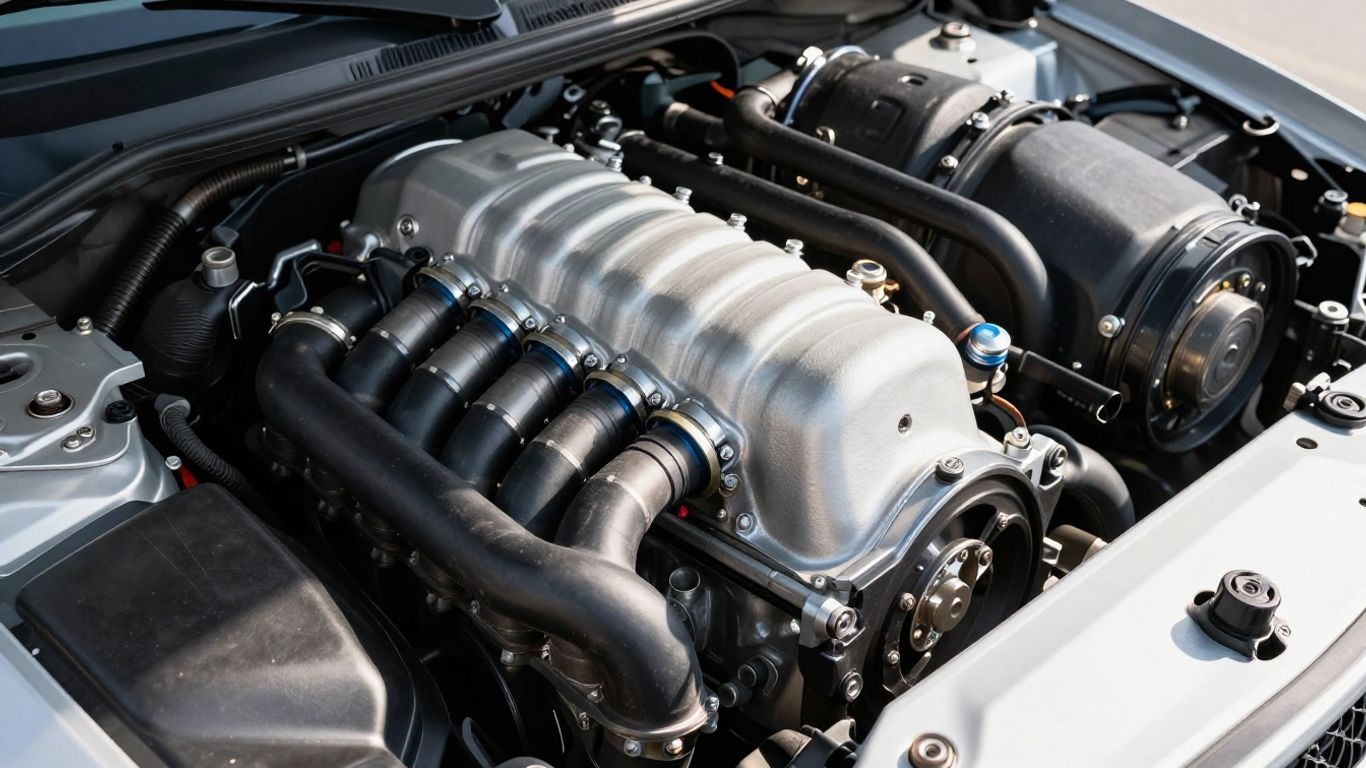
Determining where to invest your budget involves weighing long-term reliability against power delivery improvements. Owners who make informed decisions on specific upgrades often find that balancing maintenance with refinement creates a better driving experience.
Improving exhaust and intake efficiency
Boosting airflow through refined exhaust and intake systems allows the engine to breathe more effectively under load. This process, when managed with compatible hardware, ensures responsive throttle control without sacrificing longevity.
Small modifications to the air induction or exhaust path can yield noticeable improvements in engine response. These changes work best when they complement the original engine mapping rather than fighting against it.
Upgrading suspension for the 300C platform
Suspension upgrades alter how the chassis handles cornering forces and road imperfections. Focus on components that offer adjustable damping if you frequent varied driving environments to ensure your comfort remains consistent.
Essential maintenance parts to prioritize
Fluids, filters, and ignition components are the foundational elements of any maintenance strategy. Consistently swapping these items protects the engine’s internal components from premature wear caused by debris or old lubrication.
Balancing aesthetic modifications with engine health
Exterior mods like splitters or trim updates should never impede the airflow necessary for engine cooling. Design choices should ultimately honor the thermal requirements that keep the engine running smoothly during extended operation.
Common issues to source parts for
Recognizing repetitive failure patterns in certain automotive systems allows for proactive replacement before a total breakdown. Focusing on these common areas keeps the vehicle performing reliably.
Suspension component failure patterns
The constant stress on control arms and bushings often results in predictable degradation. Replacing these items in pairs ensures that the chassis remains balanced and the steering response stays tight.
Electrical sensor and module glitches
Sensors managing engine timing or internal climate control can eventually succumb to heat or moisture exposure. Keeping a small inventory of high-turnover electrical components can save you from unexpected vehicle downtime.
Transmission and drivetrain wear items
Focusing on fluid changes and seal integrity preserves the life of the drivetrain. If signs of fluid loss appear, addressing the gaskets immediately prevents more significant damage to the transmission internals.
Cosmetic interior trim restoration
Interior wear is common in high-touch areas like the center console or door armrests. Sourcing high-quality trim replacements restores the cabin feel and maintains the vehicle’s long-term resale appeal.
Shipping and handling for heavy 300C components
Large parts require careful logistics planning to ensure they arrive undamaged. Understanding the shipping requirements of body panels or large powertrain items saves costs and prevents potential transit damage.
Freight considerations for heavy body panels
Body panels are susceptible to bending if stored incorrectly during transit. Ensure that any carrier handling these items provides specialized freight services rather than standard courier methods.
Cost-effective local pickup strategies
In some regions, arranging for local pickup from a salvage facility eliminates shipping fees entirely. This requires transporting the parts yourself but also allows you to inspect the item in person before loading it.
Inspecting shipments upon arrival
Document the physical condition of all heavy items immediately after they are delivered. Taking photos of the packaging and the part itself provides evidence to the carrier if any damage occurred during the transit process.
Managing heavy part returns and transit insurance
Always verify that your purchase includes transit insurance covering large items. Having a solid return insurance plan ensures that a bent or damaged panel can be swapped without further expense to the buyer.
Conclusion
Successfully navigating the market for vehicle components requires patience, thorough research, and a commitment to quality over price alone. By prioritizing compatible OEM hardware and understanding when to invest in performance upgrades, you can maintain your vehicle’s performance and comfort for many years to come.