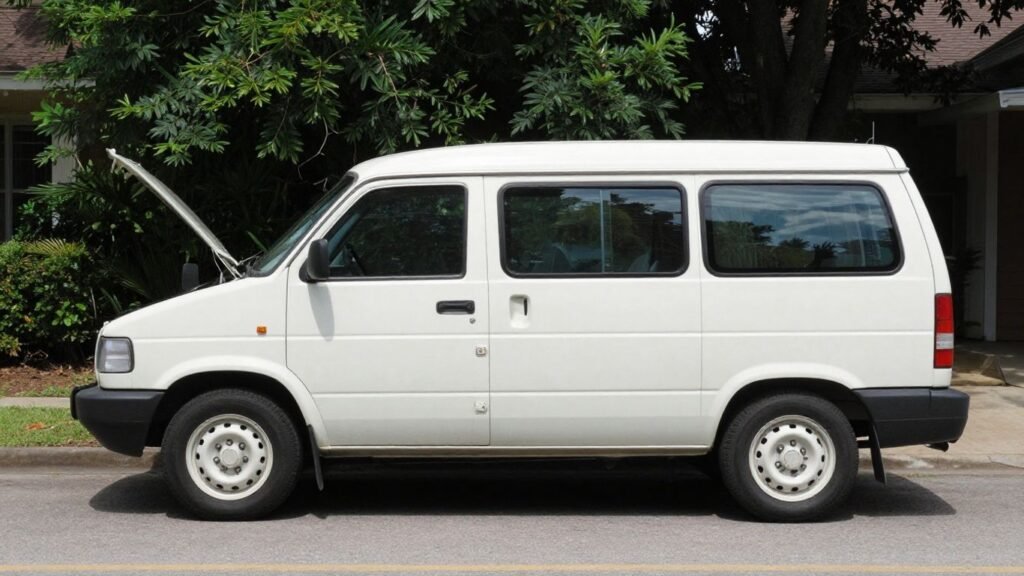
Key Takeaways
Finding the right components for your minivan shouldn’t be a gamble. This guide helps you navigate the secondary market to keep your vehicle running smoothly for years to come.
- Quality assessment is the most critical step before making any purchase.
- Always verify the compatibility of parts using your unique vehicle identification number.
- Buying used components supports a sustainable circular economy for automotive repairs.
- Reputable sellers provide clear history reports and transparent testing protocols.
- Protect your bank account by prioritizing parts that carry a functional warranty.
Understanding the benefits of buying Grand Voyager used parts
Maintaining a family vehicle often involves balancing quality with budget constraints, especially as vehicles age. Sourcing components from the secondary market provides a practical alternative to dealership prices while keeping older road-tested models active. It requires patience and diligence, but the long-term payoff makes it a smart strategy for many owners.
Cost-effectiveness compared to original equipment manufacturer new components
Opting for pre-owned parts can yield significant savings when compared to ordering brand-new items directly from a dealer. You are essentially paying for residual life rather than the markup inherent in retail distribution channels. This approach allows car owners to prioritize high-quality replacement parts without depleting their emergency savings, ensuring the family budget stays intact while the vehicle receives the maintenance it needs to remain functional.
Environmental impact of circular economy and automotive part recycling
When we choose to reuse, we actively participate in a circular economy that reduces the demand for raw materials and energy-intensive manufacturing processes. Recycling automotive components prevents perfectly functional steel, aluminum, and plastic assemblies from filling landfills prematurely. By extending the lifecycle of a component, we contribute to a reduction in the overall carbon footprint associated with vehicle upkeep, turning what might be waste into a valuable resource.
Availability of discontinued or hard-to-find components for aging models
As models age, manufacturers inevitably cycle through production runs, making specific parts elusive in the new-parts market. Used part networks serve as an essential lifeline for these classic or overlooked vehicle years. If you own an older Chrysler, you often find that the only way to restore specific trim or interior components involves digging through inventory that has been salvaged, which serves as a necessary bridge for long-term preservation.
Identifying the right sources for used components
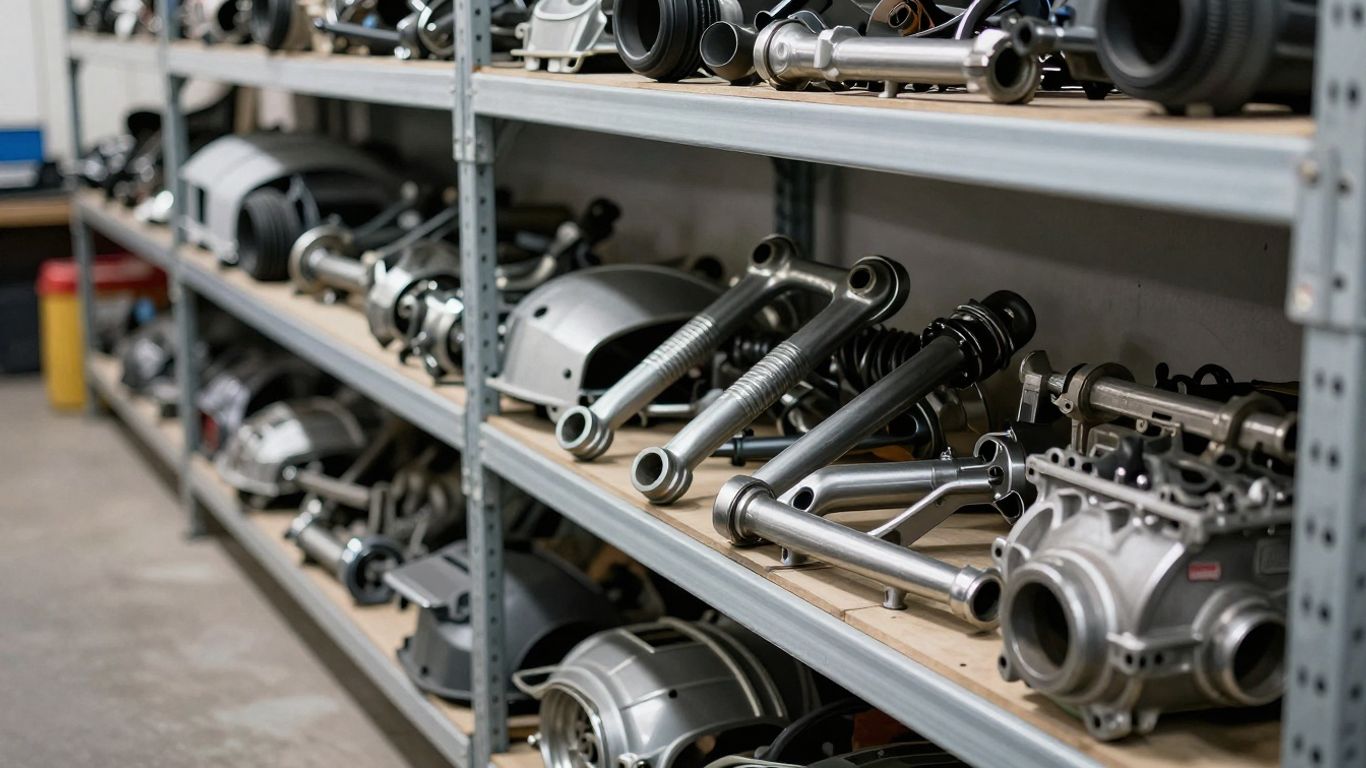
Navigating the massive landscape of automotive salvage requires a discerning eye to separate professional entities from casual sellers. You should seek out suppliers who catalog their inventory systematically, whether they operate physical yards or digital platforms. Identifying a supplier that understands the specific nuances of a Grand Voyager will save you significant time and potential frustration during the procurement process.
Evaluating local salvage yards versus national inventory networks
Local yards offer the immediate benefit of a visual inspection and zero shipping costs, which can be ideal for heavy metal assemblies like suspension arms or doors. Conversely, national inventory networks provide a much broader reach when you are hunting for specific mechanical parts that aren’t available locally. Most professional operations now utilize sophisticated digital tracking, making it easier than ever to ping a warehouse across the state to request a specific component.
Verifying the reputation of online auto-part marketplaces
Online platforms act as a middleman between dismantlers and the public, providing a layer of security through user feedback and transaction protection. Before clicking buy, investigate the seller’s history and pay attention to how they handle disputes or shipping damage claims. Reputable marketplaces often badge their top-tier sellers, giving you a baseline of confidence that the person on the other end is experienced in shipping fragile automotive hardware.
Recognizing key indicators of trustworthy professional dismantlers
Trustworthy operations are defined by their organization and honesty about part quality. A professional dismantler will provide detailed photos of the exact part, not a stock image, and will openly discuss the known history of the donor vehicle. When a seller demonstrates transparency regarding the origin of the item, they are much more likely to be a partner in your restoration rather than just a faceless vendor.
Assessing the condition of Grand Voyager parts before purchase
Evaluating the state of a used part requires moving beyond surface-level aesthetics to judge structural and operational integrity. You should look for details that indicate how the donor vehicle was treated during its time on the road. Taking a methodical approach to this assessment will minimize the risk of installing a faulty component that requires another pull and replacement later.
Interpreting mileage and donor vehicle history reports
Mileage is just one indicator of a part’s remaining life, but it should be weighed against the maintenance history of the donor. A vehicle with higher mileage that was regularly serviced might yield a cleaner part than a low-mileage vehicle left to rot in a field. Always check the primary record for collision notes, as these can impact the integrity of the chassis parts.
| Assessment Factor | Preferred Condition | Risk Indicator |
|---|---|---|
| Odometer reading | Low to moderate | Excessive wear |
| Previous maintenance | Detailed records | No history available |
| Collision history | Clean title | Frame damage noted |
Using this table helps you categorize the risk level associated with specific donors, ensuring you don’t commit to a part that has hidden structural compromises.
Inspecting for physical signs of wear and corrosion on metal assemblies
Metal components, such as control arms or engine mounts, should be scrutinized for uneven oxidation or signs of metal fatigue. While light surface rust is often cosmetic and easily removable, deep pitting or flaking indicates the structural metal has been compromised by environment or age. If a part shows signs of deformation or cracking, pass on it immediately, as these components are critical for safe vehicle operation.
Evaluating the testing protocols used by sellers for electrical components
Electrical parts are notoriously difficult to inspect visually, so you must rely on the seller’s bench-testing results. Ask specifically if the unit was tested while powered on or if it was only inspected for visual continuity. When dealing with complex systems from Stellantis, knowing that a module was pulled from a running vehicle provides a significant layer of assurance regarding its functionality.
Navigating compatibility and part numbering
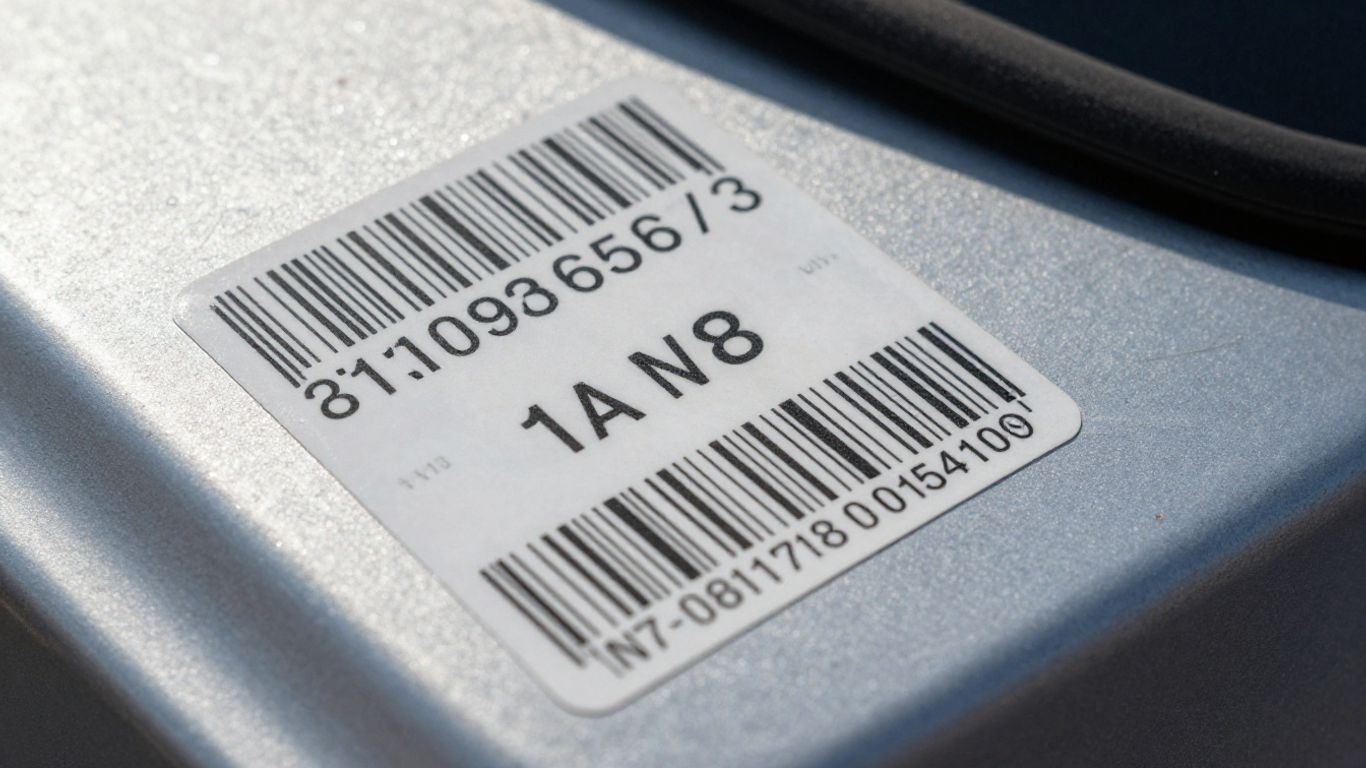
Compatibility is the most common pitfall for those purchasing used parts, especially when minor changes occurred across production runs. Ensuring the part will fit perfectly before you order is the main goal of your research. This section requires careful attention to detail to avoid the common headache of receiving a piece that was engineered for a different production quarter.
Decoding the VIN to ensure specific trim and chassis compatibility
Your vehicle identification number is the ultimate source of truth for every component integrated into your ride. If you feel unsure about a match, use the VIN to cross-reference the part number with official databases, as some parts only fit a specific trim level or axle configuration. Using this number helps maintain the integrity of your factory specifications during repairs.
Matching engine codes and part suffixes to prevent installation failures
Minor variances in engine or transmission codes can lead to major installation hurdles if the suffixes don’t align. You should treat these codes with the same level of importance as the primary part number. There is wisdom in checking technical documentation to ensure total alignment.
Cross-referencing the manufacturer part number with the exact year and engine code of your vehicle is the most effective way to avoid waste. Failing to verify these strings can lead to hours of lost labor and the frustration of needing to process a return for a perfectly good but incompatible component.
By taking the time to match these codes precisely, you avoid the complications of forced fits that inevitably lead to system errors or part failure down the road.
Distinguishing between subtle technical changes across model years
Manufacturers often implement running changes that don’t appear in the marketing literature. A component produced in early 2005 might look identical to one from late 2005, yet utilize different mounting points or electrical connectors. Always compare the physical pinning on connectors and mounting holes if you are buying in person, or request high-resolution images of these areas if shopping online.
Protecting your investment through warranties and return policies
Even when you do your due diligence, components can sometimes fail unexpectedly after installation. A clear understanding of the warranty terms is your primary protection against these unforeseen costs. Mopar and other reputable parts dealers set a high standard for quality, and your used-parts seller should provide at least a modest baseline of coverage for the parts they supply.
Distinguishing between money-back guarantees and limited replacement warranties
It is vital to know whether your seller offers a full refund or if they only provide an exchange for another unit. A limited replacement warranty helps if you receive a dead-on-arrival part, but it leaves you paying for the labor to swap it out twice. Look for sellers who view their products as long-term investments and stand behind them with a clear path to resolution.
Negotiating coverage terms for complex engine or transmission units
When buying major mechanical assemblies, the standard 30-day warranty might not seem sufficient. You may need to negotiate for a longer period, given that major surgery on your minivan takes time to complete properly. Some professionals are willing to extend terms if they trust their quality control process and want to secure a sale for a high-value item.
Understanding the limitations and risks of purchasing parts marked as as-is
Buying an item labeled as-is generally means you forfeit your right to return it regardless of its condition upon arrival. This designation is typically reserved for parts with known defects or salvaged units that haven’t been tested. Only consider these items if you have the technical skill to rebuild them or if you are specifically looking for a donor piece for a custom project.
Installation and safety considerations for used components
Integrating a pre-owned part requires as much attention to detail as buying a new one. The installation phase determines not only how well the part operates but also how long it will last. Whether you are performing the work in your garage or having a shop handle the load, the following steps are vital to ensure everything works as intended.
Deciding between DIY repairs and professional certified installation
If you have the proper tools and experience, a DIY approach can be very rewarding and cost-effective. However, critical safety units like brakes or steering assemblies are best left to licensed professionals who can certify the work performed. Balancing your personal skill level against the safety requirements of the installation is the hallmark of a responsible owner.
Essential deep-cleaning and maintenance steps before final part integration
Before you bolt anything in, take the time to clean the component thoroughly. Remove any dirt or old grease that might mask existing cracks or damage. Depending on the part, this might be the perfect window to replace wearable items like rubber seals, gaskets, or O-rings, ensuring you get maximum utility from the installation.
Validating system performance and safety post-installation
Once the part is installed, your work isn’t fully finished until you observe the system under load. Perform a series of gentle tests and monitor for leaks, unusual noises, or warning lights on your dash. A thorough check confirms that the integration was successful and the minivan is safe for the road ahead.
Conclusion
Successfully sourcing parts for your vehicle is a mix of research, verification, and good judgment. By leveraging professional networks and staying focused on compatibility and condition, you can keep your Grand Voyager running at its best while enjoying the cost and sustainability benefits of the secondary market.