Find Quality Used Engines & Gearboxes at Chrysler Wreckers Parramatta NSW
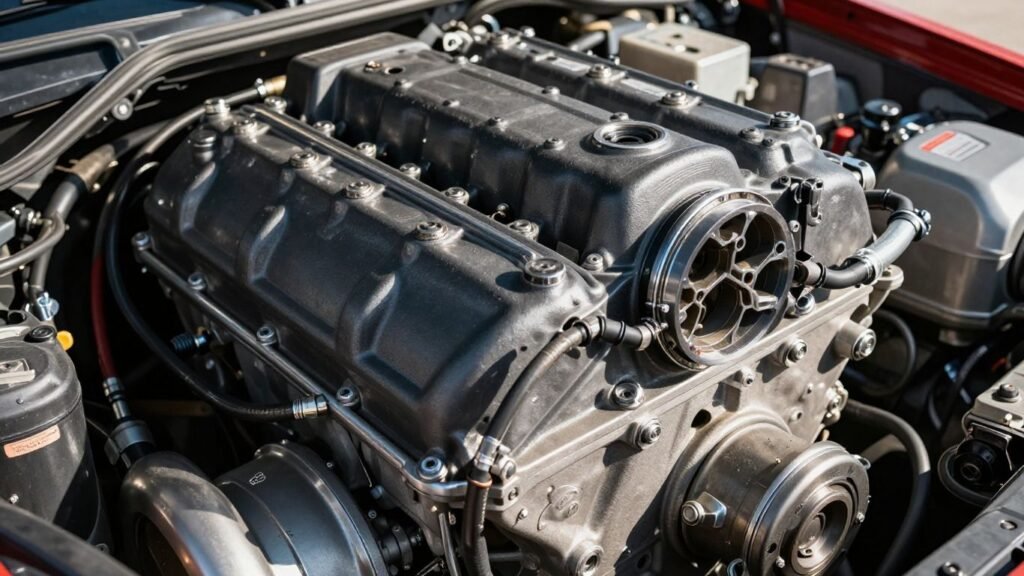
So, your Chrysler is making some weird noises, or maybe it just isn’t running right. It happens. The engine is a pretty big deal for any car, and the gearbox is what makes it go. If you’re in Parramatta, NSW, and need to find replacements for these important parts without spending a fortune, you’re in luck. We’re talking about finding quality used engines and gearboxes from places that specialize in Chrysler vehicles. It can save you a lot of money compared to buying new, and often you can find exactly what you need. Key Takeaways Chrysler wreckers in Parramatta, NSW, offer tested used engines and gearboxes. These parts are a budget-friendly alternative to buying new. You can find components for a wide range of Chrysler models. Local wreckers have specific knowledge about Chrysler vehicles. Using wreckers is an environmentally responsible way to get car parts. Why Choose Chrysler Wreckers Parramatta NSW for Used Engines & Gearboxes Quality Tested Components When you’re looking for a replacement engine or gearbox for your Chrysler, you want to know it’s going to work. That’s where we come in. At Chrysler Wreckers Parramatta NSW, we don’t just pull parts off old cars and sell them as-is. Every engine and gearbox we stock goes through a series of checks. We look for obvious damage, test basic functions, and make sure they meet a certain standard before they even hit our shelves. This way, you’re not just buying a used part; you’re getting a component that’s been vetted for reliability. Affordable Pricing Let’s face it, new parts for any car can be really expensive, and Chryslers are no exception. Buying a used engine or gearbox from a reputable wrecker is a smart way to save a significant amount of money. We aim to provide cost-effective solutions for your vehicle repairs. Our pricing reflects the value of the part while keeping your budget in mind. You can get your car back on the road without the hefty price tag of a brand-new component. Wide Selection for All Models Chrysler has made a lot of different models over the years, from the classic 300C to the versatile Voyager and the stylish Sebring. Finding the exact engine or gearbox you need can sometimes be a challenge. We pride ourselves on having a broad inventory that covers many Chrysler models. Whether you have a newer model or something a bit older, there’s a good chance we’ll have the right part in stock. This wide selection means less searching for you and a quicker fix for your car. Getting the right part the first time saves a lot of hassle. It means fewer trips to the shop and less time your car is sitting idle. Model Common Engine Types Common Gearbox Types Chrysler 300C V6, V8 Automatic Chrysler Voyager V6 Automatic Chrysler Sebring 4-Cyl, V6 Automatic, Manual Finding the Right Used Chrysler Engines Reliable Engine Replacements When your Chrysler’s engine gives up the ghost, it’s a real headache. You need a replacement that’s not just a part, but a reliable solution to get you back on the road. Finding a quality used engine means looking for one that’s been properly checked and comes with some sort of guarantee. It’s not just about the make and model; it’s about the history and condition of the engine itself. A good used engine can save you a ton of money compared to buying new, but you have to be smart about where you get it. Ensuring Engine Performance Getting a used engine isn’t just about plugging it in and hoping for the best. You want to know it’s going to perform as it should. This means the engine should start up smoothly, run without strange noises, and have decent power. At Chrysler Wreckers Parramatta, they take the time to test these engines. They check things like compression, oil pressure, and look for any leaks. This way, you’re not just buying a hunk of metal; you’re buying a working part that’s ready to go. Cost-Effective Engine Solutions Let’s face it, car repairs can get expensive fast. A new engine can cost an arm and a leg, and sometimes, that’s just not in the budget. That’s where a good quality used engine from a reputable wrecker really shines. It’s a smart way to keep your Chrysler running without breaking the bank. You get the performance you need at a price that makes sense. It’s a practical choice for many car owners. Choosing a used engine is a practical decision for many. It balances the need for a functional vehicle with the reality of repair costs. Making an informed choice at a place like Chrysler Wreckers Parramatta can lead to significant savings. Engine Type Typical Cost New (AUD) Typical Cost Used (AUD) 4-Cylinder Petrol $4,000 – $8,000 $1,500 – $3,500 V6 Petrol $5,000 – $10,000 $2,000 – $4,500 V8 Petrol $7,000 – $15,000+ $3,000 – $6,000+ Diesel $6,000 – $12,000 $2,500 – $5,000 Sourcing Quality Used Chrysler Gearboxes Dependable Gearbox Options When your Chrysler’s transmission starts acting up, it’s more than just an annoyance; it can really put a damper on your driving experience. Finding a replacement gearbox can feel like a big task, but it doesn’t have to be. At Chrysler Wreckers Parramatta NSW, we focus on providing reliable used gearboxes that get you back on the road smoothly. We know that a transmission is a pretty complex piece of machinery, and getting the right one is important. We have a good selection for many Chrysler models, so you can find what you need without too much hassle. Smooth Transmission Performance Nobody wants a gearbox that shifts rough or makes strange noises. That’s why we put our used transmissions through checks to make sure they’re in good working order. We want you to have a transmission that feels right when you drive, giving you that confidence behind the wheel. It’s about getting a part that performs well, so you can just enjoy driving your Chrysler again,