Unlock Longevity: How to Extend Your Chrysler Engine Life with Smart Maintenance
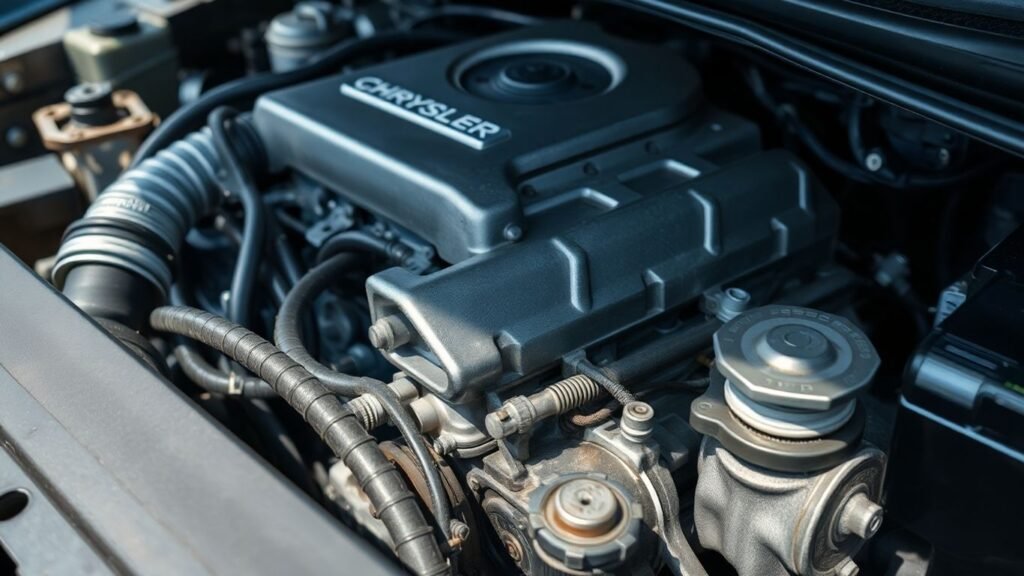
Keeping your Chrysler engine running strong for years to come isn’t some big mystery. It really comes down to a few smart habits and a bit of regular attention. Think of it like taking care of yourself – you feel better and last longer with good food and a check-up now and then. Your car’s engine is no different. We’ll go over some straightforward ways to help you extend the life of your Chrysler engine, making sure it serves you well on all those drives. Key Takeaways Regular oil changes are super important for keeping your engine parts moving smoothly and reducing wear. Don’t forget to swap out your air filter; a clean one helps your engine breathe better for better performance. Keep an eye on your coolant and other fluids – they help prevent your engine from overheating. Pay attention to any weird noises or changes in how your car drives; catching small problems early saves big headaches later. Driving smoothly, avoiding hard acceleration, and letting your engine warm up a bit can make a real difference in how long it lasts. Understanding Your Chrysler Engine’s Needs Your Chrysler engine is the heart of your vehicle, and like any heart, it needs proper care to keep going strong. Think of it as a complex machine that turns gasoline into the power that moves you down the road. When it’s running well, you barely notice it. But when things start to go wrong, it can really put a damper on your day, not to mention your wallet. The Engine: The Heart Of Your Vehicle At its core, your engine is all about controlled explosions. Fuel and air mix, a spark ignites it, and that tiny explosion pushes parts around, creating the motion that drives your wheels. It’s a pretty amazing feat of engineering, but it also means there are a lot of moving parts that need to work together perfectly. Keeping these parts clean, well-lubricated, and at the right temperature is the name of the game for a long-lasting engine. Ignoring even small details can lead to bigger problems down the line. Common Engine Issues And Their Causes Engines can develop a variety of problems. You might notice a loss of power, strange noises, or maybe your car just doesn’t feel right. Overheating is a big one, often caused by issues with the cooling system, like a leaky hose or low coolant. Rough idling or stalling could point to problems with the fuel system or ignition. Sometimes, it’s as simple as a dirty air filter restricting airflow, making the engine work harder than it needs to. Other times, it’s more complex, like internal wear and tear. Ignoring the little things can turn a small fix into a major repair. It’s like not patching a small hole in your roof; eventually, water damage can ruin your whole ceiling. Recognizing Early Warning Signs Of Engine Trouble Paying attention to your car is key. That check engine light isn’t just for show; it’s your car telling you something needs attention. Unusual sounds, like knocking, ticking, or grinding, are also red flags. A noticeable drop in fuel efficiency can mean your engine isn’t burning fuel as cleanly as it should. If you smell strange odors, like burning oil or a sweet smell from coolant leaks, don’t ignore them. These signs are your engine’s way of asking for help before a minor issue becomes a breakdown. Essential Maintenance For Engine Longevity Keeping your Chrysler engine happy and healthy isn’t rocket science, but it does require a bit of regular attention. Think of it like going to the doctor for check-ups – you want to catch any little issues before they turn into big problems. Sticking to a routine maintenance schedule is probably the single best thing you can do to make sure your engine lasts for a long, long time. Consistent Oil Changes For Optimal Performance This is the big one, folks. Your engine oil is like the lifeblood of your engine. It lubricates all those moving parts, keeps things from grinding together, and helps carry away heat and gunk. When that oil gets old and dirty, it just can’t do its job properly. Sludge can build up, and that means more friction, more wear, and eventually, a tired engine. You really don’t want to skip oil changes. Most Chrysler models have a recommended interval, usually somewhere between 5,000 and 7,500 miles, but it’s always best to check your owner’s manual. Using the right type of oil is important too; don’t just grab any old bottle off the shelf. Regular Air Filter Replacement For Efficient Combustion Your engine needs to breathe, just like you do. The air filter is what keeps dirt, dust, and all sorts of other nasty stuff from getting into your engine. If that filter gets clogged up, your engine is basically trying to suck air through a straw. This makes it work harder, uses more fuel, and can even reduce power. Swapping out the air filter is usually a pretty simple job, and it’s a cheap way to make sure your engine is getting all the clean air it needs to run efficiently. Most folks should think about doing this every 15,000 miles or so, or more often if you drive in dusty conditions. Spark Plug Checks For Sustained Engine Power Spark plugs are the little guys that actually ignite the fuel in your engine. When they’re working right, you get smooth power and good fuel economy. But over time, they can get worn out, fouled, or just not fire as strongly. This can lead to a rough idle, hesitation when you accelerate, and generally less pep in your step. Checking and replacing your spark plugs according to your maintenance schedule, often around the 100,000-mile mark, helps keep that engine running strong and responsive. It’s one of those things that makes a noticeable difference in how your car feels to drive. Taking care of these basic maintenance items isn’t just