Find Used Chrysler Engines in Mandurah: Local Pickup & Delivery Options
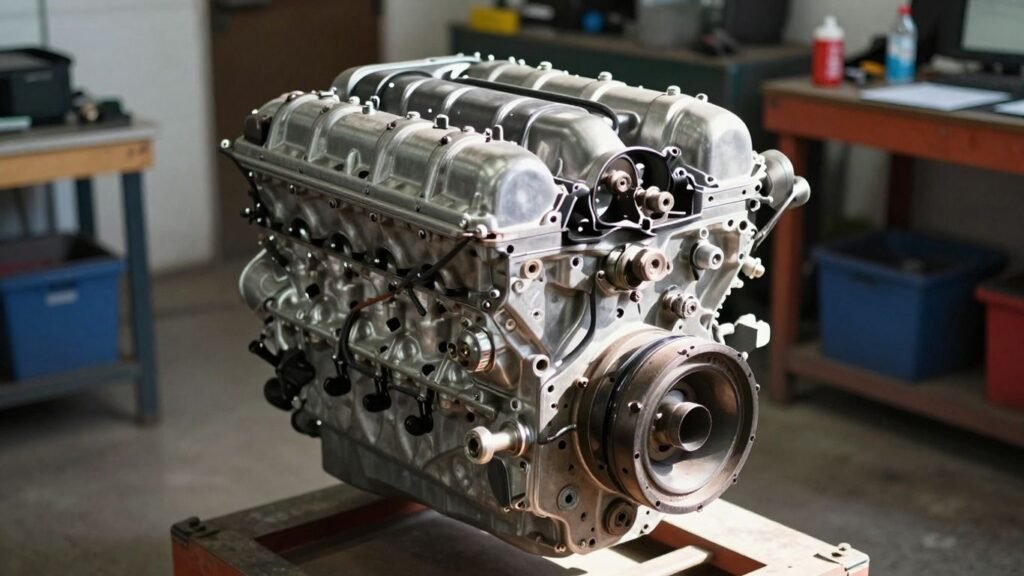
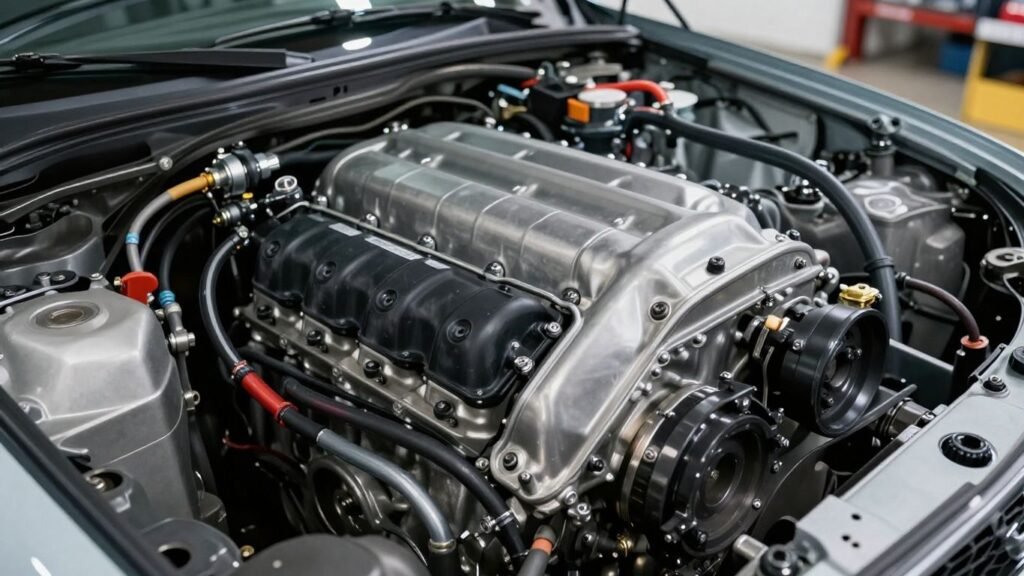
Looking for a used Chrysler engine in Mandurah? It can be a bit of a hassle to find exactly what you need, especially when you’re on a tight schedule. You want a part that’s reliable but doesn’t cost a fortune. Plus, getting it to your location quickly is a big deal. Whether you’re a DIY mechanic or a workshop owner, knowing where to get quality used Chrysler engines with convenient pickup or delivery options in Mandurah makes all the difference. We’ll help you find what you need so you can get back on the road. Key Takeaways Find quality tested used Chrysler engines in Mandurah for affordable prices. Benefit from convenient local pickup and reliable delivery options across Western Australia. Source a wide range of Chrysler engine components and other spare parts. Receive expert advice and honest service from Chrysler specialists. Support environmentally conscious vehicle recycling when purchasing used parts. Finding Used Chrysler Engines In Mandurah Quality Tested Used Chrysler Engines When your Chrysler needs a new heart, finding a reliable used engine in Mandurah doesn’t have to be a headache. We focus on providing engines that have been checked over and tested, so you’re not just getting a part, you’re getting peace of mind. It’s important that the engine you buy is ready to go, and we do our best to make sure that’s the case. We know how frustrating it can be to get a part that doesn’t work, so we put them through their paces before they even get to you. Affordable Pricing for Chrysler Engines Let’s face it, car repairs can add up fast. That’s why we aim to keep our prices for used Chrysler engines as fair as possible. You shouldn’t have to break the bank to get your car back on the road. We work hard to offer competitive prices, making it easier for you to get the engine you need without a massive financial hit. It’s about value – getting a good, working engine at a price that makes sense. Dependable Spare Parts for Chrysler Owners Beyond just engines, we understand that Chrysler owners often need a range of dependable spare parts. Whether it’s a specific component for an older model or something for a more recent vehicle, we strive to have what you’re looking for. Our goal is to be a go-to source for reliable parts, helping you keep your Chrysler running smoothly for years to come. We know these cars, and we want to help you maintain them. Getting the right part at a fair price can make all the difference when you’re dealing with car trouble. We’re here to make that process as straightforward as possible for Mandurah residents and beyond. Local Pickup And Delivery Options For Mandurah Convenient Local Pickup Services If you’re anywhere near Mandurah, swinging by to pick up your Chrysler engine is a great way to save on shipping costs. Our yard is easily accessible, and our team can have your engine ready for a quick grab. It’s a straightforward process – just arrange a time, and we’ll have it waiting for you. This option is perfect for local mechanics or DIY enthusiasts who can make the trip. Reliable Delivery Across Western Australia We understand that not everyone is just around the corner. That’s why we’ve set up a dependable delivery network that stretches across Western Australia. No matter where you are in the state, from the coast to the outback, we can get your used Chrysler engine to you. We work with trusted freight partners to make sure your engine arrives safely and on time. We’ll even help sort out the logistics, so you know exactly what to expect. Fast Shipping for Your Chrysler Engine When you need a replacement engine, time is often of the essence. We aim to get your order processed and shipped out as quickly as possible. For those closer to Mandurah, local delivery can often be arranged for the same or next day. For areas further afield, we’ll provide an estimated delivery window so you can plan your repairs. We know how frustrating it is to wait around for parts, so we do our best to speed things up. Getting the right part to you without hassle is what we’re all about. We handle the shipping details so you can focus on getting your Chrysler back on the road. Why Choose Us For Your Chrysler Engine Needs Expert Advice from Chrysler Specialists When you’re hunting for a used Chrysler engine, it’s not always straightforward. You might have questions about compatibility, the specific engine code you need, or even just what to look for to make sure it’s a good buy. That’s where our team comes in. We’ve spent years working with Chrysler vehicles, so we know these engines inside and out. We can help you pinpoint the exact part you need, saving you time and hassle. Don’t just guess; get advice from people who actually know their stuff. Transparent and Honest Service Nobody likes feeling like they’re being upsold or misled. We believe in being upfront about everything. When you get a price from us, that’s the price. We’ll tell you about the condition of the engine, what testing has been done, and what you can expect. No surprises, just straightforward service. We aim to make the process of finding and buying a used engine as simple and stress-free as possible. Our goal is to build trust with every customer, so you feel confident in your purchase and happy with the service you receive. Trusted Genuine and Aftermarket Parts We know how important it is to get reliable parts for your Chrysler. That’s why we’re careful about what we stock. We offer both genuine Chrysler parts and quality aftermarket options. Every engine and component we sell is checked to make sure it’s in good working order. We want you to get back on the road with confidence, knowing you’ve got a solid engine under the hood. Part Type Condition