Key Takeaways
Buying the right Chrysler part starts with the vehicle details, not the listing headline. A few checks before payment can prevent costly fitment and delivery surprises.
- Have your VIN, model year, trim, and engine details ready.
- Compare the part number and fitment, not just the part’s appearance.
- Check whether the item is genuine, aftermarket, or used, and ask what is included.
- Compare the full delivered cost, including freight and any applicable charges.
- Read the seller’s return and warranty terms, then keep your order records.
Identify the right part for your Chrysler
A listing can look right and still describe a part that will not suit your particular vehicle. Before you contact a seller, gather the vehicle details and any information from the old component. That small bit of preparation makes it easier to ask precise questions and compare options when you buy genuine Chrysler parts Australia-wide.
Find your VIN and vehicle details
Your vehicle identification number (VIN) is a useful starting point when asking a seller to check fitment. You can usually find it on the vehicle and in its registration documents; copy it carefully, including every letter and digit. Have the registration details and the part you are replacing to hand as well, so the seller can compare the request against the vehicle rather than relying on a broad model description.
If you look after more than one make, keep each vehicle’s maintenance records separate; a distinct Alfa Romeo guide covers checks for that marque. For Chrysler parts, the practical point is simple: provide the VIN for the car that needs the component, not one that happens to share a model name.
Check the model year, trim, and engine
The model name alone may not distinguish every version of a vehicle. Production year, trim, engine, body style, and sometimes transmission can all help narrow down the correct part. Use the vehicle’s documentation as your reference, and ask the seller which details matter for the component you need.
A quick comparison of the key details can keep a search focused:
| Vehicle detail | Where to check | Why it helps |
|---|---|---|
| Model year | Registration or vehicle records | Separates different production versions |
| Trim or variant | Vehicle documents or original sales records | Identifies equipment differences |
| Engine | Vehicle documents or engine identification | Narrows down mechanical and related parts |
| Body style | Vehicle records and the car itself | Helps distinguish panels and fittings |
Use the table as a starting point, not a substitute for a fitment check. If one detail is unclear, tell the seller rather than guessing; a clear question now is easier to resolve than a mismatched order later.
Match the part number to your vehicle
If you can read a number from the old part, photograph it and share it with the seller. A number can help identify the component, but it should still be checked against your VIN and vehicle details; a visual resemblance by itself is not proof of compatibility. When the old label is missing or damaged, explain the part’s location and function, and send clear photos from more than one angle.
You can also use a VIN and part-number matching guide to organise the checks before placing an order. Treat any suggested match as something to confirm with the seller, especially if the vehicle has been modified or the replacement part has previously been changed.
Understand what genuine Chrysler parts mean
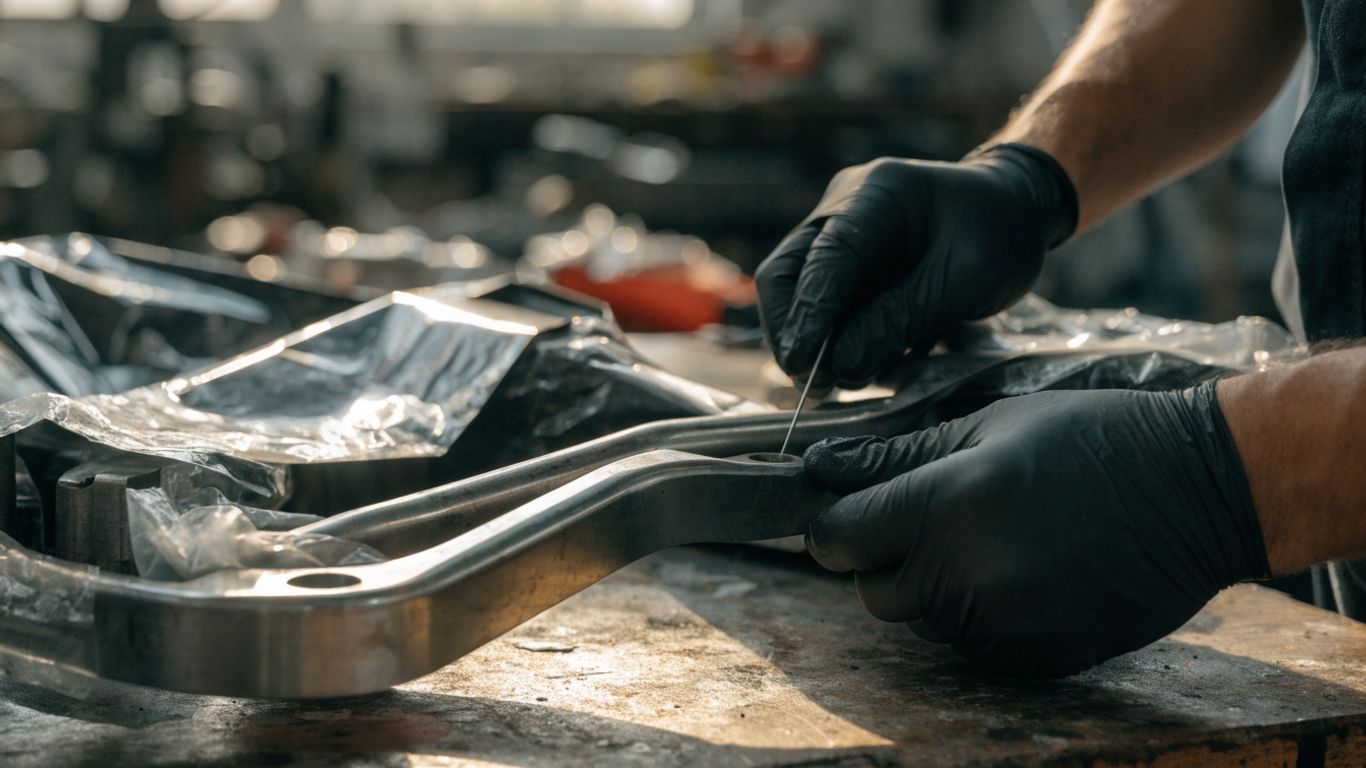
“Genuine,” “OEM,” and “aftermarket” are not interchangeable labels, so ask what the seller means before you compare prices. A genuine part is presented as a manufacturer-branded component, while aftermarket parts are made for replacement use outside that original-branded supply. The description, packaging, and part number can help you understand what is being offered, but fitment and the seller’s terms still deserve a close look.
Compare genuine, OEM, and aftermarket parts
A genuine part may be the choice you prefer when matching the original specification matters to you. OEM is often used by sellers to describe a component associated with original-equipment manufacture, but usage can vary, so ask who made the part and what documentation supports the description. Aftermarket parts may offer a cost-effective alternative; check the listed application, included hardware, and any stated warranty rather than assuming all alternatives are alike.
The distinction is about what you are buying, not a guarantee that one label will suit every repair. Ask for a written description that identifies the part category and confirms the vehicle application. That makes it easier to compare like with like instead of choosing from a headline alone.
Look for Mopar branding and part-number consistency
For a part advertised as genuine, check whether the packaging and labels identify Mopar and whether the number on the part agrees with the listing or quote. You can ask the seller to explain any difference in number or packaging before paying. A Mopar parts catalogue can also help you understand the type of parts sold under that name, but the seller should still verify the specific item for your vehicle.
A number that differs from the one you expected is not automatically a problem; a part may have been updated or replaced by a later number. What matters is getting a clear explanation of the relationship between the numbers and confirmation that the offered component fits your VIN and vehicle details.
Consider when an alternative part may be suitable
An aftermarket or quality used component may make sense when a new genuine part is unavailable, outside your budget, or unnecessary for the repair. Think about the part’s function, condition, age, and the consequences of a failure, then ask what inspection or testing has been carried out. For parts that affect safety or need specialist installation, confirm the choice with a qualified repairer before ordering.
The right alternative is the one that suits the job and is accurately described. If you are comparing options, ask whether the part is new or used, what condition it is in, and precisely what is included; do not infer those details from a low price or a photograph.
Choose where to buy parts in Australia
Your options may include a dealer parts department, an Australian parts retailer, a specialist supplier, or an overseas seller. Availability, advice, delivery time, and return conditions can vary, so compare the service as well as the part itself. A useful seller answers fitment questions clearly and gives you enough written detail to make an informed choice.
Contact a Chrysler dealer or parts department
A dealer parts department is a sensible place to ask about a genuine part or a current part number. Give them your VIN and ask whether the part is available, whether the number has been updated, and what the quoted price and collection or delivery arrangements include. If the item is not in stock, ask for an estimated timeframe rather than assuming it can be supplied immediately.
For a broader overview of genuine and replacement options, the Chrysler parts guide can help you frame the questions you want to ask. A separate Australian supplier, AMCAP Automotive Parts, lists genuine Chrysler parts and accessories and provides contact details for orders; check directly for current availability and terms.
Compare reputable Australian parts retailers
An Australian retailer may be convenient when you want local communication or delivery. Look for a clear business identity, a detailed part description, and a direct way to ask about fitment, stock, and returns. Seller reputation should rest on verifiable service and clear terms, not unrelated marketing techniques such as buying backlinks.
At JustChrysler, you can shop genuine and aftermarket Chrysler parts online; its information also describes tested engines, gearboxes, panels, and accessories. Ask for expert support if a listing leaves any uncertainty, and make sure the part offered is the one confirmed for your car. The point is not to choose a supplier by name alone, but to understand what is being sold and what happens if it does not fit.
Assess overseas sellers and shipping options
An overseas listing can widen the search, particularly for a hard-to-find component, but the advertised price is only one part of the decision. Before ordering, check the seller’s location, dispatch estimate, freight method, return process, and who handles any import-related charges. For a large or heavy item, ask for a delivered quote so you are not comparing a product-only price with a local delivered price.
Some buying checks are specific to their own subject and jurisdiction—for example, Massachusetts IID rules concern a separate regulatory topic. For an imported car part, keep the questions focused on the part’s compatibility, shipping terms, and applicable charges for delivery to your address in Australia.
Confirm fitment before you order
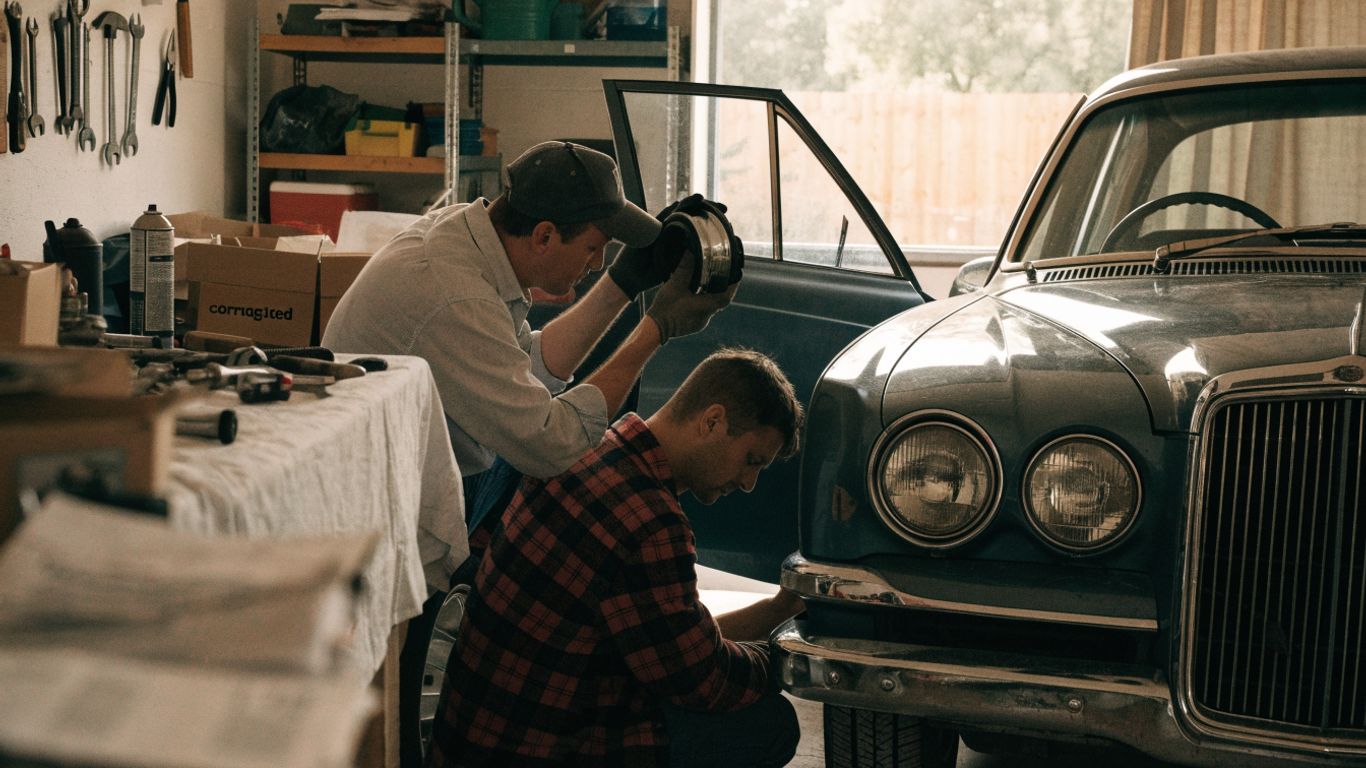
Fitment is worth confirming even when a listing names your model. A vehicle may have different versions, and part numbers can change over time; photos and general descriptions do not always settle the question. Get the seller’s confirmation in writing before payment, especially for costly, bulky, or difficult-to-return items.
Ask the seller to verify compatibility by VIN
Send the full VIN and the vehicle’s year, trim, engine, and transmission details where relevant. Ask the seller to confirm that the exact item in the quote fits that vehicle, rather than asking only whether it is “for a Chrysler.” Save the response with your order documents in case you need to refer back to what was confirmed.
If you are ordering an electrical component or other part with several variants, describe the existing item and provide its number or clear photographs. Do not assume that a connector that looks similar guarantees the same specification; ask the seller to check the actual application.
Check superseded and updated part numbers
A replacement part number may differ from the number printed on the old component. Ask whether the number has been superseded, what number is being supplied, and whether the seller has confirmed the newer number against your VIN. This is a practical way to resolve a mismatch before an order is placed, rather than trying to interpret it after delivery.
Keep a note of both numbers and the seller’s explanation. If the answer is vague, pause and request clarification; a confident fitment check should identify the offered part, not just say that it is similar.
Confirm whether the part is sold individually or as a kit
Listings can differ in what they include. A component pictured with brackets, clips, sensors, or other fittings may not necessarily be sold with them, so ask for an itemised description of the contents. This is especially useful when a repair depends on small related pieces that are easy to overlook.
Before you pay, confirm the quantity, condition, and any included hardware in writing. If you need a complete kit, make sure the quote names each required piece rather than relying on a photograph or a broad product title.
Compare the total cost and delivery
The lowest listed price may not be the lowest final cost once delivery and other charges are included. Compare quotes for the same part category, condition, and included items, then check how long each option is expected to take. A little time spent on the totals can help you decide whether a local or overseas option represents better value for your repair.
Request an itemized quote
Ask the seller to separate the part price from freight and any other charges. An itemized quote helps you spot differences between offers, such as one including a fitting kit and another covering only the main component. Keep the quote alongside the fitment confirmation so you have a clear record of what you agreed to buy.
For a useful comparison, make sure the following details are clear in the quote:
- Exact part description and part number
- New, used, or aftermarket condition
- Included fittings, hardware, or quantities
- Freight cost and estimated dispatch or delivery time
Once you have the details, compare the delivered totals rather than the headline prices. If anything is missing, ask for an updated quote before paying; that is easier than resolving an unexpected charge later.
Account for freight, GST, and possible import charges
Check whether the displayed price includes GST and whether freight is calculated separately. For an overseas order, ask the seller what charges are included and whether any import-related costs may be payable on arrival. The exact amount can depend on the shipment and circumstances, so use a confirmed quote and check current requirements rather than relying on a general estimate.
Large components can cost more to transport than small items, and delivery options may vary by postcode. Make sure the seller has your correct address and has described any delivery limitations before you decide.
Weigh delivery time against local availability
If your vehicle is off the road, a part that arrives sooner may be worth more than a small saving. Ask whether the item is physically in stock or needs to be sourced, and request an expected dispatch date as well as a delivery estimate. If you can wait, compare the longer option against the full cost and the seller’s return terms.
JustChrysler describes nationwide shipping and parts sourcing when an item is not in stock; contact the team to confirm availability and timing for the specific part you need. A clear estimate lets you plan the repair without treating a general delivery promise as a guaranteed arrival date.
Check seller policies and the part on arrival
Before you place the order, understand what you can do if the part arrives damaged, does not match the description, or proves unsuitable. Policies can differ between sellers and between new, used, and special-order parts. Once the parcel arrives, compare it with the order details before installation or disposal of its packaging.
Review returns, warranty, and restocking terms
Read the return window, warranty coverage, and any restocking or freight charges before you pay. Ask whether the policy differs for electrical, used, or special-order components, and how the seller wants a claim reported. Do not assume a part can be returned simply because it has not been fitted; check the written terms for the exact purchase.
Keep the policy or quote available with your records. If something is unclear, ask the seller to explain it in writing so you know the process before a problem arises.
Inspect packaging, labels, and part numbers
When the part arrives, check the package for visible damage and compare the label, part number, condition, and included items with your order. Take photographs before installation if anything looks different or damaged. If the item does not match what was confirmed, contact the seller promptly and follow the stated claims process.
JustChrysler describes its parts as tested and inspected before sale. Even so, check the specific component against your invoice and the seller’s description when it arrives, and raise any discrepancy before fitting it.
Keep invoices and correspondence for future claims
Save the invoice, quote, fitment confirmation, shipping details, and messages with the seller. These records make it easier to identify what was ordered and what advice was provided if you need help later. Keep photographs of the item and packaging as well when a delivery or description issue needs to be explained.
A brief, orderly record is useful whether the purchase is a new genuine part, an aftermarket component, or a used item. It gives you a clear starting point for any return, warranty, or delivery conversation.
Conclusion
A good Chrysler parts purchase is built on clear vehicle details, verified fitment, and an honest comparison of the part and its full delivered cost. Take time to confirm the number, condition, inclusions, and seller terms before paying, then check the item against your records when it arrives. Those simple steps can make sourcing a suitable part across Australia far less uncertain.
Frequently Asked Questions
How do I find the right Chrysler part for my vehicle?
Start with your VIN, model year, trim, and engine details, then ask the seller to confirm the exact part against that information. A part number from the old component can help, but should also be checked for fitment.
Is a genuine part the same as an OEM part?
The terms are not always used consistently by sellers. Ask who made the part, how it is described, and what evidence supports the label before comparing it with genuine or aftermarket options.
Can I use an aftermarket part on my Chrysler?
An aftermarket part may suit a repair, but confirm its application, included items, condition, and any warranty terms. For safety-critical work or uncertain fitment, ask a qualified repairer for advice.
What information should I give a parts seller?
Provide the VIN and, where relevant, the vehicle’s year, trim, engine, and transmission. A clear photo and the number from the old part can also help the seller identify the correct component.
Why might the part number differ from the one on my old part?
The original number may have been updated or superseded. Ask the seller to explain the number change and confirm that the offered part is compatible with your specific vehicle.
What should I check in a parts quote?
Check the exact part description and number, its condition, what is included, freight, estimated delivery, and any applicable charges. Compare complete delivered totals rather than product prices alone.
What should I do if the part arrives damaged or does not match?
Photograph the packaging and component, keep your invoice and correspondence, and contact the seller promptly. Follow the seller’s stated return or claim process and avoid fitting the part until the discrepancy is resolved.