Key Takeaways
Buying the right part is mainly a matter of confirming its identity, fitment, and total cost before you pay. A little written documentation can make the process much easier if something needs to be corrected later.
- Check whether the part is genuine OEM, aftermarket, used, or remanufactured.
- Use your VIN and vehicle details to confirm fitment and part-number references.
- Compare supplier information, item price, shipping, and any import charges.
- Read dispatch, return, and warranty terms before placing an order.
- Keep written confirmations, labels, invoices, and other order records.
Know what counts as a genuine Chrysler part
The word “genuine” describes a part sold as an original-equipment part for the vehicle, while an aftermarket part is made outside that category. Used and remanufactured items are different again, so the description should say which you are considering. Before you buy genuine Chrysler parts Australia, check the listing and ask the supplier to clarify anything that is vague. That small step helps you compare like with like.
Genuine OEM parts versus aftermarket alternatives
A genuine OEM part and an aftermarket alternative may both be listed for the same repair, but they are not the same type of product. Ask what the seller means by “genuine,” and whether the item is new, used, or remanufactured. If you are comparing alternatives, consider the stated condition, fitment information, and return terms alongside the price. Clear product descriptions are more useful than a low price alone.
Mopar branding and Chrysler part numbers
Mopar is associated with genuine OEM parts, but a brand name on a listing does not by itself confirm that a particular item is authentic or right for your vehicle. Ask the seller for the part number shown on the item or its packaging, then compare it with the number confirmed for your car. If the listing uses a different number, ask whether it is a replacement reference before ordering. Keep the answer with your quote or order confirmation.
New, used, and remanufactured parts
Condition affects both the price and what you should expect to receive. A new part, a used part, and a remanufactured part should be described separately, with any relevant condition details made clear before payment. For a used item, ask about visible wear or missing components; for a remanufactured item, ask what the seller’s description covers. Do not assume that the same warranty or return terms apply to all three.
Identify the correct part for your vehicle
A part can look right and still be wrong for a particular vehicle configuration. Build your enquiry around the vehicle identification number (VIN), then include the model, year, and engine details. Photos or measurements can help clarify what you need, but they should support—not replace—fitment confirmation. Check the exact item and its number before moving from a quote to an order.

Gather the VIN, model, year, and engine details
The VIN gives a supplier a useful starting point for checking a vehicle, while the model, year, and engine details add context. Provide the full VIN privately to the supplier rather than posting it publicly, and describe the part you need in plain language. If you have the old part, note any visible number or label and share a clear photo when requested. These details help reduce guesswork, but ask the seller to confirm the match before you pay.
Match part numbers and superseded references
Part numbers are useful because they give both you and the supplier a specific reference to discuss. Sometimes a listing or quote may show a number different from the one on the part you are replacing; ask the supplier to explain whether it is a superseded reference or a different item. Have the seller confirm the number they will supply in writing. That way, a number change is resolved before dispatch rather than after delivery.
Check compatibility for Australian-market models
Vehicles sold in Australia may differ in specification from models with a similar name sold elsewhere. Tell the supplier where the vehicle was originally supplied and whether it has any relevant trim or configuration differences. If the part is being sourced from overseas, ask the seller to check its fitment against your VIN rather than relying only on a broad model description. A specific confirmation is especially helpful when a listing covers several years or variants.
Find a reliable parts supplier
A dependable supplier should be willing to discuss fitment, condition, and the item being offered. Look for a clear description of what is included and a practical way to ask questions before ordering. Compare the information each seller provides, not just the headline price. If key details remain unanswered, pause before sending payment.
Compare authorised dealers and independent specialists
An authorised dealer and an independent specialist may offer different routes to sourcing a part. The right choice depends on the item, the vehicle details you can provide, and the clarity of the seller’s answers. Use the comparison below as a prompt for questions, not as a ranking; practices vary from one supplier to another.
| Supplier type | Useful question | What to clarify |
|---|---|---|
| Authorised dealer | Can you check this against my VIN? | Part number and availability |
| Independent specialist | What condition is the item in? | Source, condition, and fitment |
| Online seller | What happens if it does not fit? | Return terms and seller contact details |
A supplier that can answer plainly gives you a stronger basis for comparing the offer. Confirm any important detail in writing, even if the initial conversation was by phone.
Look for clear business and contact details
Before ordering, check that the seller provides a business name and usable contact details, along with a clear way to discuss an order or problem. Read the item description closely for condition, included components, and stated fitment. Make sure the quote or checkout identifies the part you intend to buy. A clear sales process does not guarantee a correct item, but it gives you a practical route to resolve questions.
Ask for proof of authenticity and fitment
Ask the supplier what information supports the item’s description as genuine and how fitment was checked. Depending on the part, that could include the number on the item or packaging and a confirmation against your vehicle details. Do not treat a logo or a broad model listing as proof on its own. Keep the seller’s written response so you can compare it with the item that arrives.
Compare the full cost before ordering
The listed price is only one part of the decision. Delivery charges, possible import costs, and the time an item may take to reach you can change what represents good value. Compare offers on the same basis: equivalent condition, part number, and delivery destination. Ask for a clear total before committing.
Review the item price and shipping charges
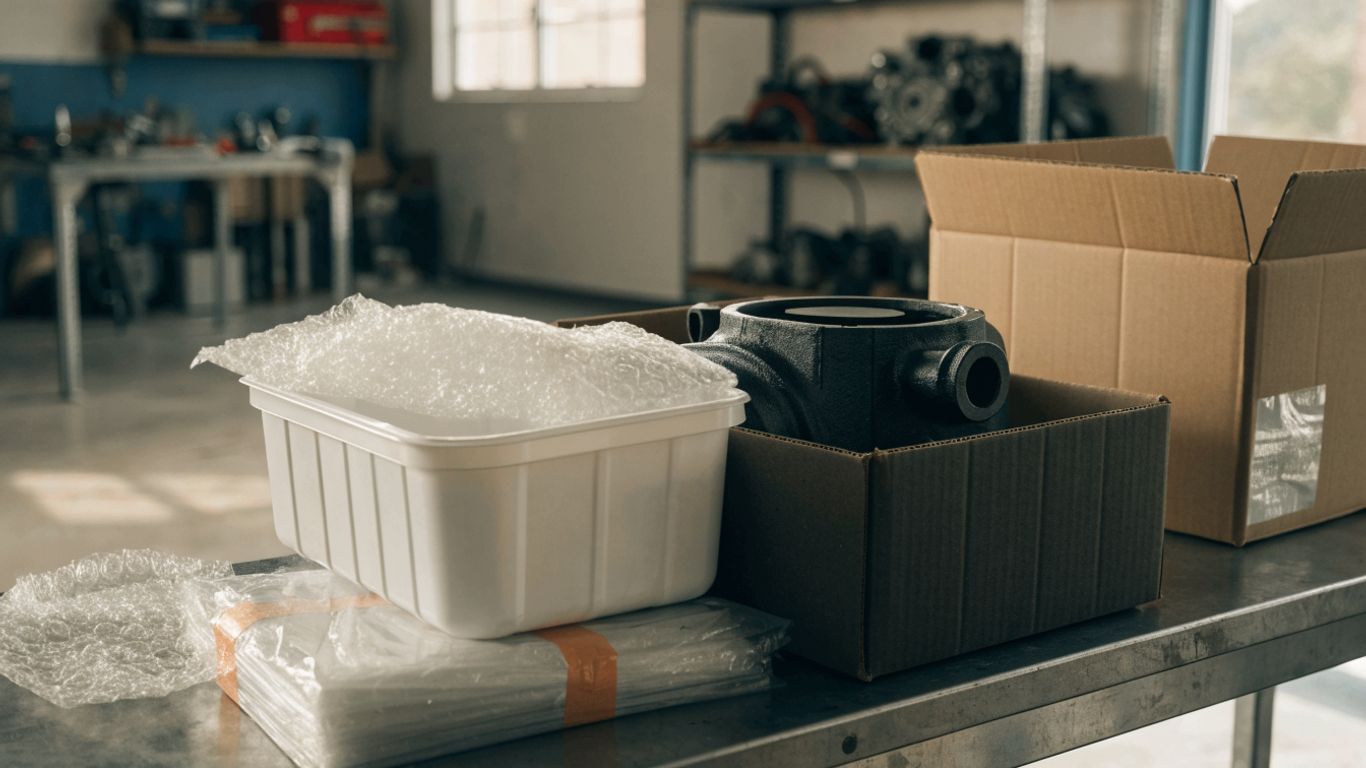
Ask whether the quoted price includes delivery and whether the shipping amount changes with your location or the size of the item. Check whether the price is for the part alone or includes any components pictured or described. To keep comparisons fair, write down the item cost, delivery charge, and any stated extra fees for each quote. The full amount gives you a more useful basis for choosing than the item price alone.
Compare the same part, condition, and delivery destination before deciding which offer costs less.
Once you have the full quote, check whether each supplier is offering the same item and delivery service. A cheaper listing may not be the better buy if its condition or included components differ.
Check GST, customs, and import costs where applicable
If a part is coming from overseas, ask the seller what charges are included in the quoted total and what may be payable separately. GST, customs-related charges, and other import costs can depend on the circumstances, so do not assume they are covered—or that they will apply in a particular way. Check the relevant details with the seller and, where needed, the appropriate Australian authority before ordering. This helps avoid treating an incomplete estimate as the final cost.
Compare local stock with overseas availability
Local stock may be convenient, while an overseas listing may offer a part that is harder to find nearby. Compare the stated availability and estimated delivery time as well as price, and ask whether the item is physically in stock or needs to be sourced. For an overseas part, confirm the seller’s fitment advice and return arrangements before paying. The right option is the one that meets your needs on cost, timing, and confidence in the match.
Check delivery, returns, and warranty terms
A clear policy matters most when the item is delayed, incorrect, or not as described. Read the terms before you order, and save a copy of the version that applies to your purchase. Pay attention to who handles shipping and what information the seller needs if you contact them about a problem. If a point is unclear, ask before checkout rather than relying on an assumption.
Confirm dispatch times and tracking options
Ask when the supplier expects to dispatch the item and whether that estimate depends on stock being available. Check whether tracking is provided and how you will receive the details. Dispatch and delivery are different stages, so ask for an estimate of each when timing matters. Keep the order confirmation and tracking information together until the package arrives.
Read the return policy for incorrectly ordered parts
Check whether the supplier accepts returns when a part was ordered incorrectly, and note any time limits, conditions, or costs stated in the policy. Ask how the seller handles an item that does not match the written fitment confirmation. Do not assume that an opened package or attempted installation will be treated the same as an unused item. Understanding the terms first gives you a clearer basis for deciding whether to proceed.
Understand warranty coverage and claim requirements
Warranty terms can vary by seller and by item, so read the wording that applies to the specific part you are buying. Check the duration, what the seller says is covered, and what evidence is required to make a claim. Ask whether you need to contact the supplier before arranging any inspection or repair. Keep the answer with your invoice and order records.
Order and verify your Chrysler part
Before paying, make sure the order describes the part you and the supplier discussed. Check the vehicle details, part number, condition, and total price on the quote or checkout page. Once the package arrives, compare its labels and contents with the order documents before arranging installation. Careful records make it easier to explain any mismatch.
Confirm the part number and vehicle details in writing
Send the supplier the relevant vehicle details and ask them to confirm the part number and fitment in writing. Check that the confirmation identifies the same condition and item you intend to purchase. If anything has changed since the quote, ask for a revised confirmation before paying. A written record gives both sides a clear reference for the order.
Inspect packaging and labels when the order arrives
When the package arrives, check its outer condition and compare the labels and part number with your order confirmation. Confirm that the item and any included components match the description before discarding packaging. If there is a discrepancy or visible damage, take photos and contact the seller promptly. Avoid fitting the part until you have resolved any uncertainty about its identity or condition.
Keep invoices and records for returns or warranty claims
Save the invoice, order confirmation, fitment correspondence, tracking details, and any photos of the item and packaging. Keep copies of the return and warranty terms that applied when you ordered. These records can help you explain what was promised if you need to contact the seller later. Store them together so they are easy to find.
Conclusion
A careful purchase starts with clear vehicle details and ends with a check of the delivered part against the order. Confirm the item, fitment, total cost, and seller terms in writing, then keep the records. Those habits make it easier to choose a suitable part and deal with any issue that follows.