Key Takeaways
A little preparation can make a local parts search easier and reduce the chance of buying the wrong component. Start with your vehicle details, then compare availability and purchase terms before heading out.
- Compare dealerships, independent parts stores, salvage yards, and online pickup options.
- Use your model year, trim, engine, VIN, and existing part number to narrow the search.
- Weigh OEM, aftermarket, and used parts against your repair needs and budget.
- Confirm stock, pickup timing, total cost, return terms, and warranty coverage before buying.
- Inspect the part and keep your paperwork before installation.
Choose where to shop
The best place to look depends on the part, how quickly you need it, and whether you want help identifying the right fit. A local search for Chrysler auto parts near me may turn up several kinds of sellers, each with different inventory and purchase terms. Compare options before you set out, especially if the part is uncommon or your vehicle has multiple configurations. A quick call can save a wasted trip.
Compare Chrysler dealerships with independent parts stores
A dealership parts counter may be a useful starting point when you want help checking a vehicle-specific replacement. Independent parts stores can be convenient for common maintenance items and may offer several brands or price points. Ask each seller to confirm fitment using your vehicle details rather than relying on a broad description like “fits Chrysler.”
A simple comparison can help you decide where to ask first:
| Seller | What to ask about | Useful when |
|---|---|---|
| Dealership parts counter | Fitment support and order timing | You need a vehicle-specific component |
| Independent parts store | Available brands and local stock | You are comparing options for a common repair |
| Online seller with pickup | Pickup location and hold window | You want to check availability before driving |
These are starting points, not guarantees about what any one location carries. The part number and your vehicle information will make the comparison more useful.
Consider salvage yards for discontinued or used components
For an older vehicle or a component that is no longer easy to find new, a salvage yard may be worth checking. Ask for the donor vehicle’s year and configuration, and find out what condition information is available. If the part has moving, electrical, or safety-related components, clarify what has been inspected and whether the seller accepts returns.
Used parts can vary considerably, even when they come from vehicles with the same nameplate. Get the seller to confirm the identifying details before making the trip, and compare the savings with the uncertainty around condition and coverage.
Check online retailers for local pickup options
Online listings can help you search a wider selection without visiting several stores. Some retailers may show a local pickup option, but an online listing is not a substitute for confirmation from the location that will fulfill the order. Check whether the item is actually reserved for you, how long the hold lasts, and what identification or order details you should bring.
If pickup is not available, include delivery time and shipping cost in your decision. A part that looks inexpensive online may be less appealing once those costs are added.
Identify the right part for your vehicle
Correct fitment starts with knowing exactly which vehicle you have and what the repair calls for. Model names alone are not always enough: year, trim, engine, and production differences can affect which component fits. Gather the details before asking a seller to search, and keep them handy while comparing listings. That small step makes it easier to spot a mismatch early.
Find your model year, trim, and engine details
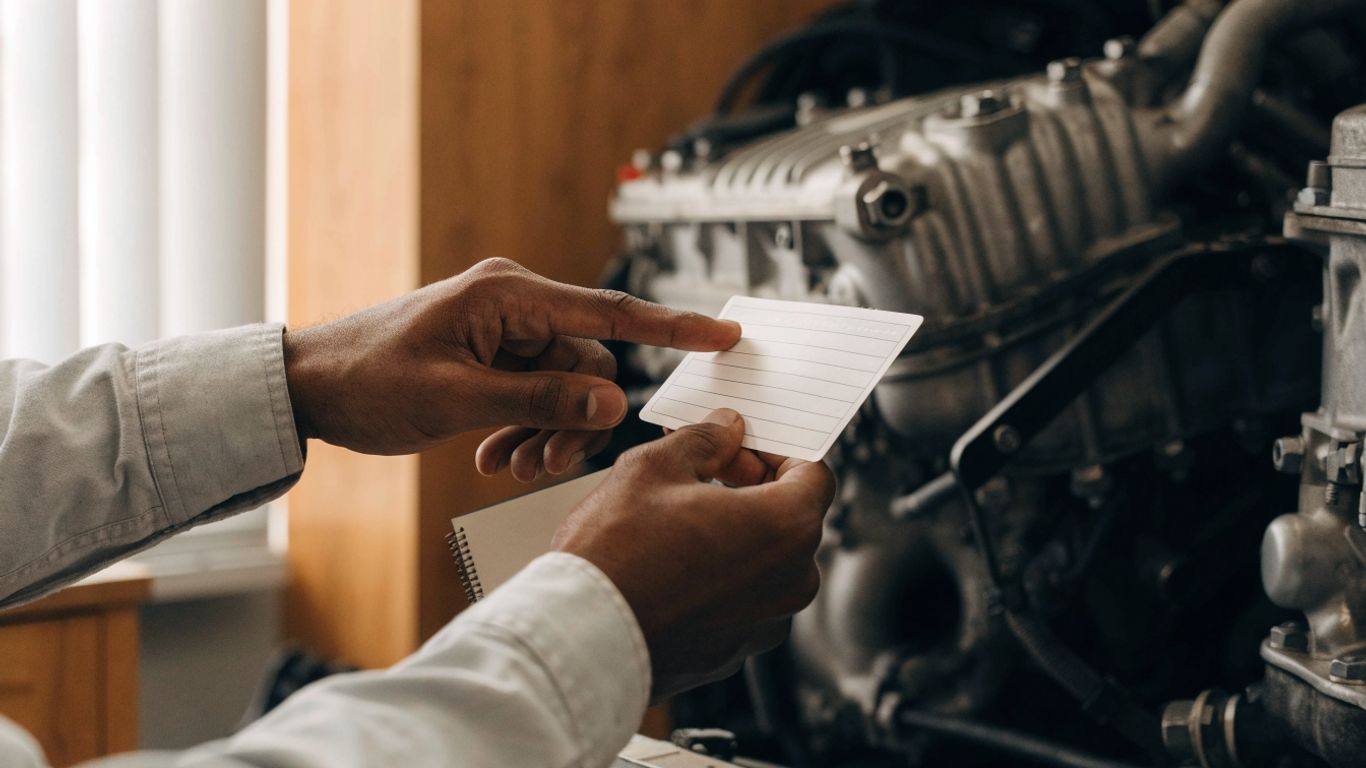
Check the vehicle registration or owner’s manual for the model year and trim, and verify the engine information from a reliable vehicle record or the vehicle itself. If you are unsure which trim applies, share the full details with the seller rather than guessing from appearance. Similar-looking versions can use different components.
For a parts inquiry, write down the year, model, trim, engine, and any relevant drivetrain details. Having the information together helps keep the search focused, especially when a listing describes only a broad range of vehicles.
Use your VIN to confirm compatibility
The vehicle identification number can help a seller check an application more precisely than a model name by itself. Provide the full VIN when requested, and ask the seller to confirm the exact component they are matching it to. A search result that accepts your vehicle details is a useful clue, but it is still sensible to verify the fit before purchase.
If you are ordering remotely, ask for the compatibility confirmation in writing or keep a record of the conversation. This gives you something to refer to if the delivered part does not match the repair requirements.
Match the part number when replacing an existing component
When the old component is accessible, look for a part number on its label or housing and compare it with the replacement listing. Numbers can be hard to read after years of use, so take a clear photo before removing or cleaning anything. A matching number is helpful, but check whether the seller identifies any superseding or replacement number.
Do not assume that a similar shape or connector proves compatibility. Pair the number with the vehicle details and repair description so the seller can flag differences before you buy.
Decide between OEM and aftermarket parts
The choice between OEM, aftermarket, and used parts is not simply a matter of price. Consider how important exact replacement, availability, warranty terms, and the vehicle’s age are to this particular repair. Ask what the part is, who made it, and what coverage comes with it. The right answer can vary from one component to another.
Understand what genuine Chrysler parts offer
Genuine Chrysler parts may be the option to ask about when you are seeking a replacement identified for your vehicle by its manufacturer. Confirm the exact part number and application with the seller, since the vehicle’s year and configuration still matter. Ask what warranty, if any, applies to the part and whether it changes when installation is performed elsewhere.
For a repair where fit is especially important, compare the genuine part’s price and availability with other options before deciding. The label alone does not answer every question about timing, coverage, or suitability for your specific repair.
Compare aftermarket quality and warranty coverage
Aftermarket parts are made by companies other than the vehicle’s original manufacturer, and their specifications and coverage can differ. Ask for the maker and part number, then review the listed application, materials or specifications where relevant, and warranty conditions. Avoid treating a low price or a broad fitment range as proof that two parts are equivalent.
A seller should be able to explain the available options without pressure. Compare the details that matter for the repair, and keep the warranty terms with your receipt in case you need to make a claim.
Consider used parts for older vehicles and budget repairs
A used component may make sense when a new replacement is costly, difficult to source, or out of proportion to the vehicle’s value. Ask about its source, visible condition, and any testing or inspection that has been done. Find out whether the seller offers a return period or limited coverage, and get those terms before paying.
The lowest upfront cost may not be the least expensive choice if installation has to be repeated. For parts tied to safety or reliable operation, weigh condition and seller support carefully alongside the price.
Check local availability before you go
Online inventory can help you narrow down nearby options, but stock information may change. Confirm the exact item and location with the seller before making a drive, and ask how long a hold can be placed. If the part needs to be ordered, find out whether the quoted timing is an estimate or a confirmed arrival date. Keep your vehicle details close so the conversation stays specific.

Search store inventory by part number
If you have a confirmed part number, use it as the main search term on a store’s website or when contacting its parts desk. Check that the listing describes the same component and application, not just a similar name. If the number has changed or the listing shows an alternative, ask the seller to explain the match before placing an order.
Search results can help identify where to call, but they do not always reflect the latest shelf count. Treat them as a shortlist, then verify stock directly.
Call to confirm stock and pickup timing
When you call, share the part number and vehicle details, then ask whether the item is physically at that location or still needs to be transferred or ordered. Confirm the price, pickup hours, and whether the seller can hold it under your name. If you are travelling any distance, ask when the hold expires.
A direct confirmation is more useful than assuming a search page is current. Make a note of the name of the person you spoke with and any order or reservation number they provide.
Ask about ordering parts from nearby locations
If the part is not at the nearest store, ask whether the seller can check other branches or arrange an order from another location. Confirm any transfer fee, expected timing, and whether you will collect it at the original store or elsewhere. Also ask what happens if the part arrives but turns out not to match your vehicle.
A nearby transfer may be convenient, though the timing and terms vary by seller. Get the plan clearly stated before you travel or pay.
Compare prices and purchase terms
A price comparison is most useful when every quote covers the same part and the same conditions. Confirm part numbers, brand or source, taxes, shipping, and any additional charges before comparing totals. A low listed price may not reflect the final amount you pay. Keep the quotes together so you can review them without relying on memory.
Request quotes from more than one seller
Ask each seller to quote the same part number, or to explain clearly if they are proposing an alternative. Record the price, availability, estimated arrival or pickup timing, and stated warranty. This makes it easier to compare actual offers rather than just the headline price.
A compact record can keep the details straight while you check options:
| Quote detail | Seller one | Seller two | Seller three |
|---|---|---|---|
| Part number or alternative | |||
| Total price and added fees | |||
| Stock or estimated arrival | |||
| Return and warranty terms |
The lowest total may be the best fit, but only if the component and terms meet your needs. If one quote differs substantially, ask what explains the difference before choosing.
Include shipping, core charges, and installation costs
Look beyond the part’s base price and ask whether shipping, taxes, or a refundable core charge applies. A core charge may be associated with returning an old component, so confirm what must be returned and by when. If you will not install the part yourself, include labor and any related installation expenses in your estimate.
Once these amounts are included, the practical difference between options may be smaller than it first appeared. Compare the full expected cost, not just the number shown in a search result.
Review return policies and warranty conditions
Before buying, check the return window, whether the part must remain unopened, and whether installation affects eligibility for a return. Ask who handles a warranty claim and what documentation is needed. Terms can differ between new, aftermarket, and used components, so do not assume one seller’s policy applies to another purchase.
A clear return plan is part of a good parts decision, not an afterthought.
Read the written terms before paying and save a copy with the receipt. If anything is unclear, ask the seller to explain it while the purchase is still pending.
Verify a part before installing it
A brief inspection before installation can catch an obvious mismatch while the part is still easy to return. Compare the item with the old component and the information on your order, then check for signs of damage. Do not force a part into place or alter it to make it fit. If something seems wrong, pause and ask the seller or a qualified repair professional to review it.
Check packaging, labels, and visible damage
Before opening or discarding packaging, check that the label matches the order and that the box has not been crushed, torn, or wet. Inspect the part for cracks, bent areas, loose connectors, corrosion, or other visible damage. Photograph anything concerning and keep the packaging until you know the part is correct.
If the package or component appears damaged, contact the seller before installation. A prompt conversation can help clarify the next step and preserve your options under the seller’s terms.
Confirm the part matches your vehicle and repair needs
Compare the new component’s part number, connectors, mounting points, and overall design with the old part and the repair instructions. Recheck the vehicle details used to select it, especially if a seller supplied an alternative number. Do not rely on appearance alone when the application or specifications are uncertain.
When the fit or function is in doubt, stop before installation and ask for confirmation. A few minutes spent checking can prevent extra labor and the trouble of removing an unsuitable part later.
Keep receipts and warranty information for future claims
Save your receipt, order confirmation, warranty details, and any compatibility notes from the seller. If you have a claim, these records can help establish when and where you bought the part and what terms applied. Keep photographs of the packaging or any visible issue with the same records.
A simple folder, either digital or paper, is enough to keep the information together. Hold on to it for as long as the warranty or return terms may apply.
Conclusion
Finding the right Chrysler part locally is easier when you prepare the vehicle details, verify the part number, and confirm stock before setting out. Compare the full cost and written terms—not just the initial price—and inspect the component before installation. A careful check at each step can make the purchase more straightforward and help avoid preventable delays.