Chrysler Brake System Troubleshooting: Common Issues and Solutions
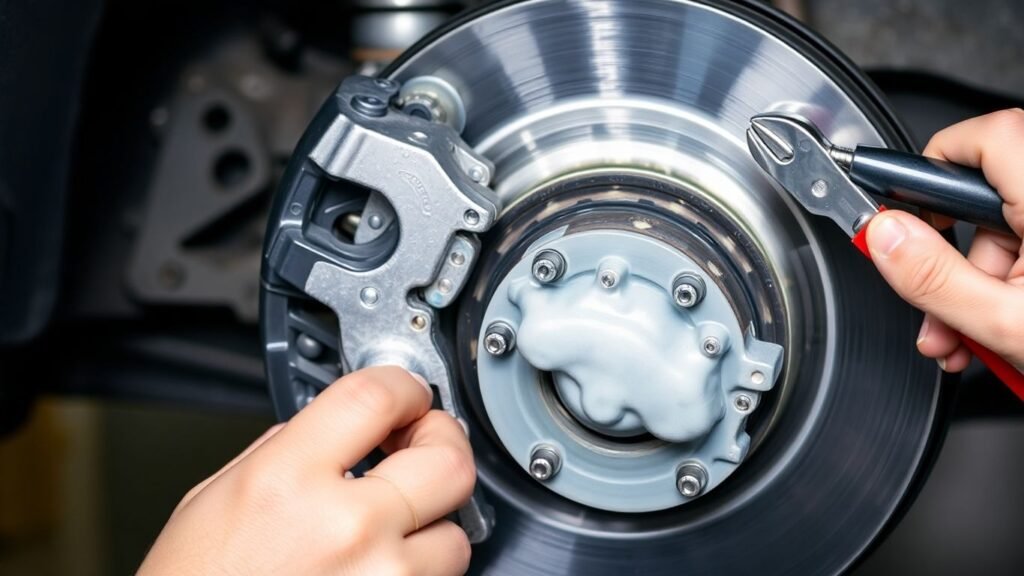
Your Chrysler’s brakes are super important, right? They’re what keep you safe on the road. But sometimes, things go wrong with them. Maybe you hear a weird noise, or the pedal feels funny. This guide is all about Chrysler brake system troubleshooting – figuring out what’s up and how to fix it. We’ll cover the common problems, what they mean, and what you can do about them. Think of it as a friendly chat about keeping your brakes in good shape. Key Takeaways Pay attention to your dashboard lights; they’re your car’s way of telling you something’s wrong with the brakes. Listen for strange noises like squealing or grinding when you brake, as these often point to worn-out parts. A brake pedal that feels soft, spongy, or goes to the floor is a major red flag, often related to brake fluid or hydraulic issues. If your car pulls to one side when you brake, it could be a stuck caliper or uneven wear, needing immediate attention. Understanding basic Chrysler brake system troubleshooting can help you identify issues early and potentially save on repair costs. Understanding Chrysler Brake System Warning Signs Your Chrysler’s brake system is designed to keep you safe, and it usually gives you some hints when something isn’t quite right. Paying attention to these signs can save you a lot of trouble down the road. Ignoring them? Well, that’s just asking for a bad day. Interpreting Brake Warning Lights That little red light on your dashboard isn’t just for decoration. When the brake warning light illuminates, it’s your car’s way of shouting, "Hey, check this out!" Most of the time, this light is triggered by low brake fluid. Think of brake fluid as the messenger that carries the force from your foot on the pedal to the actual brakes. If there’s not enough of it, that message gets weak, and your stopping power suffers. It often points to a leak somewhere in the system, so finding and fixing that leak is pretty important. Sometimes, this light can also mean there’s an issue with your Anti-lock Braking System (ABS). The ABS is there to help you keep control when you have to brake hard, especially on slippery surfaces. If it’s not working right, you’ll usually see that light pop on. And don’t forget the simplest check: make sure your parking brake isn’t still engaged. It sounds basic, but it happens! Recognizing Soft or Spongy Brake Pedals Normally, when you press the brake pedal, you feel a firm resistance. It’s a solid, predictable feeling. But if your brake pedal feels soft or spongy, it’s like stepping on a ripe tomato – it just sinks in too easily. This usually means there’s a problem with the hydraulic parts of your brake system. These are the bits that make sure the pressure from your foot actually gets to the wheels to stop the car. Air can get into the brake lines, often because of a leak, and air doesn’t compress like fluid does, leading to that mushy feeling. It’s a clear sign that your braking performance is compromised. Identifying Hard Brake Pedal Symptoms On the flip side, sometimes the brake pedal feels unusually stiff or hard to push down. You might have to really put your weight into it to get the car to slow down. This often points to an issue with the brake booster. The booster is a component that uses vacuum or another assist to make it easier for you to apply the necessary force to the brakes. If the booster isn’t working correctly, you lose that assistance, and braking becomes a real workout. It’s not just about comfort; a hard pedal means your brakes aren’t engaging as effectively as they should. When your brake pedal feels different – either too soft or too hard – it’s a direct signal that the system responsible for stopping your vehicle isn’t operating as intended. This isn’t a minor inconvenience; it’s a safety concern that needs prompt attention to ensure you can stop reliably when needed. Symptom Potential Cause Action Needed Soft/Spongy Pedal Low brake fluid, air in brake lines, leaks Check fluid level, inspect for leaks, bleed system Hard Pedal Brake booster malfunction, vacuum leak Inspect brake booster and vacuum lines Common Chrysler Brake Noises and Their Causes Brakes aren’t just about stopping; they’re also about communicating. When your Chrysler’s braking system starts making unusual sounds, it’s usually trying to tell you something. Ignoring these noises can lead to bigger, more expensive problems down the road. Let’s break down some of the most common sounds you might hear and what they likely mean. Diagnosing Squealing or Squeaking Brakes That high-pitched squeal when you hit the brakes? It’s often your brake pads letting you know they’re getting thin. Most pads have a small metal tab, called a wear indicator, that starts to scrape against the rotor when the pad material is almost gone. It’s a built-in alarm system. Sometimes, though, squealing can happen even with good pads. Things like glazed pads (from a lot of stop-and-go driving) or even just the way the pad material vibrates against the caliper can cause noise. A quick fix for glazed pads might be a few firm stops to clean them off, but if it’s a vibration issue, special paste applied during pad replacement can help. Addressing Grinding Noises During Braking A grinding sound is a more serious warning. If you hear a harsh, metallic grinding when you brake, it usually means the brake pads have worn down completely. At this point, the metal backing of the pad is rubbing directly on the brake rotor. This is bad news – it damages the rotor and severely reduces your stopping power. It’s also possible, though less common, that a small piece of debris has gotten lodged in the brake caliper. Whatever the cause, grinding noises mean you need to get your brakes checked out immediately. Investigating Unusual Brake Sounds Beyond the typical squeal or grind, other