Key Takeaways
A little preparation can save you time and help you avoid buying a part that does not fit.
- Record your Chrysler’s year, model and variant before searching.
- Use the VIN and part number to check fitment, including superseded numbers.
- Compare new, used and aftermarket options by condition, warranty and total cost.
- Ask suppliers about testing, returns, delivery and local collection.
- Keep purchase details and check with a qualified mechanic when fitting is complex.
Identify the Chrysler part you need
Start with the details that distinguish your vehicle from others with a similar name. A careful identification makes it easier to find Chrysler parts Brisbane suppliers can check against your car, rather than relying on a broad model description. Gather the information before you request a quote so the conversation can focus on fitment.
Find the vehicle’s year, model and variant
Write down the model year, model name and variant, and note the body style and engine if you know them. Vehicles sold under the same model name can differ by production year or specification, so a short description like “Chrysler 300” may not be enough. If you are unsure where to find the details, check your registration papers, owner’s manual or the identification plate on the vehicle.
A concise checklist helps keep the information together when you contact suppliers:
- Model year and model name
- Variant or trim level
- Engine type and body style
- Left- or right-hand side, if relevant
With these details ready, you can describe the car consistently while comparing options. A Brisbane parts buying guide can also help you think through fitment, stock and return questions before ordering.
Use the VIN to confirm fitment
The vehicle identification number (VIN) gives a supplier a more precise starting point than the model name alone. Share it with a parts specialist and ask them to confirm the component is listed for your vehicle’s exact specification. A VIN lookup is useful, but treat it as part of the check rather than assuming that every result guarantees a match, especially if the vehicle has been modified.
Check the part number and any superseded numbers
If the old component is accessible, record its part number and compare it with the number supplied for the replacement. A part number can help resolve differences between similar-looking components, while a superseded number may indicate that a manufacturer has replaced an earlier reference with a newer one. Ask the supplier to confirm that the newer number is an approved match for your vehicle, not simply a similar listing.
Compare new, used and aftermarket parts
The right choice depends on the part, its availability and how you use the vehicle. A new genuine component, a tested used part and an aftermarket option can differ in price, condition and warranty terms. Compare each on the same basis, and remember that the lowest initial price is not necessarily the best value once fitting and delivery are included.
When a new genuine part makes sense
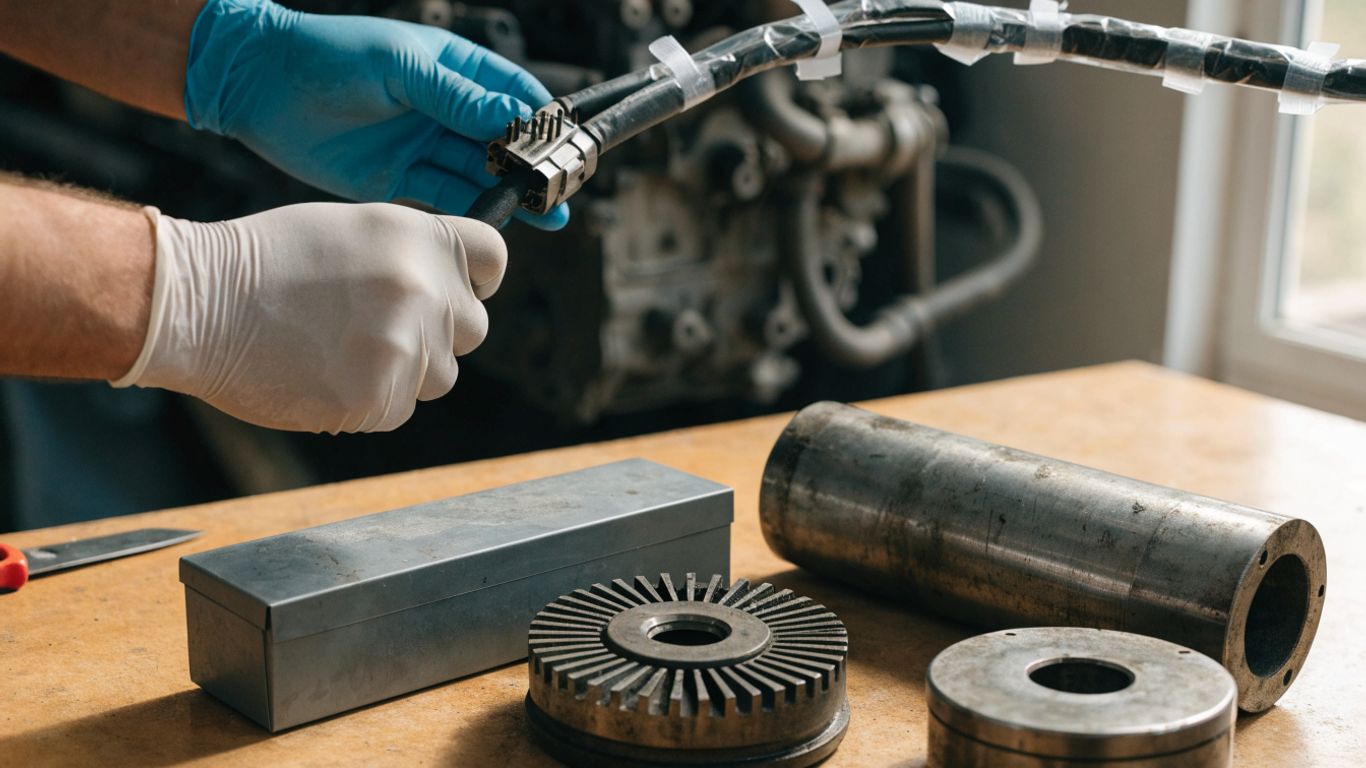
A new genuine part may suit a repair where you want a new component and can confirm its exact application. Check the part number, what is included in the package and the warranty conditions before you commit. Prices and availability can vary, so ask for a quote that clearly identifies the part rather than relying on a general estimate.
| Option | What to check | A useful question |
|---|---|---|
| New genuine | Exact application and included items | Is this number correct for my VIN? |
| Recycled or used | Condition, testing and any wear | What checks have been completed? |
| Aftermarket | Fitment, specification and warranty | Which vehicle details does it suit? |
This comparison helps you focus on the differences that matter rather than the label alone. If you are considering a used component, ask for its condition and return terms in writing before deciding.
What to consider with recycled parts
A recycled component can be a cost-effective alternative when its condition and fit are properly checked. At Just Chrysler, vehicles are dismantled at the yard and parts are carefully removed, cleaned and tested before being listed with descriptions. Ask what inspection or testing applies to the specific item you are considering; the answer should be clear enough to help you judge its suitability.
How aftermarket options differ in fit and warranty
Aftermarket parts are made outside the original vehicle manufacturer’s parts supply, so specifications, fit and warranty terms can vary by item. Confirm the exact model, year and variant covered, and ask whether any installation conditions apply to the warranty. For additional background on aftermarket Chrysler parts, compare the fitment and warranty checks against the details provided with your quote.
Choose a Brisbane Chrysler parts supplier
A good supplier should be able to discuss the part as well as its price. You want clear answers about compatibility, condition, availability and what happens if the component is not right for your vehicle. Take your time with those questions; a helpful conversation now can prevent a frustrating return later.
Check experience with your model
Ask whether the supplier regularly handles your Chrysler model and whether they can help identify the correct component from the VIN or part number. Just Chrysler specializes exclusively in Chrysler vehicles, and its team dismantles vehicles and provides advice on parts. For a local point of comparison, review this listing for Chrysler parts in Brisbane, then check directly with any supplier about the exact item you need.
Ask about testing, condition and return terms
Before paying, ask what “tested” means for the specific component and what condition it is in. Find out whether it has visible wear, missing fittings or other limitations, and check how long you have to raise a fitment or performance concern. Return policies can differ, so get the terms in writing and keep a copy with your receipt.
Confirm local pickup and delivery options
Check whether the part is available for local collection or needs to be shipped, and ask how it will be packed. For a bulky item, confirm the delivery address, estimated timing and any additional freight cost before placing the order. Just Chrysler offers nationwide shipping; confirm the available delivery arrangement and timing for your particular part when you enquire.
Verify compatibility before you buy
Even when the model and part description seem right, a final fitment check is worthwhile. Small differences in connectors, mounting points or vehicle specification can turn a promising listing into an unsuitable purchase. If you can, compare the old part with the replacement details before arranging payment or collection.
Compare connectors, dimensions and mounting points
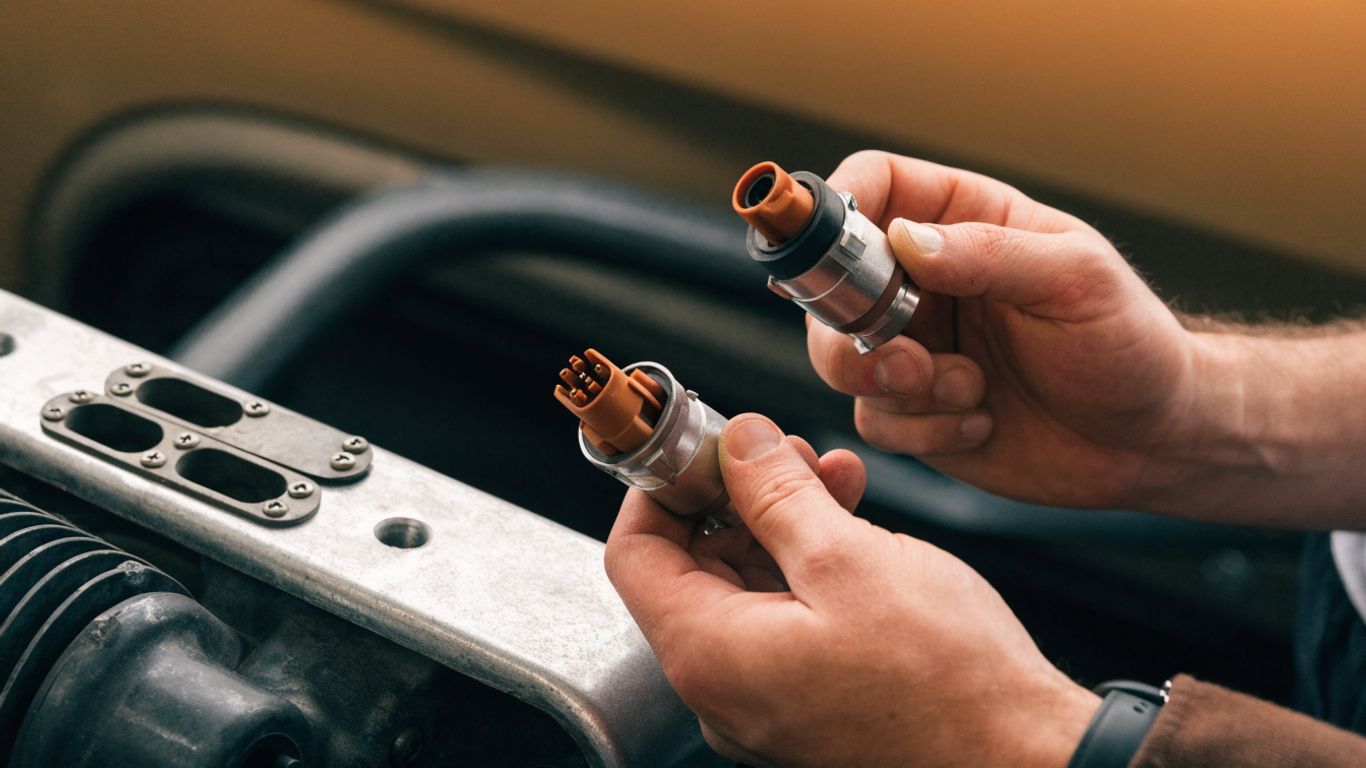
For components where the physical details matter, compare connector shape, dimensions and mounting locations with the original part. Photographs can help, but ask for additional views if a critical feature is unclear. Do not assume that parts which look similar from the front will attach or connect in the same way.
Check whether related components are required
Some repairs involve more than one part. Ask whether gaskets, fasteners, clips or other related items are needed, and whether they are included in the quoted price. If the replacement is being installed alongside other work, confirm the parts list with the mechanic before ordering so you can avoid a second delay or delivery charge.
Confirm fitment for imported or modified vehicles
An imported vehicle or one with previous modifications may not match the most common local specification. Tell the supplier about any changes you know of, and share the VIN, existing part number and clear photographs where possible. If the evidence does not establish a match, pause and seek a more specific confirmation rather than relying on a guess.
Assess price, condition and value
A useful comparison includes more than the number on the quote. Check that each supplier is pricing the same part type and specification, with similar condition and warranty coverage. Then add the costs that may arise after purchase, such as freight or fitting, to understand what the repair will actually cost.
Compare quotes on a like-for-like basis
Ask each supplier to identify the part by description and number, and note whether it is new, used or aftermarket. The quote should make clear what is included and whether the price reflects the same condition and warranty terms as the alternatives. A like-for-like comparison is much more useful than choosing between prices with different assumptions behind them.
Factor in shipping, fitting and possible core charges
A lower listed price can change once freight and installation are included. Check delivery charges before ordering, especially for large or heavy components, and ask whether the repair requires additional parts or specialist labour. If a core charge or returnable old component applies, clarify the amount and the process for getting any deposit back.
Balance upfront cost against warranty coverage
Consider how the warranty length, exclusions and return process fit the risk and cost of the repair. A cheaper part may still suit your needs, but only if its condition and coverage are clear. Compare the written terms alongside the price, and ask questions before paying if anything is vague.
Plan for installation and ongoing support
Before you buy, think through what happens after the part arrives. Some components are straightforward for an experienced DIY mechanic, while others may need specialist tools, diagnostics or professional fitting. Clear records and a known contact point make it easier to deal with questions during installation.
Decide whether professional fitting is needed
Consider the complexity of the repair and whether incorrect installation could damage the component or affect vehicle safety. If you are uncertain, ask a qualified mechanic to review the part and the job before purchase. That discussion can also help identify related components or labour that should be included in your budget.
Keep records of part numbers and purchase details
Save the quote, receipt, part number, VIN details shared with the supplier and any written fitment confirmation. Keep photographs of the original component and packaging if they may help explain a mismatch. Good records make it easier to verify what you ordered and to follow up if you need support.
Ask what to do if the part does not fit or perform as expected
Before placing the order, ask who to contact if the part does not fit or behaves unexpectedly after installation. Confirm any time limits, evidence requirements and whether the part must remain unmodified for a return or warranty assessment. Just Chrysler provides expert support to help customers identify parts for their model and year; ask what information its team will need if you contact them about a concern.
Conclusion
Finding the right Chrysler part is easier when you verify the vehicle details, compare options carefully and ask clear questions about condition, fitment and returns. Take a moment to check the full cost and installation plan before buying, and keep the records you may need afterward.
Frequently Asked Questions
What information should I have before searching for a Chrysler part?
Have the model year, model, variant and VIN ready. If possible, also record the part number from the component you are replacing.
Is the VIN enough to confirm a part will fit?
The VIN is an important reference, but it is sensible to also confirm the part number, vehicle specification and any modifications with the supplier.
Are used Chrysler parts worth considering?
They can be a cost-effective option when the condition, fitment, testing and return terms are clear. Evaluate the particular part rather than relying only on its category.
What should I ask about a recycled part’s condition?
Ask what inspection or testing has been done, whether there is visible wear or damage, what is included and what return terms apply.
How do aftermarket parts differ from genuine parts?
They may differ in manufacturer, specifications, fitment coverage and warranty. Check the application and written terms for the exact part you are considering.
What costs should I include when comparing quotes?
Include delivery, fitting, any related components and possible core charges. Also compare warranty and return conditions, not only the quoted price.
What should I do if a part does not fit?
Contact the supplier promptly and follow its stated return or warranty process. Keep the receipt, part number, packaging and any fitment confirmation available.