Key Takeaways
A good parts purchase starts with confirming exactly which Chrysler you have and what the repair requires. Compare more than the ticket price before you order.
- Check the model, year, variant, VIN, and original part number.
- Compare genuine and aftermarket options against the needs of the repair.
- Ask about condition, fitment, warranty, and return terms before paying.
- Include delivery and return costs when comparing Australian suppliers.
- Keep the paperwork and get qualified help for safety-critical work.
1. Confirm the part fits your Chrysler
Choosing aftermarket Chrysler parts Australia-wide is easier when you start with precise vehicle details, rather than the name of the part alone. Chrysler models can differ by year and variant, and those differences can affect whether a component fits. Gather the information from your vehicle documents and the part you are replacing before contacting a seller. A few minutes spent checking details can prevent a costly mismatch.
Identify the model, year, and variant
Write down the model name, production year, and variant shown on your registration documents or vehicle identification records. If you are unsure whether a vehicle is an early or later version of a model, check its compliance plate or ask a mechanic to help identify it. Even familiar model names can cover multiple specifications across a production run.
Check the VIN and original part number
The VIN can help a supplier narrow down the vehicle’s specification, while the number printed or stamped on the old component may identify the part itself. Share both when possible, and send a clear photo if a marking is hard to read. A fitment check using the vehicle details and part number is more useful than relying on a broad model-name match alone.
Account for engine, transmission, and trim differences
Engine and transmission choices can affect mechanical and electrical components, while trim or body style may change the fit of exterior and interior parts. Before ordering, confirm which configuration your vehicle has and whether the listing names that exact version. The comparison below shows why a broad match is only a starting point.
| Vehicle detail | Why it matters | What to confirm |
|---|---|---|
| Production year | Specifications may change between model years | Exact year or production range |
| Engine | Mounting and related components can differ | Engine size or code, where available |
| Transmission | Related parts may vary by transmission type | Automatic or manual specification |
| Trim and body style | Panels, lights, and interior parts may differ | Variant and body configuration |
Use the details that apply to your vehicle when asking for confirmation; not every part is affected by every difference. The goal is to give the seller enough information to check the specific component, rather than assume compatibility from a shared model name.
Verify fitment with the seller before ordering
Before paying, ask the seller to confirm fitment against your VIN and the part number, and keep their response with your order records. A parts specialist may also ask for photos of the old part or its connectors. Just Chrysler offers phone support to help customers identify the correct part for a specific model and year, according to its business information.
2. Compare aftermarket and genuine parts
A genuine part and an aftermarket replacement are different purchasing options, not automatic guarantees of fit or quality. Your decision depends on the component, the vehicle, the repair, and the information the supplier can provide. Compare the options side by side and ask what is included. For some jobs, the best choice is the one with verified fitment, clear condition details, and terms you understand.
Understand how aftermarket parts differ from OEM parts
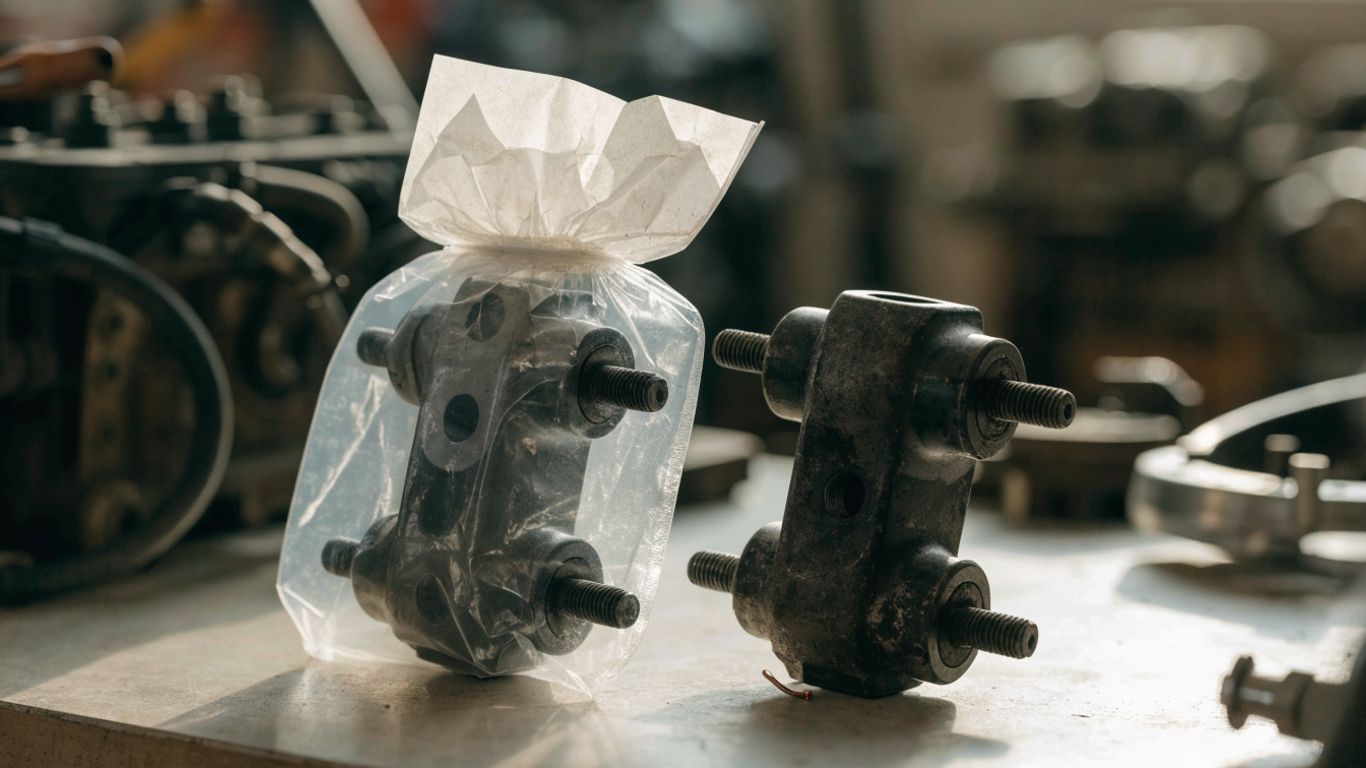
Aftermarket parts are made by a manufacturer other than the vehicle’s original parts supplier, while genuine parts are supplied as original branded components. The label alone does not tell you whether a particular replacement fits your exact vehicle or suits the repair. Check the product description, manufacturer, condition, and any stated vehicle compatibility, then ask the seller to clarify gaps.
Decide when an OEM part may be the better choice
A genuine part may be worth considering when you need a specific original component, when the part’s fit is especially complex, or when a repairer recommends it for your vehicle. Confirm availability and compare the complete cost with other suitable options. If you are discussing a complicated repair, ask a qualified mechanic whether the genuine option offers a practical benefit for that job.
Weigh aftermarket options for routine repairs
For routine work, a clearly described aftermarket replacement may be a cost-effective alternative, provided fitment and condition are confirmed. Just Chrysler supplies genuine, used, and aftermarket Chrysler parts, so the right category depends on the component you need and the details available for it. A general catalogue listing for Chrysler spare parts is another place to see how replacement choices may be presented across different models; verify any specific listing directly before buying.
Check whether a replacement meets applicable standards
Ask the supplier which standards or requirements apply to the particular replacement, especially for components related to safety, emissions, or roadworthiness. Requirements can depend on the part and its intended use, so do not assume a general statement covers every application. If you are uncertain, check with a qualified repairer or the relevant authority before installation.
3. Assess part quality and supplier credibility
A low price is only useful if the part is accurately described and the seller can answer reasonable questions about it. Look for clear information about who made the component, whether it is new or used, and how fitment was checked. A credible supplier should be willing to explain what is known and what still needs verification. That kind of clarity is useful whether you are buying online or speaking to someone at a parts counter.
Look for clear manufacturer and product details
Check that the listing names the part, its condition, relevant part numbers, and any known compatibility limits. For used components, ask what has been inspected and whether visible wear or damage is disclosed. Clear scope matters in other services too: Google Business Profile optimization describes a defined local-search service, while a parts listing should be just as specific about the item being offered.
Review warranties, returns, and fitment guarantees
Read the written warranty and return terms before ordering, including any time limits, required packaging, or exclusions. Ask whether a return is accepted if the part proves incompatible after the seller has confirmed fitment, and who pays return shipping. Keep the reply, invoice, and listing details in case you need to refer to them later.
Ask about testing, materials, and manufacturing standards
For a new replacement, ask who manufactured it and whether the seller can provide relevant product or testing information. For a used part, ask what checks were carried out and whether the component was tested before sale. In a different technical field, AEC technical advisory concerns engineering and compliance work; the useful general habit here is to ask what evidence supports a technical assurance rather than relying on a vague quality claim.
Evaluate seller expertise with Chrysler vehicles
A seller who regularly handles Chrysler vehicles may be able to ask more useful fitment questions, but you should still expect a clear confirmation for your specific vehicle. Notice whether they ask for the VIN, year, variant, and part number instead of guessing from a model name. Just Chrysler describes itself as an Australian auto wrecker and parts supplier specializing in Chrysler vehicles, with parts removed from vehicles and tested before sale.
4. Find parts for your model and repair
Search using both the vehicle details and the component name, then check whether the results match the repair you are planning. A part can be listed under different names, so photos and identifying numbers may help narrow the search. For an uncommon model or an older vehicle, ask whether a supplier can check availability beyond the current listings. Keep the repair itself in view as you compare options.
Search by model name and production year
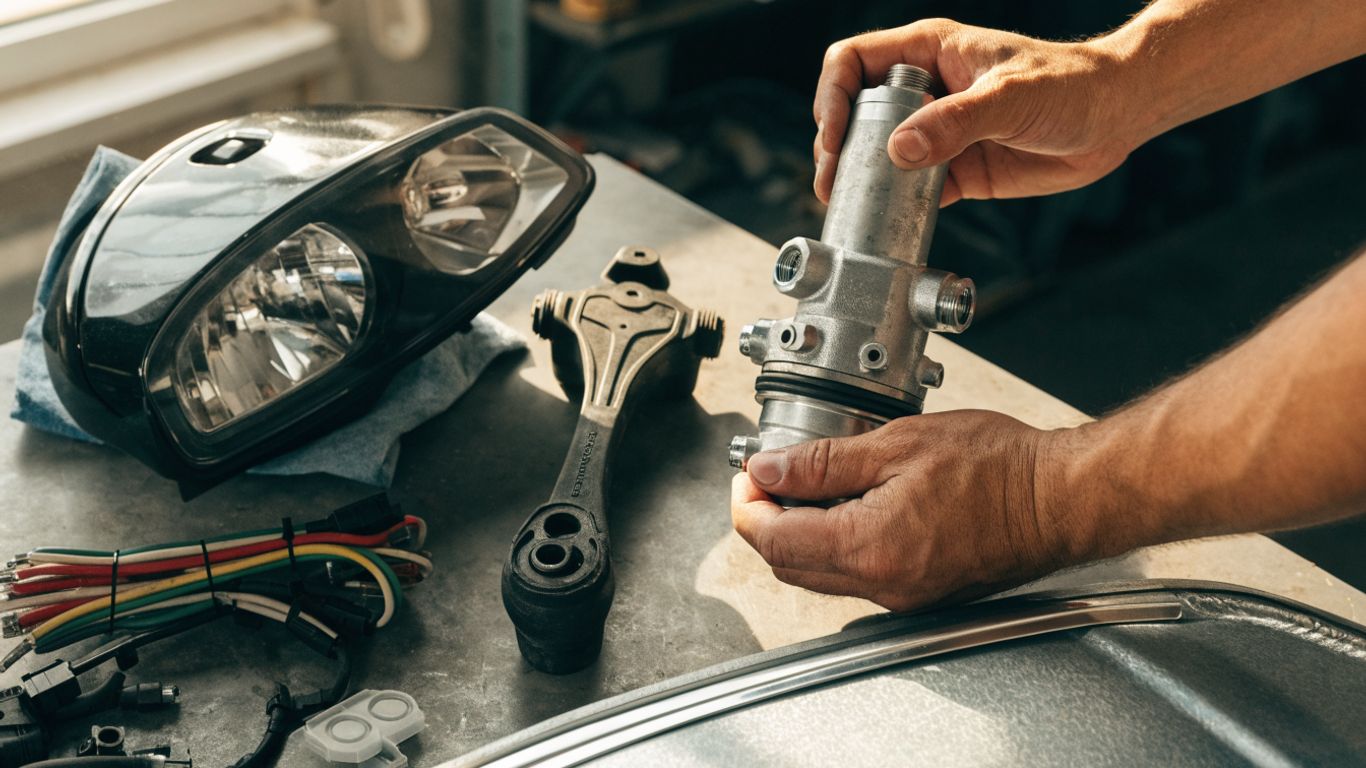
Start with the model and production year, then add the part name, part number, or relevant engine and trim details. Search results are a useful shortlist, not proof of compatibility. Ask the seller to confirm that the exact item applies to your vehicle before you place an order.
Consider availability for discontinued or less common models
If a part is difficult to find new, ask suppliers whether they can source a genuine, used, or aftermarket option. Older and less common models may need a little more checking, particularly when components have changed across production years. Just Chrysler says it can check its network for parts that are not in stock, so asking about sourcing may be worthwhile.
Distinguish new, used, and reconditioned parts
These descriptions refer to different conditions, and you should ask what each means for the specific item. A used part has previously been fitted to a vehicle; a reconditioned part has had work carried out, but the scope of that work should be explained. When comparing condition, ask focused questions such as:
- Has the part been tested, and what was checked?
- Are there signs of wear, damage, or repair?
- Which components or fittings are included?
- What warranty or return terms apply?
The answers help you judge whether the price makes sense for the part’s condition and your repair. If the supplier cannot clarify an important detail, treat that as a reason to pause and compare another suitable option.
Match the part to the repair rather than the symptom alone
A noise, warning light, or handling change can have more than one cause, so buying a part based only on a symptom can lead to replacing the wrong component. Have the fault diagnosed where needed, then confirm the required part and its fitment. For diagnostic work, a qualified mechanic familiar with the vehicle may help identify what the repair actually calls for.
5. Compare the full cost of buying in Australia
The listed price is only one part of the purchase. Include shipping, delivery timing, any charges that apply to the order, and the potential cost of returning an incompatible item. Compare like with like: a new part and a used part may differ in condition, included fittings, and warranty terms. A sensible decision weighs the full cost against what you know about the component.
Compare prices across specialist and general retailers
Check more than one seller, but compare the same part specification and condition rather than the lowest number on the page. A specialist may be able to discuss a Chrysler-specific fitment question, while a general retailer may offer a different range of listed options. A local business’s published scope can also be worth checking; Kelly & Chapman, for example, describes family-law services rather than automotive parts, a reminder to confirm that a provider’s expertise matches the service you need.
Factor in shipping, taxes, and delivery time
For an Australian order, confirm the delivery charge, estimated arrival window, and whether the part is being shipped from within Australia or from overseas. Ask whether the quoted total includes any applicable taxes or other charges, and get the full amount before checkout. A lower item price may not be the better deal if delivery is slow or expensive.
Check return costs for incorrect or incompatible parts
Before ordering, find out how to report a mismatch, how long you have to arrange a return, and whether the part must remain unused or in its original packaging. Ask who pays return freight and whether any fees apply. The more costly or bulky the part, the more important it is to understand these terms before it leaves the seller.
Balance upfront price against warranty and expected service life
A cheaper part can be reasonable when its condition and terms are clear, but a small saving may not justify uncertainty about fit or support. Compare warranty coverage, the stated condition, and the supplier’s answers alongside the price. Long-term value is a consideration in many purchases, including Cambria countertops; for a car part, focus on the evidence and terms specific to the component you are buying.
6. Plan the purchase and installation
Once you have found a suitable part, pause to confirm exactly what will arrive and what the installation involves. A complete purchase plan can save time if a clip, bracket, seal, or related item is not included. Think about who will fit the component and whether the work requires specialist tools or diagnosis. Keep the order details together from the outset.
Confirm what is included with the part
Ask whether the listing covers the main component only or includes attached fittings, wiring, fasteners, or other pieces required for installation. If a photo shows more than the written description, confirm which items are part of the sale. Make sure the invoice reflects the agreed item and condition.
Check whether installation requires specialist tools or skills
Some parts can be replaced with ordinary tools, while others may require specialist equipment, programming, or experience. Check the repair procedure before starting and be realistic about the work you can safely complete. If installation instructions or tool requirements are unclear, ask a repairer before ordering.
Ask a qualified mechanic to verify safety-critical components
For brakes, steering, suspension, and other safety-critical systems, get a qualified mechanic to confirm the correct component and assess the installation. If a problem is difficult to diagnose, a specialist workshop may be appropriate; BMW servicing in Melbourne discusses specialist care for BMWs, while your own repair should be assessed by someone qualified to work on your Chrysler. Do not rely on a parts listing as a substitute for a professional safety check.
Keep invoices and warranty documents for future claims
Save the invoice, product description, fitment confirmation, and any messages about condition or warranty. Take note of the delivery date and keep packaging until you know the part is correct. If a problem arises, having the original terms and seller correspondence makes it easier to explain what was agreed.
Conclusion
Choosing the right Chrysler part is a process of matching details, condition, and supplier information to the repair—not simply finding the cheapest listing. Confirm fitment before ordering, compare the full cost, and get professional advice where the work calls for it. With clear questions and records in hand, you can make a more confident purchase and avoid preventable surprises.
Frequently Asked Questions
How do I make sure a Chrysler part fits my vehicle?
Provide the seller with your VIN, model, year, variant, and the original part number if available. Ask for written fitment confirmation before ordering.
Are aftermarket parts always cheaper than genuine parts?
Not necessarily. Prices vary by component, condition, availability, and supplier, so compare the complete cost and the exact product details.
What is the difference between an aftermarket and a genuine part?
A genuine part is supplied as an original branded component, while an aftermarket part is made by another manufacturer. Either way, verify the specific part’s fitment and terms.
Should I buy a used Chrysler part?
A used part may suit your repair if its condition, compatibility, and warranty or return terms are clear. Ask what has been inspected or tested before you decide.
What should I ask before ordering a part online?
Confirm fitment, condition, what is included, delivery timing, warranty coverage, and the return process. Keep the seller’s answers with your order records.
Can a seller identify the right part from my model name alone?
A model name is a useful starting point, but year, variant, engine, transmission, VIN, and part number can matter too. Share as much detail as you can.
Should a mechanic install safety-critical parts?
For safety-critical components or repairs that need specialist tools or diagnosis, ask a qualified mechanic to confirm the part and installation. Follow their advice for your vehicle and repair.