Key Takeaways
Choosing the right replacement part starts with precise vehicle details and a clear understanding of what the part needs to do. A little checking before you order can prevent delays and mismatches.
- Confirm the Chrysler’s year, model, variant and VIN before ordering.
- Compare aftermarket and genuine options by fit, cost and expected service life.
- Check compatibility details, returns, warranty terms and delivery estimates with the supplier.
- Review specifications and feedback, and seek professional advice where fitting or safety is involved.
- Verify what is included in the order and keep purchase and service records.
Identify the correct parts for your Chrysler
Chrysler models can share a name while differing in the details that determine whether a part will fit. Before browsing, gather the vehicle information from its registration documents and, if possible, the existing part. That small bit of preparation makes it easier to narrow down aftermarket Chrysler parts Australia listings without relying on guesswork.
Find your model, year and variant
Start with the full model name, model year and variant, rather than just the badge on the boot. Some vehicles changed across production years, and trim levels may use different equipment or fittings. If you are unsure which variant you have, check the owner’s documents or the vehicle identification plate before placing an order.
Use the VIN to confirm compatibility
The VIN provides a more specific way to identify a vehicle than its model name alone. Share it with the supplier when asking about a part, and compare any compatibility information on the listing with your vehicle details. A VIN check helps narrow the search, but confirm the exact part and any stated exclusions before you buy.
Check engine, transmission and trim differences
Mechanical and body parts may vary with engine, transmission or trim, even within the same model year. Use the vehicle’s specifications and the supplier’s fitment notes to compare the relevant details. A quick reference can help keep the checks straight:
| Vehicle detail | Why it can matter | What to verify |
|---|---|---|
| Engine | Some components vary by engine configuration | Engine code or capacity listed for the part |
| Transmission | Mounts and related components may differ | Transmission type and any fitment notes |
| Trim or variant | Equipment and body fittings can change | Exact variant and included features |
| Production year | Parts can change between model years | Build or model year accepted by the listing |
Use the table as a prompt for questions, not as a substitute for the part’s fitment information. If a key detail is missing or unclear, ask the supplier to confirm it before checkout.
Compare aftermarket and genuine parts
Aftermarket and genuine parts are not automatically interchangeable in quality, finish or price. The right choice depends on the component, the vehicle’s use and how closely the replacement needs to match the original. It is worth comparing the actual specifications rather than making a decision from the label alone.

Understand the differences in fit and finish
Genuine parts are supplied as original manufacturer parts, while aftermarket parts are made by other manufacturers. Aftermarket products can differ in materials, finish and design, so check the stated application and compare visible details when photos are available. For exterior or interior components, even a small difference in finish can be noticeable once fitted.
Weigh cost against expected lifespan
A lower purchase price may be appealing, but the part’s expected service life and the cost of fitting or replacing it also matter. Consider how often the vehicle is used and whether the component is easy to access later. Compare the full ownership cost rather than treating the initial price as the only measure.
Decide when a genuine part may be the better choice
A genuine part may suit a repair where matching the original fit, finish or specification is a priority. For other repairs, an aftermarket option may be worth considering if its fitment details and quality information meet your needs. Ask for clear information about the part in question; avoid assuming that every genuine or aftermarket component offers the same outcome.
Choose a reliable parts supplier
A useful supplier makes it possible to check what a part fits and what happens if it is not right for the vehicle. Before ordering, look beyond the headline price and read the product details, policies and delivery information. If anything is ambiguous, a direct question before purchase is usually easier than resolving a mismatch later.
Look for clear fitment information
A listing should identify the vehicles or specifications it is intended to suit, along with any limits or exclusions. Compare those details with your model, year, variant and VIN rather than treating a broad model label as confirmation. When the listing leaves a gap, ask the supplier to verify the specific part number or application in writing.
Check warranty, returns and support
Read the warranty terms and returns policy before paying, including any requirements for reporting a problem or returning an item. Check whether the policy explains how incorrectly supplied or unsuitable parts are handled. Clear support information gives you a better basis for deciding whether the purchase is appropriate.
Verify shipping options across Australia
Delivery options and timing can vary depending on the destination, the item and its availability. Check whether the supplier delivers to your area, whether bulky parts have different arrangements, and what estimate applies to your order. If a repair is time-sensitive, confirm the expected delivery window directly rather than relying on a general estimate.
Evaluate part quality before you buy
A careful quality check is useful whether the replacement is new or used. Look for specific details about condition, materials and what is included, then compare those details with what the repair requires. A listing with limited information is a reason to ask more questions, not a reason to fill in the gaps yourself.
Review materials and manufacturing standards
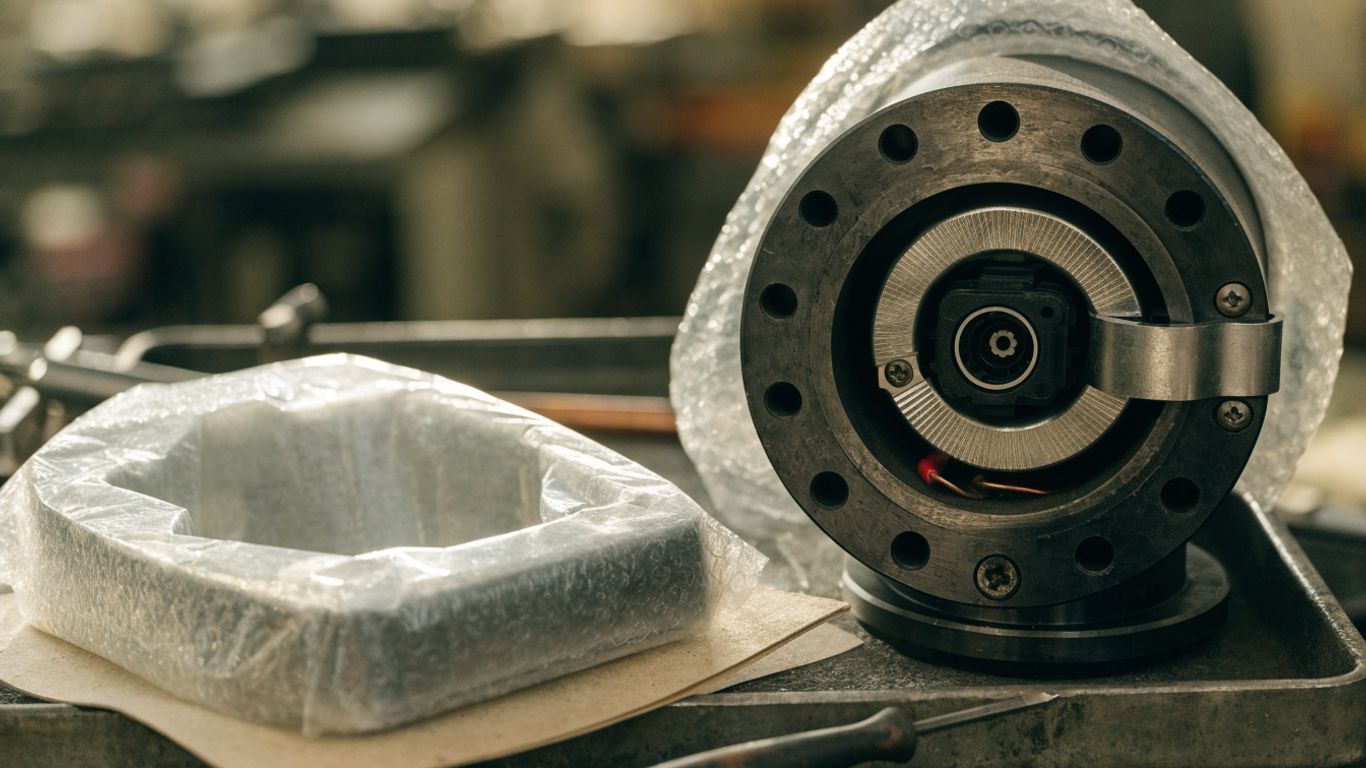
Check whether the supplier describes the material, condition and any relevant manufacturing standard for the part. The information will vary by component, so focus on what is meaningful for that item rather than expecting every listing to follow the same format. If the part is used, ask about its condition and any inspection or testing information available.
Check product photos and specifications
Photos can help you compare shape, connectors, mounting points and visible condition, but they should support rather than replace written specifications. Review the part number and stated dimensions or application where provided. If a crucial detail is not shown, request a clearer image or confirmation before ordering.
Look for credible customer feedback
Useful reviews tend to describe the actual item and the buying experience in concrete terms. Look for feedback that explains whether the part matched its description, arrived as expected or required clarification about fitment. Treat broad praise or a single account as one person’s experience, not proof that every order will be the same.
Plan for installation and maintenance
Choosing the part is only one part of a successful repair. Consider how it will be fitted, what information the installer needs and how you will keep track of the work. Planning these steps before ordering can help avoid an unnecessary pause once the part arrives.
Identify parts that need professional fitting
Some repairs call for specialist tools, technical knowledge or safety checks, particularly where the work affects critical vehicle systems. If you are uncertain about the procedure, ask a qualified mechanic to assess the job before buying. Their advice can also help confirm which part specification is appropriate.
Confirm tools and instructions before starting
For a repair you intend to do yourself, check that you have the required tools and reliable instructions before dismantling anything. Make sure the part supplied matches the vehicle and that the work can be completed safely in your workspace. If a step or fitting detail is unclear, stop and seek advice rather than forcing a component into place.
A repair goes more smoothly when the part, tools and instructions are checked before work begins.
That simple sequence can save time and help prevent avoidable damage. Keep any fitting guidance with the part information so it is available during the repair.
Keep records for warranty and future servicing
Save the order confirmation, part details, warranty information and any installation invoice. Note the date and mileage when the repair was completed, along with any maintenance advice from the installer. These records make later servicing easier and give you the relevant details if you need to ask about the purchase.
Avoid common buying mistakes
Many ordering problems come from small assumptions: a model name that seems specific enough, a kit that turns out to be incomplete, or a delivery estimate that was never confirmed. Taking a moment to verify the details is especially useful when a repair has already been scheduled. Keep the vehicle and order information together while you check each point.
Don’t rely on model name alone
A model name does not always distinguish between different years, variants or mechanical specifications. Confirm the full vehicle details and compare them with the supplier’s fitment information before you commit. If the match depends on a particular engine or production range, make sure that detail is explicit.
Check whether parts are sold individually or in kits
Product images may show more than the item included in the price. Read the description to see whether you are buying one component, a pair or a complete kit, and check which clips, seals or fittings are included. If the contents are not clear, ask for an itemised confirmation so you can plan for any additional pieces.
Confirm delivery times before scheduling repairs
A part’s availability and delivery estimate can affect when a repair can begin. Confirm the expected timing for your location and ask whether the item is ready to dispatch or subject to a separate lead time. Schedule work only after you have a realistic delivery estimate, particularly if the vehicle cannot be used until the repair is complete.
Conclusion
The best way to choose Chrysler replacement parts is to verify the vehicle details, compare the specific part options and confirm the practical details before ordering. Clear fitment information, a sensible quality check and realistic installation and delivery plans can make the process more straightforward—and help you avoid buying on assumptions.