Key Takeaways
A few details gathered before you shop can save time and help prevent a costly mismatch. Use the vehicle’s identification information, part details, and seller terms to compare options with confidence.
- Record the Chrysler’s model, year, trim, VIN, and engine details.
- Compare genuine, aftermarket, and used parts according to the job and your priorities.
- Ask Brisbane suppliers to confirm stock, fitment, delivery, and return conditions.
- Compare the full cost, including shipping, installation, and related components.
- For classic or modified vehicles, check part numbers, condition, and compatibility carefully.
Identify the part your Chrysler needs
Start with the vehicle and the component, rather than a broad search for Chrysler parts Brisbane. Two vehicles with the same model name may differ by year, trim, engine, or production details. Write down what you know before contacting a seller, then verify uncertain details against the vehicle or existing part. A little preparation gives the supplier useful information to check against the part listing.
Record the model, year, and trim
Note the model name, model year, and trim as they appear in the vehicle documents or owner materials. Include the body style where relevant, since listings may distinguish between versions of a model. If you are unsure which trim designation applies, share the details you can verify and ask the seller what else they need. These details narrow the search without assuming that a part fits every vehicle carrying the same model badge.
Find the VIN and engine details
The vehicle identification number can help a seller check the vehicle’s configuration; the engine size or code may also matter for some components. Check the VIN on the vehicle and compare it with the registration or ownership documents so you do not pass along a transposed character. For a phone or email inquiry, have the VIN ready, but avoid posting it publicly. Giving the seller both the VIN and engine information can help resolve uncertainty before a part is ordered.
Check the part number on the existing component
If the old component is accessible, look for a stamped, printed, or labeled part number and photograph it clearly. Numbers can be hard to read after wear, so record the full sequence and any suffixes rather than relying on a partial match. A number is a useful reference, but it does not by itself confirm fitment; ask the supplier to verify it against your vehicle details before buying.
Compare new, used, and aftermarket parts
The right choice depends on the part, its availability, the vehicle’s age, and how you plan to use the car. A new genuine part, an aftermarket replacement, and a used component each involve different trade-offs. Ask what the part is, what condition it is in, and what support applies if it does not fit or perform as expected. For a considered comparison, focus on the specific item rather than assuming one category is always best.
When a genuine Chrysler part makes sense
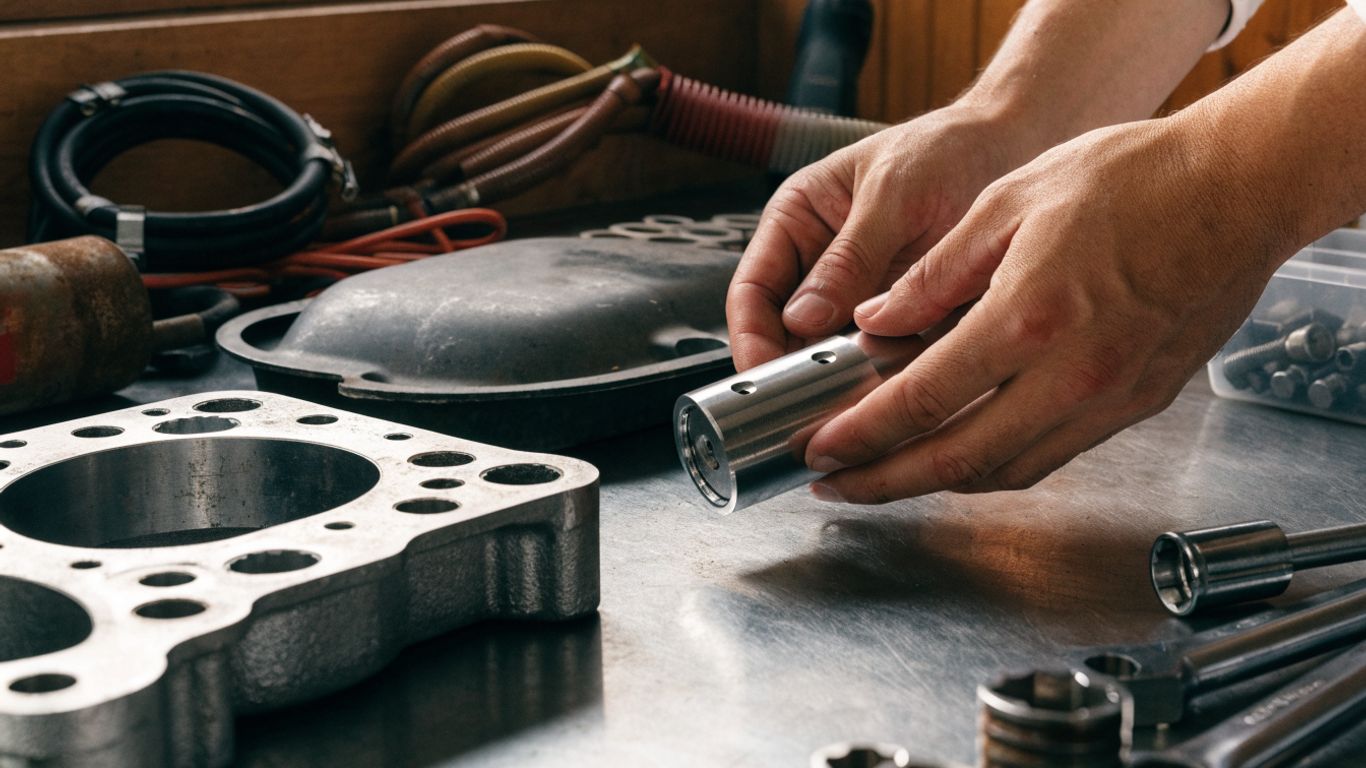
A genuine part may suit a repair where matching the original specification is a priority, especially when you want the replacement to correspond closely to the existing component. Check that the item is genuine, new, and intended for your exact vehicle rather than relying on a label alone. Ask the seller to confirm the part number and any fitment limits. Availability and price can vary, so compare the confirmed option with alternatives before deciding.
How aftermarket parts can offer more choice
Aftermarket parts can provide another route when comparing availability, design, and price. The label alone does not establish whether a particular replacement is suitable, so check the maker, product details, and stated vehicle applications. Ask whether the listing covers your year, engine, and trim, and clarify what happens if the part proves incompatible. Comparing like-for-like details makes it easier to judge whether a lower quoted price is genuinely useful.
What to inspect when buying used parts
With a used component, ask for its condition, source, and any known damage or wear. For parts where visible condition matters, request clear photographs from several angles and check that connectors, brackets, and other included pieces are present. It helps to compare options using the same questions, rather than treating “used” as a complete description of condition.
| Check | Question to ask |
|---|---|
| Identification | Does the part number match or cross-reference to my vehicle? |
| Condition | Are there signs of wear, damage, or previous repair? |
| Included items | Are the fittings, connectors, or attached pieces included? |
| Support | What return or warranty terms apply to this part? |
A clear answer on each point makes it easier to compare the used part with a new or aftermarket alternative. If important details are missing, ask before paying rather than assuming the photographs tell the whole story.
Find Chrysler parts suppliers in Brisbane
A local supplier can be convenient, but proximity does not guarantee that the right part is on hand. When searching in Brisbane, describe the vehicle and component clearly and ask whether the item is physically available or needs to be sourced. Confirm the quoted part is the one being discussed, not simply a possible match from a broad search. Clear answers make it easier to decide whether to collect locally or arrange delivery.
Look for local stock and clear availability
Ask whether the part is in stock, held at the location you would visit, or available only after an order. If the supplier needs to check, request a realistic timeframe and confirmation of the exact part number or description. “Available” can refer to different stages of the process, so clarify whether the item is ready for pickup or still has to be located. This avoids planning a trip around an unconfirmed listing.
Check whether the supplier specializes in Chrysler vehicles
Ask what information the supplier uses to check Chrysler fitment and whether they can search by VIN or part number. A useful response should explain what details are still needed and distinguish confirmed compatibility from a likely match. You do not need to assume a supplier handles every model; focus on whether they can verify the specific part you need. If the first answer is vague, provide the engine and trim details and ask for a closer check.
Confirm delivery, pickup, and returns options
Before paying, confirm the pickup location or delivery arrangements, including any charges and expected timing. Ask how returns are handled if the part is incorrect, and whether the item must remain unused or in its original packaging. Get the conditions in writing when possible, particularly for special orders or used parts. Knowing these details beforehand helps you compare convenience as well as price.
Verify fitment before you buy
A listing that names a Chrysler model is a starting point, not proof that the part will fit your vehicle. Differences in engine, trim, production date, or equipment can affect compatibility. Share the vehicle details and ask the supplier to confirm the exact application for the component being quoted. A quick check can prevent the delay of receiving a part that looks right but cannot be installed.
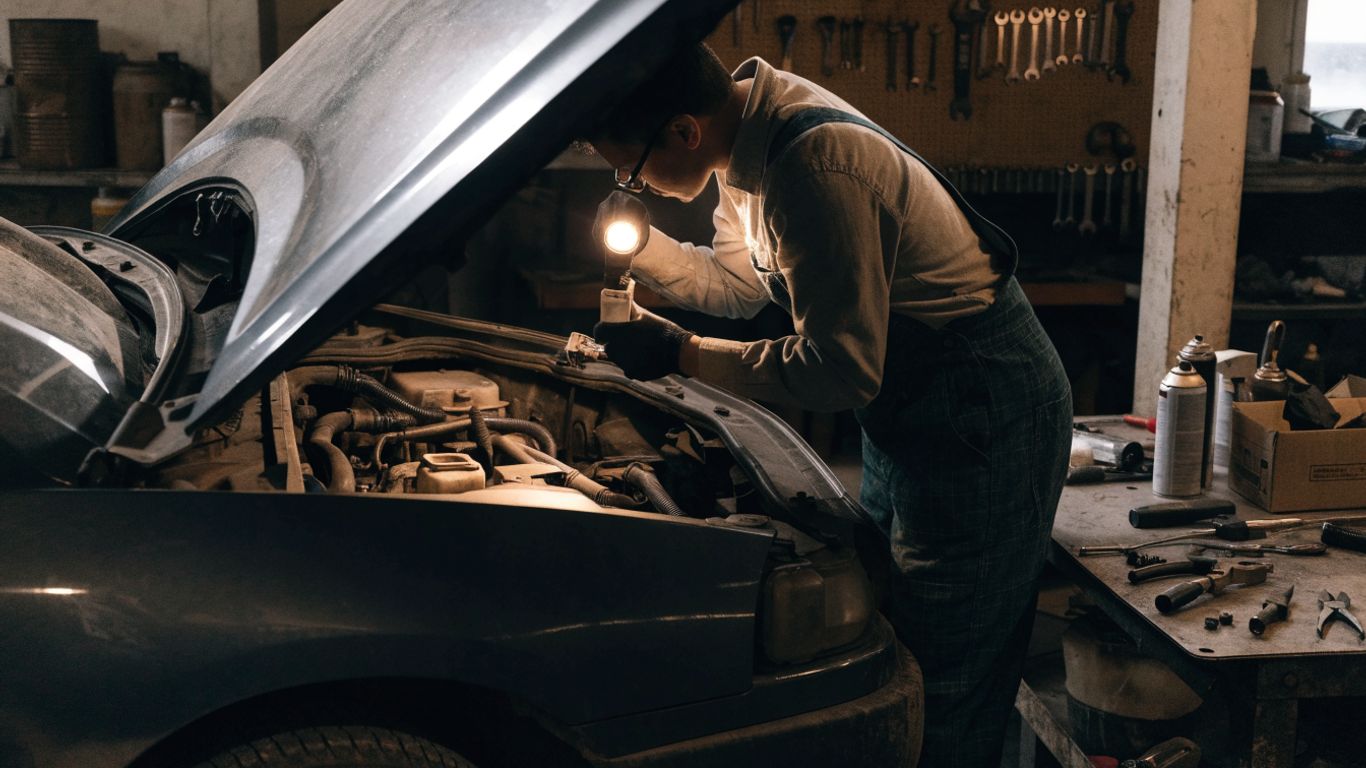
Match parts to your exact vehicle configuration
Provide the model year, trim, engine details, and VIN where appropriate, along with the part number if you have it. Ask the seller to state which details they used to confirm the match. If a listing covers a range of years, verify that your exact configuration is included rather than assuming the range applies uniformly. Keep the confirmation with your receipt or order correspondence in case you need to refer back to it.
A model name narrows the search; the vehicle’s full configuration confirms the match.
Use that distinction when reviewing listings or speaking with a supplier. If the answer relies only on the model name, ask for a check using the VIN, engine, or component number before placing the order.
Ask about compatibility for discontinued models
For a discontinued model, ask whether the listed part is an exact match, an alternative, or a component that may need further verification. Older catalogs and informal descriptions can use different naming conventions, so share photographs and numbers from the existing part where possible. If a component has been superseded or adapted, ask what differs and whether additional pieces are required. Avoid ordering based on a similar-looking item alone.
Check warranty coverage and return conditions
Read the warranty terms for the specific part, including what is covered, how long coverage lasts, and what proof of purchase is required. Confirm return conditions separately: a warranty and a change-of-mind or incorrect-fit return may have different rules. Ask whether installation affects eligibility, particularly if the item is electrical or must be fitted before a fault becomes apparent. Understanding the limits now is better than relying on assumptions later.
Estimate the total cost of a part
A part’s listed price is only one part of the repair cost. Local availability, delivery charges, installation, and any related components can change the total considerably. Compare quotes that describe the same specification and condition, then ask what is included. With a fuller estimate, a lower initial price is easier to judge on practical terms.
Compare prices across local and online sellers
Request a quote for the confirmed part number or application, and check whether the price is for a new, used, genuine, or aftermarket item. An online price may not include shipping or the cost of returning an incompatible part, while a local quote may include a different level of support. Check the final amount and terms rather than comparing headline prices alone. Keep the vehicle information consistent across inquiries so each seller is pricing the same requirement.
Include shipping, installation, and related components
Ask whether delivery, taxes, installation, or necessary fittings are included in the quote. Some repairs may also call for related hardware or replacement components, so check with the installer before treating the part price as the whole job. If you are arranging installation separately, request an estimate based on the specific part and repair. Allowing for these expenses gives you a more useful comparison between options.
Balance upfront savings against warranty and condition
A cheaper part may still be the sensible choice, but weigh its condition and return terms against the price difference. For a used item, consider the cost and inconvenience if it does not work or fit; for a new option, check exactly what the warranty covers. There is no universal answer, because the value depends on the component and the repair. Choose the option whose total cost and support match your needs, not simply the lowest number on a listing.
Source parts for classic and performance Chryslers
Classic and modified Chryslers can require more careful searching than a standard replacement. Names, specifications, and previous changes to the car may complicate a straightforward catalog match. Gather as much evidence as possible from the existing part and vehicle, and explain any modifications when asking for help. Taking time to verify details can be especially useful when a component is rare or difficult to replace.
Search by model-specific names and part numbers
Use the model and year, but also try known component names, casting or stamped numbers, and any numbers on the original packaging or records. Older parts may be described differently across catalogs, so compare the details rather than relying on one search term. If you find a possible match, ask the seller to confirm dimensions or application against your existing component. A precise reference can make a broad search more productive.
Check condition and provenance for rare components
For a scarce part, ask what is known about its source and whether it has been repaired, altered, or stored for a long period. Request close photographs of wear points, mounting surfaces, and identification marks. Where condition cannot be confirmed visually, ask what inspection or return options are available. A careful record of the seller’s description and the item’s condition helps you make a more informed decision.
Confirm whether modifications affect compatibility
Tell the supplier about changes to the engine, suspension, brakes, or other relevant systems before asking for a fitment check. A catalog match for the original configuration may not account for parts installed during a modification. Share measurements, part numbers, or photographs when available, and ask which details still need to be confirmed. If compatibility remains uncertain, consult a qualified mechanic familiar with the vehicle before ordering.
Conclusion
Finding the right Chrysler part is less about searching quickly than confirming the details that matter. Record the vehicle information, compare the part’s condition and terms, and get fitment and total cost confirmed before you buy. For older or modified cars, a little extra checking can save a frustrating mismatch and help you make a more confident choice.