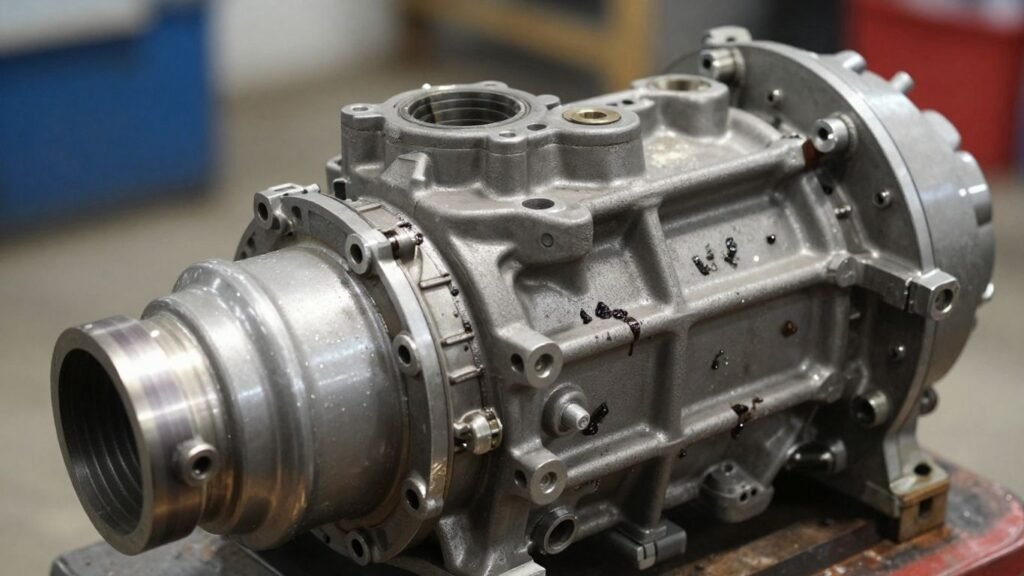
Find Affordable Second Hand Chrysler Transmissions in Melbourne Today
Is your Chrysler acting up? Maybe the transmission is making weird noises or not shifting right. Replacing it can seem like a huge expense, but it doesn’t have to be. You can find affordable second hand Chrysler transmissions in Melbourne today. This guide will help you figure out where to look and what to watch out for, so you can get your car back on the road without breaking the bank. Key Takeaways Buying a used transmission is a budget-friendly way to fix your Chrysler. Look for local Melbourne wreckers or online suppliers for parts. Always check the transmission’s condition, mileage, and if it has a warranty. Know what information you need before asking for a quote. Used, tested parts can extend your car’s life affordably. Finding Affordable Second Hand Chrysler Transmissions in Melbourne Why Choose Used Transmissions for Your Chrysler So, your Chrysler’s transmission is acting up. Maybe it’s grinding, slipping, or just not shifting right. It’s a headache, for sure. Before you panic and think about dropping a ton of cash on a brand-new one, consider this: a quality used transmission can be a really smart move. It’s often the most budget-friendly way to get your car back on the road and running smoothly. Think about it – you’re getting a functional part that’s already been through its initial break-in period, potentially saving you a lot compared to the cost of a new unit. Plus, with the right supplier, you can find low-mileage options that still have plenty of life left in them. Benefits of Sourcing Transmissions Locally in Melbourne When you need a replacement transmission for your Chrysler, looking right here in Melbourne makes a lot of sense. For starters, it cuts down on shipping time and costs. If you find a local supplier, you might even be able to pick up the part yourself, saving even more. It also means you can potentially see the part before you buy it, or at least deal with a company that’s easily accessible if any questions or issues pop up later. Dealing with local businesses can also mean more personalized service; they often know the Melbourne market and what Chrysler owners in the area need. Buying a used transmission locally can simplify the entire process. You get faster access to the part and can often build a relationship with a reliable supplier in your area, which is always a plus when you own a car. Identifying Quality Used Chrysler Transmissions Not all used transmissions are created equal, so it pays to be a bit picky. When you’re looking for one, try to find out as much as you can about its history. Low mileage is definitely a good sign. Also, ask about any testing or inspection the transmission has undergone. Reputable sellers will often have their parts checked by mechanics to make sure they’re in good working order. Don’t be afraid to ask questions about the condition, any known issues, and what kind of warranty or return policy they offer. This due diligence can save you a lot of trouble down the line. Key Considerations When Buying a Used Chrysler Transmission So, you’re looking for a used transmission for your Chrysler in Melbourne. That’s a smart move to save some cash. But before you hand over your money, there are a few things you really need to think about. It’s not just about grabbing the first one you see. You want something that’s going to work and last, right? Understanding Transmission Types: Automatic, Manual, and CVT First off, know what kind of transmission your Chrysler actually has. Most people think of automatics and manuals, and yeah, those are common. But Chrysler, like other car makers, has also used Continuously Variable Transmissions (CVTs) in some models. They work differently than a standard automatic. CVTs use belts and pulleys instead of fixed gears, giving you a smoother ride but sometimes requiring specific maintenance. Make sure you know if you need an automatic, a manual, or a CVT. Getting the wrong type means it won’t fit, and you’ll be back to square one. Assessing Mileage and Condition of Used Transmissions This is a big one. Just like buying a car, the mileage on a used transmission tells you a lot. A transmission with 50,000 km is going to be in a lot better shape than one with 250,000 km. Look for transmissions with lower mileage if you can. Also, ask about the condition. Was it tested? Does it have any known issues? Sometimes, sellers will list transmissions as ‘low mileage’ or ‘tested,’ which is good, but you still want to ask questions. A transmission that’s been well-maintained, even with a bit more mileage, might be better than a low-mileage one that was abused. The Importance of Warranty and Return Policies This is probably the most important part. You’re buying a used part, and there’s always a chance something could go wrong. Always ask about the warranty and the return policy before you buy. A good supplier will offer at least a 30-day warranty. This gives you some breathing room to get the transmission installed and make sure it’s working correctly. If it fails within that period, you want to be able to return it or get a replacement without a huge headache. A supplier that doesn’t offer any kind of guarantee is a red flag. It means they’re not confident in the parts they’re selling, and you shouldn’t be either. Buying a used transmission can save you a lot of money, but it’s not a simple ‘plug and play’ situation. You need to do your homework. Knowing the type, checking the mileage and condition, and understanding the warranty are all steps that will help you avoid future problems and keep your Chrysler running smoothly on Melbourne’s roads. Where to Source Your Transmission in Melbourne So, your Chrysler’s transmission is acting up, and you’re in Melbourne looking for a replacement without breaking the bank. The good news is, you’ve got options right