Key Takeaways
Carefully disassembling a vehicle requires patience, the right approach to hazardous materials, and a clear system for tracking components. Achieving a clean salvage of a Chrysler 200 dismantled for parts ensures that value is preserved for future use or resale.
- Establish a safe, well-lit workspace before beginning any mechanical work.
- Use specialized containers for draining and securing automotive fluids.
- Label every wiring harness and fastener to simplify future reassembly.
- Follow strict safety protocols when depressurizing fuel and cooling systems.
- Sort salvaged mechanical parts based on wear levels and testing results.
Preparation and essential safety
Getting a vehicle ready for a complete teardown requires discipline and a mindset geared toward organization. You have to ensure that every step is taken to mitigate risk, protecting both yourself and the components you intend to reclaim from the chassis. A systematic approach ensures that nothing is overlooked during the process.
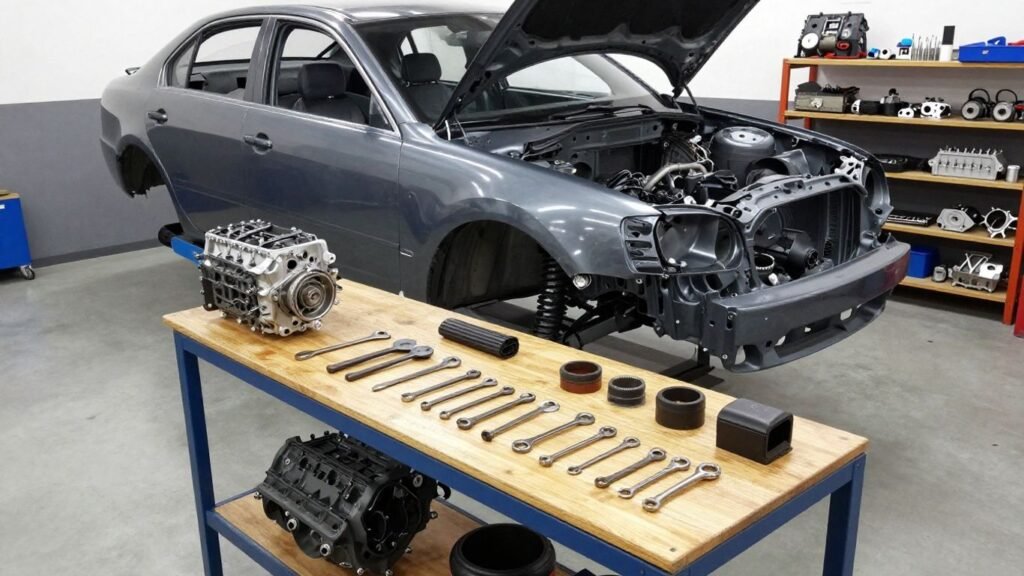
Choosing the right tool kit for teardown
A comprehensive set of metric sockets, wrenches, and specialized trim removal tools is non-negotiable for this task. Using the correct size helps prevent stripped bolts and broken plastic clips, which is essential when preserving parts for refurbishment.
Setting up a structured workspace
Your work area should provide enough clearance to safely navigate around the vehicle from all sides. A flat, level concrete surface allows for stabilized jacks, while clear labeling stations help keep track of the sheer volume of parts coming off the frame.
Required personal protective equipment
Handling automotive chemicals and sharp metal edges demands proper gear like impact-resistant gloves and eye protection. Safety gear acts as your primary defense against the fluids and shards you will inevitably encounter throughout the day.
Initial documentation of vehicle condition
Before picking up a tool, take detailed photographs and notes of the vehicle’s current state. Mapping out the layout of components serves as a visual guide and helps prevent confusion if you end up with extra fasteners after a long day of work.
Interior component removal
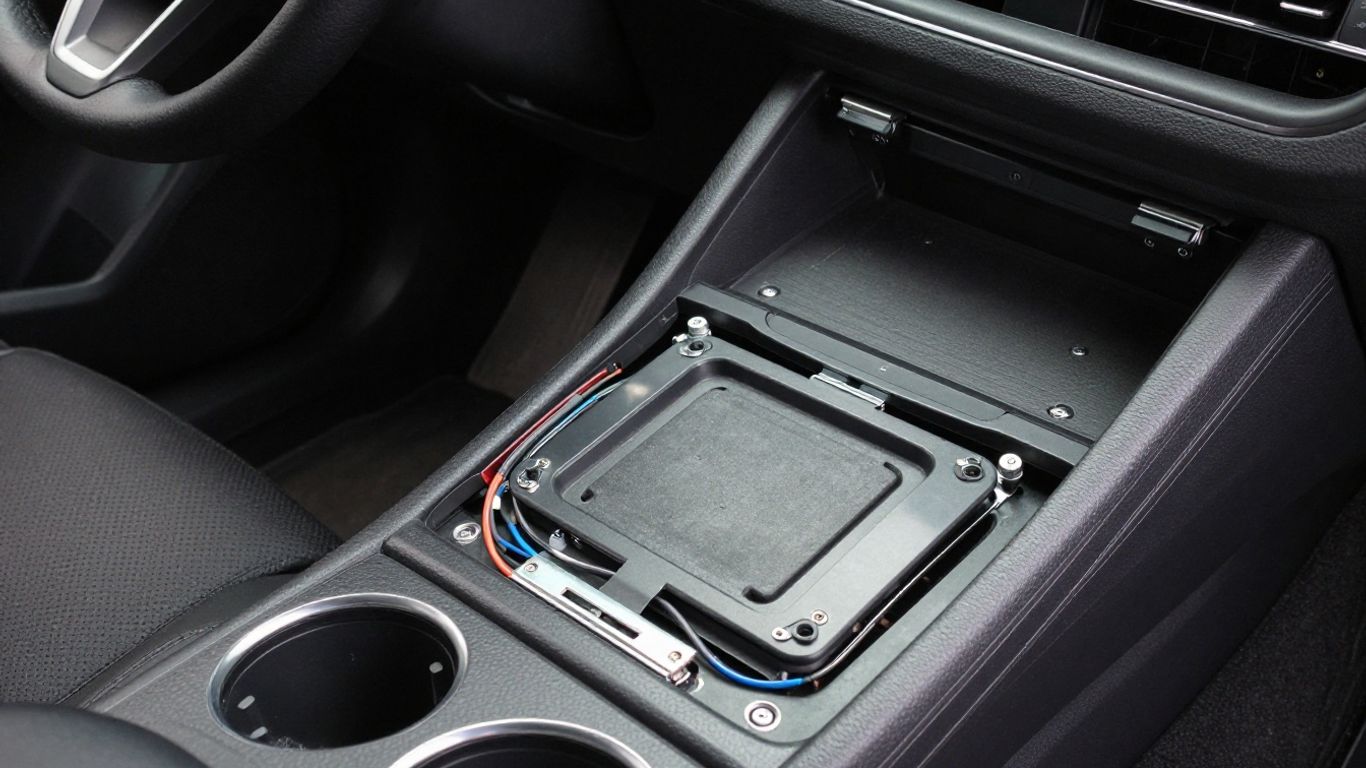
Stripping the interior requires a gentle touch because the plastic trim and electrical connectors are easily damaged. You should move logically from the central features outward toward the door panels to maintain a clear line of sight while working in confined spaces. This segment of the project often reveals the most about the vehicle’s long-term utility.
Removing the center console and infotainment stack
Start by locating the hidden fasteners beneath the shift boot and storage compartments. Gently prying these sections away will reveal the main unit, allowing you to safely disconnect sensitive electronics without causing strain to the underlying cable harnesses.
Safely extracting front and rear seats
Slide the seats fully forward to access the rear bolts, then move them backward to reach the front, ensuring you disconnect any under-seat wiring before pulling the seats from the cabin. It is a heavy, awkward task that benefits from having an extra set of hands.
Taking out dashboard trim and electronic modules
Work methodically to remove the various fascia panels around the climate controls and instrument cluster. These modules are often held by clips that require specific leverage points to release without snapping the plastic tabs.
Stripping carpeting and internal moldings
Removing the floor lining and door sills often reveals heavy-duty insulation that must be cleared to reach the main chassis wiring. The following table identifies typical fastener types found during this phase.
| Part Location | Fastener Type | Tool Required |
|---|---|---|
| Center Console | Plastic Clip | Trim Tool |
| Door Sill Plate | Metal Screw | Phillips Driver |
| Dashboard Trim | Locking Tab | Flathead Driver |
Maintaining a clean catalog of these hardware types keeps your storage boxes organized and prevents mixing up bolts between different interior assemblies.
Engine bay and drivetrain disassembly
Once the cabin is clear, the focus shifts to the mechanical heart of the vehicle. This section involves working with heavier components and managing substances that require careful handling to avoid spilling or environmental contamination. The process involves systematically untangling the engine from its mounting points.
Draining and neutralizing hazardous liquids
Begin by placing large basins beneath the radiator and oil pan, as these fluids are critical to contain for safe disposal. Once drained, wipe down the area to ensure your workspace remains clean and free of accidental slip hazards.
Removing the intake manifold and cooling system
Detach the vacuum lines and electrical connections linked to the intake before unbolting the housing from the block. Careful removal of the radiator hoses and thermostat assembly will allow you to clear space for easier access to the engine itself.
Techniques for engine and transmission extraction
Utilizing a hoist is standard procedure for lifting the engine and transmission as a single linked assembly.
Always verify that all ground straps and transmission linkages are fully detached before applying tension to the hoist, as missing one connection can cause significant structural damage to the harness or surrounding engine bay components.
Careful observation is required during the initial lift to ensure the assembly clears the chassis and does not impact the subframe while drifting outward.
Salvaging emission control parts and sensors
These components are often sensitive and require careful extraction because they are frequently exposed to high heat under the hood. Removing them early allows for an easier path when pulling the larger mechanical units later in the day.
Exterior body panel salvage
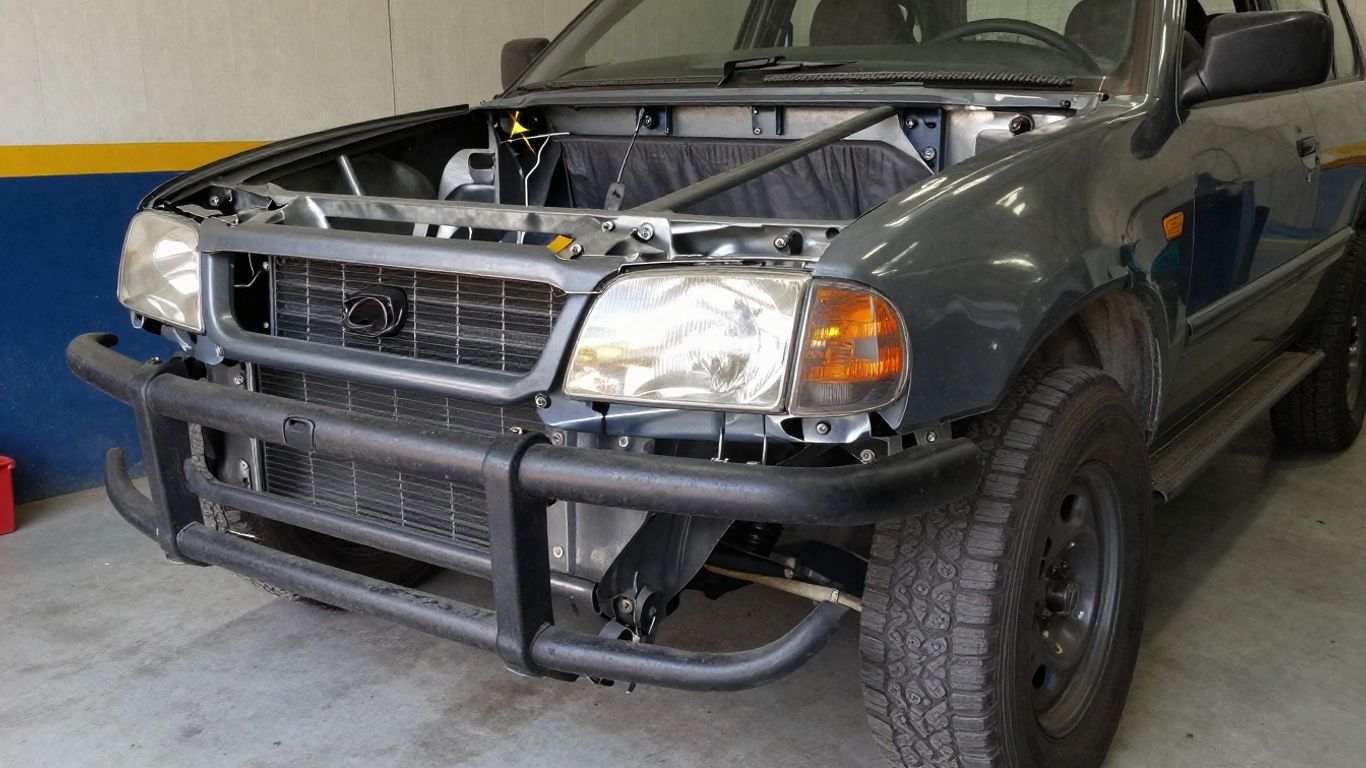
Extracting body panels is all about preserving the integrity of the paint and the underlying structural connections. You want to avoid bending the metal while working to undo heavy-duty bolts that have been exposed to the elements for years. When you take your time, you keep components in salvageable condition.
Detaching bumpers and front fascia
Start at the wheel wells to release the plastic fender liners, then move toward the center grille area to undo the main support mounts. Once these are loosened, the bumper cover should pull away from its retaining clips without extra stress.
Removing exterior doors and deck lids
Support the weight of the door with an adjustable stand before unbolting the hinges to prevent damage to the door body. This prevents the door from swinging unexpectedly, which would put pressure on the pin structure and potentially warp the mounting points.
Retrieving headlight and taillight assemblies
These units are typically held by recessed bolts that remain accessible even after the main bumper support has been removed. Use care to pull the light housing straight out to avoid shearing the alignment pins that keep the lighting flush with the body.
Detaching side mirrors and window glass
Access the mirror connections through the door panel, then carefully undo the securing nuts. Removing glass requires special care to ensure the seals are not torn, as these are difficult to source as replacement parts for older vehicle models.
Environmental compliance and waste management
Handling automotive waste is a serious responsibility that requires adherence to local regulations. Your goal is to ensure that no fuel, battery acid, or refrigerant enters the groundwater or atmosphere. Compliance protects your neighborhood and keeps your operations within legal guidelines.
Safe protocols for fuel system depressurization
Relieve the fuel line pressure by pulling the pump fuse while the engine is running or by manually releasing it at the rail before disconnecting any fittings. This prevents pressurized spray, which is a major fire risk.
Proper disposal of the lead-acid battery
Take the battery to a designated recycling facility where the chemicals and heavy metals can be processed safely. Never treat a battery as general household or metal scrap due to the risk of caustic leakage.
Handling AC refrigerant and climate systems
Strict federal regulations govern the capture of refrigerant, so you must use a vacuum recovery unit to pull the gas from the system. Attempting to vent it yourself is not only illegal but also releases harmful greenhouse gases into the air.
Regulations for recycling automotive fluids
Used oil, transmission fluid, and coolant must be kept in separate, clearly marked containers to make recycling easier. Check with local facilities to see if they accept mixed fluids or if they require them to be strictly separated by grade.
Cataloging and refurbishing salvaged parts
After everything is removed, the final step involves cleaning and assessing the value of your salvage. Organizing your inventory allows you to quickly find exactly what you need later and keeps your potential sales items in the best possible shape for buyers.
Cleaning and testing electronic control units
Inspect the pins on every ECU to check for corrosion or signs of water damage that could affect future performance. Use a specialized electrical contact cleaner to gently refresh the connections before storing these items in a dry, static-free environment.
Labeling and storing harnesses for future projects
Take the time to tag every harness plug with its corresponding location on the vehicle and system type. Properly winding these bundles keeps them from twisting or breaking, ensuring the wiring remains intact if you decide to use it in a future build.
Sorting mechanical components for resale
Group items like pulleys, mounts, and brackets together, checking each one for structural integrity and fatigue. Components that pass a basic visual inspection can be cleaned and prepared for storage or potential future installation.
Identifying common points of wear for refurbishment
Focus your energy on parts that commonly degrade, such as rubber bushings, seals, and gaskets, which often require replacement before a salvage part is truly ready for service again. Replacing these low-cost items makes the whole salvaged assembly more reliable.
Conclusion
Breaking down a vehicle is a labor-intensive project, but with consistent organization and safety, you can preserve a wealth of functional parts. By following a clear, step-by-step methodology, you ensure that every component is handled appropriately and stored for its next use.