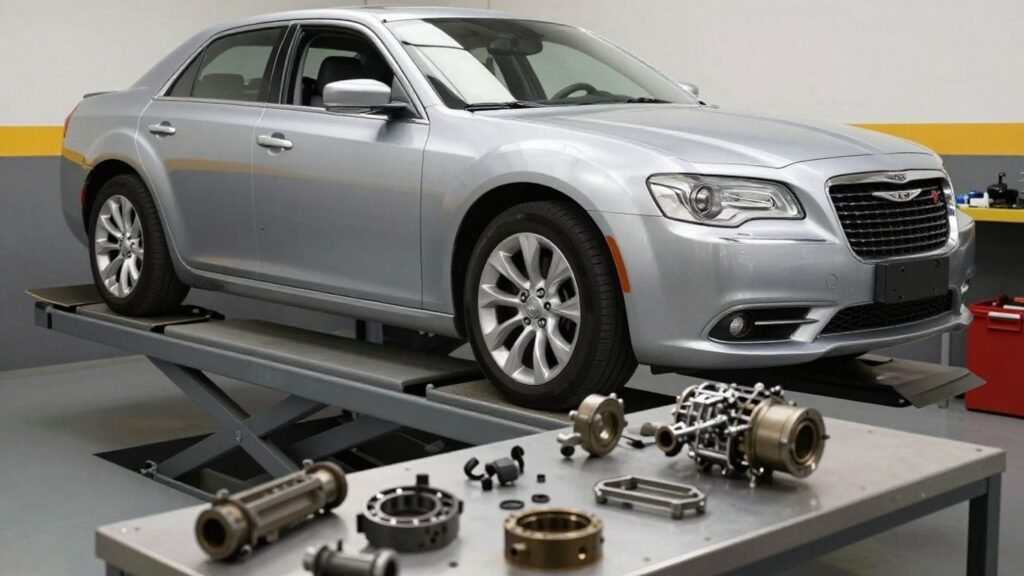
Key Takeaways
Salvage options provide a practical way to maintain high-end vehicles while managing overall repair costs effectively.
- Chrysler 300 wrecking sources offer a vast inventory of recycled automotive components.
- Online databases streamline the process of locating specific donor vehicle parts.
- OEM salvage parts often provide better fitment and material quality than aftermarket clones.
- Inspecting components for structural or mechanical fatigue remains critical before finalizing any purchase.
- Proper tool selection and safety protocols are essential when performing self-service salvage work.
Understanding the Chrysler 300 wrecking market
The market for reclaimed vehicle components is driven by the consistent demand for high-end sedan parts that are no longer in active production. Enthusiasts and repair shops regularly look toward these sources to keep older units running smoothly without needing expensive new-from-factory stock. This sector continues to evolve as more vehicles reach the end of their functional lifespan.
Overview of salvage and junk vehicle auctions
Salvage auctions serve as the primary gateway for acquiring retired vehicles that have been deemed uneconomical to repair by insurance providers. These auctions typically offer a range of vehicles, from total losses to those with minor cosmetic damage, allowing recyclers to salvage functional mechanical systems. Understanding how these platforms operate helps bidders identify the best opportunities for sourcing components.
How supply chain shortages drive demand for used parts
When original manufacturer components become scarce or face significant lead times, recyclers provide a much-needed alternative. Many repair professionals find that opting for salvaged parts helps bypass shipping delays while still utilizing original equipment factory components to complete essential work. This supply chain stability ensures that service centers can meet customer deadlines without relying exclusively on current manufacturing yields.
Identifying the best model years for compatible parts
The interchangeability of components often depends on the specific generation of the Chrysler 300. Engineers typically maintain high levels of consistency within a single generation, which simplifies the search for matching mechanical assemblies. The following table provides a general look at how parts often cross over between similar production batches.
| Generation | Typical Year Range | Interchangeability Focus |
|---|---|---|
| First Gen | 2005 – 2010 | Suspension and Drivetrain |
| Second Gen | 2011 – 2014 | Interior and Electronics |
| Updated Second | 2015 – 2023 | Exterior and Infotainment |
Selecting the right donor vehicle ensures that engine bay configurations and electrical connections align properly during the installation phase. Technicians should always verify the VIN-specific requirements before committing to a part pull.
Finding reliable salvage yards for your parts
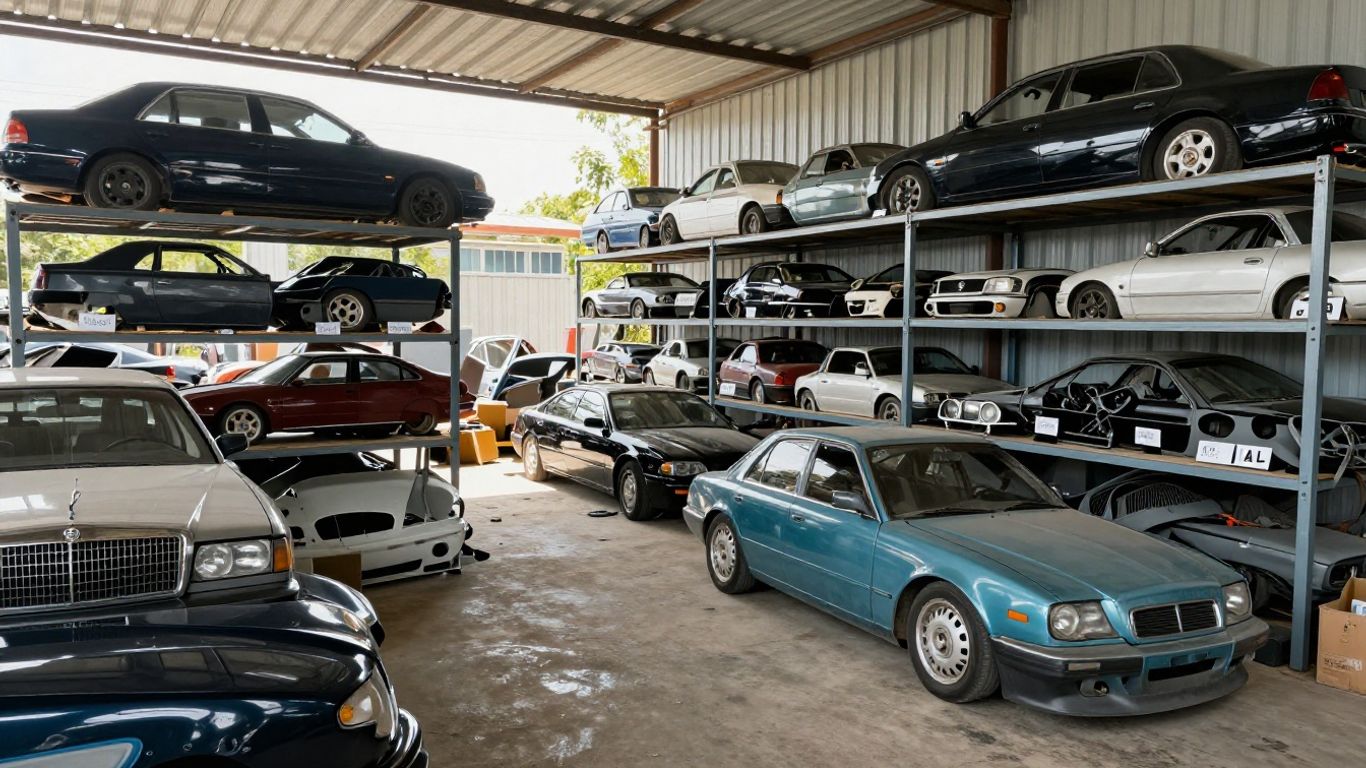
Locating a reputable recycler requires a mix of digital research and localized verification to ensure parts meet your performance expectations. Not every yard carries the same level of quality control or inventory depth for full-size luxury sedans. Establishing a rapport with yards that specialize in specific makes often leads to a more efficient sourcing process.
Utilizing online inventory search databases
Modern recycling centers often connect their stock to searchable networks that track parts by VIN or manufacturer standard. These databases allow users to view available donor vehicles across a regional footprint without needing to visit physical locations needlessly. By filtering for the desired make and model, shoppers can pinpoint exactly which yard currently holds the required assembly, like a transmission or a door mirror, saving hours of manual labor.
Evaluating the reputation of local auto recyclers
Quality assurance varies significantly between different salvage facilities. Checking reviews or asking local mechanics about their preferred suppliers helps determine which yards consistently provide clean, tested items rather than rusted inventory. A dependable recycler usually maintains an organized facility and keeps records on the donor vehicle’s history.
Consistent maintenance records at a salvage yard show how the donor vehicle was treated before its final retirement, which directly correlates to the remaining reliability of internal gears and electrical switches.
Investing time in this verification stage protects mechanical integrity and prevents the installation of faulty units that might fail shortly after being bolted into place.
Navigating specialty Chrysler-focused salvage yards
Some recyclers dedicate their entire operations to specific manufacturers to ensure they possess a deeper understanding of the unique architecture found in the Chrysler 300 lineup. These specialists are more likely to have a surplus of trim pieces and specialized control modules that are often stripped out or poorly stored at generic yards. If you require rare interior pieces or specific wiring harnesses, these focused facilities are usually the best starting point.
Benefits of choosing used OEM Chrysler 300 parts
Choosing factory-recycled components is often a move toward restoring the vehicle to its original factory standards. Because these parts are manufactured to suit specific vehicle weight classes and tolerances, they frequently outperform cheaper third-party alternatives. This approach balances budget management with the technical requirement for precision engineering.
Significant cost savings compared to dealership prices
Recycled parts allow car owners to perform necessary repairs at a fraction of the cost associated with buying brand-new items from a retail parts counter. Whether you are replacing a major body panel or a smaller electronic sensor, the price gap often permits comprehensive repairs that would otherwise be considered too expensive. These savings allow for budget allocation toward other preventative maintenance tasks that help prolong the life of your primary vehicle.
Guaranteed fitment and manufacturing quality
Genuine factory parts are designed through rigid processes that ensure each hinge, fastener, and fitting matches the chassis perfectly. When mechanics work with reclaimed OEM stock, they rarely face the issues of ill-fitting gaps or misaligned bolt holes common with aftermarket reproductions. This level of quality control preserves the intended ride comfort and mechanical responsiveness of the original platform.
Supporting sustainable automotive practices and recycling
Repurposing existing parts reduces the environmental strain driven by casting new metal or manufacturing plastic trim pieces. Salvaging keeps functional steel, aluminum, and electronics away from landfills and lowers the energy footprint required for repair work. It is a practical and meaningful way to manage automotive maintenance while lowering total consumption levels.
What to inspect before buying used parts
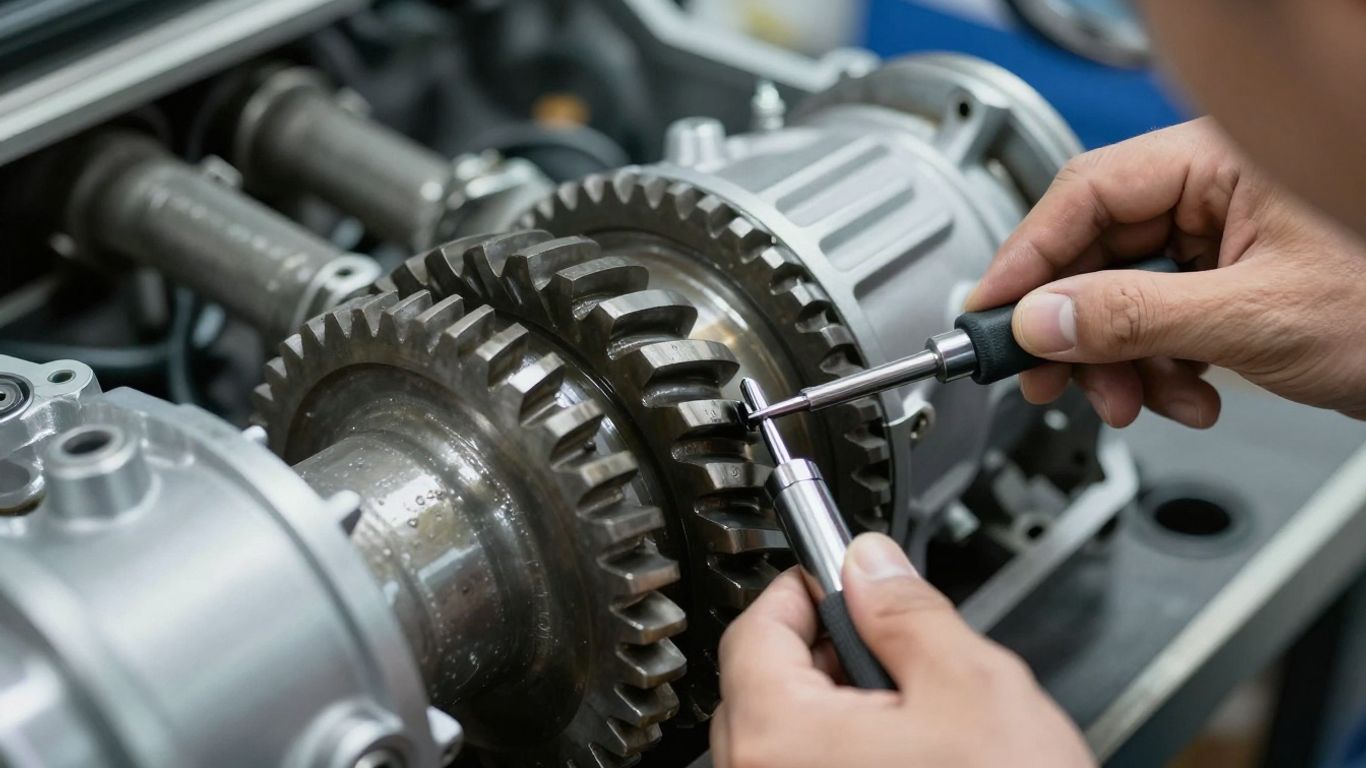
Visual inspection remains the most effective form of insurance against purchasing components that have already reached their breaking point. Even if an item looks acceptable from a distance, microscopic cracks or subtle signs of fluid degradation signal upcoming failure. Spending an extra ten minutes examining a part often determines whether a project succeeds or requires an immediate do-over.
Assessing wear and damage on mechanical components
Mechanical assemblies like water pumps or steering racks should be checked for excess play or unusual resistance before they are removed from the donor. If the unit shows signs of heavy fluid leaking or burnt smells, it is likely that the internals are already compromised by heat cycles. Mechanical inspection protocols often involve checking shaft endplay and observing if any internal friction caused significant metal shavings inside the housing.
Checking for hidden body damage or corrosion
Exterior components like fenders or bumpers are susceptible to unseen structural trauma if the donor vehicle was involved in a serious collision. Always look for ripples in the steel or stress marks in the plastic that indicate the item was previously bent and straightened. Hidden corrosion around mounting points also poses a significant risk, as these areas often fail during the removal process or during a future vibration phase.
Reviewing return policies and limited warranties
Most reputable recyclers offer some form of grace period that allows for a exchange if the part fails shortly after installation. It is always wise to clarify whether this warranty covers the labor costs of swapping a bad part or just the cost of the item itself. Written agreements ensure that both the salvage yard and the buyer share an understanding of what constitutes a valid return.
Selling your damaged Chrysler 300 to a wrecker
When a vehicle reaches a point where repairs are no longer feasible, the scrap value of its metal and components can offset a portion of the financial loss. Recyclers look at weight, as well as the availability of high-demand aesthetic or functional parts, to calculate an offer. Preparing the vehicle for sale requires basic organization to ensure the transaction remains legally sound for both parties.
Calculating the scrap value of high-end vehicles
Scrap pricing is generally tied to current market commodities for steel, aluminum, and copper. Because full-size vehicles contain larger quantities of these materials, they often command a higher base price than smaller compact cars. The presence of specialized high-value electronics or premium mechanical components can also increase the appraisal if the wrecker intends to strip the car for inventory rather than just baling it for metal.
Necessary documentation and legal transfer requirements
Selling a vehicle to a salvage yard usually requires a clear title transfer to prove legal ownership and prevent complications later in the disposal process. Most regions demand a signed title and proof of identification before a wrecker can officially haul away the remains. Completing this paperwork correctly protects the previous owner from any future liabilities related to the scrapped vehicle.
Managing towing and logistical arrangements
Coordinate with the salvage yard to determine if they provide vehicle pickup as part of their service or if you are responsible for delivering the frame. Most large salvage operators have dedicated flatbed trucks to manage the haul, which requires your vehicle to be in a location that is easily accessible by a tow operator. Scheduling this pickup involves ensuring the car is ready to go with the keys available and all private documents removed from glove boxes and center consoles.
Essential tools for removing parts from wrecking yards
Approaching a DIY salvage job requires bringing the right gear to ensure you can reach and remove the components without destroying them. Yards can be dirty and crowded, so mobility and efficiency are key to getting the parts you need before the day ends. Having a compact kit keeps your focus on the task rather than searching for the right tool.
Recommended hand tool sets for disassembly
Standard sockets, ratchets, and wrenches are the workhorses of any salvage trip, but specialized tools like breaker bars are vital when dealing with seized bolts. Because you may be working at awkward angles, adding a variety of extensions and swivel sockets to your kit is highly recommended. These small additions prevent user frustration when reaching parts buried deep inside an engine bay.
Safety equipment requirements for self-service yards
Self-service yards present unique hazards, such as sharp metal shards, heavy swaying vehicles, and dusty environments. Heavy-duty gloves, protective eyewear, and sturdy boots are non-negotiable for anyone stepping onto the yard floor. Keeping a small first-aid kit nearby is also standard practice for responsible enthusiasts who value both their safety and their ability to finish the job.
Transporting heavy vehicle components safely
Getting a heavy assembly like a transmission or a complete dashboard out of the yard and into a car requires careful planning and packing materials. Using old blankets, wooden pallets, and proper straps prevents your parts from shifting during the transit home. Planning how to secure the load beforehand prevents both the components and your own vehicle from sustaining damage after a successful day of salvaging.
Conclusion
Navigating the world of salvage is a straightforward way to keep your sedan in top form while being mindful of your finances. By focusing on smart sourcing, thorough inspections, and the safe removal of parts, you gain access to a reliable pool of components that keep your car on the road for many years. Always prioritize safety and verify compatibility to ensure that every repair project remains a solid long-term investment for your vehicle.