Key Takeaways
Choosing and caring for Interior & Exterior Parts is easier when fit, function, materials, and total cost are considered together.
- Confirm the vehicle’s year, make, model, trim, and part specifications before ordering.
- Separate safety-critical components from primarily cosmetic replacement parts.
- Compare OEM, aftermarket, used, and refurbished options by condition and compatibility.
- Use careful preparation and professional help when installation affects safety systems.
- Maintain seals, finishes, fasteners, and moving components before wear spreads.
Understanding interior & exterior parts
Interior and exterior parts work together to make a vehicle usable, comfortable, protected, and visually complete. Some components support driving safety directly, while others improve comfort or preserve the vehicle’s appearance. Understanding that distinction helps you choose a replacement with the right priorities. It also prevents a cosmetic decision from being treated as if it were a simple fit-and-finish job.
What counts as an interior part
Interior parts are the components found inside the passenger cabin, cargo area, and driver’s control space. They include seats, upholstery, carpets, floor mats, dashboards, consoles, door panels, handles, switches, vents, storage features, and interior lights. Even small pieces can matter because they affect comfort, access to controls, or the way occupants interact with the vehicle.
What counts as an exterior part
Exterior parts form the vehicle’s outside surfaces and help protect the cabin and mechanical systems from weather and road conditions. Bumpers, grilles, fenders, doors, hoods, mirrors, lights, windows, weatherstripping, trim, spoilers, and roof accessories all fall into this group. A damaged exterior component may be cosmetic, structural, aerodynamic, or safety-related, so its role should be assessed before replacement.
How functional and cosmetic components differ
A functional part performs a task that affects operation, visibility, protection, or occupant control. A cosmetic part mainly affects appearance, although the categories can overlap: a bumper cover can change the vehicle’s look while also fitting around safety equipment, and weatherstripping can look minor while keeping water and wind outside. Function comes first whenever a part influences visibility, restraint systems, lighting, doors, or driver controls.
Why fit, material, and compatibility matter
A replacement must suit more than the vehicle’s general shape. Its material, mounting points, finish, wiring, fasteners, and relationship to nearby components can all affect the result. A close-looking part can still rattle, interfere with a sensor, admit water, or fail to align with adjoining panels, which is why exact identification is worth the extra time.
Choosing the right replacement parts
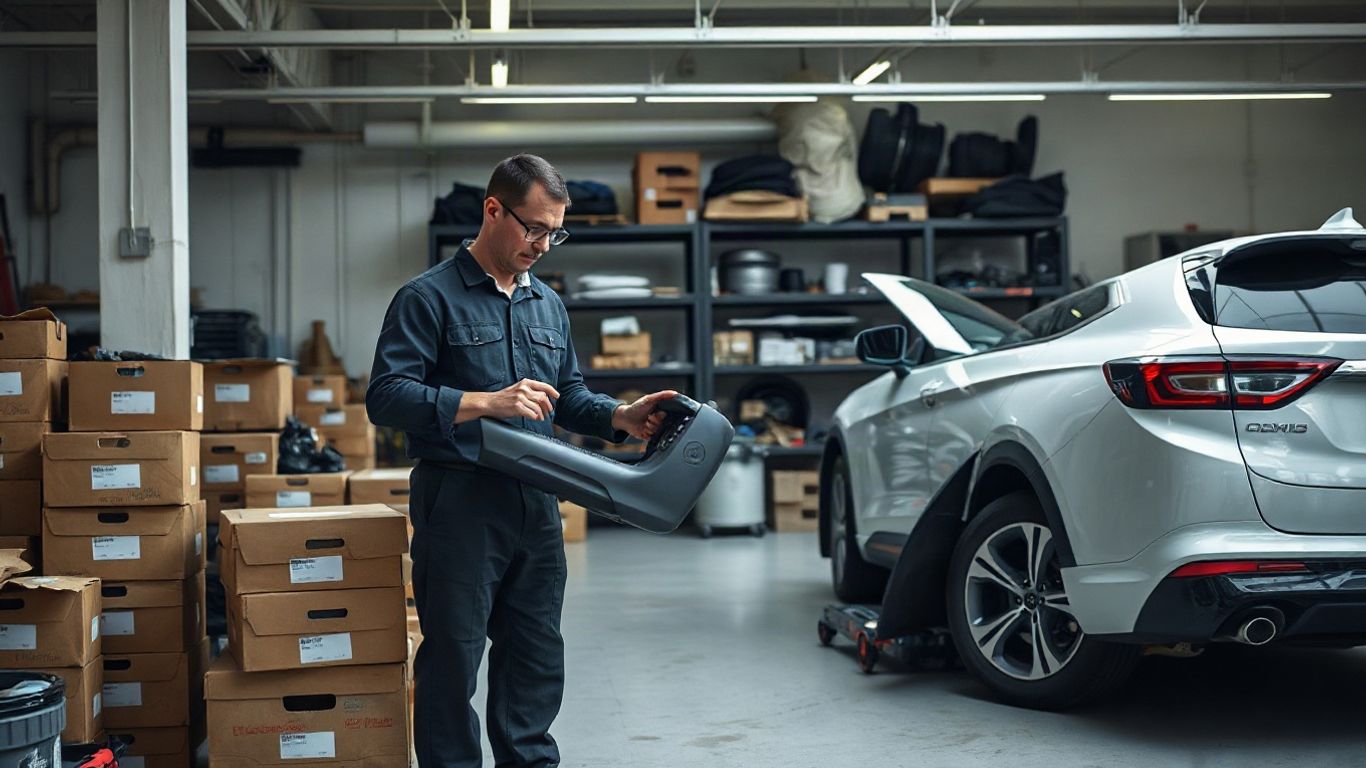
Selecting a replacement begins with accurate vehicle information rather than a photograph or a broad description. The same model name may cover several body styles, engines, trims, and production updates. A reputable Car Parts Supplier can help customers search across used, genuine, and aftermarket inventory, but the final match still depends on the vehicle details and the part specification. Take photos of the damaged component and its mounting area before removing anything.
Identifying your vehicle’s year, make, and model
Record the year, make, model, body style, trim level, engine, and transmission where relevant. The vehicle identification number can provide another useful reference, particularly when a part changed during a production run. Note whether the vehicle has features such as parking sensors, heated mirrors, power seats, or a particular audio and climate-control layout.
Using OEM, aftermarket, and refurbished components
OEM parts are made for the original vehicle specification, while aftermarket parts come from other manufacturers and may vary in finish, materials, or included hardware. Used and refurbished components can be sensible choices when condition is clear and compatibility is confirmed. The best car parts network can make it easier to compare these categories, but “new” alone does not guarantee the best fit for every repair.
Matching finishes, colors, and trim styles
Paint codes, upholstery shades, grain patterns, stitching, and trim textures can differ even within one model generation. For visible panels, ask whether the part is painted, primed, faded, scratched, or ready for refinishing. For interior pieces, compare the texture and color under natural light rather than relying only on a small online image.
Checking dimensions, mounting points, and specifications
Before purchasing, compare the part number, dimensions, mounting holes, clips, connectors, and any included brackets with the original component. Check left- and right-hand orientation as well as front and rear variants. A written confirmation of compatibility is especially useful for parts that connect to wiring, sensors, airbags, or other safety-related systems.
A simple comparison can keep the decision practical rather than price-driven:
| Part option | Best suited to | Main checks | Common consideration |
|---|---|---|---|
| OEM | Exact original specification | Part number and vehicle fit | Often higher purchase cost |
| Aftermarket | Budget or broader availability | Manufacturer quality and dimensions | Finish and hardware may vary |
| Used | Cost-conscious restoration | Condition, damage, and history | Wear may be visible or hidden |
| Refurbished | Reuse with renewed condition | Work performed and warranty | Quality depends on refurbishment standard |
The right option is the one that meets the repair’s functional demands and fits the vehicle without expensive adjustments. A slightly lower purchase price can disappear quickly if painting, extra hardware, shipping, or rework is required.
Essential interior parts and their functions
Interior parts shape how a vehicle feels and how easily its occupants use it. They also receive constant contact from passengers, luggage, footwear, heat, sunlight, and spilled liquids. Replacing one worn component can refresh the cabin, but the surrounding pieces should be checked so the new part does not highlight an underlying problem. Condition, comfort, and access to controls all deserve attention.
Seats, upholstery, and floor coverings
Seats and upholstery support occupants while contributing to the cabin’s appearance and comfort. Inspect cushions, frames, rails, covers, head restraints, seat belts, and electrical connections rather than judging a seat by its fabric alone. Floor coverings and mats should lie flat, stay clear of pedals, and resist moisture that can reach the vehicle floor.
Dashboards, consoles, and door panels
Dashboards and consoles contain displays, vents, storage spaces, switches, and other controls, while door panels conceal hardware and provide armrests and handles. Cracks, loose clips, broken mounting tabs, or missing trim can create rattles and expose wiring. Replacement requires care because adjacent panels often depend on hidden clips that can break if pried from the wrong point.
Handles, switches, and control components
Interior handles, window switches, mirror controls, seat controls, and gear-shift surrounds are small but frequently used. A replacement should match the connector, mounting method, handedness, and control function of the original. If a switch is intermittently working, inspect the wiring and fuse before assuming the visible button is the only fault.
Interior lighting, vents, and storage features
Cabin lights, vents, cup holders, pockets, glove boxes, and cargo organizers support everyday convenience. Vents should direct air correctly and move without excessive looseness, while storage parts should latch securely and avoid obstructing passengers. Replacing a broken light lens or vent bezel can be worthwhile when the surrounding housing remains sound.
Essential exterior parts and their functions
Exterior components face impacts, vibration, sunlight, rain, road grit, and temperature changes. Their condition affects more than appearance: lights support visibility, seals keep water out, and body panels can protect or guide airflow around the vehicle. Before ordering a visible replacement, determine whether brackets, supports, wiring, or adjacent panels were also damaged. That broader inspection often prevents a second repair later.
Bumpers, grilles, and body panels
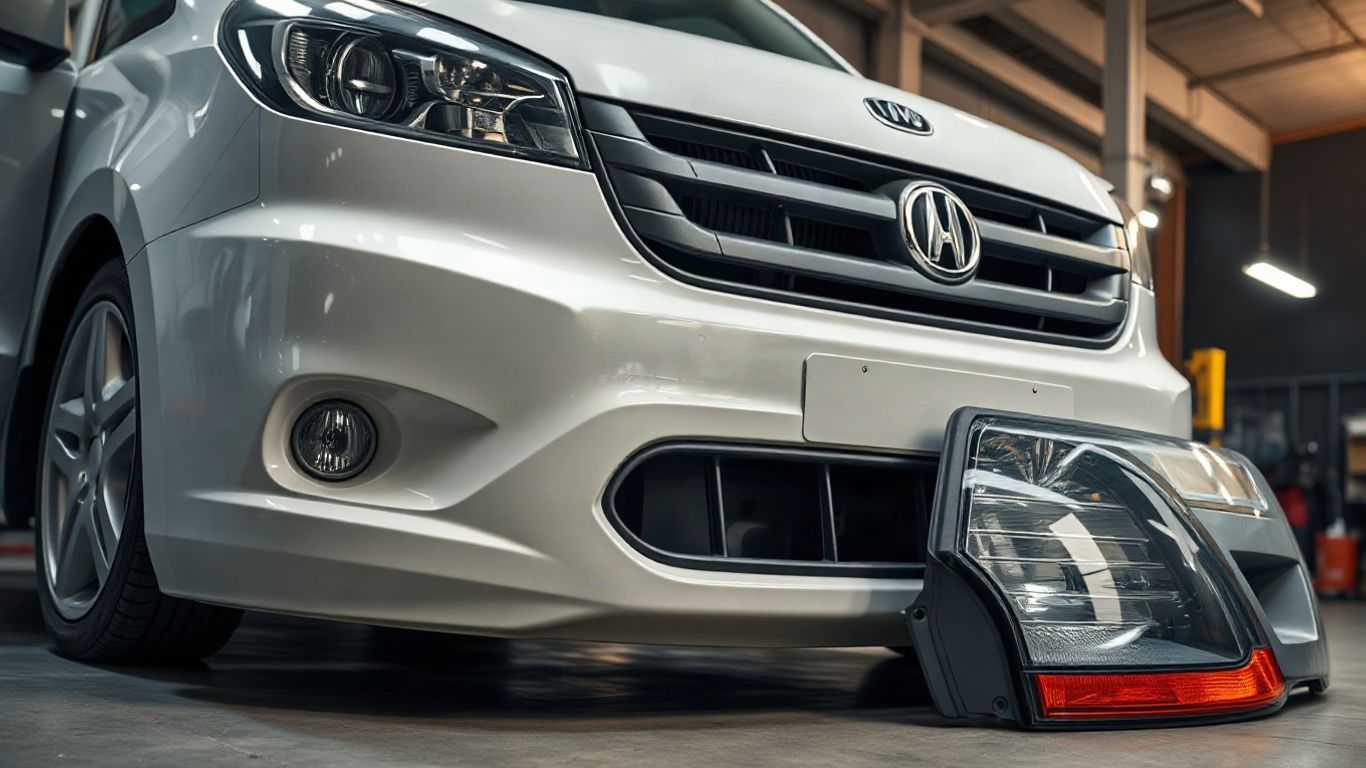
Bumpers, grilles, fenders, quarter panels, and other body panels create the vehicle’s outer shape and protect areas behind them. A replacement should align with neighboring panels and accept the correct clips, brackets, sensors, and lamps. A cracked cover may be replaceable on its own, but distorted supports or hidden impact damage require closer inspection.
Mirrors, lights, and visibility components
Mirrors, headlights, tail lights, indicators, and reflectors help the driver see and communicate with other road users. Check lens condition, adjustability, bulb or connector compatibility, and any heating or folding functions. Because visibility components affect safety and legal road use, uncertain wiring or alignment is a good reason to seek professional assistance.
Hoods, doors, windows, and weatherstripping
Hoods and doors must open, close, latch, and sit evenly, while windows need to move smoothly and seal against the surrounding frame. Weatherstripping limits wind noise, water entry, and dust, but it can become compressed or brittle with age. A replacement seal should follow the correct channel without stretching, twisting, or leaving gaps at corners.
Trim, spoilers, roof accessories, and protective parts
Exterior trim, spoilers, roof rails, mud flaps, guards, and protective accessories may be selected for appearance, utility, or resistance to road damage. Confirm that mounting hardware and load limits match the vehicle rather than assuming a universal accessory will fit. Poorly secured trim can loosen at speed and damage the panel beneath it.
A part that looks simple can still affect sealing, visibility, alignment, or safe operation.
That is why exterior replacement should be judged by its complete role, not only by whether its painted surface looks correct. Check the neighboring components and the fastening method before treating the job as cosmetic.
Installing and replacing automotive parts
Installation quality determines whether a good part performs as intended. Some jobs involve only clips or trim, while others require electrical testing, panel alignment, calibration, or work near airbags and restraint systems. Prepare the vehicle and the work area before disassembly, and keep removed hardware organized. When the task affects safety, professional installation is usually the prudent choice.
When to use professional installation
Use a qualified technician for work involving airbags, seat belts, steering controls, structural damage, advanced driver-assistance sensors, complex lighting systems, or uncertain electrical faults. Professional help is also sensible when a panel must be aligned across several gaps or when special tools are required. The supplier can help source the part, but installation responsibility still depends on the complexity of the job.
Tools and preparation for DIY replacement
For straightforward work, gather the correct sockets, screwdrivers, trim tools, gloves, lighting, protective covers, and containers for fasteners. Disconnect the battery when the procedure requires it, following the vehicle’s instructions for systems that may lose settings. Read the service information first and photograph connector positions before unplugging anything.
Avoiding damage during removal and installation
Work slowly around clips, painted edges, glass, wiring, and soft upholstery. Use trim tools rather than forcing a screwdriver into a visible gap, and replace damaged clips instead of reusing hardware that no longer holds firmly. Keep protective film or blankets over nearby surfaces so a loose tool does not create a second repair.
Verifying alignment, operation, and safety
After installation, check panel gaps, fastener security, door and hood latching, window travel, lighting, switches, seals, and warning indicators. Test one function at a time and listen for rubbing, clicking, or vibration. A final visual inspection from several angles can reveal an uneven gap that was hard to see while working close to the vehicle.
Maintaining interior & exterior parts
Maintenance is less about making a vehicle look perfect and more about slowing wear before it affects fit or function. Dust, moisture, ultraviolet light, road salt, and repeated movement gradually change plastics, fabrics, rubber, paint, and fasteners. A regular inspection gives small defects a chance to be addressed while replacement remains simple. It also helps preserve the value of both original and replacement components.
Cleaning and protecting interior materials
Vacuum fabric, carpets, and crevices before using cleaners, and choose products suited to leather, vinyl, plastic, or cloth. Avoid soaking electrical switches, screens, seams, and seat electronics. Clean floor coverings promptly after spills and use mats that stay securely positioned without interfering with pedals.
Preventing rust, fading, and weather damage
Wash road grime and salt from exterior surfaces, dry seams and drain areas, and repair paint chips before corrosion spreads. Park in shade or use suitable protection when possible, but do not apply products that leave slippery residue on steering wheels, pedals, or controls. Rubber seals benefit from gentle cleaning and inspection rather than harsh solvents.
Inspecting fasteners, seals, and moving components
Check trim clips, screws, hinges, latches, mirror mounts, seat rails, window channels, and weatherstripping during routine cleaning. Look for looseness, cracking, moisture marks, unusual noise, or movement that feels rough. Early attention to a missing fastener or failing seal can prevent vibration, water damage, and further panel wear.
Replacing worn parts before they cause larger problems
Replace damaged seals, loose trim, torn floor coverings, broken handles, and clouded lighting components before they affect adjoining parts. A small interior leak can stain carpet and promote corrosion, while a loose exterior panel can damage paint or detach. The best car parts network may offer several condition and price options, making early repair more manageable.
Managing cost, quality, and long-term value
The purchase price is only one part of a replacement decision. Installation, paint matching, shipping, hardware, diagnostic work, and future maintenance can change the final figure considerably. A low-cost component may be worthwhile for a hidden or easily replaced item, while a visible or safety-related part may justify a higher standard. Think in terms of the vehicle’s use and the repair’s expected life.
Comparing part prices and total installation costs
Ask for the complete cost, including delivery, fitting, painting, calibration, and disposal of the old component. Compare parts with similar condition and included hardware rather than comparing headline prices alone. An experienced Car Parts Supplier can help narrow the choices across Melbourne, Sydney, Brisbane, and nationwide delivery, but the quote should still describe what is and is not included.
Evaluating warranties and return policies
Read whether the warranty covers defects, labor, electrical failure, finish, or only the part itself. Confirm the return period, restocking conditions, freight responsibility, and requirements for reporting damage on delivery. Keep invoices, photographs, and compatibility confirmations until the part has been installed and tested.
Balancing appearance, durability, and performance
A visible panel may need a close color and texture match, while a hidden bracket may be judged mainly by strength and fit. Interior materials should withstand the vehicle’s occupants and climate, and exterior finishes should tolerate weather and cleaning. The cheapest acceptable part is not always the most economical choice if it needs early replacement or extra correction work.
Knowing when restoration or replacement is the better choice
Restoration can make sense when the original part is structurally sound and the damage is limited to surface wear, faded finish, or minor upholstery damage. Replacement is usually more practical when mounting points are broken, corrosion is extensive, material has become brittle, or a safety function is compromised. Consider availability, labor time, appearance, and expected durability before choosing either path.
Conclusion
Interior & Exterior Parts deserve more than a quick visual match. By identifying the vehicle accurately, comparing condition and compatibility, installing carefully, and maintaining seals, finishes, and moving components, you can make repairs that look right and continue to work properly. A thoughtful choice balances safety, fit, appearance, and total value rather than focusing on price alone.