Key Takeaways
A rushed Chrysler repair becomes easier when you identify the exact vehicle and part before calling suppliers. Keep the VIN, part number, photos, and installation plan together so every decision is based on fitment rather than guesswork.
- Record the Chrysler’s model, year, engine, VIN, and original part number.
- Compare genuine, aftermarket, and used options by quality, warranty, and availability.
- Search Sydney suppliers that can confirm stock, delivery, pickup, or after-hours support.
- Verify electrical, sensor, software, and left-or-right fitment before purchasing.
- Compare the complete repair cost, including labor, diagnostics, shipping, and towing.
Identify the Chrysler part you need in an emergency
The fastest way to find emergency Chrysler parts Sydney is to begin with accurate vehicle information. A supplier can often narrow the search quickly, but only if the request includes more than “I need a replacement sensor” or “a part for my Chrysler.” Write down what happened, where the vehicle stopped, and whether any warning lights appeared. Those details help separate a failed component from a related issue elsewhere in the system.
Record the vehicle’s model, year, and engine
Start with the badge, build year, body style, and engine size or engine code if it is available. Two vehicles that look similar may use different braking, cooling, electrical, or drivetrain components, especially across model updates. Also record the transmission type and whether the vehicle is front-wheel drive or all-wheel drive when those details are known.
A clear description saves time on the first phone call. If you are unsure about the engine, photograph the registration details and ask the supplier to confirm the information against the VIN rather than making an assumption.
Check the VIN and original part number
The VIN is usually the strongest starting point for matching a vehicle-specific component. Look for the original part number on the damaged item, its packaging, a previous invoice, or a workshop record. Numbers can be hard to read after heat, corrosion, or impact, so take several close photographs under good light.
Give the supplier both the VIN and the old number where possible. Use both identifiers together because either one alone may leave room for an incorrect variant or an older number that has since been replaced.
Match symptoms to likely replacement parts
Symptoms can point toward a part category, but they should not be treated as a diagnosis. A no-start condition might involve a battery, starter, relay, wiring, fuel delivery, or an immobiliser-related issue. A cooling warning could involve a hose, thermostat, fan, sensor, or a broader cooling-system fault.
Describe the sequence clearly: what happened first, what changed after the vehicle stopped, and what the dashboard displayed. This gives a mechanic or parts specialist useful context without locking you into buying the first component that seems plausible.
Photograph the damaged component and connectors
Photographs are particularly useful when a part has several similar versions. Take wide images showing where it sits, close images of mounting points, and clear images of plugs, clips, hoses, and cable routing. Include a ruler or familiar object for scale if the component has been removed.
Do not discard broken brackets or connectors before speaking with the supplier. Small differences in plug shape, bolt spacing, and hose orientation can determine whether a replacement is genuinely suitable.
Choose between genuine, aftermarket, and used Chrysler parts
An emergency does not automatically mean buying the most expensive option. The right choice depends on the part’s safety role, the vehicle’s age, availability, and the supplier’s ability to verify condition. A new genuine part may be sensible for a critical electronic or safety component, while a tested used panel or trim piece may be practical for an older vehicle.
When genuine OEM parts are the safest choice
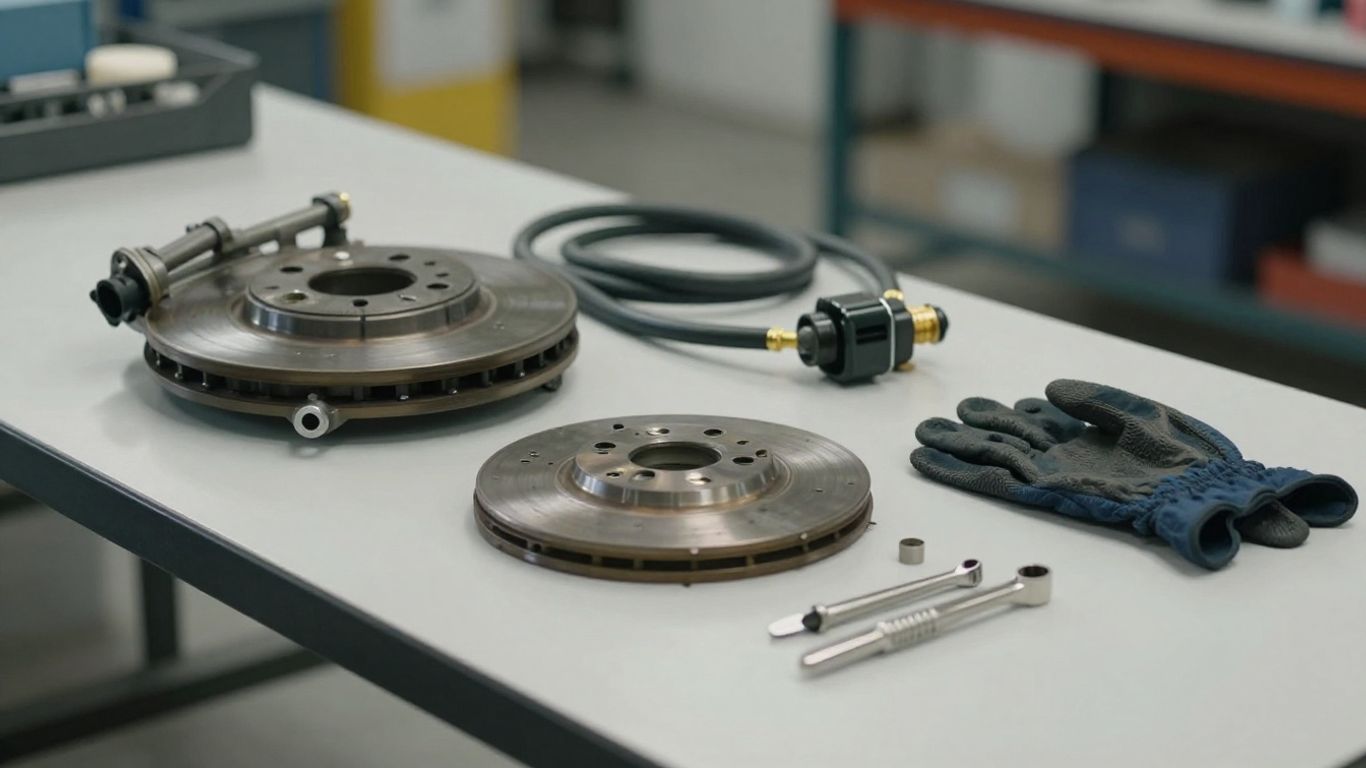
Genuine OEM parts are often the simplest route when exact fit, factory specification, or system integration matters. Braking, steering, restraint, engine-management, and electronic control components deserve particular care because an incorrect substitute can create further faults or safety concerns.
Ask whether the part is new, whether it is supplied in original packaging, and whether the number is current. A reputable supplier should be able to explain any change in numbering rather than merely promising that a similar-looking item will fit.
Where quality aftermarket parts can reduce costs
Aftermarket parts can reduce the purchase price when they come from a known manufacturer and are matched to the exact application. They may be reasonable for items such as filters, hoses, belts, lamps, or selected service components, although quality and warranty terms vary considerably.
Ask what testing has been completed, which vehicle details were used for the match, and how returns are handled if the part proves unsuitable. The cheapest listing is rarely the cheapest repair if it causes another delay or requires a second installation.
How used parts can help with discontinued models
Used components can be valuable for older or discontinued Chrysler models, particularly when a new replacement is unavailable or disproportionately expensive. Body panels, interior pieces, brackets, wheels, and some mechanical assemblies may be available through dismantlers with access to compatible donor vehicles.
Just Chrysler describes its stock as including genuine and aftermarket parts, while its associated wrecking operation removes usable components from vehicles and inspects and tests them before adding them to inventory. Ask about mileage, visible wear, testing, and storage condition before agreeing to a used item.
Compare warranties, testing, and return policies
Price comparisons are more useful when they include the protection that comes with the part. Before paying, ask whether the warranty covers the part only or also labor, how long the return window lasts, and whether electrical components can be returned after installation. Confirm who pays return freight if the item is faulty or incorrectly supplied.
A simple comparison can keep an urgent purchase from becoming an expensive gamble. Record the supplier’s name, quoted condition, part number, warranty period, and expected arrival time in the same note as the vehicle details.
Find emergency Chrysler parts suppliers in Sydney
Sydney’s size means that availability can differ sharply between suburbs, warehouses, dealerships, workshops, and dismantlers. Search with the exact vehicle and component rather than using a broad phrase alone. When time matters, a supplier that can confirm stock and collection may be more useful than one offering a slightly lower advertised price.
Search local specialists with in-stock inventory
Call local Chrysler-focused suppliers first and ask whether the part is physically in stock, held at another location, or available only by order. Give the VIN, part number, model, and the time by which the vehicle needs to move. That makes it easier for the supplier to check practical options instead of sending a generic catalogue link.
Just Chrysler says it supplies genuine and aftermarket Chrysler parts Australia-wide and can provide pricing, shipping options, and delivery timing after receiving the vehicle and part details. For a Sydney emergency, confirm the actual dispatch point and whether the quoted timing includes weekends or public holidays.
Contact dealerships for model-specific components
A dealership may be the most direct place to ask about model-specific or electronically integrated components. Parts staff can check the VIN, identify a current catalogue number, and explain whether the original number has been superseded. Availability can still vary, so ask about the next delivery and whether local collection is possible.
Take the vehicle details with you or provide them over the phone before discussing price. This reduces the risk of comparing a correct dealer part with an aftermarket item that is not actually equivalent.
Check independent mechanics and auto dismantlers
Independent mechanics may know which local suppliers carry common Chrysler service parts and may be able to inspect the vehicle before a purchase. Auto dismantlers can be useful for older vehicles, body components, interior trim, and other parts where a tested used item is acceptable.
Describe the urgency honestly, but do not let urgency replace inspection. Ask whether the dismantler has checked the component, what vehicle it came from, and whether the mounting points and connectors match your vehicle.
Confirm delivery, pickup, and after-hours availability
A part marked “available” may be at a warehouse several hours away or ready only on the next business day. Confirm the cutoff time, courier method, collection address, identification required for pickup, and whether someone can release the item after hours. If the vehicle is immobilised, also ask whether the supplier can coordinate with your mechanic or tow operator.
Write down the name of the person who confirmed the arrangement and the exact part number. A short written confirmation can prevent confusion when several people are handling the repair.
Verify compatibility before buying a replacement part
Part compatibility is more than appearance. Chrysler components can vary by model year, engine, trim, production date, drivetrain, market, and electronic configuration. Before committing to emergency Chrysler parts Sydney, ask the supplier to confirm the fitment in writing using the VIN or the original part number.
Match the part to the exact Chrysler model
Check the full model name, year, engine, transmission, body style, and production period. A listing that says it fits a broad range of Chrysler vehicles may still exclude a particular engine or trim. Read the application notes carefully and ask direct questions when the listing is vague.
If the replacement is supplied as a kit, confirm every included piece. A part may look correct but still require a separate bracket, gasket, connector, programming step, or mounting hardware.
Check electrical, sensor, and software compatibility
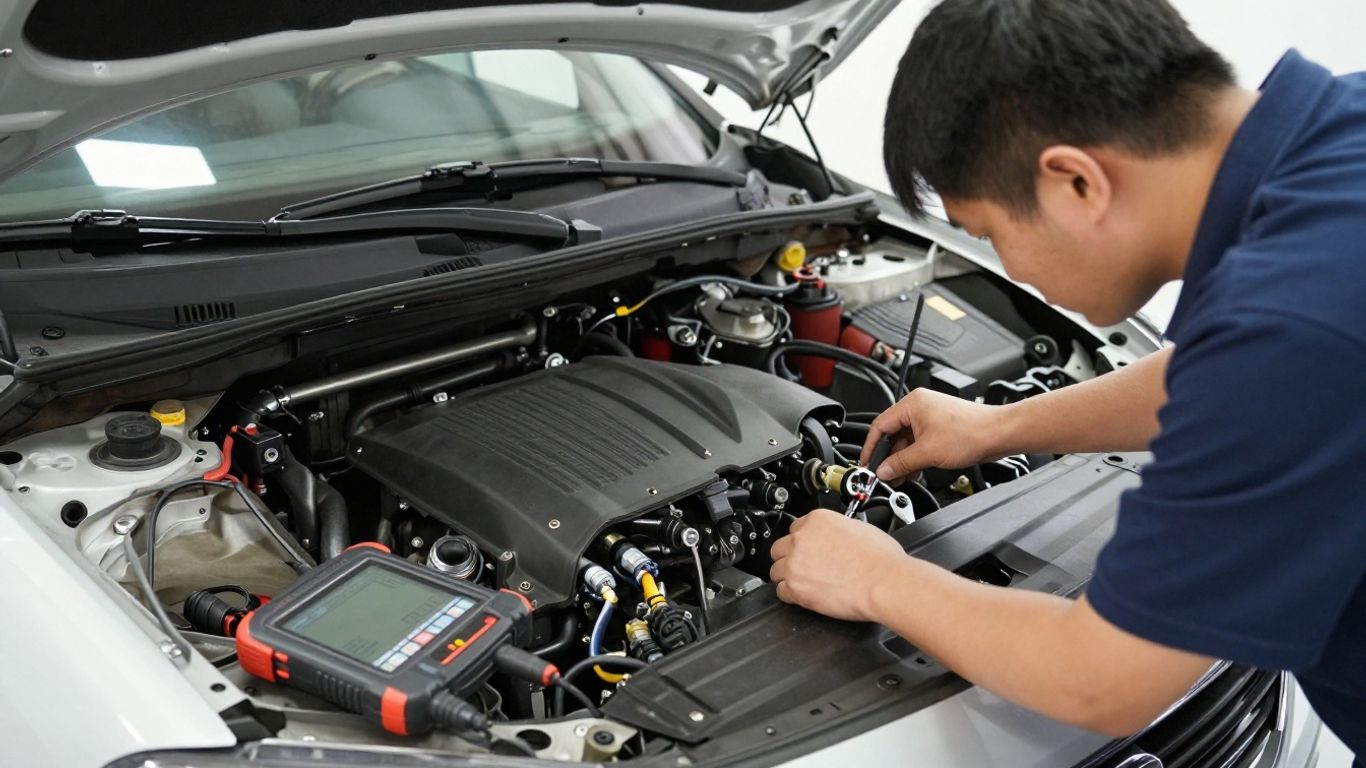
Electrical parts need extra caution because the plug can look similar while the wiring, output, or calibration differs. Ask whether the component requires coding, programming, relearning, or a fault-code reset after installation. Also check whether the quoted price includes any required module or only the visible sensor or actuator.
A connector that fits physically does not necessarily prove that the component is electronically compatible.
Use the supplier’s answer to plan the repair, not merely the purchase. If programming or diagnostic equipment is required, arrange that capability before the part arrives so the vehicle does not remain off the road unnecessarily.
Confirm left-hand and right-hand fitment
Many parts are side-specific, including mirrors, lamps, suspension pieces, steering components, body panels, and some interior fittings. Confirm whether the part is for the driver or passenger side in the vehicle’s market, and ask the supplier to describe the orientation rather than relying only on a photograph.
For body parts, compare mounting holes, clips, finish, and included trim. For mechanical parts, confirm that the side designation follows the same convention used by the workshop installing it.
Ask about superseded and updated part numbers
Manufacturers may replace an original number with a later number that is intended to serve the same application. That does not mean every newer-looking number is interchangeable, so ask the supplier to explain the relationship between the old and new references.
Keep the written confirmation with your invoice. If the part arrives in different packaging or carries a different number, the record gives the mechanic a clear basis for checking it before installation.
Arrange urgent installation and roadside support
Finding the part is only half the repair. The vehicle must also be assessed, transported, and installed safely. A quick decision about whether it can move under its own power may prevent a small fault from becoming engine, transmission, tire, or body damage.
Decide whether the vehicle is safe to drive
Do not drive if there is a brake, steering, fuel, serious overheating, wheel, suspension, or major electrical fault. Smoke, leaking fuel, a rapidly rising temperature gauge, severe vibration, or a warning light accompanied by unusual noise should be treated as reasons to stop and seek assistance.
If the vehicle is in an unsafe location, move away from traffic only when it can be done safely. Tell roadside assistance exactly where the vehicle is and what symptoms appeared so the operator can send suitable equipment.
Use a mobile mechanic for minor replacements
A mobile mechanic may be suitable for a straightforward battery, belt, hose, lamp, or other minor replacement when the vehicle is safely parked and the fault has been confirmed. Ask what diagnostic tools and replacement equipment the mechanic carries before booking.
The part still needs to be verified before installation. A mobile visit is not a substitute for fitment checking, particularly when the component is electrical or requires programming.
Tow the vehicle for complex repairs
Use a tow truck when the vehicle cannot be driven safely, when the repair requires workshop equipment, or when access beneath the vehicle is necessary. Confirm the towing method for the vehicle’s drivetrain and tell the operator if the wheels are locked or the vehicle cannot start.
Before the tow, remove valuables, photograph the vehicle’s condition, and give the workshop the supplier’s part details. This helps the repairer prepare for the vehicle rather than beginning the process from scratch.
Coordinate parts delivery with workshop availability
Ask the workshop when it can receive and fit the part, then schedule delivery around that window. If a supplier sends the component directly to the workshop, include the customer name, vehicle registration, job reference, and contact number so it can be identified quickly.
Confirm that the mechanic will inspect the part before opening or installing it. That small step can catch an incorrect variant while a return or exchange is still straightforward.
Control the cost of emergency Chrysler repairs
Urgency can make any quote feel unavoidable, but a few careful questions often expose costs that were not included in the first figure. Compare the repair as a complete job rather than choosing a part from the lowest headline price. The goal is a correct, documented repair with a sensible path if something goes wrong.
Compare total prices rather than part prices alone
Request an itemised quote showing the part condition, part number, freight, labor, diagnostics, taxes, and any programming or consumables. A used part with a lower purchase price may cost more overall if it requires additional testing or a second visit. Conversely, a genuine component may be better value when it arrives quickly and carries clearer warranty support.
Just Chrysler says its specialists can provide pricing, shipping options, and delivery time after receiving the model, year, and requested part. Ask for those details in writing and compare like with like before authorising the order.
Include shipping, labor, diagnostics, and towing
A realistic budget includes every service needed to get the vehicle back on the road. Add the initial diagnostic assessment, towing or roadside attendance, delivery, workshop labor, programming, and disposal of the failed component where relevant.
This is also the point to ask whether the workshop charges a second diagnostic fee if the supplied part does not resolve the fault. A clear answer helps distinguish a genuine repair estimate from a partial parts quote.
Watch for counterfeit or low-quality components
Unusually low prices deserve closer inspection, especially for safety-critical or electronically integrated parts. Check packaging, labeling, part numbers, supplier history, and the warranty offered. Avoid paying for a component that cannot be traced to a known source or matched to the vehicle.
A supplier should be comfortable explaining whether the item is genuine, aftermarket, or used. If the description avoids that basic distinction, pause before sending payment.
Keep invoices and warranty documentation
Save the invoice, receipt, written fitment confirmation, tracking details, warranty terms, and any installation report. Photograph the part and packaging when it arrives, particularly if the box is damaged or the number differs from the quote.
These records help with returns, warranty claims, future servicing, and resale history. They also give the next mechanic a reliable account of what was fitted and when.
Conclusion
A fast Chrysler repair in Sydney starts with precise information, not a rushed purchase. Confirm the vehicle and part number, compare genuine, aftermarket, and used options, verify compatibility, and coordinate the supplier with a safe installation plan. That approach takes a little discipline during a stressful breakdown, but it greatly improves the chance of getting the right component and returning to the road without paying twice.