Key Takeaways
Finding the right part starts with accurate vehicle details and a clear understanding of what you need. A little checking before checkout can prevent costly fitment and delivery surprises.
- Identify the problem and note your BMW’s model, year, and variant.
- Compare genuine, OEM, and aftermarket options by source, quality, and coverage.
- Use your VIN and part numbers to confirm compatibility where possible.
- Check the full delivered cost and estimated shipping time to Perth.
- Read return and warranty terms, and keep your order records.
Understand your BMW’s parts needs
A successful search for BMW parts online Perth begins with a clear description of the job, not just a guess at which component has failed. The same model name can cover different engines, trims, and production changes, so basic vehicle details matter. Take a moment to gather what you know before browsing; it can make the search more focused and help you ask better questions.
Identify the issue before searching
Start with the symptom: when it happens, where it seems to come from, and whether anything has changed recently. A warning light or unusual noise can point toward several possible causes, so avoid ordering a part based on a hunch alone. If a mechanic has inspected the car, ask for the diagnosis and the part name or number in writing. That gives you a more useful starting point than searching by symptom alone.
Check your model, year, and variant
Record the model designation, build year, engine, body style, and trim if you can. Registration details may help identify the car, but production dates and market variants can matter too, particularly when a model changed during a generation. Save a photo of the vehicle identification plate or relevant paperwork for reference. The more precisely you can describe the car, the easier it is to compare listings without mixing up similar versions.
Decide whether you need a part or an accessory
A replacement part restores or repairs a component; an accessory is usually an optional addition or practical extra. The distinction is not always obvious in an online category, especially for items that attach to or interact with existing equipment. Think about whether you are fixing a fault, replacing a worn item, or adding something new. That decision helps narrow the search and makes it easier to check what else may be needed for installation.
Choose a reliable online parts supplier
An online listing should give you enough information to judge what is being sold and how to follow up if something is unclear. Look for a supplier that explains its business, provides a way to contact its team, and gives useful details about the part. A supplier with access to used, genuine, and aftermarket options may offer different routes to finding a suitable component, but you still need to assess each listing on its own merits.

Look for clear business and contact details
Before you order, check that the website identifies the business and provides practical contact details, such as an email address or phone number. Read the delivery, returns, and warranty information rather than relying on a general promise of service. If the seller operates across Australia, confirm how it handles orders sent to Perth and where questions should go. Straightforward contact details give you a useful path to resolve uncertainty before paying.
Check product descriptions and photos
A good listing describes the item clearly, including its condition, identifying numbers where available, and any limitations the seller knows about. Photos should show the actual item or clearly indicate when they are illustrative; look closely for visible damage, wear, or missing pieces. For used parts, ask about condition details that are not apparent in the images. Specific listing details make it easier to compare options and reduce the chance of assumptions becoming surprises.
Compare support options for fitment questions
Some listings will not answer every compatibility question, so check whether you can contact the seller before ordering. When you do, provide the VIN, model, year, and any part number you have, then ask directly whether the item is confirmed for that vehicle. A clear answer is more useful than a broad assurance that a part suits many BMWs. Keep the reply with your order information in case you need to refer to it later.
Compare genuine, OEM, and aftermarket parts
The label attached to a part tells you something about its source, but it does not answer every question about condition, fit, or value. Compare the description, part number, warranty terms, and price together rather than choosing by label alone. The right balance depends on the job, your budget, and how much confidence you have in the listing.
Understand what genuine BMW parts offer
Genuine parts are sold as BMW-branded components intended for the vehicle, but you should still verify that the specific item matches your car. Check whether the listing is for a new part, a used one, or another condition, since the word “genuine” alone does not explain that. Ask for a part number or identifying details when they are not shown. This helps you compare like with like instead of treating the label as a substitute for fitment checks.
Learn how OEM and aftermarket options differ
OEM commonly refers to parts associated with an original equipment manufacturer, while aftermarket parts are made by other suppliers for replacement use. The precise meaning can vary between sellers, so read how the listing uses each term and look for the maker, specification, and warranty details. This simple comparison can help make the differences easier to weigh:
| Option | What to check | Useful question |
|---|---|---|
| Genuine | BMW branding, condition, and part number | Is this the correct item for my vehicle? |
| OEM | Manufacturer and what the seller means by OEM | Who made it, and what documentation is available? |
| Aftermarket | Brand, specification, and warranty terms | What coverage and fitment information are provided? |
Use the answers to compare the actual products on offer, not just the category names. If the source or specification is unclear, ask before ordering or consider another clearly documented listing.
Weigh price against quality and warranty coverage
A lower price can be appealing, but compare it with the condition, included components, and warranty coverage before deciding. A used part and a new replacement are not directly comparable unless you account for wear and what happens if the part proves unsuitable or faulty. Read the terms carefully and check whether installation or use affects coverage. The goal is a fair comparison, not simply the lowest figure on the screen.
Confirm fitment before ordering
A part can look right and still be incompatible with a particular BMW variant. Confirming fitment deserves its own pause before checkout, especially when listings use broad model ranges or photos that do not show every identifying detail. Use the vehicle information and part identifiers you have, then ask for confirmation where anything remains uncertain.
Use your VIN to narrow down compatible parts
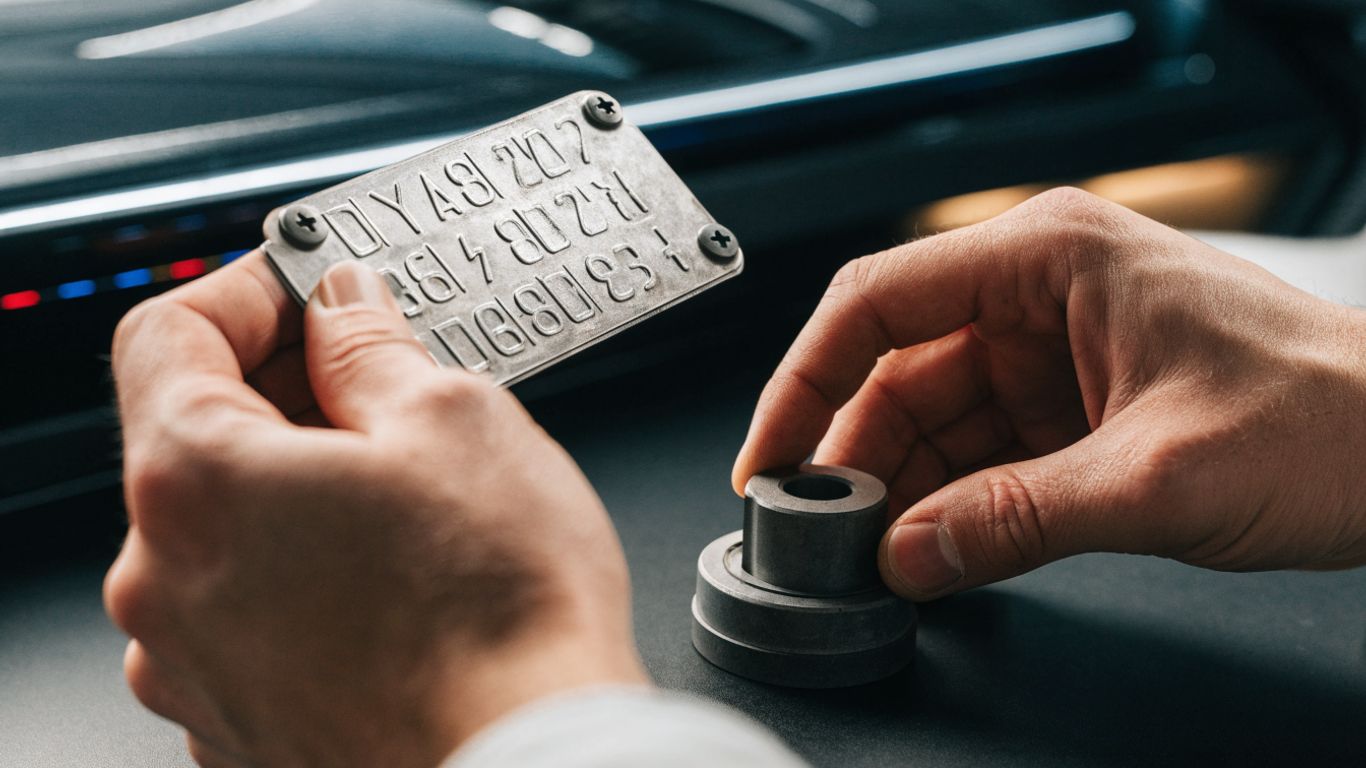
The VIN can help a supplier or parts catalog identify the vehicle more precisely than a model name alone. Share it through an appropriate channel and ask whether the specific listing has been checked against that vehicle. A VIN narrows the search, but it should not be treated as a guarantee unless the seller confirms the match for the exact item. Keep a note of who confirmed it and what information they used.
Match part numbers where available
Compare the number printed on the old component, packaging, or a reliable parts record with the number in the listing. Some parts have superseded numbers or variations, so a difference is a reason to verify rather than assume the item is wrong or right. Ask the seller to confirm whether the listed number replaces or corresponds to the one you have. This extra check is especially helpful when several components look nearly identical.
Verify fitment for modified or older BMWs
Older vehicles may have incomplete records, while modifications can mean the car no longer matches its original configuration. Check whether previous repairs changed related components, and take clear photos of the existing part and its connections if useful. When online details leave room for doubt, pause and ask before placing the order.
A careful fitment check is usually easier before checkout than a return after delivery.
For a modified or unusually configured car, share the relevant details instead of relying only on the factory model description. That gives the seller a better chance to assess the exact part you are considering.
Review pricing, shipping, and payment
The displayed part price is only one part of the purchase decision. Add delivery and any other clearly listed charges, then compare the complete cost with the item’s condition and coverage. If you are ordering to Perth, check the delivery estimate and payment details before you commit so there is less to sort out afterward.
Compare the total cost, including delivery
Check whether the price includes all listed components and whether delivery is calculated separately. Compare equivalent items with similar condition and warranty terms, rather than putting a bare part price beside a delivered price. If a charge is unclear, ask for the total before placing the order. A straightforward comparison helps you avoid being swayed by a low headline figure.
Check shipping times to Perth
Delivery estimates can vary by stock location, carrier, and service, so look for the timeframe shown for your address rather than relying on a general estimate. If the part is needed for a repair, ask whether it is available to ship and when dispatch is expected. Standard and express options may differ in both cost and timing; confirm the details at checkout. Leave room for possible delays if you are coordinating the order with workshop time.
Use secure payment methods and review checkout details
Use a payment method presented through the supplier’s checkout and review the order summary before submitting it. Confirm the part description, quantity, delivery address, shipping option, and total amount. Make sure the contact details are correct so you can receive confirmation or delivery updates. Save the receipt and order number once payment is complete.
Check returns and protect your purchase
Policies matter most when a part does not fit, arrives in a different condition than expected, or develops a problem. Read the supplier’s terms before ordering and keep a copy of the listing as it appeared when you purchased. Knowing the process in advance makes it easier to act promptly if something needs attention.
Read the return policy before buying
Check the time allowed for returns, the condition the part must be in, and whether you need approval before sending it back. Look for any stated exclusions, return-shipping responsibilities, or handling fees. If you are uncertain whether an item qualifies, ask before purchase and save the answer. Do not assume a part can be returned simply because it has not been installed.
Confirm what the warranty covers
Warranty terms can differ by product and condition, so read the coverage for the exact listing. Check how long it lasts, what kinds of faults are covered, and what steps are required to make a claim. Ask whether installation or evidence of the fault is needed if the policy does not make that clear. A warranty is useful only when you understand its limits and process.
Keep order records and inspect parts on arrival
Save the listing, payment confirmation, delivery details, and any fitment conversation in one place. When the parcel arrives, check the part number, condition, and included pieces before installation, and take photos if something appears damaged or different from the description. Contact the seller promptly if there is a problem, using the order number and clear supporting details. Good records make the next step simpler.
Conclusion
Buying BMW parts online for delivery to Perth is less about finding the first promising listing and more about checking the details in the right order. Identify the need, confirm the vehicle and part, compare the full cost, and understand the return and warranty terms before you pay. Those small checks can make an online purchase feel much more considered.