
Key Takeaways
Transitioning to a new steering wheel can significantly refresh your vehicle’s interior feel and functionality. Understanding the nuances of procurement and assembly is critical for a safe, successful project.
- Evaluate used steering wheel leather and switch integrity before committing to a purchase.
- Leverage salvage yards and specialized Mopar dismantlers for the best inventory variety.
- Verify part number compatibility to ensure your new wheel matches your vehicle’s trim level.
- Always disconnect the negative battery cable to prevent accidental airbag deployment during removal.
- Use a calibrated torque wrench to ensure every fastener meets manufacturer specifications for safety.
Evaluating the condition of used Chrysler steering wheels
Assessing the state of a pre-owned steering wheel prevents the frustration of installing a component that lacks aesthetic charm or electrical reliability. Taking a careful look at the hardware provides a clear picture of its remaining service life, ensuring you avoid components that have been subjected to excessive environmental degradation or poor handling. By following a rigorous inspection methodology, you ensure the condition of the steering components matches your quality standards.
Inspecting leather wear and stitching integrity
Examine the leather surfaces for signs of cracking, peeling, or heavy discoloration caused by long-term sun exposure. Feel the seams to ensure the stitching remains intact and has not frayed, as loose threads can indicate previous attempts at repair or heavy usage that compromises the structural aesthetic.
Checking for structural damage on the metal frame
Look behind the wheel to identify any bends or deep gouges in the metal armature, especially near mounting points. A warped core may cause vibration or misalignment, potentially leading to premature wear on internal steering column bearings.
Verifying switch functionality and wiring harness condition
Inspect the back of the switch modules to ensure the plastic housings reside firmly in place without cracks. Check the connector pins for signs of corrosion or melting, as these pathways carry critical signals for audio and cruise control systems consistently.
Testing the clock spring alignment and internal mechanism
Ensure that the central clock spring carrier does not rotate freely without resistance, which often signals an internal break or damaged tensioner. Smooth, consistent movement is a primary indicator that the internal rotary sensor will function correctly upon final assembly.
Where to source authentic Chrysler steering components

Finding high-quality steering wheels requires exploring diverse inventory channels to match your specific interior configuration. Whether you are seeking a rare trim option or a standard replacement, balancing cost and part condition is vital. Reliable sourcing reduces the risk of receiving damaged components that are unfit for service.
Scouring local auto salvage yards for pull-off parts
Visiting nearby reclamation centers offers the advantage of immediate inspection, allowing you to touch the materials before purchase. These facilities often provide a budget-friendly way to secure factory components that have been recently harvested from donor vehicles.
Utilizing online automotive marketplaces and auction sites
Digital platforms provide a wider geographic reach, which is particularly helpful if your local search yields limited results. Carefully review high-resolution images and listing descriptions to identify potential flaws that might not be obvious to the casual observer.
Identifying reputable Mopar parts dismantlers
Dedicated specialists usually maintain a cleaner, more organized inventory than general salvage operations. These vendors often perform a basic verification of functionality before listing the items, which provides a layer of security when sourcing complex electrical components.
Confirming OEM part numbers before finalizing a purchase
Cross-referencing the engraved part number on your existing wheel with the donor assembly is the most effective way to guarantee a match. Even visual similarities can mask significant differences in pinout configurations or airbag mounting brackets that prevent a successful installation.
Compatibility and interchangeability across Chrysler models
Interchangeability is rarely universal, even among vehicles sharing the same brand badge, due to iterative engineering updates during production cycles. Understanding these technical variations helps prevent the purchase of non-compatible hardware. Careful documentation of your vehicle’s specific production requirements is the best path to success.
Cross-referencing production year ranges and trim levels
Electrical architecture often shifts during model year refreshes, which can render wheels from seemingly identical vehicles incompatible. Verify if the donor vehicle belongs to the same generation and feature iteration as your own to avoid connectivity issues.
Understanding differences in integrated steering wheel controls
Not all steering-mounted button clusters share the same data protocols or physical wiring configurations. Ensure the control buttons on the donor wheel match your current setup to maintain full functionality of your radio and vehicle information menus.
Managing heated steering wheel connectivity requirements
Adding heating functionality requires specific wiring looms within the steering column that standard models might lack. If your vehicle did not come equipped with an electronically warmed wheel, you may need a specialized harness to bridge the gap.
Distinguishing between base and premium interior options
Premium packages may include unique stitching colors or materials like Alcantara that are not present in standard trims. Be sure to match these specific interior aesthetics to ensure the new wheel complements the existing cabin environment seamlessy.
Essential tools for a steering wheel swap
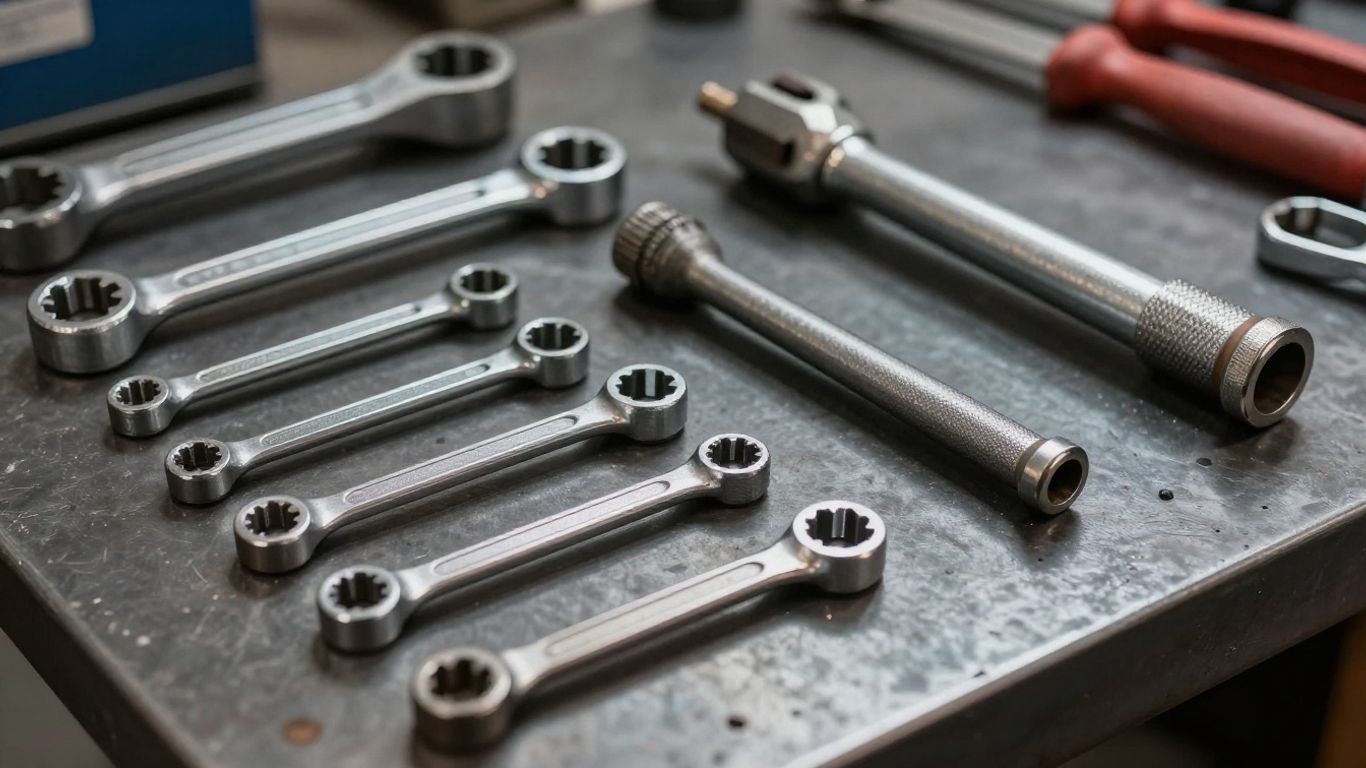
Equipping yourself with the correct tools transforms what could be a difficult task into a methodical sequence of operations. Having everything organized beforehand prevents mid-process delays and helps maintain focus during sensitive tasks. Using proper instruments also protects the surrounding trim from superficial damage.
Selecting the correct steering wheel puller for Chrysler columns
Using a specialized hub puller is essential for releasing the wheel from the splined column shaft without applying uneven pressure. When choosing your tool, ensure it is robust enough to handle the specific mounting bolt patterns found on these steering columns.
| Tool Item | Primary Purpose |
|---|---|
| Steering Wheel Puller | Safely extracting the hub center |
| Torx Bit Set | Removing column trim fasteners |
| Calibrated Torque Wrench | Ensuring accurate hardware securing |
These specific tools ensure that the transition remains controlled and that all structural connections remain sound during the process. Having the right device for each phase of the disassembly and reassembly work is paramount.
Managing Torx and hex bit sets for column trim removal
Most modern steering columns use recessed fasteners that require long-reach Torx or hex bits to access without scratching the plastic finish. Maintaining a complete set of these bits in your kit prevents the frustration of stalled progress due to a single missing piece of a specific size.
Using calibrated torque wrenches for secure assembly
Over-tightening or under-tightening the main steering wheel nut can create significant safety hazards during operation. A properly calibrated torque wrench allows you to hit the precise factory specifications required to lock the wheel assembly onto the splines.
Organizing electrical connectors during the removal process
Use labeled tape or small containers to keep track of the specific wiring harnesses detached during the process. This attention to detail dramatically simplifies the reconnection phase and ensures no wire is pinched or misplaced.
Step-by-step installation overview
Execution requires patience and attention to the sequence of electrical components. By following a logical flow, you ensure that all systems, including the airbag and steering controls, re-engage exactly as the manufacturer intended. Precision during these stages ensures a long-lasting and reliable result.
Disconnecting the battery to prevent accidental airbag deployment
Disconnect your negative battery cable for several minutes before starting to ensure the system is completely discharged and safe to work around.
This simple action eliminates the risk of an unintended signal to the SRS module, keeping your work environment secure. After waiting, you can confidently proceed with the physical removal and installation steps.
Removing the steering column trim and airbag module safely
After power is secured, unlock the airbag retention clips located behind the spokes of the original wheel. Carefully extract the module and note its cable routing path, as it must be replicated exactly with the new component to prevent chafing.
Properly aligning the center position for a straight installation
Before sliding the new wheel onto the column, confirm the wheels are pointing straight forward and the steering rack is centered. Marking the spline location with a paint pen can assist in maintaining this alignment throughout the swap.
Testing secondary steering controls and lock pins post-installation
Once the main retainer is tightened to the specified torque and the battery is reconnected, cycle through your cruise control and audio volume adjustments. Confirming these functions early helps ensure that all electrical paths were bridged correctly during the installation.
Safety precautions when handling airbag-equipped wheels
Handling SRS components demands extreme caution because they contain chemical propellants designed for rapid expansion during an impact. Treating these modules with respect prevents dangerous accidents and ensures that your vehicle’s safety network remains fully operational. Always stay within the scope of documented safety protocols to avoid unnecessary risks.
Proper storage techniques for removed airbag modules
Store any detached airbag unit in a clean, dry location with the metal housing facing upward to reduce the risk of structural stress on the sensors. Avoid placing heavy objects on the unit or exposing it to extreme heat, which could affect the internal triggering mechanism.
Avoiding static electricity interference with sensors
Static discharge can inadvertently trigger sensitive internal components or cause long-term electrical flaws in the module. Touching a grounded metal surface before handling the unit helps dissipate the charge and protects the internal circuits of the airbag assembly.
Understanding the risks of deploying used SRS components
Deploying a used module is inherently risky because its service history and exposure to prior moisture or collision stress are often unknown. Always inspect the wiring and outer casing for any signs of trauma before considering the device safe for installation.
Checking for open manufacturer recalls on donor steering assemblies
Before finishing the installation, check for any open recall notices using the serial number of the steering assembly. Ensuring your components are cleared of manufacturer safety alerts is a crucial final step in the maintenance process that protects your vehicle’s long-term safety profile.
Conclusion
Refreshing your driving experience through swapping a wheel is a highly rewarding project that combines technical precision with personal vehicle care. By meticulously inspecting the condition of your chosen component and adhering to the safety standards outlined for electrical systems, you ensure a professional-grade upgrade that enhances the overall interaction between you and your vehicle. The process is a testament to the longevity of well-maintained components and the reliability of following manufacturer-specified workflows for a safe and successful outcome.