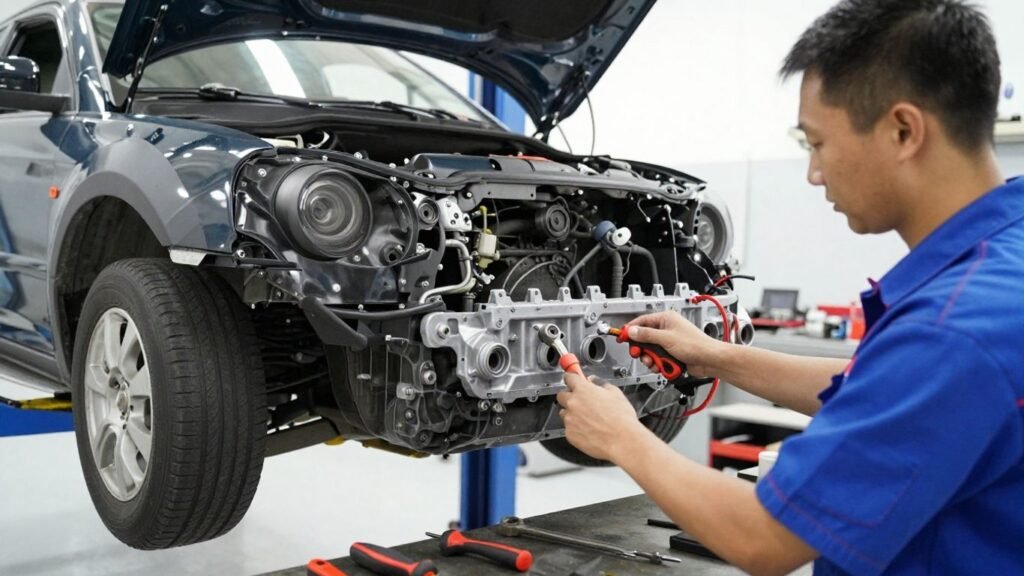
Key Takeaways
Choosing recycled components offers a sustainable and budget-friendly path to maintaining your vehicle’s drivetrain performance, provided you follow rigorous verification procedures.
- Quality recycled parts are often sourced from reliable donor vehicles with traceable history.
- Inspecting internal gears and housing integrity is essential for long-term reliability.
- Professional cleaning and lubrication ensure a smooth transition during installation.
- Compatibility remains the most critical factor when selecting your replacement differential unit.
- Proper troubleshooting helps identify and resolve minor post-installation anomalies quickly.
Understanding the anatomy of a Chrysler differential
Chrysler vehicles utilize various differential configurations designed to manage torque distribution to the rear wheels effectively. Each assembly typically consists of a housing, a ring and pinion gear set, carrier assembly, and axle shafts, all working in harmony to allow variance in wheel speed during turns. Mastering these components is the first step in successful maintenance and repairs for your vehicle.
Identifying common Chrysler axle models
Chrysler has engineered several iconic axle families over the decades, each serving specific weight classes and performance demands. Recognizing these identifiers is vital, as internal parts often do not interchange between different model lines. Checking casting numbers located on the housing is the most reliable way to confirm you have the correct unit for your specific generation.
Gear ratios and their impact on vehicle performance
The relationship between the ring and pinion teeth determines the final drive ratio, which directly influences your vehicle’s acceleration and top-end speed. A lower gear ratio, often referred to as a shorter gear, provides better off-the-line torque, while higher ratios improve highway fuel economy and reduce engine RPMs at cruising speeds. Understanding your driving goals helps in determining which ratio will best match your operational needs.
Distinguishing between open and limited-slip differentials
Open differentials allow wheels to spin at different speeds, which is perfect for daily commuting but can lose traction on loose surfaces. Limited-slip units incorporate clutch packs or mechanical locking mechanisms that transfer power to the wheel with the most grip, improving stability under load. Identifying the specific type installed in your vehicle ensures you maintain or upgrade your traction capabilities correctly.
Benefits of choosing recycled over new parts
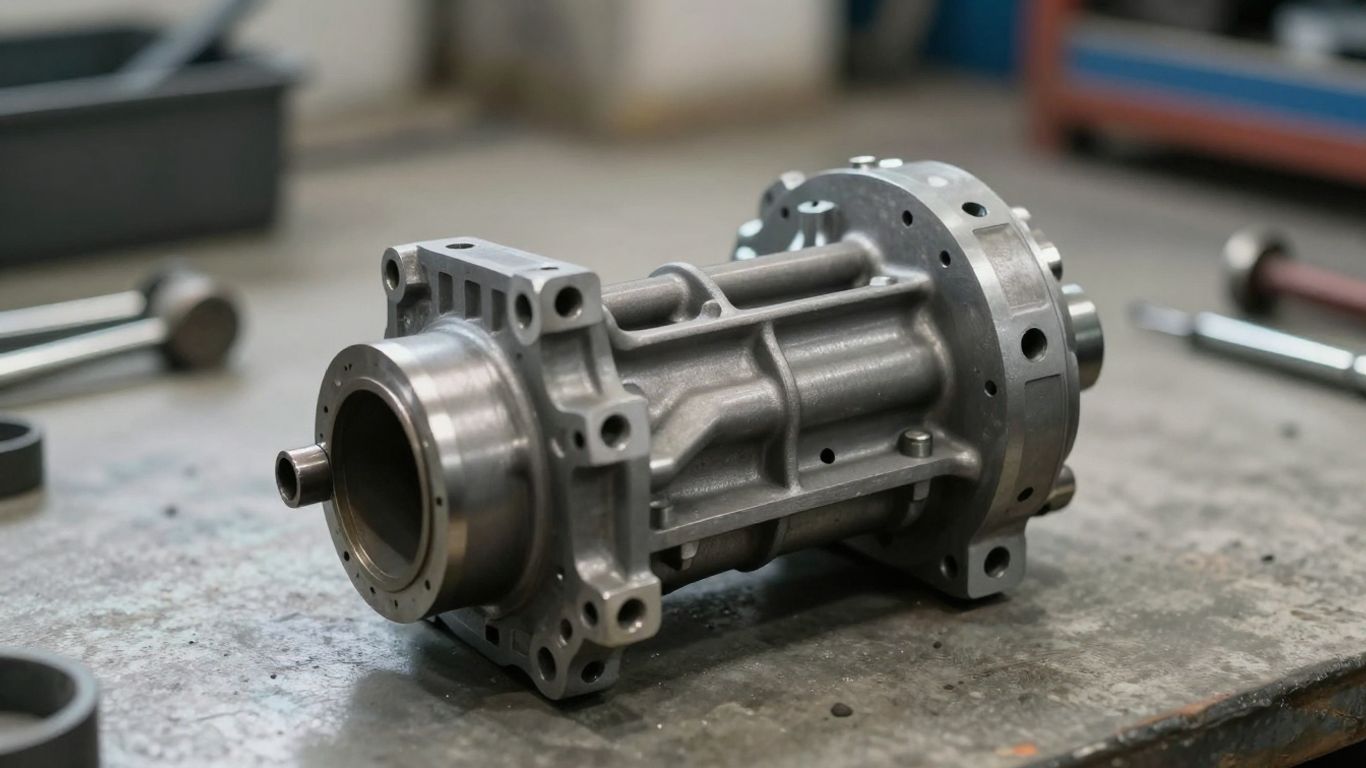
Selecting pre-owned components allows restoration enthusiasts and daily drivers alike to obtain original-specification parts that might otherwise be unavailable. These units often provide a perfect fit since they were designed for the same platform, reducing the need for custom fabrication or forced modifications. Investing in these parts keeps older vehicles on the road efficiently.
Cost-effectiveness for restoration and project vehicles
Restoring a classic vehicle or maintaining a high-mileage daily driver can become prohibitively expensive if you rely solely on brand-new OEM components. Recycled differentials allow owners to manage project budgets more effectively without compromising on the structural integrity of the powertrain. This approach provides a practical alternative to the high costs associated with factory-fresh assemblies or aftermarket customizations.
Environmental impact and the benefits of automotive recycling
Automotive recycling plays a massive role in reducing the demand for raw materials and energy-intensive manufacturing processes. By reusing existing, functional differential housings and components, we significantly decrease the carbon footprint associated with producing new metal parts. Choosing to recycle supports a circular economy that prioritizes resource conservation and waste reduction.
Compatibility advantages for vintage Chrysler builds
Genuine vintage components often suffer from scarcity, making direct replacement parts hard to track down from modern retail channels. Recycled parts ensure that your vintage Chrysler project retains its historical accuracy and functional compatibility. The use of original equipment components ensures that the geometry and mounting points remain consistent with the vehicle’s original assembly.
How to inspect recycled Chrysler differentials for quality
Evaluating the housing for structural damage and cracks
The exterior housing protects everything inside, so any compromise here can lead to lubricant loss or catastrophic failure under stress. Before installation, clean the exterior thoroughly to inspect for hairline cracks, impact damage, or previous weld repairs. A compromised housing will never provide the stability required for long-term safe operation.
Assessing gear teeth for excessive wear or pitting
Gear teeth must show an even wear pattern to guarantee a long service life and quiet operation. Pitting or chipped teeth suggest that the unit has been pushed beyond its limits or suffered from significant lubricant degradation over time. You should carefully rotate the input shaft while observing the contact pattern to ensure every tooth is in acceptable condition.
| Inspection Point | Healthy Condition | Red Flag Indicator |
|---|---|---|
| Gear Tooth Surface | Smooth and lustrous | Pitted or metallic flakes |
| Housing Exterior | Dry and intact | Wet with oil or cracks |
| Bearing Movement | Firm and smooth | Grinding noise or play |
Regular observation of these key areas allows you to make informed decisions before you commit to the labor of a full differential swap.
Checking axle seals and internal bearing conditions
Even if the gears look perfect, worn-out bearings will cause persistent noise and eventually lead to gear failure. Inspect the axle seals for signs of dry rot or cracking, as these points are common culprits for fluid leaks. Ensure that all bearings rotate without audible or tactile resistance to confirm the unit is ready for your project.
Sourcing reliable recycled parts
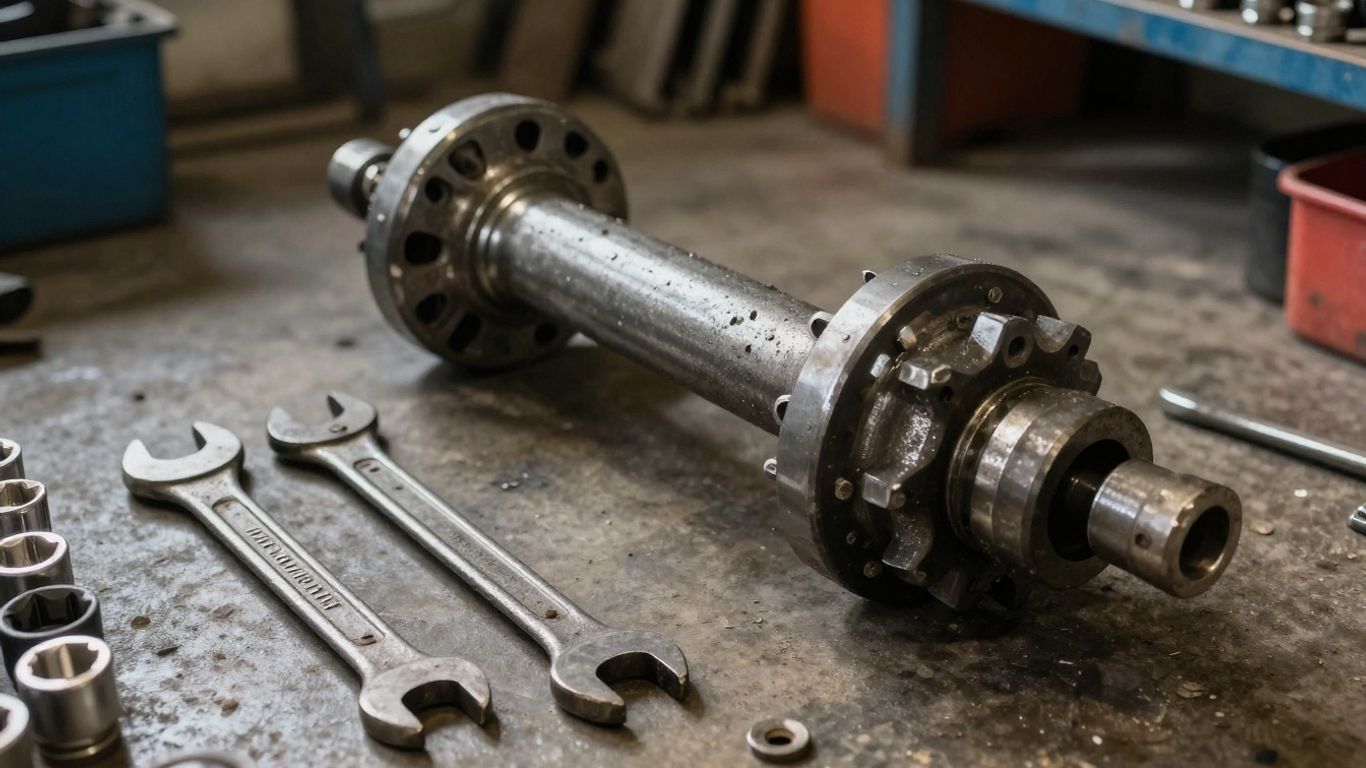
Finding the right source for your parts requires a bit of research, but local salvage yards and online platforms often have large inventories. By focusing on reputable suppliers who test their units, you can significantly reduce the risk of receiving an unusable part. Always verify the source’s return policy and history of the donor vehicle to avoid disappointment.
Navigating salvage yards and specialized online auctions
Local salvage yards provide the best opportunity to inspect parts firsthand before purchase. For those who prefer convenience, specialized online marketplaces often aggregate inventory from across the country, expanding your search range significantly. Whether searching in person or online, comparing several sources will help you find the best value for your requirements.
Understanding industry grading standards for automotive parts
Professional recyclers utilize standardized grading systems that communicate the condition of the part based on mileage and testing results. These grades provide a baseline, but you should still perform your own inspection upon receipt to ensure it meets your expectations. Relying on documented grading helps filter out low-quality inventory that would not be suitable for long-term use.
Verifying donor vehicle history and mileage
Knowing the background of the donor vehicle can tell you a lot about the likely condition of the differential. A high-mileage vehicle used for towing may have a more worn unit than one from a suburban commuter car. If possible, review the service records associated with the donor to understand the history of the unit’s maintenance and care.
Preparation and installation best practices
Essential tools required for a differential swap
Having the right set of hand tools and safety equipment is paramount when working with heavy drivetrain components. You will need a sturdy torque wrench, a variety of drive extensions, and proper fluid handling equipment. Safety should be your primary concern; ensuring your vehicle is securely supported on jack stands is absolutely non-negotiable for anyone working beneath a car.
Cleaning protocols and choosing the right gear lubricant
Before mounting the unit, clear away all debris and old, contaminated lubricant to provide a fresh environment for internal gears. Select the gear lubricant recommended by the original specifications, as using the incorrect viscosity can lead to overheating or gear noise. Proper fluid management is the simple secret to a long-lasting drivetrain.
Common installation errors and how to prevent them
Improper torque application on pinion nuts and differential housing bolts remains the most common mistake for amateur installers. If you overtighten or undertighten these fasteners, you risk premature failure of the internal bearings or housing seals. Following the manufacturer’s published torque sequence and specifications will prevent these issues from happening in the first place.
Troubleshooting common post-installation issues
Diagnosing gear whine after assembly
Gear whine is typically caused by an incorrect contact pattern between the ring and pinion teeth after assembly or improper backlash settings. If you notice a high-pitched sound under load, you may need to adjust the shims to achieve an ideal mesh. Taking the time to verify the pattern with marking compound helps avoid having to perform the installation twice.
Addressing persistent pinion seal leaks
Leaks often originate from a improperly seated pinion seal or a damaged seal surface on the yoke. Replacing the seal might seem straightforward, but you must ensure the yoke is not grooved at the point of contact. If the surface is marred, the new seal will fail shortly after installation regardless of how carefully you insert it.
Recognizing abnormal vibration and noise patterns during operation
Vibrations that change with speed or load often indicate an issue with the driveshaft balance or pinion angle rather than the internal differential gears. Inspecting the U-joints and checking the driveshaft alignment can save you from unnecessary internal repairs that won’t solve the underlying symptoms.
Distinguishing between internal differential noise and external drivetrain vibrations is critical for effective troubleshooting. Once you identify the root cause, addressing it promptly ensures that your vehicle will remain reliable for many miles to come.
Conclusion
Successfully sourcing and installing recycled Chrysler differentials is a rewarding way to extend the lifespan of your vehicle while adhering to your budget. By paying close attention to gear condition, housing integrity, and installation precision, you can achieve a result that performs as reliably as a factory-new assembly. Patience during the inspection and preparation phases is the key to ensuring your project remains on the road for years to come.