Key Takeaways
Identifying the correct components for your Chrysler vehicle requires understanding specific systems and compatibility requirements. Proper maintenance using authentic parts helps ensure long-term reliability and safety.
- Understanding air intake systems and fuel delivery configurations.
- Managing cooling system fluids and radiator heat transfer.
- Selecting correct suspension dampers for vehicle weight.
- Categorizing brake types by pad material and rotor finish.
- Organizing electrical distribution using factory-specified management parts.
Engine and powertrain components
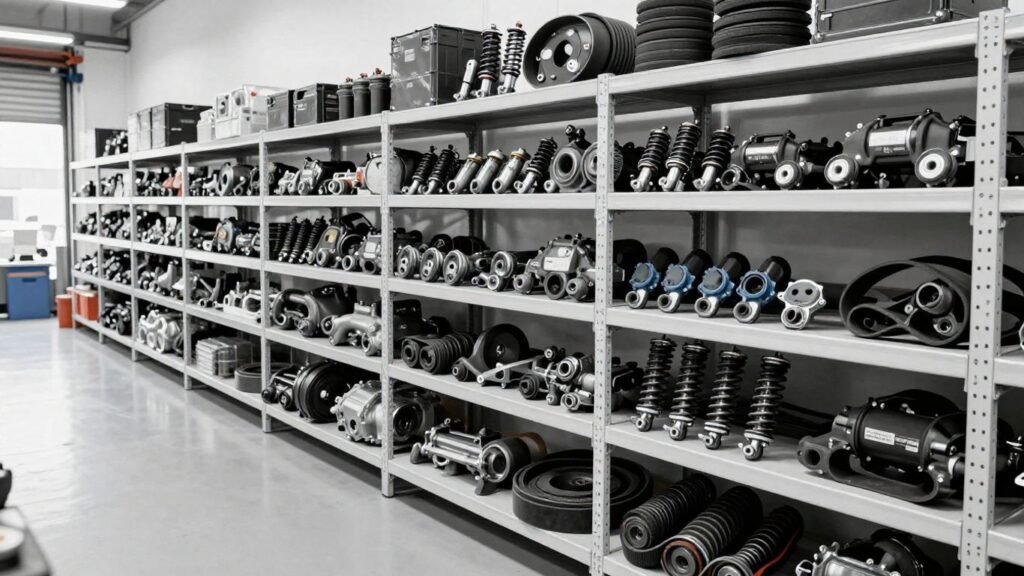
Finding the right components for an engine requires careful analysis of the specific power unit and its accessory configuration. Authentic parts help maintain the original performance profile and guarantee compatibility with factory calibration. Many enthusiasts prioritize high-quality MOPAR engine accessories to ensure that every replacement part meets rigorous performance standards.
Identifying air intake and fuel delivery systems
Air induction paths must be scrutinized to ensure consistent airflow measurements to the combustion chamber. Fuel delivery hardware, including lines and injectors, should match the flow specifications defined by the manufacturer to prevent lean or rich running conditions that impact fuel economy.
Timing belts versus chains and valve train parts
Valve train synchronization relies on the precise tensioning and durability of timing components. Whether your specific engine utilizes a chain or belt, ensuring the integrity of these wear items is critical to avoiding catastrophic engine damage during high-load operations.
Cooling system components and radiator maintenance
Managing heat is vital for longevity, as the cooling loop must circulate fluid efficiently through the radiator and block. Proper selection of replacement thermostats and hoses prevents fluid leaks that can compromise engine operating temperatures.
| Component | Maintenance Interval | Replacement Indicator |
|---|---|---|
| Coolant Fluid | 60,000 Miles | Darkening color |
| Radiator Hoses | 100,000 Miles | Surface cracking |
| Water Pump | 120,000 Miles | Bearing noise |
Selecting high-grade fluids and hoses maintains the thermal balance needed for peak engine efficiency, ensuring optimal performance in extreme conditions throughout the year.
Engine sensors and electronic control modules
Sensors provide the data necessary for the computer to adjust timing and fuel delivery on the fly. Replacing faulty sensors with units calibrated to your vehicle’s specific ECU mapping helps preserve smooth driving characteristics and prevents persistent warning lights.
Suspension and steering systems
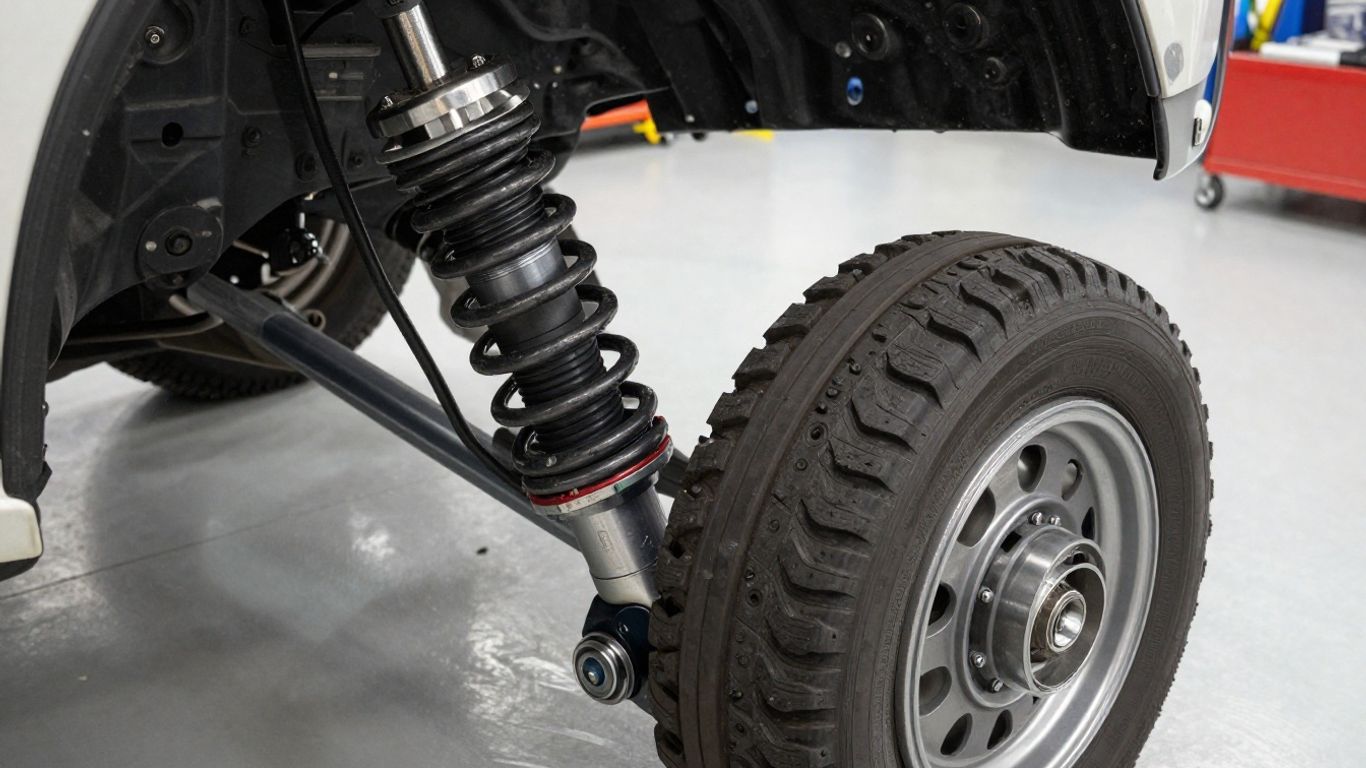
Maintaining the connection between the chassis and the road surface involves inspecting several critical hardware nodes. Each component must handle constant stress and vibration while providing the feedback required for precise handling. Using reliable MOPAR damping hardware ensures that your steering geometry remains aligned with the intended design parameters of the vehicle chassis.
Shocks, struts, and damping hardware
These components dissipate energy from uneven road surfaces, keeping tires in contact with the pavement for predictable grip. Selecting dampers designed for your specific curb weight ensures that the ride remains compliant without sacrificing stability.
Damping hardware serves as a critical buffer between road irregularities and the cabin, directly influencing the level of comfort and lateral control experienced by driver and passenger alike.
Properly functioning shocks and struts prevent unnecessary wear on related chassis components by minimizing excessive vertical movement during maneuvers.
Control arms and ball joint replacements
Control arms maintain the orientation of the wheels as they move vertically. When ball joints experience significant play, the resulting geometry shifts can lead to uneven tire wear and erratic handling on uneven roads.
Steering rack assemblies and tie rod ends
Steering accuracy depends on the lack of play in the link between the rack and the spindles. Replacing worn tie rod ends effectively corrects wandering feedback and resets the center point of the steering rack.
Power steering pumps and fluid reservoirs
Hydraulic assist requires consistent pressure from the pump to ensure effortless steering maneuvers at low speeds. Checking the reservoir and lines for potential leaks is a standard part of maintaining the overall integrity of the steering circuit.
Brake system hardware
Selecting the right friction materials depends on how the vehicle is used, whether for stop-and-go commuting or occasional towing. Matching the hardware to your specific driving habits keeps the interface between the pedal and the road predictable and effective.
Choosing between ceramic and semi-metallic pads
Ceramic pads offer quieter operation and less dust, whereas semi-metallic options generally provide increased stopping power at higher temperatures. Deciding between them involves balancing your need for cleanliness against performance demands.
Rotor surface types and heat dissipation
Surface finishes determine how quickly heat is shed from the friction area during heavy braking. Solid, vented, and slotted surfaces each handle thermal loads differently, making it important to pick the style that matches your climate and driving frequency.
Caliper rebuild kits versus complete replacement
Deciding to rebuild a sticky caliper can sometimes save money if the piston bore is still smooth and free of corrosion. If the internal seals or the piston surface are heavily pitted, replacing the hardware entirely is the safer route for ensuring pressure consistency.
Master cylinder and ABS control unit integrity
These central units regulate fluid pressure to every wheel, ensuring that the wheels do not lock unexpectedly during hard stops. Confirming that the master cylinder is free of internal leaks keeps the brake pedal feel firm and avoids pedal fade.
Interior and cabin electronics

Cabin electronics control everything from environmental comfort to complex data interfaces. Careful selection of replacement buttons, modules, and drive motors allows you to restore functionality to the driver interface without compromising electrical safety. Most electronics failures in these systems result from minor connection fatigue rather than a complete failure of the internal circuits.
Infotainment system hardware and interface modules
Connecting the display unit to the vehicle brain requires specific interface modules that communicate via the factory protocol. When swapping these, ensure the unit is compatible with the existing wiring harness to avoid communication errors between the audio system and the diagnostic port.
Climate control actuators and blower motors
Actuators route air through the proper vents, and their malfunction often leads to stuck temperature settings or air distribution failures. Ensuring the blower motor is rated for the correct voltage prevents the cabin fan from failing during extreme weather shifts.
Seat adjustment motors and upholstery clips
Comfort is heavily dependent on the ability to tilt and slide your seat accurately. Replacing failed motors restores the desired seating position, while sourcing the correct upholstery clips ensures that the internal seat materials stay secured without fraying.
Instrument cluster hardware and lighting components
Visible data on the cluster is essential for monitoring vehicle health. Light-emitting diodes or bulbs that illuminate these gauges should be replaced with factory-spec hardware to maintain consistent brightness across the whole dash board.
Exterior body and trim parts
Body parts like bumpers and door hardware serve both aesthetic and safety roles, as they are engineered to displace energy during minor impacts. Keeping these components in good condition maintains the vehicle value and ensures that locks and windows operate cleanly.
Bumper covers and impact absorbers
Bumper covers are the first line of defense for the front of the vehicle. Behind them, specific energy-absorbing foam blocks are designed to deform to protect the frame, so they must be replaced if they have ever been impacted.
Headlight assembly components and lens care
Clear headlight lenses are vital for visibility during night driving. Ensuring the assembly housing seals tightly against the body prevents moisture from causing internal wiring corrosion and premature lamp failure.
Door handles, latches, and window regulators
These mechanical assemblies frequently experience wear due to their high usage rate throughout the life of the vehicle. Replacing internal latches and regulators with exact matches ensures the doors lock securely and windows move smoothly through the tracks.
Weatherstripping and trunk seal integrity
Seals prevent water intrusion that can destroy cabin carpets or electrical connectors inside the door panels. Regularly inspecting weatherstripping for cracks or hardening helps protect the structural integrity of the door frames.
Electrical and ignition systems
Distributing power throughout the vehicle requires a healthy electrical system, from the battery to the spark plugs. Protecting this system means using genuine MOPAR heavy-duty cable management products to avoid voltage drops and short circuits that can leave you stranded.
Alternators and charging system distribution
An alternator must maintain the correct supply voltage for all onboard systems while simultaneously keeping the battery charged. Distribution blocks should be checked periodically for melting or heat damage to ensure the current flows freely.
Spark plugs and ignition coil packs
Ignition systems rely on consistent high-voltage delivery to create the spark needed for combustion. Using coils matched to the specific firing order of your engine prevents misfires and helps keep the fuel-air mixture burning efficiently.
Wiring harness connectors and routing patterns
Wiring patterns are mapped to prevent chafing and heat radiation from interfering with electrical signals. When replacing segments of the harness, use correct connectors to maintain the water-resistant seals that keep the wires clean and oxidation-free.
Battery trays and heavy-duty cable management
Secure battery placement prevents vibration-induced damage to the cells inside the housing. Utilizing proper cable management brackets keeps the thick positive and ground leads away from hot engine parts, preventing insulation breakdown and potential electrical shorts.
Conclusion
Following these guidelines for categorizing and selecting replacement parts will help you maintain the reliability and safety of your vehicle. By prioritizing quality and correct fitment, you ensure that every repair contributes to a longer, more dependable experience on the road.