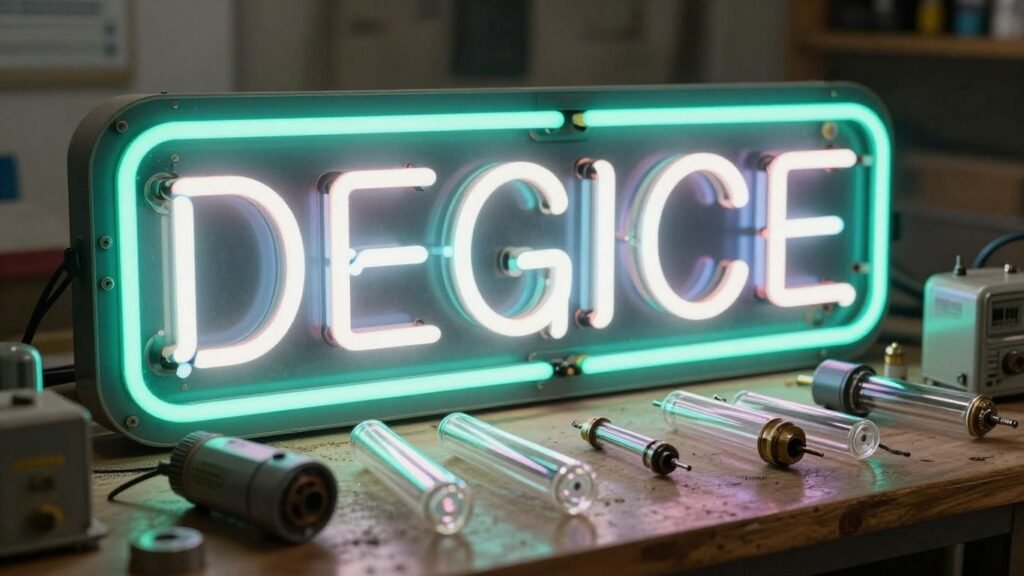
Key Takeaways
Restoring neon signs requires a blend of artisanal skill and careful mechanical planning to preserve original aesthetic character. Here is a summary of the core points covered in this guide:
- Understanding electrical safety remains the highest priority to prevent injury.
- Sourcing authentic parts helps maintain the historical integrity of your sign.
- Ventex neon transformer boxes provide reliable performance for various environmental conditions.
- Proper tool selection simplifies the process of glass bending and manifold operation.
- Networking with experienced neon artists reveals the best supply sources.
Understanding essential neon sign components
Restoration effectively begins with identifying how different parts function within a sign housing. Each element serves a specific purpose, from managing current to maintaining the structural integrity of fragile glass elements.
Glass tubing and gas types
Neon signs rely on glass tubes filled with inert gases, most commonly neon or argon. The color is defined by the gas mix and the phosphor coating inside the glass, requiring precision when matching replacements for consistent lighting.
High-voltage neon transformers
Transformers convert domestic power levels into the high voltage necessary for gas ionization. Modern practitioners favor protected units such as Ventex neon transformer boxes, which are engineered for durability across weather conditions.
Electrode assemblies and wiring
Electrodes reside at either end of the tubing, acting as the interface between electrical current and the internal gas. Using stable leads is essential to prevent arcing and ensure the longevity of the electrical path.
Insulators and mounting hardware
Secure mounting is vital for preventing vibration stress on glass. Tools like the Diversified Components Quik Support help simplify the attachment of tubes to the frame while keeping them properly isolated.
Where to source quality neon restoration parts
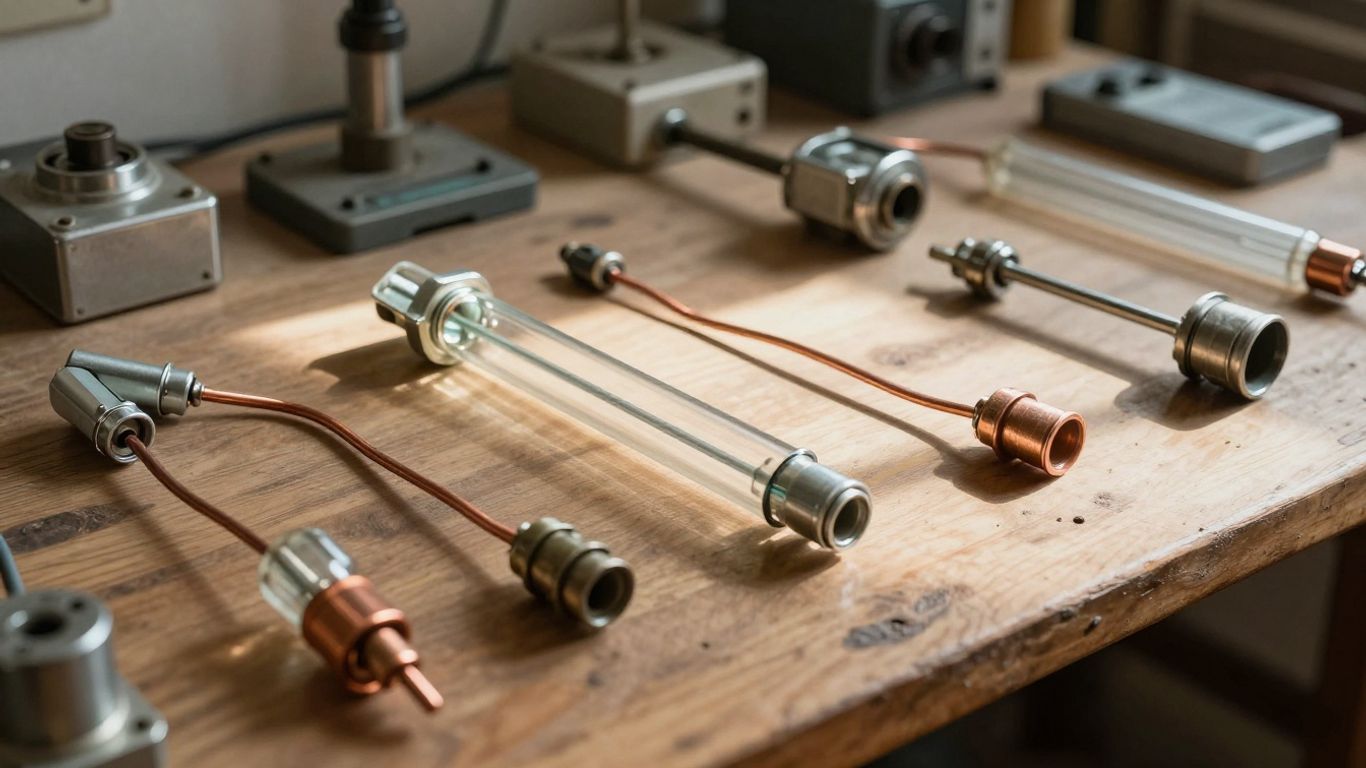
Finding the right components often requires a mix of searching specialized markets and leveraging existing professional networks. Quality is crucial as subpar materials may fail shortly after installation, necessitating repeat work.
Specialized neon supply vendors
Many suppliers focus exclusively on the specific hardware needs of neon shops. These vendors typically offer standard items like France Copper Tie Wire, which professionals rely on for reliable tube securing.
Salvaging parts from vintage signage
Old signs contain rare components that are no longer manufactured. Carefully dismantling dead units often provides a wealth of authentic hardware that fits perfectly with period-correct restorations.
Verifying component authenticity and age
Distinguishing between aged industrial components and modern replicas helps determine the value of a restoration. Examine physical wear and original metal finishes to confirm that scavenged parts are indeed suitable for your needs.
Networking within the neon art community
Online forums and local maker groups act as hubs for sourcing hard-to-find items. Connecting with veteran glassblowers can lead to discovering private stashes of legacy components that are unavailable online.
Safety protocols when handling neon parts
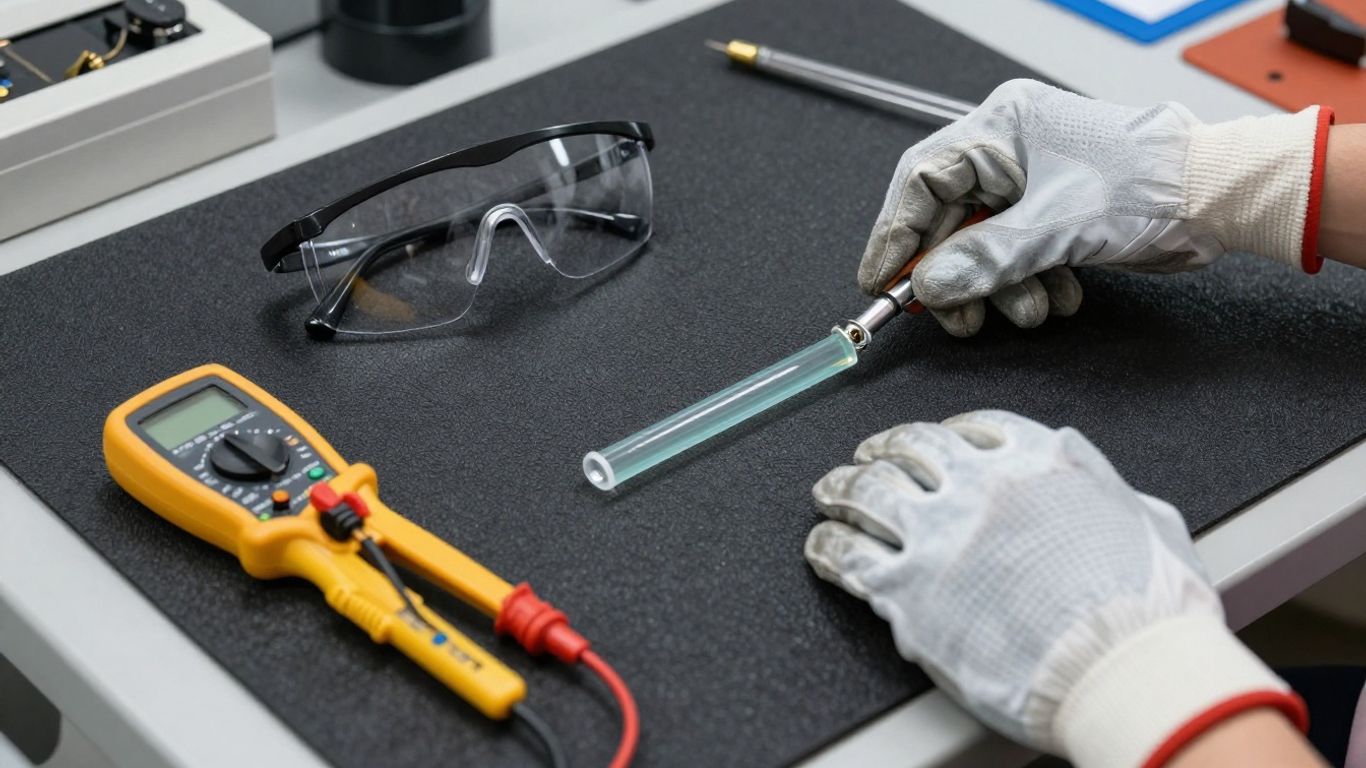
When working on any electrical project, you must adopt strict habits to avoid accidents. Handling high-voltage circuits and volatile glass requires total concentration and the right protective environment.
Proper electrical discharge procedures
Always verify that transformers are completely disconnected before touching any terminal. Discharging capacitors and verifying a dead circuit should be second nature for anyone working on vintage sign restoration projects.
Handling fragile glass components safely
Glass tubes are extremely delicate and prone to stress cracks during installation. Use padded work surfaces and ensure that no pressure is placed on the bends during mounting processes.
Respiratory safety and gas leakage warnings
While neon itself is inert, broken tubes may release harmful dust from phosphor coatings. Work inside well-ventilated spaces and avoid inhaling residues if a tube shatters during the repair process.
Personal protective equipment for bench work
Safety glasses and sturdy gloves are baseline requirements for the shop. Protecting your skin and eyes ensures that minor mishaps do not turn into serious health concerns during routine maintenance or part fabrication.
Common restoration challenges and part compatibility
Compatibility issues frequently arise when modern components are retrofitted into historic signage. You must ensure that voltage ratings and mounting specs align with the original configuration to avoid failure.
Replacing outdated magnetic transformers
Older units often suffer from insulation breakdown, necessitating a switch to modern equivalent electronics. Matching the output voltage is vital to ensure bulbs strike correctly without overheating.
Repairing damaged leads and electrode connections
Lead wires age and become brittle over decades of heat exposure. Replacing these links requires clean soldering and properly insulated conduit points.
Matching tubing dimensions for seamless repairs
Tubing sizes vary across global manufacturing standards, making custom bending necessary for complex signs. Professionals use calipers to measure existing diameters to ensure new segments align seamlessly with legacy glass.
Troubleshooting flickering or dim sign segments
Flickering is often a symptom of underlying electrical issues rather than gas depletion. The following table identifies potential causes and required diagnostic checks for typical sign failures.
| Observation | Likely Component Cause | Diagnostic Action |
|---|---|---|
| Intermittent flickering | Loose electrode connection | Check solder joints |
| Dim light output | Aged phosphor coating | Recalibrate voltage |
| Partial tube silence | Leak or gas depletion | Test for vacuum |
Identifying these symptoms early allows for targeted repairs that save time compared to full system overhauls.
Tools and equipment for neon restoration
Restoration requires a specific suite of mechanical and electrical tools. Maintaining a well-organized shop allows for safer and more efficient work on high-value signs.
Vacuum manifold systems for gas filling
These systems are essential for evacuating air from rebuilt segments before introducing the noble gas mix. Precise suction ensures the purity of the environment prior to sealing.
Scientific glassblowing torch setups
Glass tools are used to splice new tubing segments or re-shape aging glass. Consistent heat control is the defining factor in achieving smooth, crack-free artisan results.
Multimeters for electrical output testing
Verifying live currents is necessary to ensure safety and function. A multimeter helps you confirm that your transformer is outputting the correct levels to the electrodes without causing damage.
Calibration tools for electronic transformers
Even modern gear needs monitoring when integrated into custom configurations.
Precise instrument settings prevent the premature failure of hardware components and ensure that sign illumination remains balanced across all segments of the display.
Proper calibration allows the sign to operate at peak efficiency for long periods between service intervals.
Gas canisters and pressure regulators
Managing inputs from gas canisters requires high-accuracy regulators to maintain exact pressure. Stable gas delivery is the key to creating consistent brightness across the entire sign face.
Conclusion
Restoring neon signs is a rewarding endeavor that bridges technical electrical work with traditional glass craftsmanship. By sourcing quality Neon restoration parts and adhering to strict safety and diagnostic standards, you can preserve the legacy of these iconic lighting pieces for years to come.