Key Takeaways
Maintaining a rare vehicle requires a strategic approach to component procurement and careful verification of technical specifications.
- Compatibility with shared platforms is the foundation of effective part sourcing.
- Online salvage networks and private forums provide the most reliable access to rare inventory.
- Always verify the structural and electronic health of salvaged components before installation.
- Avoid common pitfalls by confirming OEM origins and understanding return policies.
- Consistent documentation adds value and ensures the long-term reliability of your vehicle.
Understanding component compatibility
Navigating the nuances of vehicle maintenance often requires a deep dive into the engineering history of your chassis. Understanding how your vehicle aligns with its mechanical origins ensures that you select components that fit without requiring significant modifications or custom fabrications. By focusing on cross-platform engineering, repairs can be managed with greater efficiency and precision.
Identifying parts shared with Mercedes-Benz
The Crossfire was built on a common platform, meaning many of its core mechanical components are shared with various Mercedes-Benz models of the mid-2000s. Recognizing these shared parts allows you to search beyond limited specialty databases when specific items are difficult to track down. Always consult technical manuals to confirm which specific mechanical assemblies, such as suspension components or electronic sensors, maintain cross-compatibility.
Matching model years and engine variants
Engine variants and production years dictate major differences in sensor calibration and physical dimensions. Even within the same model run, mid-cycle updates can change the mounting points or electrical connectors on essential components. Cross-referencing your VIN ensures the parts you select will integrate seamlessly with your existing powertrain and electrical systems.
Decoding part numbers for accurate sourcing
OEM part numbers are the most reliable indicator of compatibility when hunting for replacements. Cross-referencing these unique identifiers against manufacturer diagrams prevents the common mistake of ordering similar-looking parts that lack the necessary specifications for your particular vehicle. Always prioritize matching the number printed directly on the failed component over generic descriptions provided by aftermarket catalogs.
Top sources for quality second-hand components
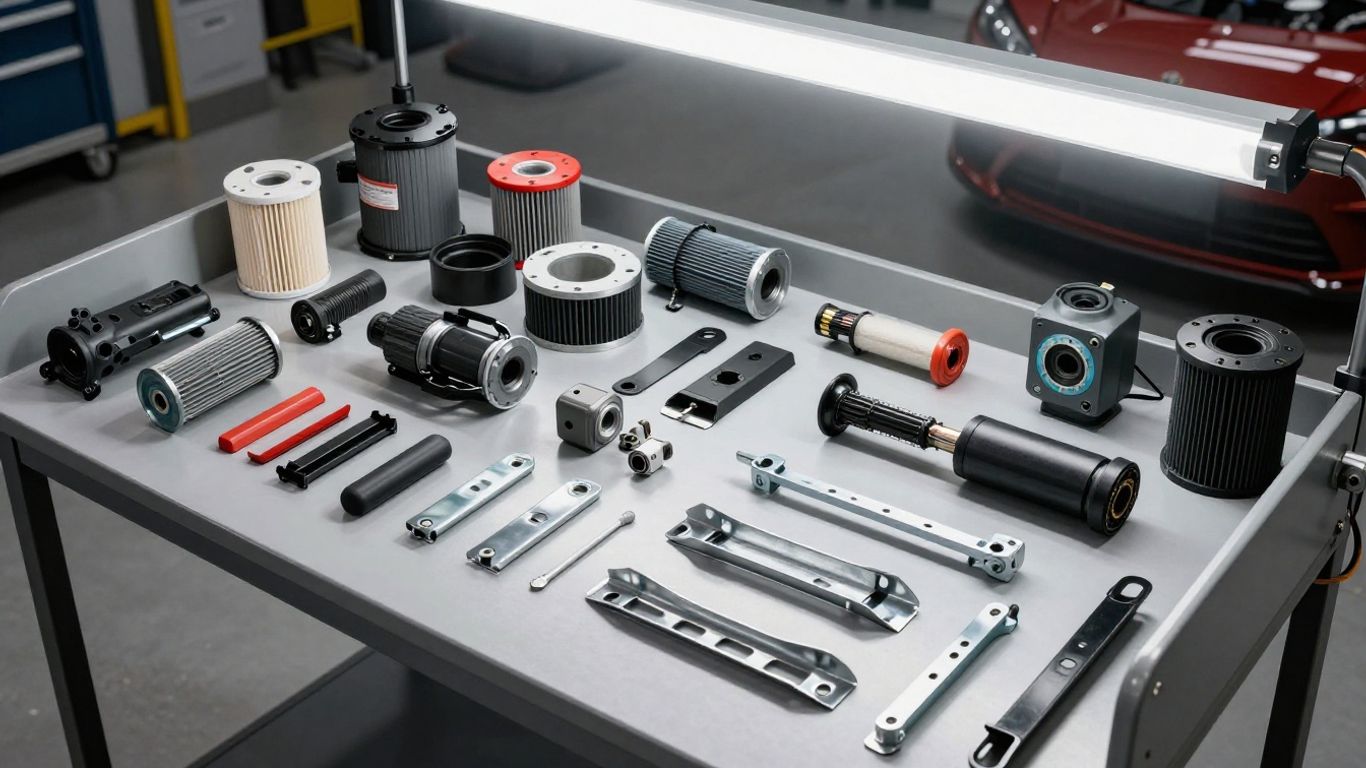
Finding the right hardware involves casting a wide net across both digital and physical marketplaces to locate well-maintained donor cars. You should aim to source parts from vehicles handled by reputable recyclers who log the history of the donor unit properly. Maintaining this standard ensures the longevity of your repair while keeping a consistent supply chain for future maintenance needs.
Browsing specialized online auto salvage auctions
Digital salvage auctions offer a massive repository of parts from vehicles that have been retired from the road. These platforms often provide detailed images and history reports, allowing for a more informed purchase than traditional scrap yards. Filters on these sites can help you narrow your search significantly, though verifying the seller’s reputation remains a core step.
Utilizing enthusiast forums and private seller networks
Dedicated enthusiast communities are often the best place to find well-cared-for parts that have been removed from vehicles by other owners. These private sellers have a vested interest in helping others keep their cars on the road, often providing more transparency regarding the condition and history of the component than an anonymous salvage yard might.
Navigating inventory at nationwide automotive recycling yards
Large-scale automotive recyclers maintain extensive inventories that can be searched using professional databases to find specific matches. Companies like Benzeen Auto Parts provide a structured way to source quality used OEM parts while often offering warranties that mitigate the risks associated with salvaged hardware. They operate at scale, making them an excellent choice for finding elusive components stored in professional facilities.
Assessing the condition of used hardware
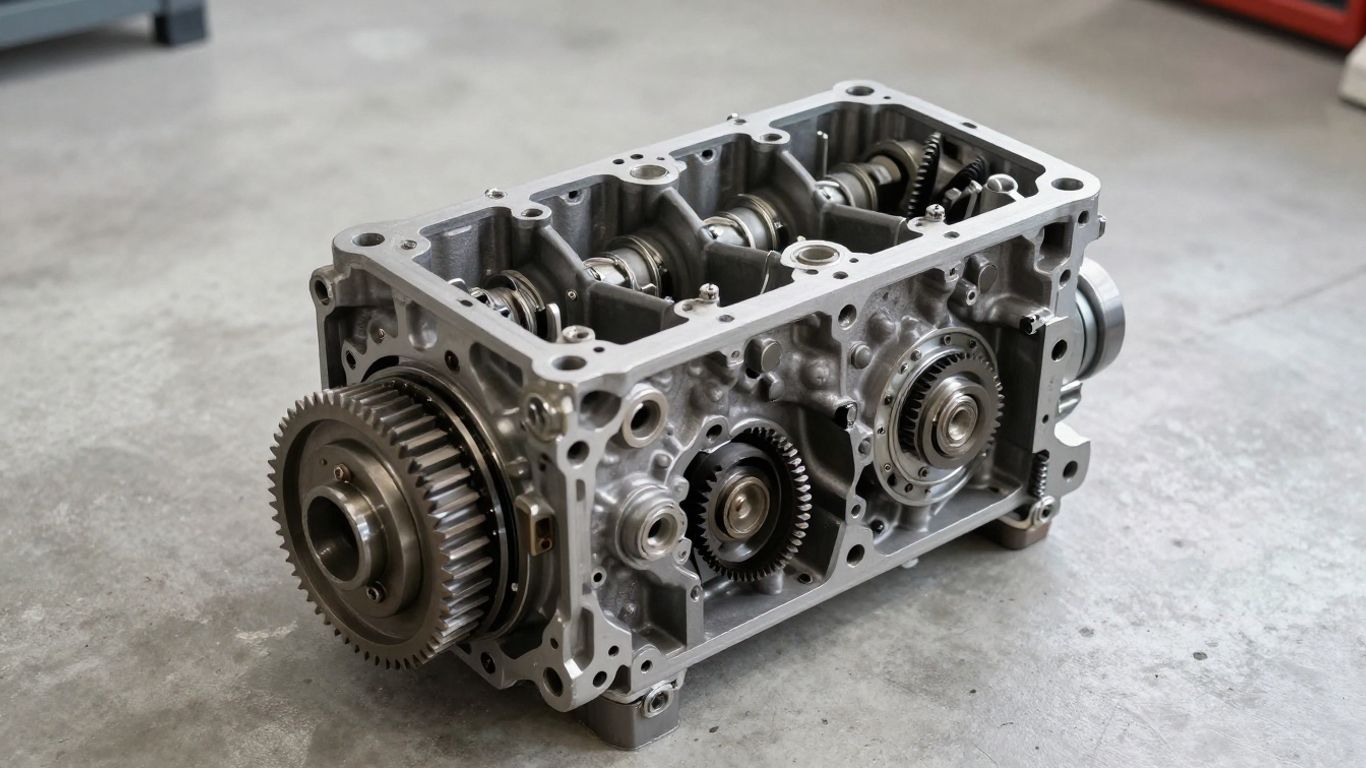
Conducting a physical evaluation of any used hardware is a mandatory step before committing to an installation. Simply relying on photos or descriptions is rarely enough when dealing with components that have seen years of environmental exposure. A careful eye for detail during the evaluation phase helps prevent the headache of installing faulty hardware into an otherwise perfectly functional system.
Evaluating structural integrity of body panels
Metal body panels and plastic trim require careful inspection for hidden damage, such as stress fractures or rust starting on the underside. When sourcing these items, ask for macro-level photos that highlight the condition of all mounting tabs, as broken hardware is frequently the primary reason these parts are sold second-hand.
Testing electronic modules for intermittent faults
Electronic modules are prone to degradation that is not always visible on the surface. When possible, request information on whether the module was tested in a working vehicle environment prior to removal. High-quality recyclers often perform standardized diagnostic checks, which you should confirm before paying for the unit.
Inspecting drivetrain components for excessive wear
Mechanical parts involving rotating masses, such as driveshafts or transmission assemblies, require a close inspection of seals and gear teeth. Small signs of metal shavings or dried-out rubber seals often indicate that the component will require a full rebuild sooner than expected, which should be baked into your budget.
Common pitfalls when purchasing used parts
Navigating the second-hand market can be tricky if you do not know how to distinguish between genuine factory parts and lower-quality substitutes. Avoiding these common traps requires a basic understanding of how parts are classified and handled within the industry. Awareness of these issues protects your vehicle from degradation caused by incompatible hardware.
Avoiding counterfeit or rebranded aftermarket replacements
Many listings on general marketplace websites advertise parts as "fits-all," which often signals an aftermarket imitation rather than a genuine factory component. These alternatives rarely meet the exact material, density, or mechanical tolerances of the original manufacturer. Sticking to OEM parts ensures that your vehicle retains the performance and reliability characteristics it had when it left the factory floor.
Protecting against shipping damage on fragile trim items
Fragile interior trim pieces, such as plastic console components or decorative panels, are highly susceptible to damage if they are not packaged properly for transport. If a seller is unwilling to provide photos of their packaging process, consider finding a different source who can guarantee the security of the part during shipment.
Understanding salvage yard return policies and warranties
Before finalizing a purchase, understand the exact terms of the warranty offered by the recycler at hand. Professional operations such as Benzeen Auto Parts typically provide a standardized warranty, which can be a deciding factor when choosing between competing sellers. The following comparison highlights the importance of checking policy details.
| Feature | Professional Recycler | Private Seller | Marketplace Site |
|---|---|---|---|
| Warranty Length | 12 Months | None/Limited | Varies |
| Inspection | Pre-removal | Self-verified | Buyer driven |
| Return Policy | Transparent | As-is | Dependent on listing |
Selecting a vendor with a clearly defined return policy ensures that you have coverage if the part arrives with an undisclosed defect or failed testing immediately after installation.
Essential tips for restoration success with salvaged parts
Restoration is not just about replacing parts; it is about ensuring that the entire system functions with reliability over the long term. Proper preparation and maintenance of your salvaged items directly impact the lifespan of your vehicle. Taking the time to handle these components with care transforms them from random scrap into reliable mechanical assets.
Cleaning and refurbishing interior trim components
Before installing any salvaged interior trim, spend time cleaning and properly conditioning the surfaces to match your vehicle’s aesthetic. Small repairs using appropriate plastic bonding agents can often make used parts look showroom-ready. This attention to detail prevents future cracking and improves the overall driver experience inside the cabin.
Preparing used mechanical parts for effective installation
Mechanical parts often benefit from a thorough refresh before being integrated into your drivetrain. This might include replacing old gaskets, cleaning carbon buildup from sensors, or applying fresh lubrication to moving parts that have sat idle in storage.
Performing comprehensive preparation on used mechanical assemblies allows you to identify underlying issues and ensures that the hardware performs exactly as expected once integrated into the vehicle.
Treating each component as a project rather than a simple plug-and-play unit ensures that you get the most value and performance out of every dollar spent on second-hand gear.
Maintaining accurate documentation for vehicle provenance
Keep a file of your part sources, including the VIN of the donor vehicles if possible, which helps build a comprehensive history for your own car. This documentation is not only helpful during future repairs but also establishes the provenance of your vehicle when it comes time for maintenance logs. Benzeen Auto Parts provides detailed records, which are a valuable asset for maintaining the documented care and lineage of your vehicle’s components.
Conclusion
Successfully restoring and maintaining a vehicle using Crossfire second hand parts is a rewarding process that combines technical research with savvy shopping. By focusing on shared component platforms, rigorously vetting salvaged hardware for structural and electronic health, and sourcing from reputable industry leaders, you ensure your project remains as reliable as it is unique. Consistent documentation and careful preparation of these parts create a foundation for long-term enjoyment and vehicle preservation.