Key Takeaways
Quick Chrysler part sourcing becomes much easier when you identify the vehicle precisely before searching. The VIN, OEM part number, fitment confirmation, and delivery details all matter as much as the listed price.
- Keep the full VIN and vehicle configuration details ready.
- Search by OEM part number whenever one is available.
- Compare dealer, online, salvage, and specialty sourcing channels.
- Confirm fitment, programming needs, returns, and warranty coverage.
- Inspect the part and document its number after delivery.
Identify the exact Chrysler part you need
The fastest purchase starts with an exact description of both the vehicle and the failed component. A general request for a sensor, mirror, or control module can lead to several plausible but incompatible results. Before contacting a seller, gather the identifying details and photograph the old part if access is safe. That preparation is the foundation of quick Chrysler part sourcing.
Gather the vehicle identification number
The 17-character vehicle identification number is usually the strongest starting point for a fitment check. It can help a parts counter or online lookup distinguish production changes, equipment variations, and model configurations that share the same nameplate. Read the VIN directly from the vehicle or its registration rather than relying on memory.
Have the complete number ready when you call or submit a request. A partial VIN, license plate, or informal description may not reveal the distinctions that affect wiring, mounting, emissions equipment, or calibration.
Match the model, year, trim, and engine
Record the exact model year, trim level, engine, drivetrain, and body style. Two vehicles with the same model name may use different brakes, cooling components, sensors, lighting assemblies, or suspension parts. Factory options such as towing equipment or an upgraded audio system can matter as well.
If the vehicle has been modified, mention that before a seller recommends a part. A catalog match for the standard configuration may not suit a vehicle with altered suspension, lighting, intake, or other equipment.
Use the OEM part number when available
An original part number can narrow a search far more effectively than a symptom or casual component name. Look for a stamped, molded, printed, or etched number on the old part, but do not assume every visible number is the orderable identifier. A clear photograph can help a parts specialist separate the real number from a supplier code.
Write the number exactly, including letters, hyphens, and suffixes. The exact suffix matters because a revised number may differ from the number on the removed component while still being the appropriate replacement.
Distinguish genuine, aftermarket, and used parts
Decide what condition and source make sense before comparing prices. A genuine part may be the simplest choice for an electronic or highly vehicle-specific component, while a reputable aftermarket part can suit a less specialized repair. A used component may be practical for a discontinued trim piece or body panel, provided its condition is documented.
Ask whether the part is new, remanufactured, recycled, or previously installed. Those labels affect expected wear, included hardware, warranty terms, and the likelihood that installation will require additional troubleshooting.
Choose the fastest Chrysler parts sourcing channel
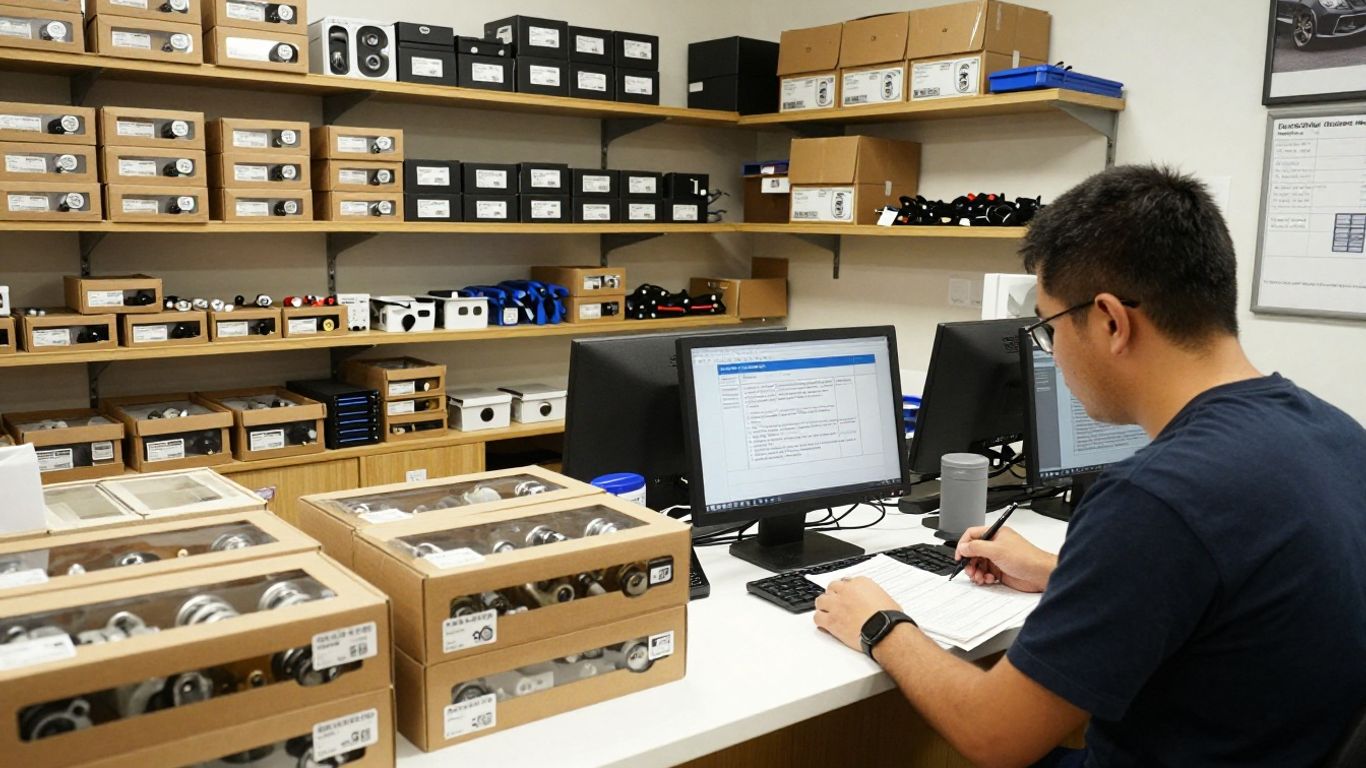
The best channel depends on urgency, part type, and whether local inventory matters more than selection. A nearby parts counter may answer fitment questions quickly, while an online catalog can make comparison easier for less urgent repairs. Salvage suppliers and specialty distributors can also help when the part is older or uncommon.
Contact a Chrysler, Dodge, Jeep, or Ram dealer
A dealer parts department is a sensible first call when the vehicle is needed immediately or the component has complicated fitment. Give the representative the VIN, part description, and any number from the old component. Ask whether the item is physically available, can be transferred, or must be ordered.
For genuine Mopar parts, a dealer can also clarify the catalog description and any associated hardware. Confirm the pickup window rather than assuming that “available” means the part is already at the counter.
Search authorized online Mopar parts retailers
Authorized online Mopar parts retailers can be useful when local inventory is limited or when you need to compare several catalog entries. Enter the vehicle details carefully, then cross-check the resulting listing against the VIN and the number on the old part.
Before paying, check the retailer’s stated processing time, shipping method, return rules, and fitment language. A low item price is less useful if the part is backordered or difficult to return.
Compare local salvage yards and recycled parts suppliers
Salvage yards can shorten the search for body panels, interior pieces, wheels, and other components that are costly or unavailable new. Ask for the donor vehicle’s year, trim, mileage if known, and visible condition. Request photographs of mounting points, connectors, paint damage, and cracks.
For mechanical or electronic parts, ask whether the component has been tested and whether a warranty applies. A recycled part that can be inspected locally may be a better practical choice than an unverified listing shipped from far away.
Evaluate specialty Chrysler parts distributors
Specialty distributors may carry older, unusual, or model-specific components that general sellers do not keep on hand. They can be especially helpful when a part number has changed or when the component is associated with a narrow production range.
Give the distributor the same complete information you would give a dealer. Ask whether the item is in stock, whether it is a replacement for an earlier number, and what documentation supports compatibility.
Search efficiently with the right information
Good searches are built from identifiers, not guesses. Start with the VIN and OEM number, then add the vehicle configuration and the exact component location. When a listing appears promising, use its specifications and images to verify details before treating it as a match.
Use VIN-based parts lookup tools
VIN-based lookup tools can reduce the number of catalog results by connecting the vehicle record with available part information. Enter the VIN without transposed characters and review the vehicle summary that the tool returns. If the summary is wrong, stop and correct the vehicle data before browsing parts.
Treat an automated result as a starting point rather than the final approval. A seller should still be able to explain exceptions, production dates, or equipment restrictions when the listing raises a question.
Search by part number and compatible vehicle
Put the OEM number first in a search, then add the model year and component name. This approach filters out listings that use broad descriptions such as “fits Chrysler” without identifying the applicable configuration. If the number produces several versions, compare suffixes and seller notes.
Keep a short record of the numbers you find and where they came from. That makes it easier to spot a duplicate listing, identify a revised number, or explain the search history to a parts specialist.
Confirm photos, specifications, and connector details
A photograph can reveal whether a housing, bracket, plug, or mounting tab matches the original. Compare the number and position of terminals, the shape of the connector, bolt spacing, hose outlets, and included seals or clips. For body parts, also compare finish, sensor openings, and handedness.
Specifications should support the visual check, not replace it. Ask for a clearer image when a critical detail is hidden, cropped, or too small to inspect.
Check superseded and interchangeable part numbers
Catalogs sometimes show a current number in place of the number printed on an older component. Ask the seller whether the newer number supersedes the old one and whether the change is officially applicable to your vehicle. Do not infer interchangeability solely because two parts look alike.
A useful answer identifies the relationship between the numbers and any required hardware or programming. Keep that confirmation with the order record in case the package or invoice uses only the newer identifier.
Verify fitment before placing the order
Fitment is the point where a quick search either becomes a successful repair or creates a costly delay. Confirm the vehicle configuration, part details, and seller terms together rather than relying on a single green “fits” label. This is particularly important for components tied to safety systems, electronics, or body-specific mounting points.
Confirm compatibility with the vehicle configuration
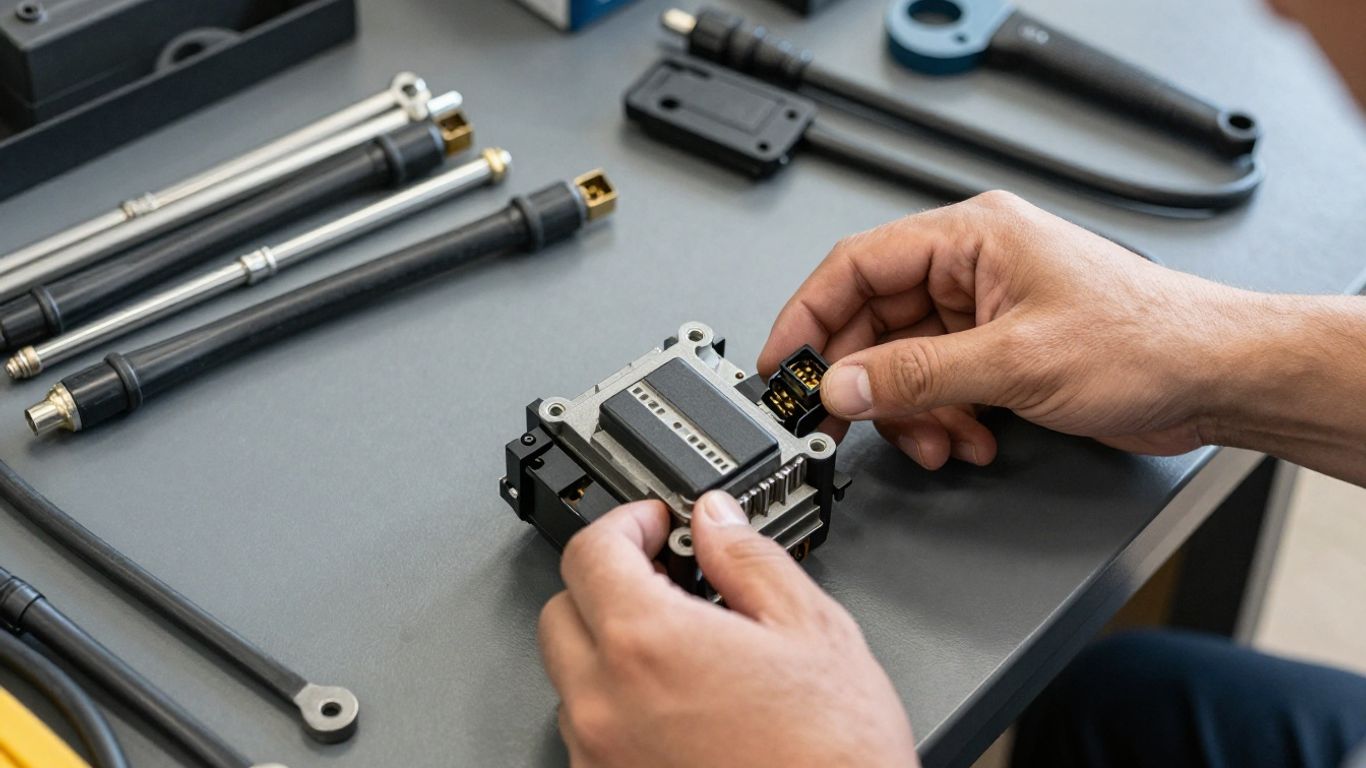
Read the full fitment notes and compare them with the VIN, engine, drivetrain, trim, and production details. Check left-versus-right orientation, front-versus-rear location, two-wheel-versus-four-wheel drive, and any package restrictions. These distinctions often explain why visually similar parts carry different numbers.
If a listing is vague, contact the seller before ordering. A written confirmation that includes the VIN and exact part number is more useful than a general assurance that the component fits the model family.
Review seller fitment guarantees and return policies
A fitment guarantee can reduce risk, but its conditions vary. Find out whether the guarantee requires VIN entry, whether opened electrical parts can be returned, and who pays return shipping. Also check restocking fees, time limits, and exclusions for painted or installed components.
Core charges deserve attention when buying remanufactured parts. Ask how the old unit must be returned and whether damage or missing pieces can reduce the refund.
Check whether programming or calibration is required
Some replacement components may need programming, initialization, relearning, or calibration after installation. Ask the seller or repair professional before purchase, especially for modules, cameras, sensors, and components connected to vehicle control systems. The part may be correct yet unusable until the required service is completed.
A part is not truly ready when it arrives; it is ready when the vehicle can accept and use it correctly.
That distinction should shape the delivery plan and budget. If specialized equipment or security access is involved, arrange the service before the package arrives rather than discovering the requirement during installation.
Avoid common errors with sensors, modules, and body parts
Sensors and modules can share a housing while differing in software, connector configuration, or calibration. Body parts can differ by side, camera opening, trim, parking sensor provision, or paint finish. Verify these details against the removed component and the vehicle record.
Do not order from a stock photograph alone. Request the actual part image when condition, connector design, or included brackets determines whether the purchase is worthwhile.
Balance speed, price, and part quality
The cheapest listing is not always the fastest or least expensive repair. Shipping, taxes, core charges, programming, return freight, and installation can change the final number. Compare complete purchase paths while keeping the vehicle’s reliability needs in view.
Compare shipping options and local pickup
Ask whether the part is on the shelf, awaiting transfer, or available only from a central warehouse. Compare the promised dispatch date with the carrier’s transit estimate, and distinguish business days from calendar days. Local pickup may save time even when its listed price is slightly higher.
For a vehicle that is already disassembled, confirm the pickup window before making the trip. A phone confirmation can prevent a wasted drive caused by inventory changes.
Calculate the total cost beyond the listed price
Add delivery, sales tax, core charges, return shipping, required hardware, and any programming or diagnostic service. For used parts, include the likely cost of cleaning, testing, repainting, or replacing worn seals. This fuller calculation makes different sellers easier to compare.
A part that costs less upfront may create a second purchase if it arrives incomplete or cannot be returned. Price should be judged against the probability of a usable first-time installation.
Decide when OEM quality is worth the premium
A genuine Mopar part can be worth considering when exact fitment, factory specification, or system compatibility is central to the repair. For less specialized items, a reputable aftermarket option may meet the need when its specifications, warranty, and fitment evidence are clear.
The right choice depends on the component and the vehicle’s use. Safety-related, software-dependent, and difficult-to-access parts generally deserve more scrutiny than simple cosmetic or routine maintenance items.
Assess warranties for new, remanufactured, and used parts
Compare warranty length, coverage, labor exclusions, and claim procedures. A used part may carry a short replacement warranty, while a remanufactured unit may include a core return condition. New parts can still have exclusions for incorrect installation or damage caused by another failed component.
Read how the seller defines proof of purchase and failure. Save the invoice, packaging, and original part until the repair has been tested successfully.
Complete the purchase and installation process
Once the part is selected, the final steps protect the time and money already invested. Confirm the inventory promise, inspect the delivery, and plan any specialized work before removing the old component. A small amount of documentation also makes warranty claims and future searches much easier.
Confirm inventory and the promised delivery date
Before placing the order, ask the seller to confirm the exact part number, condition, quantity, and expected dispatch or pickup date. “Ships soon” is less useful than a specific date and service level. If the repair is urgent, ask what happens if the date slips.
Keep the confirmation email or written quote. It should show the part number, price, shipping method, and any core charge or return condition.
Inspect the part when it arrives
Open the package carefully and compare the new component with the old one before installation. Check the number, connectors, brackets, seals, finish, and included hardware. Look for shipping damage, bent terminals, cracks, corrosion, or missing protective caps.
Photograph the package and part if something is wrong. Contact the seller promptly, preferably before installation, because many return policies treat installed components differently.
Prepare for installation, programming, or professional service
Read the installation instructions and identify tools, replacement fasteners, fluids, gaskets, and torque requirements in advance. If programming, calibration, or a security procedure is required, schedule a qualified service provider and confirm what information they need.
For complicated repairs, professional labor may be faster than correcting an avoidable installation mistake. Disconnect power and follow the vehicle’s service procedures when working around electrical or safety systems.
Document the part number and warranty information
Save the invoice, order confirmation, photographs, warranty terms, and any programming receipt in one place. Record both the number ordered and the number installed, especially when a superseded number is involved. This file becomes valuable if the component fails or the vehicle needs the same part later.
After installation, note the date, mileage, and repair outcome. Clear records turn an otherwise frustrating parts search into a repeatable process.
Conclusion
Quick Chrysler part sourcing is less about finding the first available listing and more about reducing uncertainty at each step. Start with the VIN and exact vehicle configuration, search with the OEM number, compare the right channels, and confirm fitment and service requirements before paying. That disciplined approach can save time, avoid returns, and make the eventual installation far more predictable.