Key Takeaways
A rushed parts search becomes much easier when you confirm the vehicle details first and compare realistic fulfillment options. Use the information below to reduce fitment surprises and wasted trips.
- Record the complete vehicle details before contacting sellers.
- Use the VIN and part number whenever possible.
- Confirm live inventory, fitment, and return terms.
- Compare pickup, shipping speed, and total cost.
- Inspect the part and prepare for installation before beginning the repair.
Define the part you need before searching
The fastest search starts with a clear description of the vehicle and the job. A vague request can lead to several similar-looking parts, each with a different fitment range. Before opening a parts catalog, gather the details you can and write down what failed, what is worn, or what you are trying to add.
Record the Chrysler model, year, trim, and engine
Start with the vehicle’s model, model year, trim level, and engine size. Two vehicles with the same name and year can still use different brakes, sensors, filters, wiring, or suspension components. If you are calling a parts counter, having these details ready makes the first conversation shorter and gives the seller a better starting point.
Use the VIN to confirm compatibility
The VIN is the most useful identifier when a component varies by engine, transmission, production date, or equipment package. Keep the full number available rather than reading only a few characters. A seller can use it alongside the vehicle description to check whether the cataloged part is intended for that specific vehicle.
Identify the part number and common name
If the old component is still accessible, look for a printed, stamped, or molded number. Photograph the number and the part from several angles, then pair it with a plain-language description such as belt tensioner, cabin filter, or front wheel bearing. The part number beats guesswork when several versions share a similar name.
Distinguish between maintenance, repair, and accessory parts
A maintenance item is usually replaced as part of routine service, while a repair component addresses a failed or damaged system. Accessories may be designed for convenience, appearance, or added utility rather than restoring a malfunction. Making that distinction helps you decide whether you need an exact replacement immediately or have room to compare styles and brands.
Choose the fastest Chrysler parts sources
Once the need is defined, contact sources in an order that matches the deadline. A nearby parts counter may be quickest for a common service item, while a dealer may be better for a model-specific component. Online ordering can widen the search, but only if the promised delivery date is verified rather than assumed.
Check local Chrysler and Mopar dealers
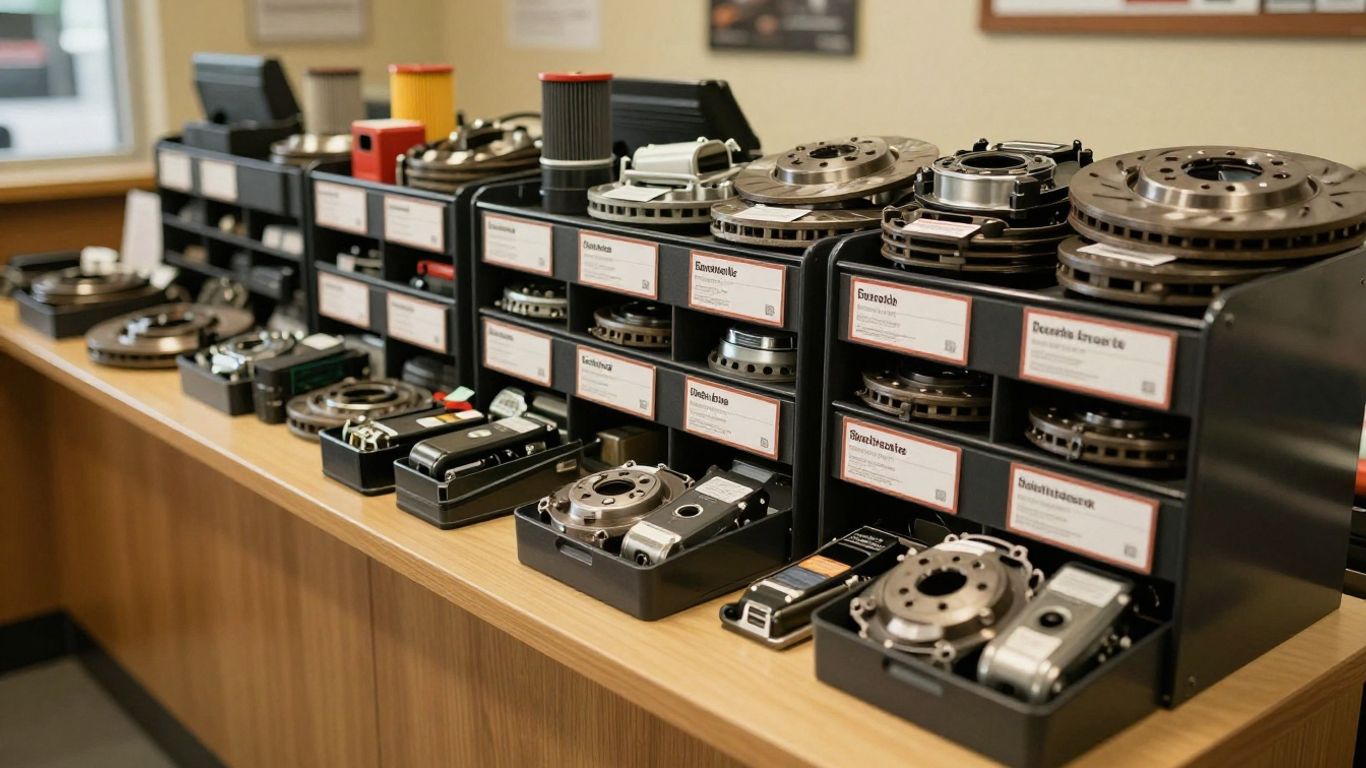
A local dealer parts department is a sensible first call for a vehicle-specific component or an item whose fitment is difficult to identify. Ask whether the part is physically at that location, available from a nearby warehouse, or subject to a special order. If pickup is possible, confirm the hold time so the part is not returned to stock before you arrive.
Compare online Chrysler parts retailers
Online retailers can help when local inventory is limited, especially if you already have a confirmed part number. Compare the stated dispatch date, estimated arrival date, shipping method, and return restrictions. A lower listed price does not help if the part ships after the repair deadline or carries a costly return fee.
Search certified salvage yards and used-parts networks
Used parts can make sense for body panels, interior pieces, trim, or other components where condition is easy to inspect or document. Ask for the donor vehicle details, mileage when relevant, photographs, and any warranty period. Avoid treating a used listing as interchangeable simply because the name and model year appear to match.
Contact independent auto parts stores
Independent stores may locate common maintenance and repair items through regional inventory or supplier networks. Give the counterperson the VIN, part number, and urgency of the repair in the same call. Ask them to physically verify the item and set it aside, rather than relying only on a catalog status.
Verify availability and fitment
A listing that appears suitable is only a lead until the seller confirms the details. Inventory can change between the time you search and the time you pay, and catalog descriptions are not always equally precise. Slow down for a few minutes here; that pause is usually cheaper than ordering the wrong component.
Confirm the part is in stock
Ask whether “in stock” means the item is on the seller’s shelf, at a regional warehouse, or merely available to order. If you need it today, request a physical stock check and a reservation. For shipping, ask when the package will actually leave the warehouse, not just when the order can be placed.
Compare OEM, aftermarket, and remanufactured options
OEM parts may be the most direct match, while aftermarket parts can offer broader availability or a different price. Remanufactured components may be practical for certain assemblies but can vary in included hardware and warranty terms. Compare the exact part, coverage, condition, and installation requirements rather than judging by category alone.
Review fitment notes and superseded part numbers
A catalog may show that an older part number has been replaced by a newer one. That change does not automatically mean the original listing is wrong, but it should be confirmed with the seller. Read notes about production dates, optional equipment, left- or right-side placement, and required companion parts before completing the order.
A compact comparison can help organize the decision when several listings look similar:
| Check | Why it matters | What to ask |
|---|---|---|
| Part number | Separates similar components | Is this number current or superseded? |
| Vehicle details | Narrows configuration differences | Does it match my VIN and engine? |
| Stock location | Clarifies the real timeline | Is it on the shelf or at a warehouse? |
| Return terms | Limits the cost of a mismatch | Can I return an opened or installed part? |
Use the answers, not the headline listing, to choose the part. If the seller cannot explain the fitment or availability clearly, keep searching before committing money.
Ask about return and exchange policies
Confirm the return window, restocking fee, condition requirements, and whether electrical or special-order items are excluded. Ask what happens if the part is cataloged as compatible but does not fit your vehicle. Save the answer in writing, especially when the repair is urgent and the seller is making a verbal promise.
Evaluate delivery and pickup options
The quickest option is not always the one with the shortest advertised transit time. Same-day pickup may require a longer drive, while expedited shipping may still be delayed by a warehouse cutoff. Compare the complete timeline from payment to installation, including the time needed to collect the part.
Compare same-day pickup with expedited shipping
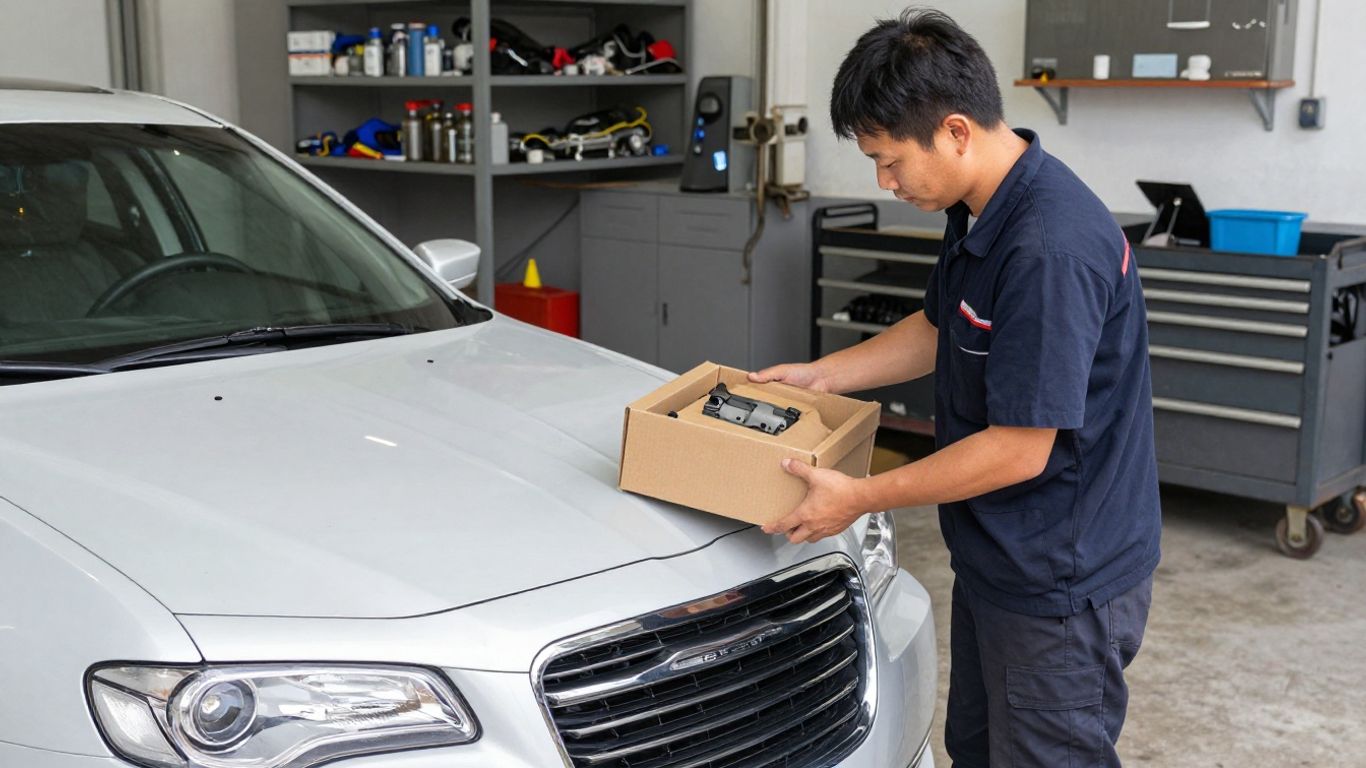
Pickup is often preferable when the part is confirmed at a nearby location and the vehicle is already disabled. Expedited shipping can be useful when the local search is exhausted, but it depends on processing time as well as carrier transit. Ask for both options in concrete terms: when it will be ready, when it will ship, and when you can reasonably use it.
Check warehouse locations and carrier cutoffs
A seller may show a part as available while it sits several states away. Find out which warehouse will fulfill the order and whether the order must be placed before a daily cutoff. Carrier pickup times, weather, and weekend schedules can all change the practical delivery date.
Confirm weekend and holiday delivery schedules
A two-day estimate may refer to business days rather than calendar days. Check whether the seller processes orders on weekends and whether the carrier delivers to your address on Saturday or Sunday. Around a holiday, request a specific expected date instead of relying on a generic shipping badge.
Calculate the total cost after shipping fees
Add shipping, taxes, core charges, deposits, pickup costs, and any required companion hardware. A nearby option may be cheaper overall even when its listed price is higher, while a distant seller may win only when the part is difficult to find. Write down the total for each viable option before choosing.
Avoid common last-minute search mistakes
Urgency encourages shortcuts, but parts errors are costly because they can delay the repair twice. The most common problems come from trusting incomplete vehicle information, confusing a warehouse listing with shelf inventory, or overlooking pieces needed for installation. A quick verification routine protects the deadline better than a rushed checkout.
Do not rely on model and year alone
Model and year narrow the search but rarely settle every fitment question. Engine, trim, drivetrain, body style, production date, and factory options can affect the result. Include the VIN or the old part number whenever the component is tied to a specific configuration.
Watch for misleading “in stock” listings
“In stock” may describe a supplier’s inventory rather than the seller’s own location. It can also mean the item is available for order without a guaranteed dispatch time. Call or message for a physical confirmation, and ask how long the seller will hold it after payment.
Be cautious with unusually low prices
A very low price can reflect a used item, a partial assembly, an incompatible variant, missing hardware, or a nonrefundable special order. Read the condition and package description carefully. If the seller cannot explain why the price differs so much from comparable listings, the apparent bargain may create another delay.
Confirm whether hardware, sensors, or gaskets are included
Some parts arrive as a complete assembly, while others require separate seals, clips, bolts, sensors, or gaskets. Ask for the contents of the box and compare them with the repair instructions. This small check can prevent a vehicle from remaining on the lift while you make a second parts run.
Complete the purchase and prepare for installation
After choosing the part, preserve the information that got you there. Keep the invoice, seller’s fitment statement, promised delivery date, and tracking number together. Preparation should begin before the package arrives so that a correct part does not sit unused because one inexpensive supply or tool is missing.
Save the order confirmation and tracking details
Download or screenshot the order confirmation, part number, quantity, seller contact details, and delivery estimate. If the order is for pickup, save the reservation information and ask what identification is required. Tracking details make it easier to spot a delay early enough to contact another source.
Inspect the part before installation
Check the packaging for damage and compare the new component with the old one before removing anything that cannot be reassembled. Verify connectors, mounting points, dimensions, orientation, and included pieces. Photographing the unopened package and the comparison can also help if an exchange becomes necessary.
Gather required tools and replacement supplies
Review the repair procedure and collect tools, fluids, fasteners, seals, and cleaning materials in advance. Some jobs require a torque specification, a specialty socket, or a way to support the vehicle safely. Having those items ready keeps the installation focused and reduces the temptation to improvise.
Decide when professional installation is safer
A professional is the safer choice when the repair involves high-voltage systems, fuel, airbags, complex diagnostics, heavy lifting, or a procedure that requires specialized calibration. If the vehicle is unsafe to drive or the correct diagnosis is uncertain, arrange inspection or towing rather than forcing a same-day repair. Speed matters, but a preventable safety problem costs more than a delayed installation.
Conclusion
A successful last minute Chrysler part search is less about clicking fastest and more about removing uncertainty in the right order: identify the vehicle and part, verify live availability and fitment, compare the full delivery cost, then inspect and prepare before installation. That approach gives you the best chance of finishing the repair without a second trip or an expensive mismatch.