So, you’ve got a Chrysler Crossfire and you’re looking for some used parts, specifically differentials and axles, and you’re on the Sunshine Coast? It can be a bit of a hunt, but it’s definitely doable. This guide is here to help you find what you need without too much hassle. We’ll cover where to look, what to check, and how to make sure you get the right parts for your car.
Key Takeaways
- Specialty auto parts dealers and independent Chrysler repair shops are good places to start looking for used Crossfire differentials and axles.
- Online marketplaces and salvage yards can be excellent resources for finding these specific parts.
- Always inspect used parts thoroughly for signs of wear, damage, leaks, or corrosion before buying.
- Make sure the parts you find are compatible with your specific Chrysler Crossfire model and year.
- Consider professional installation services to ensure your new differentials and axles are fitted correctly.
Locating Used Chrysler Crossfire Differentials
Finding a used differential for your Chrysler Crossfire on the Sunshine Coast might seem like a puzzle, but there are a few solid places to start your search. It’s not always about finding the cheapest part, but the one that’s in good shape and will last. You want something that’s going to work right without causing more headaches down the line.
Specialty Auto Parts Suppliers
These folks often know their stuff when it comes to specific makes and models. They might have a dedicated section for European or performance vehicles, which is where the Crossfire often fits. They can be a great resource because they understand the nuances of different parts. Sometimes they even have rebuilt units with a warranty, which is a nice bonus if you can find it.
Independent Chrysler Repair Shops
Think of the local mechanic who’s been working on Chryslers for years. They often have connections to suppliers of used parts or might even have a few differentials lying around from previous jobs. Don’t hesitate to ask them directly if they know where you can source one. They might point you to a reliable source or even have a part in their own inventory. It’s worth a shot, especially if you’ve had good experiences with them before.
Online Automotive Marketplaces
This is where things get interesting. Websites dedicated to used auto parts can be a goldmine, but you have to be careful. You’ll find listings from all sorts of sellers, from big wreckers to individuals. It’s important to check seller reviews and ask for detailed photos and part numbers. Sometimes you can find a real bargain, but other times it’s a bit of a gamble. Always try to get as much information as possible before clicking ‘buy’.
Sourcing Used Chrysler Crossfire Axles
Finding the right used axle for your Chrysler Crossfire can sometimes feel like a treasure hunt. These aren’t exactly common parts, so you’ll need to know where to look. Don’t just grab the first thing you find; take your time and do your homework.
Salvage Yards and Dismantlers
Your first stop should probably be local salvage yards or auto dismantlers. These places often have a wide variety of vehicles, and sometimes, you get lucky and find a Crossfire that’s been brought in. It’s worth calling ahead to see if they have any Crossfires on the lot or if they can keep an eye out for one. When you visit, be prepared to spend some time searching. Sometimes the parts are still on the car, and you might even be able to pull it yourself, which can save a bit of cash. Just make sure you have the right tools and know-how.
Performance and Aftermarket Retailers
If you’re looking for something a bit more specific, maybe an upgraded or heavy-duty axle, then performance and aftermarket retailers are your go-to. While they might not always have used parts readily available, they can sometimes source them or point you in the right direction. They also might have rebuilt axles that come with a warranty, which can offer some peace of mind. It’s a good option if you’re not on a super tight budget and want a bit more assurance about the part’s condition.
Private Seller Listings
Keep an eye on online classifieds and local forums. Sometimes, individuals who are parting out their own Crossfires or who have leftover parts will list them for sale. These can be great places to find deals, but you need to be extra careful. There’s usually no warranty or recourse if the part turns out to be faulty, so inspecting it thoroughly is even more important. You might find someone who’s selling a whole rear end assembly, which could be a good deal if you need both the differential and axles.
When you’re looking at used axles, pay close attention to the condition of the boots. Torn or cracked boots are a big red flag, as they let dirt and moisture in, which can quickly ruin the internal components. Also, check for any signs of bending or damage to the shaft itself. A bent axle will cause vibrations and can lead to further problems down the line.
Inspecting Your Potential Purchase
So, you’ve found a differential or axle that looks promising for your Chrysler Crossfire. Before you hand over your cash, a good once-over is absolutely necessary. You don’t want to end up with a part that’s more trouble than it’s worth, right?
Signs of Wear and Damage
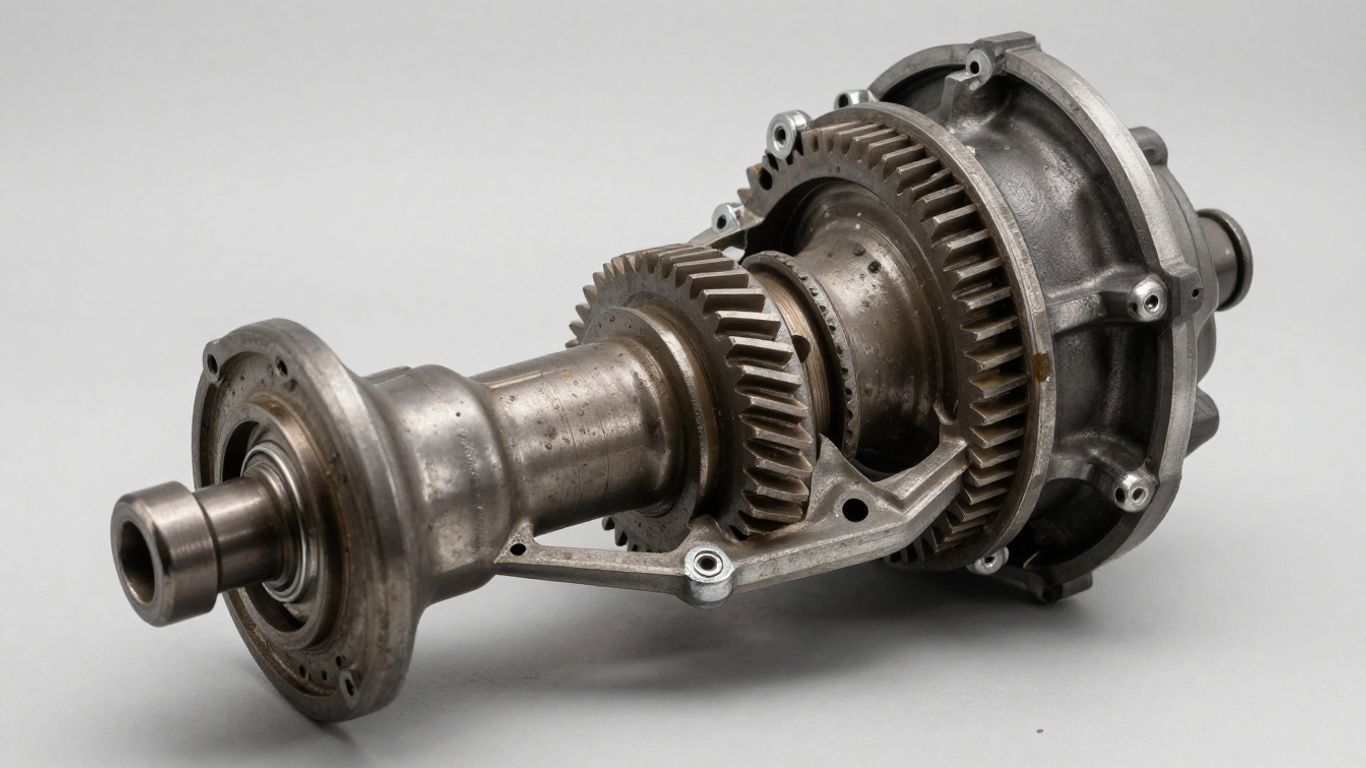
First off, give the housing a good look. Are there any obvious cracks or deep gouges? These are big red flags. For differentials, spin the input yoke if you can. Does it feel smooth, or is there a gritty sensation? That grittiness often means the bearings are shot. Listen for any clicking or grinding sounds as you turn it. The same goes for axles – check the splines where they connect to the hubs and the differential. If they’re rounded off or heavily worn, that’s a sign of serious stress.
Checking for Leaks and Corrosion
Look for any signs of fluid leaks around the seals. If it’s already leaking, it’s probably not in great shape. A little bit of surface rust is usually okay, especially on older parts, but heavy, flaky rust or pitting is a problem. This is especially true for the housing and any mounting points. You want to see solid metal, not something that looks like it’s about to crumble.
Verifying Compatibility
This is super important. Make sure the part you’re looking at is actually for a Chrysler Crossfire. Sometimes parts look similar but have different mounting points or gear ratios. Double-check the part numbers if they’re visible. If you’re unsure, try to get the VIN of the car the part came from. It’s always better to be safe than sorry when it comes to drivetrain components. A quick search online for Crossfire differential or axle part numbers can save you a headache later.
Don’t forget to consider the mileage of the donor vehicle if that information is available. A low-mileage part, even with some surface rust, is often a better bet than a high-mileage one that looks cleaner but has seen a lot more action.
Understanding Differential and Axle Functions
The Role of the Differential
So, what exactly does a differential do? Think about when your Crossfire turns a corner. The outside wheel has to travel a longer distance than the inside wheel in the same amount of time. If both wheels were locked together, one would have to slip or drag, making turns difficult and putting a lot of stress on the drivetrain. The differential is a clever set of gears that allows the drive wheels to rotate at different speeds while still receiving power from the engine. It splits the torque from the driveshaft, sending more power to the wheel that has more traction and less to the one that’s slipping. This gearset is absolutely vital for smooth handling and preventing tire wear.
How Axles Transmit Power
Axles are the shafts that connect the differential to the wheels. They’re responsible for taking the rotational force managed by the differential and delivering it directly to the wheels, making them spin. In a rear-wheel-drive car like the Crossfire, you’ll have rear axles that transmit power to the rear wheels. If it’s a performance model or has specific drivetrain options, you might also have front axles or half-shafts that handle power delivery to the front wheels. These are typically robust components, but they can still wear out or get damaged over time, especially if they’ve been subjected to hard driving or impacts.
Common Failure Points
When differentials and axles start to go bad, you might notice some tell-tale signs. For differentials, listen for whining or clunking noises, especially when accelerating, decelerating, or turning. These sounds often indicate worn gears or bearings inside the differential housing. Leaks are another big red flag; differential fluid is a special lubricant, and if it’s escaping, it means seals are failing, which can lead to serious internal damage if not addressed. For axles, look for torn or damaged rubber boots (CV boots). These boots protect the constant velocity (CV) joints, and if they rip, dirt and water can get in, destroying the joint. You might also hear clicking or popping noises when turning, which is a classic symptom of a worn CV joint.
It’s easy to overlook these components because they’re hidden away, but they’re working hard all the time. Regular checks, especially if you notice any unusual sounds or feel changes in how your car handles, can save you a lot of trouble down the road. Ignoring a small leak or a strange noise could turn a relatively simple repair into a much bigger, more expensive job.
Navigating the Sunshine Coast Market
Alright, so you’re on the hunt for a used differential or axle for your Chrysler Crossfire, and you’ve decided the Sunshine Coast is the place to be. That’s a good move; this area has a decent automotive scene. But like any treasure hunt, you need to know where to look and how to play the game.
Key Areas for Parts Hunting
When you’re physically on the Sunshine Coast, your first stops should probably be the larger industrial areas or towns known for their auto repair businesses. Places like Maroochydore, Caloundra, and Noosa often have a concentration of independent mechanics and specialized auto wreckers. Don’t just stick to the main roads; sometimes the best finds are tucked away down side streets. You might also find that some of the smaller towns have a hidden gem, a long-standing mechanic who knows everyone and everything about older cars. It’s worth doing a bit of driving around and keeping an eye out for signs advertising "Used Parts" or "Auto Salvage."
Negotiating Prices Effectively
This is where a bit of human interaction comes in. When you find a part, don’t just accept the first price they throw at you. Always be prepared to haggle, especially if you’re buying from a smaller, independent seller. Do a quick mental check of what you think it’s worth, maybe having a ballpark figure from your online research. If the part has some surface rust or looks like it needs a clean, use that as a talking point. Sometimes, offering cash on the spot can also give you a little extra bargaining power. Remember, they want to sell the part, and you want to buy it at a fair price. It’s a two-way street.
Ensuring a Smooth Transaction
Once you’ve agreed on a price, make sure you get some sort of receipt, even if it’s just a handwritten note. This is important for your records and can be helpful if any issues pop up later. If you’re buying from a business, ask about their return policy, just in case. If it’s a private seller, try to get their contact details. It’s also a good idea to have a way to transport the part safely. Differentials and axles can be heavy and awkward, so make sure you have the right vehicle or can arrange for delivery if needed. A little bit of planning here can save you a lot of headaches down the line.
Professional Installation Services
Finding Qualified Technicians
So, you’ve tracked down the perfect used differential or axle for your Chrysler Crossfire right here on the Sunshine Coast. That’s awesome! But now comes the part where you need someone who actually knows what they’re doing to put it in. It’s not exactly a DIY job for most of us, unless you’re really comfortable with heavy-duty auto mechanics. Look for independent European or performance car specialists. They often have a better grasp of these specific components than a general mechanic might. Don’t be afraid to ask about their experience with Chryslers, or even specifically with the Crossfire if they have it. A good shop will be happy to tell you about their qualifications and how many similar jobs they’ve done.
The Installation Process
When you take your car in, the technicians will first get the vehicle up on a lift. They’ll drain the old fluid from the differential, if applicable, and then carefully unbolt the old unit. This can sometimes be a bit tricky, especially if the bolts are rusted or seized. Once the old part is out, they’ll clean up the mounting surfaces before installing the new (or new-to-you) differential or axle. They’ll bolt it in securely, refill it with the correct type and amount of fluid, and then reassemble everything that was removed. It’s a pretty involved process that requires the right tools and a good understanding of torque specifications.
Post-Installation Checks
After the new parts are in and everything’s put back together, the mechanic should take your Crossfire for a test drive. They’ll be listening for any unusual noises, checking for vibrations, and making sure the car handles correctly. They’ll also want to check for any fluid leaks around the seals and gaskets. Sometimes, they might recommend a follow-up check after you’ve driven a few hundred kilometers, just to be absolutely sure everything is settled in nicely and performing as it should. It’s always a good idea to get a written receipt detailing the work performed and any warranty offered on the labor.
Getting the installation done right the first time saves a lot of headaches down the road. A shoddy job can lead to premature wear, leaks, or even complete failure, costing you more in the long run than a professional installation would have initially.
Wrapping Up Your Differential Search
So, if you’re on the Sunshine Coast and need a used Chrysler Crossfire differential or axle, you’ve got a few good options. Don’t forget to check out the local wreckers and specialized parts suppliers we talked about. It might take a little digging, but finding the right part at a decent price is totally doable. Happy hunting, and may your Crossfire get back on the road soon!