Key Takeaways
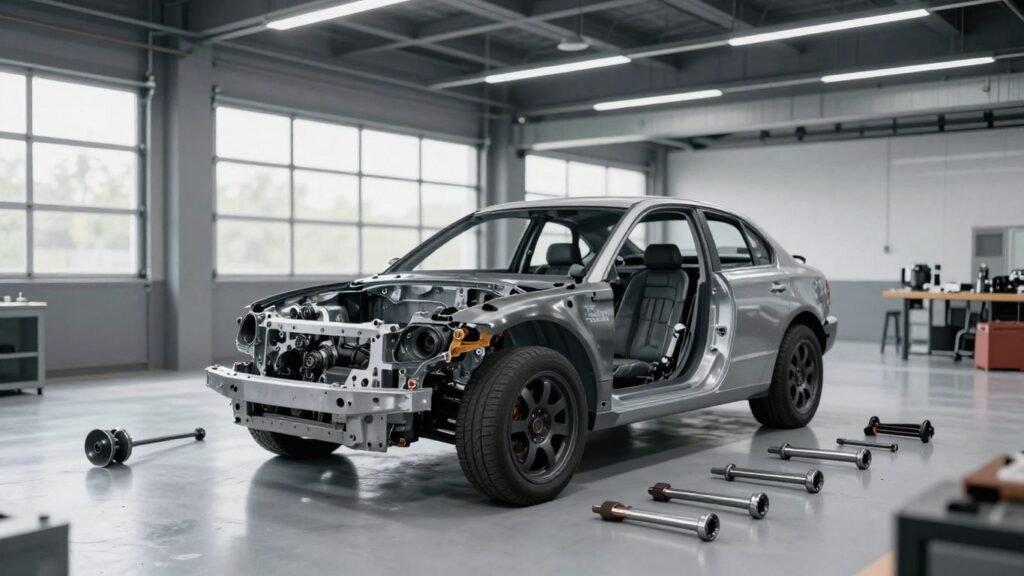
Finding the right component for your vehicle requires careful research and patience, as the quality of the unit dictates your repair success. Here are the five most essential points for securing a reliable engine:
- Accurately match your engine code to ensure fitment.
- Evaluate whether a rebuild or salvage unit fits your budget.
- Perform a thorough physical inspection for leaks or damage.
- Prioritize sellers who offer clear, documented warranties.
- Confirm shipping and professional installation requirements early.
Assessing your engine needs
When your vehicle experiences terminal engine failure, the process of finding a replacement can feel daunting. Your primary goal is to find a unit that fits seamlessly without requiring costly modifications or custom fabrication. Identifying the correct specifications now prevents significant headaches during the installation phase.
Identifying your specific engine code
Every vehicle relies on a unique identifier often stamped directly onto the engine block or found on a vehicle certification label. This code provides the exact technical configuration, including displacement and emissions requirements, which is critical when browsing listings for used Chrysler engines for sale. Never attempt to guess based on model year alone, as manufacturers often update internal components mid-cycle.
Compatibility with different transmission types
Engine blocks are frequently machined differently depending on whether they pair with an automatic or manual transmission. You must verify that the bell housing bolt pattern on the donor unit matches your existing transmission setup perfectly. Discrepancies here usually lead to mounting failures that are difficult to correct once the engine is already inside the engine bay.
Comparing rebuilds versus salvage yard finds
Choosing between a full rebuild and a salvage yard pull involves balancing your immediate budget against long-term operational expectations. A rebuilt unit often provides a more predictable lifespan, whereas a salvaged pull offers immediate availability at a lower cost.
| Feature Type | Rebuilt Engine | Salvage Yard Find |
|---|---|---|
| Upfront Pricing | Higher investment cost | Budget-friendly option |
| Expected Lifespan | Near-factory performance | Variable condition |
| Warranty Period | Generally extended coverage | Often limited duration |
Selecting the right path depends entirely on your vehicle’s current value and how long you intend to keep it on the road after the repair is complete.
Sourcing high-quality replacement engines
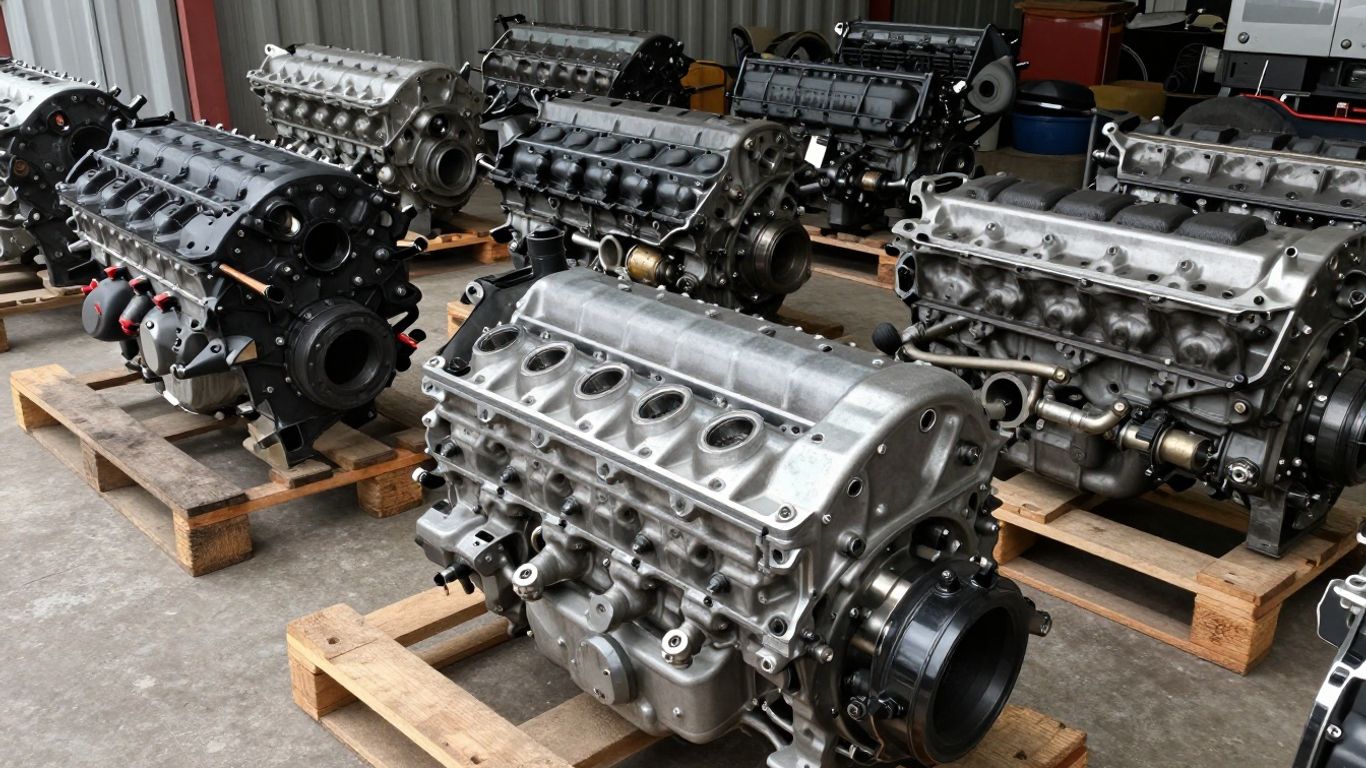
Finding a reputable source is just as important as identifying the technical specifications of the replacement engine. You need a seller who understands the mechanical history and provides clear provenance for the parts they offer. Reliable distributors like Powertrain Products maintain specific standards for their units that help buyers avoid the pitfalls of buying a neglected motor.
Evaluating local salvage yards and junkyards
Local yards offer the advantage of seeing components in person before any money changes hands. You should walk through the lot to observe how the vehicles are stored, as units kept in open air are more susceptible to water intrusion and internal corrosion. If the yard keeps engines under cover or in climate-controlled storage, it is a positive indicator of professional care, highlighting that they value the integrity of their inventory.
Benefits of purchasing from specialized engine distributors
Specialized companies focus their business model on the acquisition and quality control of automotive powertrains. Entities like Auto Used Engines LLC offer distinct advantages by vetting units for mileage and running condition before selling them. This level of specialization often results in higher quality units and provides a more structured purchasing process compared to generic salvage outlets.
Verifying the credibility of online marketplaces
Online platforms can connect you with inventory across the country, but they require extra due diligence to ensure you are not dealing with fraudulent listings. Always look for transparent business practices, such as clear images of the actual engine rather than stock photography, and confirm that the seller provides a verifiable way to track shipping. Legitimate sellers will be willing to correspond regarding the specific history of the unit you are interested in acquiring.
Conducting a physical inspection before purchase
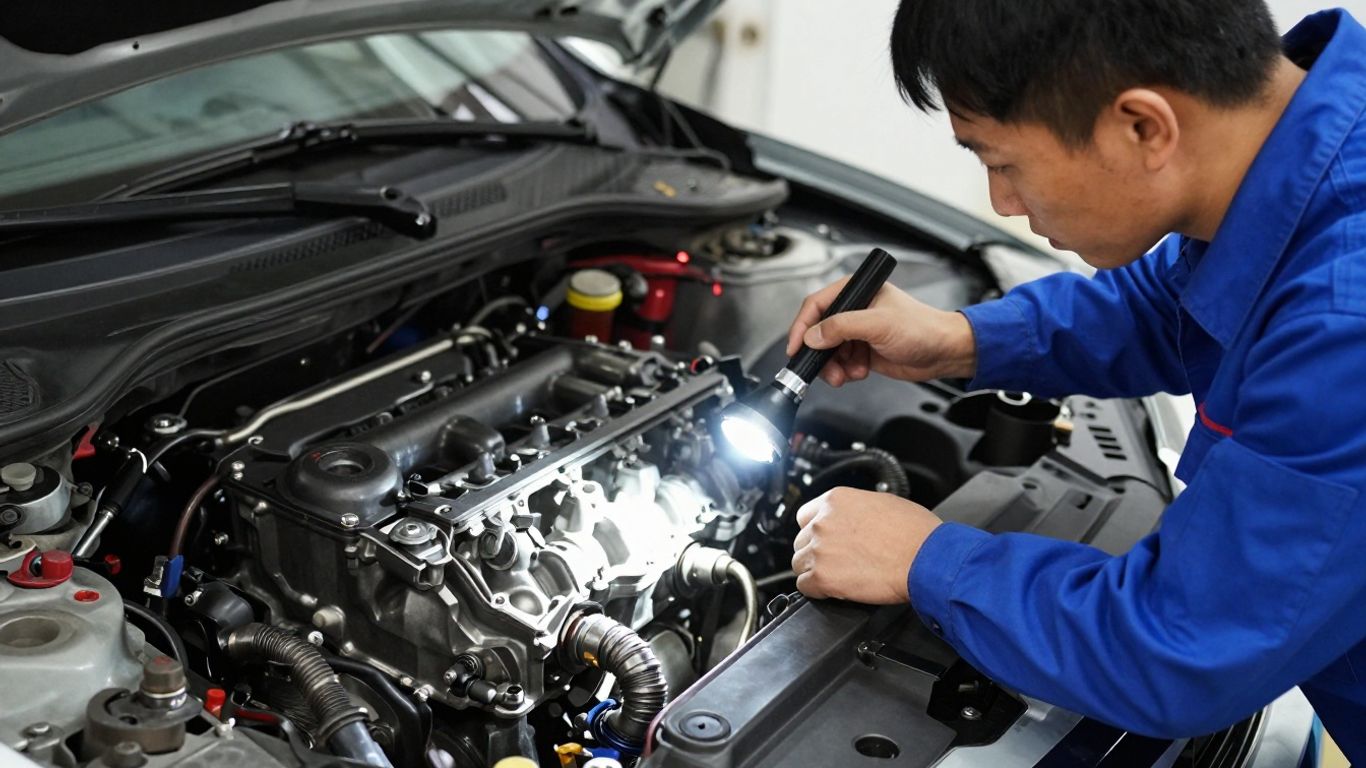
Once you have found a potential candidate, a physical inspection is the final hurdle to ensure the engine is worth your investment. Even if a seller provides a glowing description, getting eyes on the component allows you to spot issues that are not visible in simple photographs. This step is your last chance to identify major defects before the heavy lifting of installation begins.
Detecting signs of oil sludge and internal damage
Open the oil fill cap and look for thick, caked-on residue on the valve train components, which is a telltale sign of poor maintenance or skipped oil changes. Excess sludge restricts oil flow, leading to premature bearing failure and overheating once the engine is under load. Beyond sludge, listen for any abnormal scraping or grinding sounds if the seller is able to provide a brief cold-start video during the inspection process.
Visualizing the internal state through the oil cap serves as a primary diagnostic tool for assessing how well the previous owner maintained the mechanical components over the vehicle’s lifespan.
Such basic checks are essential because even if a block looks clean on the outside, inner neglect can render an engine essentially worthless despite the outward appearance.
Identifying exterior corrosion and coolant leaks
Check the exterior of the engine block for signs of persistent weeping or coolant stains around the water pump and hose connections. Moderate surface rust on non-critical steel brackets is usually acceptable, but deep, flaking corrosion on the head gaskets or primary castings is a significant warning sign. Use a flashlight to peek into deep cavities where fluids might pool, as these areas often hide leaks that sellers might have wiped over to improve the engine’s presentation.
Verifying serial numbers against historical vehicle reports
Matching the serial number on the block to a historical report via your VIN search ensures the engine was not salvaged from an illegally dismantled or stolen vehicle. This validation step is necessary for title integrity and ensures that the engine specifications align with the paperwork you intend to submit to your local transportation authority. Reliable parts distributors will maintain this documentation as part of their standard business practices.
Understanding warranties and return policies
Buying an engine is a major purchase that should always be backed by a clear agreement regarding protection for the buyer. Without a solid policy in place, even a high-performing engine can become a liability if an unforeseen defect arises shortly after startup. Always read the fine print to understand exactly what is covered and what conditions might void your rights to a refund.
Distinguishing between parts-only and labor warranties
Parts-only coverage generally provides a replacement engine if the original fails within the grace period, but you remain responsible for the cost of pulling the old engine and dropping in the new one. Conversely, a labor warranty offers compensation for the mechanical work required to perform the swap. Most budget-friendly deals are parts-only, so confirm whether you need to factor professional installation costs into your emergency repair fund.
Recognizing red flags in limited warranty fine print
Be wary of warranties that exclude specific high-failure components like seals, gaskets, or even the cooling system itself. Many limited policies contain clauses that shift the burden of proof to the buyer in the event of failure, requiring expensive oil analysis or inspection reports as a condition for approval. If the language seems overly restrictive, it may indicate a lack of confidence in the quality of their inventory.
Documenting proof of professional installation for warranty claims
Many providers require evidence that the engine was installed by a certified mechanic or a licensed automotive shop to maintain warranty eligibility. Keep all work orders, invoices, and receipts clearly organized in a project file, as these documents act as your safeguard. If you choose to install the engine yourself, be aware that you might inadvertently forfeit the warranty protection entirely, even if you are an experienced home mechanic.
Managing delivery and installation logistics
Getting a heavy engine from the warehouse to your garage requires coordinated planning and specialized logistical equipment. Unlike smaller car components, engines require a palletized shipping solution and heavy-duty lift equipment to safely unload from the freight truck. Ignoring these logistical realities can lead to damage during transit or injuries during the unloading process.
Freight shipping requirements for heavy engine delivery
Most sellers will deliver to a commercial address with a loading dock, but residential deliveries often require a lift-gate service for an additional fee. Your local repair shop should be able to receive the freight delivery directly to their facility, which simplifies the process and avoids the risks associated with moving a heavy engine from your own driveway into an installation bay. Always request real-time tracking information to ensure you are present when the delivery arrives.
Essential components to replace during the installation process
While the engine is out of the vehicle, you have a perfect opportunity to service parts that are difficult to reach otherwise, such as the timing belt, water pump, and rear main seal. Replacing these maintenance items now saves hours of labor in the future and ensures that your new powertrain does not suffer from simple peripheral failures. Even if the donor engine appears well-maintained, fresh seals and gaskets are vital for long-term health.
Preparing your vehicle for initial break-in procedures
Following the manufacturer’s suggested break-in procedures, such as varying engine speeds and sticking to short initial oil change cycles, helps properly seat the rings and ensures longevity. Mopar crate engines or high-quality remanufactured units come with specific documentation detailing these precise steps to prevent damage. Adhering to these guidelines ensures you get the most out of your investment while protecting the mechanical integrity of the newly installed motor.
Conclusion
Replacing your engine is an involved project that requires balancing technical accuracy with careful sourcing and logistical planning. By methodically identifying your specific requirements, verifying the quality of your supplier, and maintaining documentation throughout the installation process, you can confidently return your vehicle to efficient service. With the right prep work and a clear understanding of your warranty coverage, breathing new life into your car is a rewarding endeavor that extends its useful performance for years to come.