Dealing with a car that blows warm air when you really need it cold is a pain, right? Especially in a Chrysler, you want that AC working right. This guide is here to help you figure out what’s going on with your common Chrysler air conditioning issues. We’ll go over the usual suspects, from low refrigerant to electrical hiccups, and give you some ideas on what you can do about it yourself or when it’s time to call in the pros. Let’s get your cool air flowing again.
Key Takeaways
- Understand the basic parts of your Chrysler’s AC system and how they work together to keep you cool.
- Recognize the signs of common problems like weak cooling, strange noises, or bad smells, which often point to specific issues.
- Learn about refrigerant leaks, compressor failures, and electrical glitches as frequent causes of AC trouble.
- Know how simple maintenance, like changing cabin air filters and cleaning the condenser, can prevent many common Chrysler air conditioning issues.
- Decide when you can tackle a repair yourself and when it’s safer and more effective to get help from a qualified mechanic.
Understanding Common Chrysler Air Conditioning Issues
Key Components of Your Chrysler AC System
Your Chrysler’s air conditioning system is a complex network of parts working together to keep you cool. At its core is the compressor, which is like the heart of the system, pumping refrigerant around. Then there’s the condenser, usually found near the radiator, that dumps heat from the refrigerant outside. Inside the car, the evaporator absorbs heat from the cabin air, making it cool. An expansion valve or orifice tube controls how much refrigerant goes into the evaporator. Finally, a receiver-drier or accumulator stores refrigerant and removes moisture. All these pieces need to be in good shape for the AC to work right.
How Your Chrysler AC System Functions
When you turn on your Chrysler’s AC, the compressor starts squeezing the refrigerant, turning it into a high-pressure gas. This hot gas then flows to the condenser, where outside air blows over its fins, cooling the gas down into a high-pressure liquid. This liquid then travels through a small opening, like the expansion valve, which lowers its pressure and temperature dramatically. It enters the evaporator as a cold, low-pressure mix of liquid and gas. As the cabin fan blows air over the evaporator’s cold coils, the air cools down and gets dehumidified before it’s sent into the car. The refrigerant, now a low-pressure gas, goes back to the compressor to start the cycle all over again.
Common AC Symptoms and Their Causes
Sometimes your Chrysler’s AC might blow warm air, make weird noises, or just not feel as cold as it used to. A common culprit is low refrigerant, which often means there’s a leak somewhere. You might hear grinding or squealing sounds if the compressor is on its way out, or if a belt is loose. If you notice a musty smell, it could be mold growing in the evaporator, or sometimes a refrigerant leak can have a sweet odor. If the AC clutch on the compressor isn’t engaging, it could be an electrical issue or low refrigerant pressure. Intermittent cooling or the system cycling on and off too much can point to electrical problems, sensor issues, or refrigerant levels that are just barely enough.
It’s easy to ignore AC problems until it’s sweltering outside. But a little attention early on can save you a lot of discomfort and potentially bigger repair bills later. Think of it like checking your tire pressure; a quick look now can prevent a major headache.
| Symptom | Potential Cause(s) |
|---|---|
| No cool air | Low refrigerant, compressor issue, blocked condenser |
| Strange noises | Compressor failure, worn belt, debris |
| Musty/Sweet Odor | Mold in evaporator, refrigerant leak |
| AC clutch not engaging | Electrical fault, low refrigerant, faulty clutch |
| Intermittent cooling | Electrical issue, low refrigerant, sensor problem |
Diagnosing Refrigerant Problems in Chrysler AC Systems
Refrigerant is basically the lifeblood of your Chrysler’s air conditioning. If it’s not at the right level or if there’s a leak, your AC just won’t cool like it should. It’s one of the most common reasons your AC starts blowing warm air.
Signs of Low Refrigerant Levels
Sometimes, the cooling just gradually gets weaker over time. It’s not like it stops working all at once, but you notice it’s not as cold as it used to be, especially on really hot days. Another sign can be ice forming on the AC lines or even the evaporator, which is usually tucked away inside your dashboard. You might also hear the AC compressor cycling on and off way more often than normal, or you could hear a faint hissing sound, which could mean refrigerant is escaping. Sometimes, you’ll see a bit of oily residue around connections, and that oily stuff is often mixed with the refrigerant, pointing to a leak.
Common Locations for Refrigerant Leaks
Leaks don’t just pop up anywhere. In Chrysler vehicles, they often show up at the connections where AC lines meet, or at the fittings. The condenser, which sits in front of your radiator, can get damaged by road debris, leading to leaks. The seals on the AC compressor itself can wear out over time. The evaporator core, hidden inside the dash, is another spot, as is the receiver-drier or accumulator, which are part of the system that stores and filters refrigerant.
Methods for Detecting Refrigerant Leaks
Finding a leak can be tricky. Professionals have a few tools for this. They use electronic leak detectors that can sniff out even tiny amounts of refrigerant in the air. Another method involves adding a special UV dye to the system; when they shine a UV light around the AC components, any leaks will glow. A simpler, though less precise, method is the bubble test: they’ll spray soapy water on connections, and if there’s a leak, you’ll see bubbles forming. Sometimes, they’ll pressure test the system with nitrogen to find leaks without losing any refrigerant.
It’s really important not to just keep adding refrigerant if you suspect a leak. It’s a temporary fix at best and can hide bigger problems that could cause more damage down the road. Handling refrigerant also requires specific training and equipment, so if you’re unsure, it’s best to let a professional handle it.
| Symptom | Potential Cause |
|---|---|
| Gradual loss of cooling | Low refrigerant levels |
| Ice on AC lines | Low refrigerant levels |
| Frequent compressor cycling | Low refrigerant pressure |
| Hissing sounds | Refrigerant leak |
| Oily residue on connections | Refrigerant leak |
Addressing Chrysler AC Compressor Malfunctions
Symptoms of a Failing AC Compressor
When your Chrysler’s AC starts blowing warm air, especially on a hot day, the compressor is often a prime suspect. You might hear strange noises coming from under the hood when you turn the AC on – think grinding, squealing, or clicking sounds. Sometimes, the AC might work intermittently, blowing cold for a bit and then switching to warm. Another sign is if the compressor clutch doesn’t seem to be engaging at all when you switch the AC on. You might also notice a decrease in overall cooling performance, even if the system is fully charged with refrigerant.
Causes of Compressor Failure
Compressors can fail for a few reasons. Lack of lubrication is a big one; if the refrigerant oil level gets too low, the internal parts can grind themselves to pieces. Contamination in the AC system, like dirt or metal shavings from other failing components, can also wreck a compressor. Electrical issues, such as a faulty clutch coil or bad wiring, can prevent the compressor from kicking on. Sometimes, it’s just plain old wear and tear. The clutch itself can also fail, preventing the compressor from spinning even if the compressor itself is okay.
When to Replace the AC Compressor
Replacing an AC compressor isn’t usually a DIY job, and it’s definitely not cheap. You’re generally looking at a replacement when the compressor has seized up (meaning it won’t turn at all, which can also damage your serpentine belt) or if there’s significant internal damage causing poor cooling. It’s also a common replacement if the compressor has been contaminated by debris from a previous failure. When you replace the compressor, it’s standard practice to also replace the receiver-drier (or accumulator) and the expansion valve or orifice tube. The entire system also needs to be flushed to get rid of any old oil and debris.
Replacing a Chrysler AC compressor is a significant repair. It’s often recommended to have the system professionally flushed and all related components checked or replaced to prevent the new compressor from failing prematurely.
Here’s a general idea of what you might expect for a compressor replacement, though prices can vary a lot based on your specific Chrysler model and your location:
| Component Replaced | Estimated Cost Range |
|---|---|
| AC Compressor | $800 – $1,800 |
| Receiver-Drier/Accumulator | $100 – $300 |
| Expansion Valve/Orifice Tube | $50 – $150 |
| System Flush | $100 – $250 |
| Refrigerant | $50 – $150 |
| Labor | $400 – $1,000 |
| Total Estimate | $1,500 – $3,650 |
Remember, these are just estimates. Always get a detailed quote from a trusted mechanic.
Troubleshooting Electrical Issues Affecting Chrysler AC
Sometimes, your Chrysler’s AC might seem dead, but it’s not always about the refrigerant or the compressor. A lot of the time, it’s the electrical bits that are causing the headache. Think of it like your home’s wiring – if a breaker trips, nothing works, right? Your car’s AC is similar.
Common Electrical AC Problems
One of the simplest things to check is the fuses. Your car has a fuse box, usually under the hood or on the side of the dashboard, and there’s a specific fuse for the AC system. If this fuse blows, it means something caused an overload or a short circuit. It’s worth checking this first. Then there are the relays. These are like little switches that control power to different parts of the AC, like the compressor clutch. If a relay goes bad, the compressor might not kick on, or it might work on and off. Pressure switches are also important. They protect the system from running with too little or too much refrigerant. If one of these fails, it can stop the whole AC from working, even if everything else is fine. And don’t forget the blower motor itself. This is what pushes the air through your vents. If the motor has an electrical issue, you might have no air coming out, even if the AC is actually making cold air.
Diagnostic Steps for Electrical Failures
So, how do you figure out what’s wrong? Start with the easy stuff. Grab a test light or a multimeter and check all the fuses related to the AC. You can usually find a diagram in your owner’s manual. For relays, sometimes you can swap a suspect relay with an identical one from a non-essential system (like the horn, maybe) to see if that fixes the problem. If the AC still isn’t working, you’ll need to check if power is actually reaching the compressor clutch when you turn the AC on. This is where a multimeter comes in handy. You can also test the pressure switches, but be careful here – sometimes you need to bypass them briefly to see if the system then tries to run. Checking all the ground connections for the AC components is also a good idea; corrosion or loose wires can cause all sorts of weird issues. And of course, make sure the blower motor is getting power and working at all speeds. If you have a more advanced scanner, you can check for any diagnostic trouble codes (DTCs) stored in the car’s computer related to the climate control system.
Working with car electrical systems can be tricky. Always disconnect the negative battery terminal before you start poking around with wires or components. It’s a simple step that can prevent a lot of damage and keep you safe. If you’re not comfortable with electrical testing, it’s always better to let a professional handle it. They have the right tools and experience to diagnose these issues without causing more problems.
Safety Precautions for Electrical Repairs
When you’re dealing with your car’s electrical system, safety is number one. Always disconnect the negative battery terminal before you start any electrical work. This stops you from accidentally shorting something out or getting a shock. Use insulated tools whenever possible. Never try to bypass safety switches or fuses permanently; they are there for a reason. If you’re unsure about any step, especially when dealing with higher voltage components or complex wiring, it’s best to stop and call a qualified mechanic. It’s not worth risking injury or causing expensive damage to your vehicle.
Resolving Airflow and Odor Issues in Chrysler AC
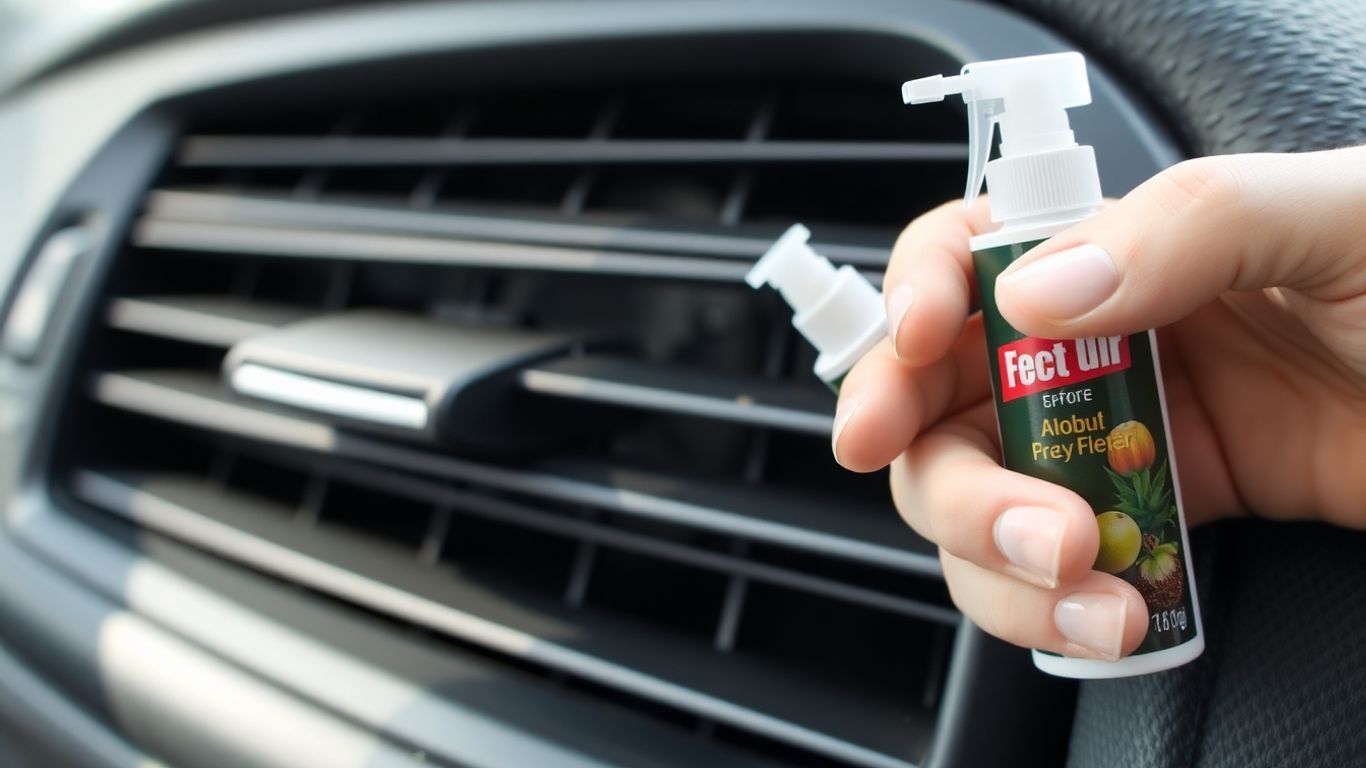
Sometimes your Chrysler’s AC might blow air, but it’s not very cold, or maybe it smells a bit funky. These aren’t always signs of a major breakdown, but they definitely mess with your comfort. Let’s talk about what’s usually going on.
Impact of Dirty Cabin Air Filters
Think of your cabin air filter like the lungs of your AC system. It’s job is to catch all the dust, pollen, and other gunk floating around before it gets into your car’s interior. When this filter gets clogged up, it’s like trying to breathe through a stuffy nose. Airflow gets choked off, and your AC has to work way harder to push any air through. This means less cool air coming out of the vents, and sometimes, the system can even freeze up because of the restricted airflow. Replacing your cabin air filter is one of the easiest and most effective things you can do to fix weak airflow. Most Chrysler models have them located behind the glove box, making it a pretty straightforward DIY job. You’ll usually see a date on the old filter, and it’s generally recommended to swap them out every 12,000 to 15,000 miles, or about once a year, depending on how dusty your driving conditions are.
Cleaning the Condenser and Evaporator
The condenser, usually found in front of your radiator, is where the hot refrigerant releases its heat to the outside air. If it’s caked with bugs, leaves, and road grime, it can’t do its job efficiently. This makes the whole system work harder and can lead to less cooling. You can often clean this yourself by gently rinsing it from the engine side with a hose, being careful not to bend the delicate fins. The evaporator, on the other hand, is inside your dashboard and is responsible for cooling the air that blows into the cabin. It can get pretty grimy over time, and this is often where those musty smells start. Cleaning the evaporator is a bit more involved and often requires professional attention, but sometimes, a good AC system flush can help clear out some of the gunk.
Addressing Foul Odors from the AC System
That unpleasant, musty smell coming from your vents is usually caused by mold and mildew growing in the damp environment of the evaporator core and ductwork. When you turn off the AC, residual moisture can linger, creating a perfect breeding ground for these organisms. Sometimes, a sweet smell might indicate a refrigerant leak, which is a more serious issue that needs immediate attention. For mold and mildew, there are specific AC cleaning sprays and foggers available that you can use. You spray them into the intake vents (often near the windshield wipers) or directly into the cabin vents while the AC is running on recirculate. It’s a good idea to run the fan for a bit after the treatment to air out the system. If the smell persists or you suspect a refrigerant leak, it’s best to consult a professional.
Dealing with AC smells and weak airflow can be annoying, but often, simple maintenance like changing the cabin air filter or cleaning the condenser can make a big difference. Don’t ignore these signs, as they can point to bigger issues or just make your drive less pleasant than it should be.
Preventive Maintenance for Chrysler Air Conditioning
Keeping your Chrysler’s air conditioning system in good shape doesn’t have to be a huge hassle. A little bit of regular attention can go a long way in preventing those annoying breakdowns when you need cool air the most. Think of it like giving your AC a check-up so it doesn’t end up needing major surgery later.
Regular AC System Checks
It’s a good idea to just run your AC for about five to ten minutes every month, even when it’s cold outside. This helps keep the seals inside the system from drying out and cracking, which can lead to leaks. You should also give the visible parts of the system a quick look-over. Are there any obvious signs of trouble, like strange noises when you turn it on, or does the air coming out not feel as cold as it used to? Catching these small things early can save you a lot of headaches.
DIY Maintenance Tasks
There are a few things you can do yourself without needing a mechanic. One of the easiest and most impactful is checking and replacing your cabin air filter. A clogged filter really restricts airflow, making your AC work harder and cool less effectively. Most Chrysler models have the cabin air filter located behind the glove box, so it’s usually a pretty straightforward swap. Just pull out the old one, note which way it was facing, and pop in the new one. Another task is cleaning the condenser, which is usually found in front of your radiator. You can gently brush away leaves, bugs, and other road grime that gets stuck in its fins. This helps the system release heat more efficiently.
Neglecting basic maintenance like filter changes and cleaning the condenser can put unnecessary strain on your AC components. This extra work can shorten the lifespan of parts like the compressor and lead to more significant, expensive repairs down the road.
Benefits of Professional AC Servicing
While DIY tasks are great, sometimes you just need a pro. Scheduling an annual check-up with a qualified technician is a smart move. They have the specialized tools and knowledge to check refrigerant pressures, look for tiny leaks you might miss, and inspect belts and electrical connections. This kind of professional service can help extend the life of your AC system significantly and improve its overall efficiency, meaning better cooling and potentially even a small boost in fuel economy. It’s usually a lot cheaper to get a small issue fixed during a routine check than to wait until the whole system goes kaput.
Wrapping Up Your Chrysler AC Troubles
So, we’ve gone over a bunch of common AC problems you might run into with your Chrysler. It can feel like a lot, but remember, many issues, like a simple clogged cabin filter or some debris on the condenser, are pretty straightforward to fix yourself. For the trickier stuff, like refrigerant leaks or compressor problems, knowing when to call in a pro is key. Keeping up with basic maintenance, like running the AC now and then even in cooler months and cleaning things off, can really help prevent bigger headaches down the road. Hopefully, this guide gives you a good starting point for tackling your car’s AC woes and keeping your rides cool and comfortable.